
Nearly one-third of construction delays stem from unclear communication between property owners and contractors. This statistic, documented in industry research, reveals the costly reality behind rushed conversations and vague project updates.
Establishing structured communication protocols and consistent weekly updates transform chaotic remodels into predictable processes. Regular check-ins, written records, and defined communication channels eliminate surprises while keeping scope, budget, and schedule aligned throughout your project.
What Should You Establish Upfront To Keep Communication Clear?

Establishing clear communication parameters before construction begins prevents misunderstandings that derail schedules and budgets. We approach this phase systematically, documenting every aspect of the project communication framework so that all parties understand their roles and responsibilities.
Define Scope And Goals
Document tasks, materials, deliverables, and exclusions with precision. We specify finishes, layout requirements, and functionality expectations in writing to eliminate ambiguity later. This includes detailing what work falls outside the project boundaries to prevent scope creep.
Scope exclusions require particular attention during large remodels. When we clearly state what tasks, materials, or areas are not included in the contract, property owners understand exactly what they’re receiving. This documentation becomes the foundation for all future project decisions.
Set Milestones And Deadlines
Map start and end dates, along with phase checkpoints, for major construction activities. We establish clear timelines for demolition, plumbing rough-in, electrical work, and finish installations. These milestones create accountability points throughout the project lifecycle.
Timeline planning involves more than basic start dates. We build in realistic durations for each phase, considering permit approvals, material delivery schedules, and inspection requirements. This approach helps property owners understand the construction sequence and plan around major disruptions.
Agree On Channels And Response Times
Decide when to use different communication methods based on the situation and urgency. We use email to create a permanent record of decisions, phone calls for quick project decisions, project management apps for tracking progress, and text messages for brief updates.
Setting a main point of contact and expected response times prevents communication breakdowns. We establish a chain of command that clarifies who makes decisions for different aspects of the project. Response-time expectations vary by urgency, with emergency issues requiring immediate attention and routine updates following standard timelines.
Use Visual Aids
Share photos, sketches, and organized digital folders to eliminate assumptions about design intent. We organize visual materials by categories such as materials, finishes, and layouts so everyone can quickly locate relevant information.
Visual documentation is invaluable during construction when questions arise about specifications or design details. Photos of existing conditions, proposed changes, and material samples create a shared reference point that reduces misinterpretation and change-order disputes.
Clarify Budget Early
Share budget limits and allocate contingencies before work begins. We discuss cost parameters openly, ensuring property owners understand both the approved budget and the change order process. This transparency prevents surprises when modifications become necessary.
Creating a written change order process protects both parties when adjustments are needed. We establish clear procedures for requesting, evaluating, and approving changes that affect cost or schedule. This systematic approach maintains budget control while allowing necessary project flexibility.
Schedule Check-ins From Day One
Lock in a weekly meeting time to review progress, upcoming decisions, and potential risks. We coordinate these sessions around construction activities and stakeholder availability to maximize participation and effectiveness.
Regular check-ins create a predictable communication rhythm that keeps projects moving forward. Rather than waiting for problems to emerge, these scheduled touchpoints let us address issues proactively and maintain project momentum.
Confirm Understanding
Ask questions to verify comprehension and follow every verbal decision with written confirmation. We never assume that complex construction concepts are automatically understood by all parties. Written follow-up ensures that verbal agreements become part of the permanent project record.
This confirmation process extends beyond major decisions to include routine communications. When site conditions change or new information emerges, we document these updates to maintain accurate project records and prevent future confusion about what was agreed upon.
How Do You Structure Weekly Check-Ins That Actually Help?
Weekly meetings strike the right balance between progress and issue prevention. We coordinate these sessions on a fixed day and time to establish a routine and accountability among all project stakeholders. The format depends on project needs and site conditions. In-person meetings work best for reviews where visual inspection matters, while calls handle quick updates efficiently. Email or app summaries create documented records for future reference.
The meeting format matters more than frequency. We use a structured agenda that covers essential ground without wasting time. This approach keeps discussions focused on actionable outcomes rather than status updates that add little value.
Weekly Check-In Agenda
We follow a simple agenda that addresses every critical aspect of project coordination. Progress since last week includes completed work, with photos when possible, to document quality and scope. These visual records prevent disputes and provide clear evidence of milestone completion.
Work planned for next week covers upcoming tasks and site requirements. This section identifies material deliveries, subcontractor scheduling, and any site access needs. Clear planning prevents delays from coordination failures or resource conflicts.
Decisions needed with due dates capture pending choices that could impact the schedule or budget. We assign specific deadlines to prevent decision delays from becoming project bottlenecks. Each decision item includes who needs to respond and by when.
| Progress Since Last Week | Includes completed work with photos to document quality and scope. |
| Work Planned For Next Week | Identifies upcoming tasks and site requirements to prevent delays. |
| Decisions Needed With Due Dates | Lists pending choices affecting schedule or budget, assigning specific deadlines. |
| Schedule Status and Milestone Changes | Discusses any timeline adjustments, their causes, impacts, and mitigation strategies. |
| Budget and Change Orders | Reviews cost impacts, scope changes, and approval status to ensure financial transparency. |
| Risks and Issues | Identifies potential problems early with action plans and assigned owners to prevent major delays. |
Schedule status and milestone changes cover any adjustments to the project timeline. We discuss causes, impacts, and mitigation strategies for schedule shifts. This transparency helps property owners understand project realities and plan accordingly.
Budget and change orders cover approved modifications and pending requests. We review cost impacts, scope changes, and approval status. This regular budget review prevents unexpected costs and maintains financial transparency.
Risks and issues require action plans with assigned owners. We identify potential problems early and develop response strategies. This proactive approach prevents small issues from becoming major delays.
Emergency Protocol for Urgent Issues
Between scheduled meetings, we maintain an agreed-upon emergency protocol with direct contacts for urgent items. This system handles situations that cannot wait for the next weekly check-in. Clear escalation paths prevent confusion during critical moments.
A documentation recap confirms who will send written notes after each meeting. This accountability measure ensures decisions and commitments get recorded properly. Written follow-up protects all parties and maintains project continuity when team members change.
We customize this basic structure based on project complexity and team preferences. However, the core elements remain consistent to maintain predictable communication patterns. This reliability helps developers and property owners plan their involvement and stay informed without micromanaging daily operations.
Which Tools And Records Keep Everyone Aligned Each Week?
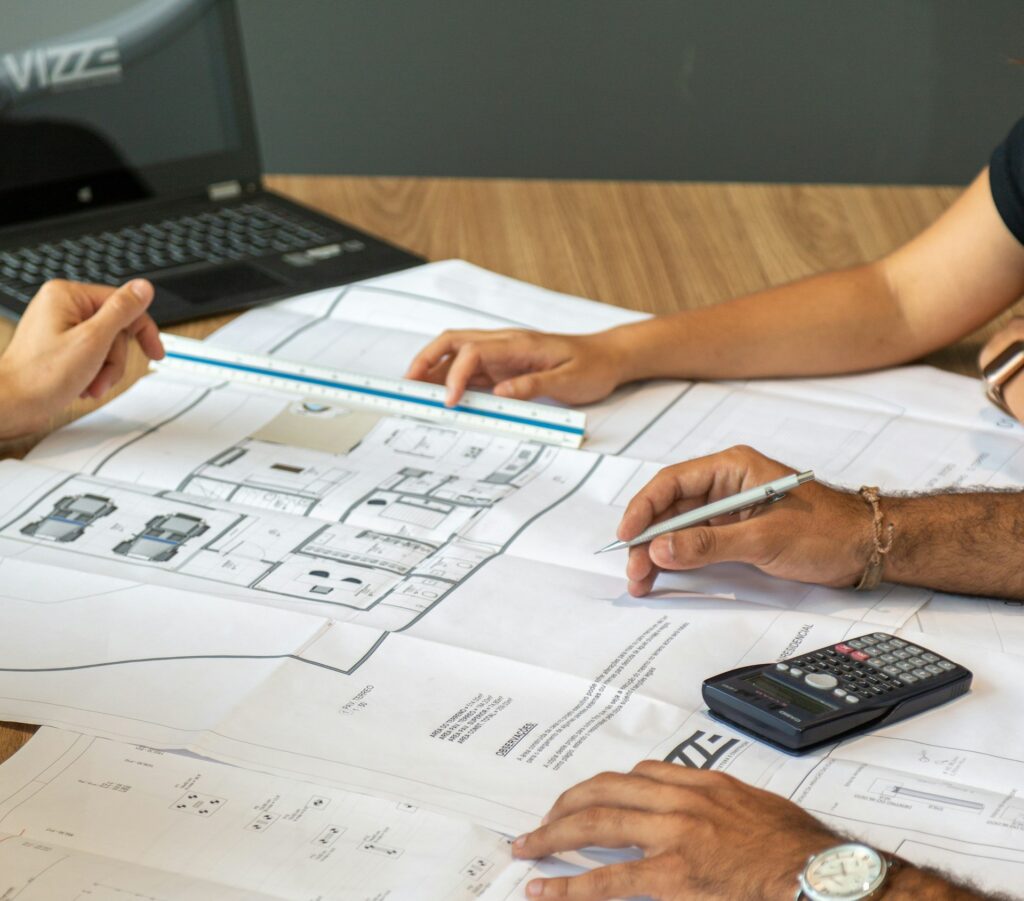
The right documentation systems form the backbone of successful construction coordination. We coordinate multiple project management tools and record-keeping protocols to ensure every decision, change, and approval is captured accurately. This organized approach to information management prevents costly miscommunications and creates a clear project history that protects both our team and property owners.
When documentation systems work properly, they eliminate the guesswork that often derails project timelines. Every phone call is summarized in writing, each change order is properly logged, and every approval is time-stamped in our records. This level of systematic record-keeping transforms how projects flow from week to week.
Essential Documentation for Construction Projects
Complete project documentation begins with capturing everything from day one. We document the full scope of work, including all material selections, cost breakdowns, and payment schedules. Every change order is recorded with detailed explanations of the modification, cost impact, and schedule adjustments. After every phone call or site meeting, we send email summaries that confirm what was discussed and what decisions were made.
Written confirmation is our standard operating procedure. No verbal decision stands without a follow-up email that documents the choice and its implications. This practice creates an approval trail that serves both parties throughout the construction process. When questions arise months later about why a particular approach was chosen, the email recap provides immediate answers.
Centralized File Management
We organize project files with a dual approach that maximizes accessibility and legal protection. Email serves as our time-stamped decision archive, creating a permanent record of when choices were made and by whom. Every important communication is captured in email format, establishing clear timelines for approvals and changes.
For drawings, photos, and larger documents, we maintain shared drives or project management apps organized by construction phase. The demolition folder contains all related permits, photos, and specifications. The plumbing phase gets its own section with fixture schedules, rough-in drawings, and inspection records. This systematic approach to file naming conventions means any team member can locate specific information within minutes rather than hours.
Project management apps integrate with our workflow, allowing real-time updates that all stakeholders can access. We upload progress photos weekly, attach updated drawings when changes occur, and maintain a central repository where property owners can review current project status without multiple phone calls or emails.
Standardized Communication Templates
Consistent update formats keep information focused and scannable for busy property owners. We develop standardized templates for weekly progress reports, change order requests, and milestone updates. Each template follows the same structure, making it easy for recipients to find the information they need quickly.
Our weekly update template includes current progress with photos; upcoming work; any decisions needed from the property owner; budget status, including pending change orders; and schedule updates with milestone tracking. This consistent format trains everyone to expect the same information presented the same way each week. Property owners learn where to look for specific details, and our field teams know exactly what information to gather for the updates.
Decision Log Implementation
We maintain a comprehensive decision log that tracks what changed, why the change was necessary, who approved it, and what impact it has on budget and schedule. This decision log becomes a powerful tool for understanding how the project evolved from initial plans to final construction. Each entry includes a unique identifier, the date of the decision, a detailed description of the choice made, the rationale behind the selection, and expected consequences.
The decision log serves multiple purposes throughout construction. During weekly check-ins, we reference previous decisions to maintain consistency in approach. When new situations arise that mirror earlier choices, the log provides guidance on how similar issues were resolved. For property owners, the decision log demonstrates thoughtful consideration of alternatives and provides transparency in the decision-making process.
Industry research shows that projects with thorough documentation practices are 30% more likely to stay on schedule and within budget. This statistic reflects the real-world impact of systematic record-keeping on construction outcomes. When everyone involved can access the same information and understand how decisions were made, projects flow more smoothly from start to finish.
The investment in proper documentation systems pays dividends throughout construction and beyond. During final inspections, we have complete records of all installed systems and materials. For warranty purposes, the documentation provides clear evidence of what was installed and when. Most importantly, systematic record-keeping creates confidence among all stakeholders that the project is being managed professionally and transparently.
How Should You Handle Problems Between Meetings and at Closeout?
Even with strong communication protocols, issues can arise between scheduled updates and during project closeout. We address problem resolution systematically, maintaining documentation standards and spec compliance throughout the process. A quick response combined with thorough tracking prevents small concerns from escalating into project delays or payment disputes.
Immediate Issue Response and Documentation
When problems surface between meetings, we act quickly while staying factual. A clear problem description includes what happened, where it occurred, and how the actual work differs from the specifications. This precision helps everyone understand the scope and urgency of the correction needed.
Channel selection depends on the issue’s severity and complexity. Urgent safety concerns warrant immediate phone calls to get rapid resolution. Complex changes requiring multiple approvals work better in scheduled meetings where all stakeholders can participate fully. Regardless of the initial communication method, we follow up with written summaries that document the discussion, decisions made, and next steps assigned.
Written follow-ups serve as issue log entries that track problems from identification through resolution. These records protect both property owners and our team by creating a clear trail of communications, decisions, and remedial actions taken.
Solution-Focused Problem Management
Our approach emphasizes solutions rather than blame. We listen to all parties’ perspectives and work collaboratively to establish corrective steps, assign ownership for each action, and set realistic deadlines for completion. This process helps maintain working relationships while addressing legitimate concerns about workmanship or spec compliance.
Every issue is tracked in our decision log alongside the original problem description, proposed solutions considered, the final resolution approach selected, and any budget or schedule impacts. This systematic tracking helps identify patterns and prevents similar issues on future phases or projects.
Final Walkthrough and Punch List Development
The final walkthrough is our comprehensive review against contract requirements and approved plans. We use the original contract documents and drawings as our checklist, systematically verifying that all work meets the agreed specifications and quality standards. Any concerns identified during this process are documented with detailed notes and photographs for reference.
Punch list creation requires agreement among all parties on the items needing completion or correction. We establish clear deadlines for each punch list item and maintain comprehensive tracking throughout the completion process. Payment retainage remains in place until all punch list items receive final approval, ensuring accountability and completion quality.
The punch list process typically involves multiple review cycles as items are addressed and verified. We coordinate closely with property owners during these final stages to ensure their expectations align with completed work before releasing final payments.
Closeout Document Collection and Management
Securing proper closeout documentation prevents future disputes and ensures property owners receive everything needed for ongoing building operations. We collect warranties for all major systems and components, operation and maintenance instructions for installed equipment, and final lien waivers from all subcontractors and suppliers.
Document organization matters during handover. We maintain digital files organized by system and component type, making information easily accessible for future reference. This systematic approach helps property owners locate specific warranties or maintenance procedures years after project completion.
Our closeout documentation process includes verification that all change orders have been properly documented and approved, ensuring no outstanding scope questions remain. This thorough approach protects both parties and provides clear records for any future modifications or maintenance requirements.
Conclusion and Next Steps

Weekly check-ins, defined communication channels, and thorough written records form the backbone of successful large-scale remodels. These systems reduce delays and stress that can derail projects and strain relationships between property owners and construction teams. At EB3 Construction, we know establishing these protocols on day one prevents the confusion that leads to costly overruns and missed deadlines.
Ready to implement these communication practices? Start with six immediate actions: Set a fixed weekly meeting time with your contractor using the agenda structure outlined above. Agree on specific channels for different communication types, establish response times, and designate a single point of contact. Build a detailed scope document with clear milestone markers and timelines. Define your change-order process and budget review cadence upfront. Set up a shared digital folder organized by project phase for all drawings, photos, and approvals. Finally, create an emergency contact protocol for urgent issues that can’t wait for the next scheduled check-in. These habits address the communication breakdowns that account for 32% of project delays and keep your remodel aligned from initial planning through punch list completion.
Need help establishing clear communication protocols for your next project? Contact EB3 to discuss how we structure our project communication and update processes.