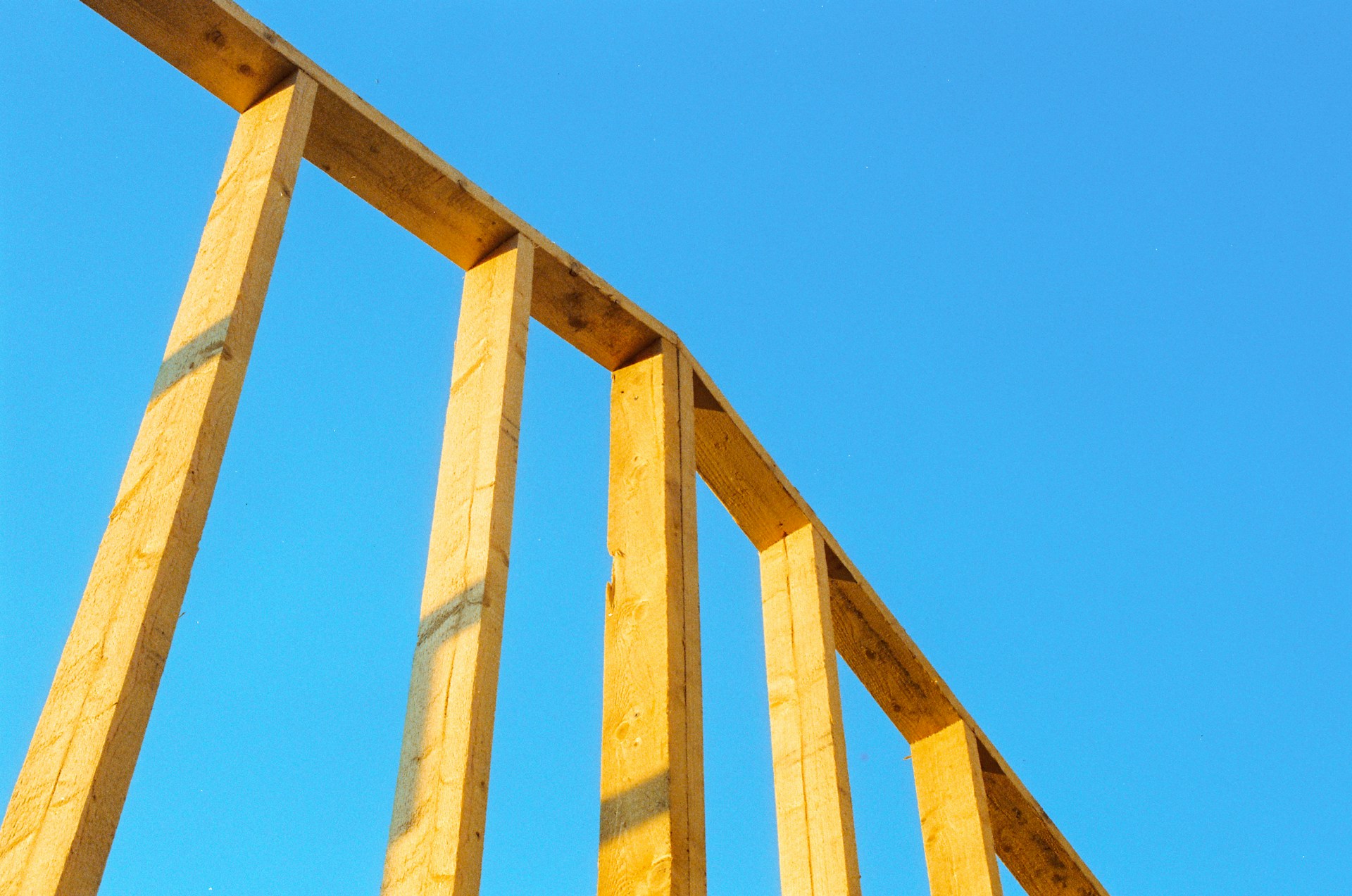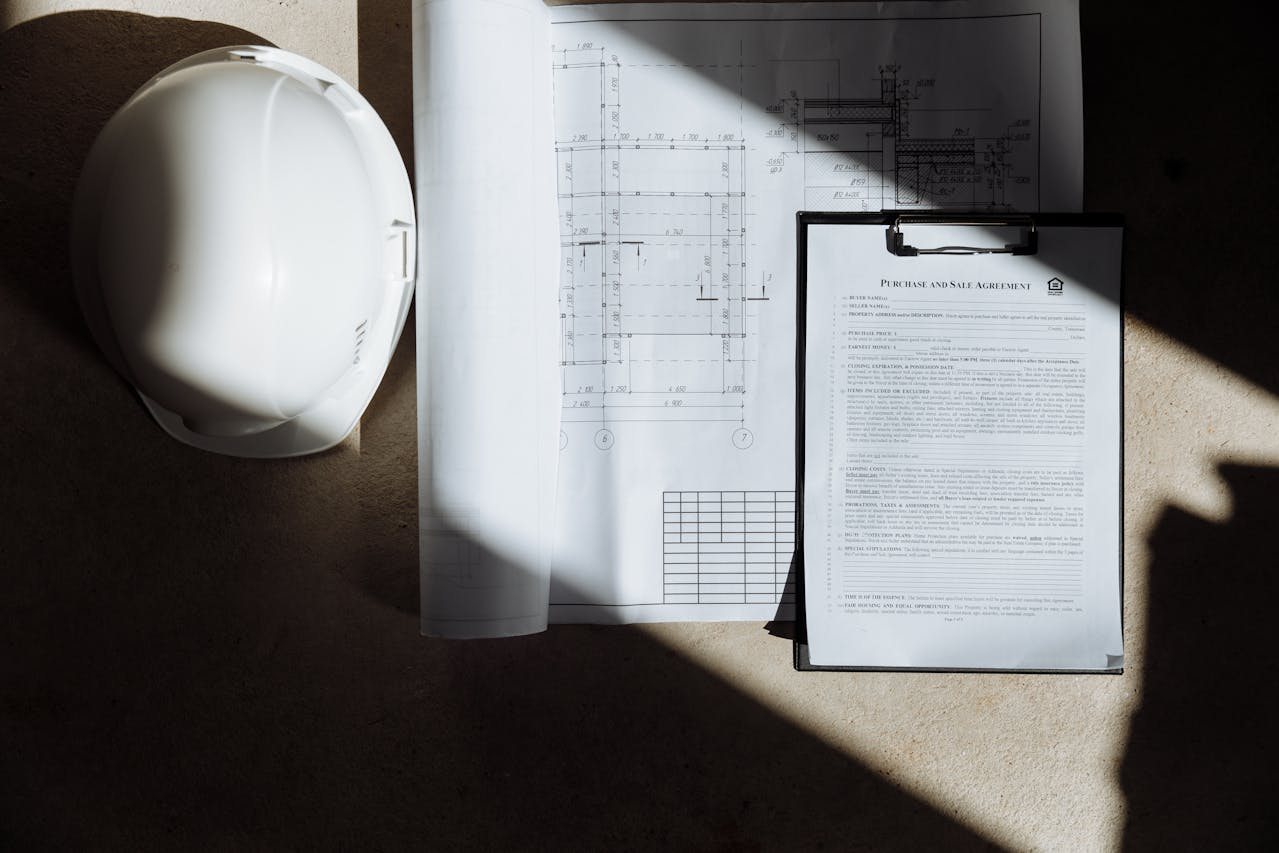

Framing a two-story commercial building spans a wide cost range; and for good reason. Installed costs for commercial wood framing typically run $18–$45 per square foot, while Type V light-frame construction often falls between $11 and $21 per square foot. The final number depends on wood type, design complexity, regional labor productivity, and local code requirements.
This guide explains how to build that estimate—from setting a credible baseline range to refining it with a floor-by-floor material takeoff, current pricing, and ZIP code–level labor data.
What Baseline Ranges And Cost Drivers Should You Set Before The Takeoff?
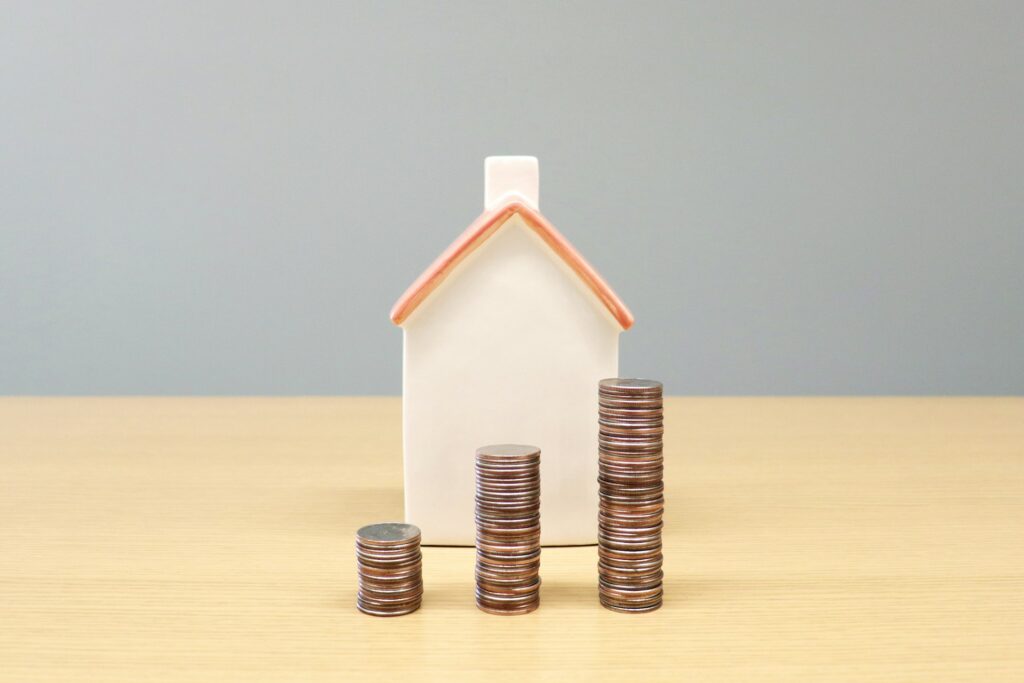
Before a single stud count begins, we anchor every commercial wood framing estimate to two installed cost ranges. Standard commercial wood framing runs $18 to $45 per square foot, while commercial light-frame Type V construction typically falls between $11 and $21 per square foot. These figures represent combined materials and labor, delivered in place, and serve as guardrails to keep early budget conversations grounded.
The spread within each range is wide by design. A simple two-story Type V office shell in a Midwest market will be priced very differently from a mixed-use building with varied floor heights on the West Coast. Knowing where your project sits within that spread requires layering in the drivers that move the number up or down before any detailed quantity takeoff begins.
Wood Type And Material Selection
Softwood species like SPF and Douglas fir remain the most cost-effective choice for standard commercial wall and floor framing. They cover the majority of two-story commercial scopes without pushing material costs beyond the lower half of the range.
Engineered products such as laminated veneer lumber (LVL) and glue-laminated timber (glulam) carry a meaningful premium over dimensional lumber. LVL is currently priced at around $4.20 to $6.80 per linear foot, compared to $0.58 to $0.78 per linear foot for standard 2x stock. We specify these members when spans or load conditions demand them, but their presence in the framing plan pushes the overall per-square-foot figure upward—sometimes by 15 to 30 percent on the material line alone.
Architectural Complexity
Rectangular floor plates with consistent ceiling heights represent the lowest-cost framing scenario. Costs climb steadily as design complexity increases. Curved walls, irregular geometry, and varied floor-to-floor heights all require additional cutting, custom connections, and tighter crew coordination.
Projects with significant architectural complexity can add 30 to 60 percent to baseline framing costs compared to a straightforward box layout. We factor this premium into the initial target range before takeoff rather than discovering it mid-estimate, because underestimating complexity is a common source of framing budget overruns on commercial projects.
Labor Rates And Market Conditions
Labor markets drive more cost variation than most developers anticipate. Journeyman framing carpenters earn $34 to $55 per hour in most U.S. markets, but that range stretches to $65 to $95 per hour all-in within union markets like Chicago, New York City, and the Bay Area. Union versus nonunion status alone can shift labor costs by 15 to 25 percent on a given project.
Overtime requirements and accelerated schedules compound costs further. When a project timeline compresses the framing sequence, crew hours increase and hourly rates often rise with them. We include these conditions in the baseline labor assumption rather than treating them as contingencies, because schedule pressure on two-story commercial work is common rather than exceptional.
Location Impacts And Code-Driven Requirements
Geographic location affects framing costs through three channels: labor rates, material freight, and code intensity. Urban markets carry higher wages and tighter site logistics. Projects located far from major lumber-producing regions face elevated shipping costs, particularly for large engineered members.
Code requirements tied to local hazard zones add a distinct layer of cost that ZIP code pricing must capture. High-wind regions require hurricane ties and additional shear connections. Seismic zones mandate hold-downs, seismic connectors, and closer stud spacing, which increase both material quantities and inspection scope. High-snow-load areas in mountain states or the upper Midwest add structural members and bracing that a standard framing plan does not include. We identify these requirements at the baseline stage so the initial per-square-foot target already reflects the full structural scope the project demands.
How Do You Calculate Materials For A Two-Story Commercial Frame?
A two-story commercial framing takeoff follows the same logic on each floor, but the quantities stack. We work through every structural category in sequence, floor by floor, so nothing gets missed between the ground level and the level above.
Wall Framing: Studs and Plates
Start by summing the exterior perimeter and all interior partitions for each story separately. At 16-inch on-center spacing, use about 0.75 studs per linear foot of wall as a baseline. From there, add extra studs for every 90-degree corner, each T-intersection, and every opening package that includes king studs, jack studs, and cripple studs.
After reaching a raw stud count, add 15% to cover corners, intersections, and material waste. Lumber shipments consistently include some rejected pieces, and building in that buffer prevents mid-frame delays when a board fails a straightness check on-site.
Plates follow a straightforward rule: one bottom plate plus a double top plate equals three plates per wall run. Multiply the total wall length by three to get linear footage for plates, then add 5% to 10% for waste and cuts. Repeat this calculation for both floors before moving on.
Headers, Floor Systems, and Roof Framing
Every door and window opening on both stories requires a header sized to the span. Standard door openings typically use double 2-by members, while wider spans require laminated veneer lumber or engineered beams. Current market pricing for LVL runs approximately $4.20 to $6.80 per linear foot—a meaningful jump from dimensional 2-by lumber at roughly $0.58 to $0.78 per linear foot—so header counts can affect the material budget more than many estimators expect.
For the floor system between stories, price joists or I-joists per square foot of floor area. Engineered I-joists carry a higher unit cost than dimensional lumber, but they span farther without intermediate supports, which reduces the number of bearing points and simplifies the framing layout below. When clear spans are important to the interior program, that tradeoff often justifies the premium.
Roof framing completes the structural shell. Prefabricated trusses deliver more structural efficiency per square foot than complex stick-framing on most commercial layouts. Truss pricing varies by span and pitch, but the reduction in field labor and cutting time typically offsets the fabrication cost on two-story commercial work.
Sheathing and Hardware
Calculate wall sheathing by multiplying the total wall length by wall height for each story, then subtracting the area of all openings. Divide the net area by 32 square feet per 4-by-8 sheet and round up to whole sheets. For 7/16-inch OSB, current pricing generally falls between $24 and $38 per sheet, depending on market and availability. Floor and roof sheathing follow the same area-divided-by-sheet-size logic.
Hardware rounds out the takeoff and carries significant cost. Joist hangers, hurricane ties, hold-downs, anchor bolts, and straps all appear in the structural drawings and must be counted individually. Fire blocking at each floor level is a code requirement on two-story commercial construction, and it adds linear footage that is easy to overlook in early quantity estimates.
Once every category is tallied across both stories, sum the full material list and apply a waste allowance. A 10% to 15% buffer on framing lumber is standard practice. That combined total serves as the material input for the installed cost calculation covered in the next section.
How Do You Estimate Labor Per Square Foot For A Two-Story Build?
Starting With Crew Productivity
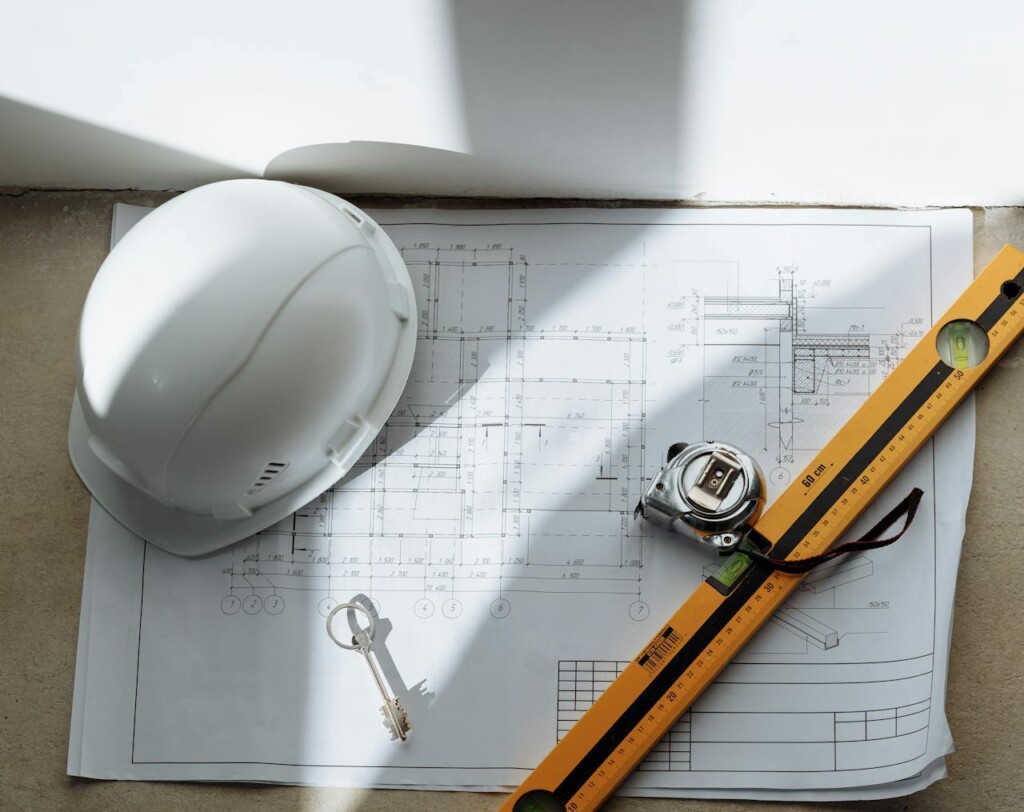
Labor estimation begins with a realistic productivity baseline. A professional framing crew typically installs 400 to 500 square feet per framer per day under standard conditions. That figure is the anchor point before applying any project-specific adjustments.
Two-story commercial builds rarely qualify as standard. Irregular geometry, varied ceiling heights, and tight floor-to-floor tolerances all reduce daily output. Irregular floor plans with multiple wall intersections can push labor hours 40 to 80 percent higher than a straightforward rectangular layout. That increase has a direct, compounding effect on the per-square-foot labor cost.
Converting Productivity Into Dollars Per Square Foot
Once productivity is established, apply local journeyman wage rates to generate a dollar-per-square-foot labor figure. Framing labor for commercial wood-frame work generally falls between $1.85 and $4.50 per square foot, depending on region and project difficulty. That spread is wide because wage markets vary sharply across the country.
Journeyman framing carpenters in the Southeast and Midwest typically earn $34 to $52 per hour, while urban union markets in cities like Chicago, New York, and San Francisco push all-in rates to $65 to $95 per hour with benefits. On a two-story commercial project, the difference between a non-union crew in Georgia and a union crew in the Bay Area can represent hundreds of thousands of dollars in labor costs alone. Overtime exposure widens that gap further if the schedule is compressed.
Applying The Installed Cost Formula
We structure every framing estimate around a single core formula: Framing Cost = Materials + Labor + Equipment + Waste + Overhead. Each variable carries real weight, and none of them can be estimated in isolation. Labor is not just crew hours; it includes supervision, foreman time, typically 15 to 25 percent above journeyman rates, and any equipment allowance for lifts or cranes required to set members at the second-floor level.
On two-story commercial work, crane or boom lift time is a genuine line item, not an afterthought. Lifting engineered beams, setting floor systems, and staging materials at elevation all require equipment that adds cost and time to the schedule. Those hours belong in the labor and equipment columns before the estimate is finalized.
Accounting For Inspection-Driven Labor
Inspection scope adds labor that does not always appear in a basic productivity calculation. Shear nailing patterns, hold-down installations, seismic connectors, and fire blocking at each floor level require precise, verifiable work that slows crew pace and demands reinspection if missed. We build these requirements into the labor estimate explicitly rather than absorbing them into a general contingency.
Code-driven hardware installation, particularly in high-wind or seismic zones, can represent a meaningful share of total framing labor hours. Treating it as a separate line item prevents it from being underestimated and keeps the inspection scope visible to everyone reviewing the budget.
Calculating The Final Per-Square-Foot Figure
After assembling the full installed framing cost, calculate the per-square-foot figure by dividing the total by the combined floor area of both stories. A 10,000-square-foot building with 5,000 square feet per floor uses 10,000 as the denominator, not 5,000. Dividing by a single floor area is a common error that inflates the apparent cost per square foot and distorts budget comparisons across projects.
That final number—total installed framing cost divided by the total building floor area—is the figure used for benchmarking, bid evaluation, and owner reporting. It should reflect every labor component: crew hours, foreman time, equipment allowance, inspection-driven work, and applicable overhead.
Which Design Choices And Workflows Reduce Risk And Keep Per-Square-Foot Costs In Check?
Prefabrication And Shop Fabrication
Ordering prefabricated trusses and wall panels from a shop fabricator removes much of the field cutting from the schedule. Components arrive cut to dimension, reducing lumber waste and avoiding the weather exposure that slows stick-built framing. When site hours shrink, so does the labor line on your per-square-foot estimate.
Shop fabrication also tightens quality control. Factory-produced panels are assembled under consistent conditions, which yields fewer rejected members and straighter assemblies than field crews can reliably achieve under time pressure. Plan for a 5–12 percent lumber rejection rate regardless, though prefabricated components typically fall at the lower end of that range.
BIM Coordination And Digital Models
Running a digital model prior to mobilization catches clashes among framing members, mechanical rough-ins, and shear panels—well before anyone picks up a saw. Industry research shows that coordinated models reduce rework, helping control schedule risk and per-square-foot costs.
Conclusion And Next Steps
A defensible framing budget for a two-story commercial building follows a straightforward sequence. Start with the installed cost range for your building type, perform a floor-by-floor material takeoff, apply regional labor rates, then divide the total installed cost by the combined floor area. Every line item—from studs and plates to sheathing and hold-downs—requires a current quote, not a number pulled from an outdated estimate.
Regional labor rates and material availability are the variables most likely to shift your per-square-foot figure after the initial calculation. A ZIP code analysis grounds the estimate in what crews actually charge in your market and what suppliers can deliver on your timeline. Before finalizing any budget, confirm current pricing with local suppliers and verify that your labor assumptions reflect prevailing wage conditions, union status, and any overtime requirements for the project schedule.
At EB3 Construction, we work through this process on every two-story commercial framing project we manage, from the initial baseline range through the final installed cost per square foot. If you are ready to develop a framing budget grounded in current market data, contact us to get started.