When construction projects stall due to coordination failures, owners often wonder who should oversee the complex orchestration of trades, schedules, and resources. A general contractor is a construction professional hired by a client, often on the advice of an architect or engineer.
The role centers on coordinating the entire build through day-to-day site oversight, managing vendors and trades, and keeping all parties informed. General contractors supply materials, labor, equipment, and services needed for construction, and they typically hire specialized subcontractors to perform specific scopes of work. They also help ensure work complies with codes and safety practices and stays on schedule and budget. This article explores what general contractors do on projects, how they are selected and paid, licensing requirements, role comparisons, and guidance for engaging them effectively.
What Does A General Contractor Do On A Project?

General contractors manage comprehensive project execution across distinct phases that require both strategic oversight and operational excellence. We coordinate multiple moving parts while maintaining accountability for the entire construction process.
Resource Provision and Site Preparation
We supply the essential materials, labor, tools, and equipment needed for construction. This involves procurement coordination, inventory management, and ensuring resources arrive on schedule. Site security becomes our immediate responsibility once we take control of the site.
Installing temporary utilities falls under our purview, including power connections, water access, and communication systems needed during construction. We establish temporary offices, storage areas, and staging zones that support an efficient workflow. Site surveying and engineering coordination ensure accurate positioning and grade work before trades begin their specialized tasks.
Subcontractor Hiring and Management
We evaluate, select, and contract with specialized trade professionals based on qualifications, experience, and project requirements. Each subcontractor relationship involves detailed contracts that define scope, timeline, payment terms, and quality standards. Our role extends to verifying their licensing, insurance coverage, and safety compliance.
Daily coordination is critical as multiple trades work simultaneously. We schedule trade sequences, resolve conflicts between different crews, and ensure each subcontractor understands their role within the larger project timeline. Regular progress meetings keep all parties aligned on expectations and deliverables.
Regulatory Compliance and Permits
We handle building permit applications, working with local authorities to secure necessary approvals before construction begins. Code compliance monitoring continues throughout the project as we ensure all work meets current building standards, and we stay aligned with state regulations. Inspection scheduling and coordination with municipal officials are part of our regular workflow.
Our advisory role to property owners includes explaining regulatory requirements, potential code changes, and their impact on project scope. We translate complex building codes, including energy codes, into actionable guidance that keeps projects compliant and moving forward.
Quality Control and Safety Management
We conduct frequent inspections of all work performed, maintaining quality standards across every trade and phase. Our quality control process includes material verification, workmanship assessment, and adherence to project specifications. Any deficiencies are addressed immediately through direct communication with the responsible subcontractor.
Enforcing safety practices protects workers and limits liability exposure. We implement safety protocols, conduct regular site inspections, and ensure proper equipment usage across all trades. Construction waste disposal and recycling coordination maintain clean, safe working conditions while meeting environmental requirements.
Project Coordination and Communication
Daily activity coordination ensures trades work efficiently without conflicts or delays. We track progress against schedules, identify potential bottlenecks, and adjust workflows to maintain momentum. Change orders are managed through formal processes that document scope modifications, cost impacts, and schedule adjustments.
We maintain regular communication with owners, architects, engineers, and all trade professionals. Cash flow monitoring and accurate recordkeeping support both project management and financial accountability. Progress reports keep stakeholders informed, while detailed documentation protects all parties throughout the construction process.
How Are General Contractors Selected And Paid?
Owner selection of general contractors follows established procurement steps that typically begin with project documents. Property owners or their representatives prepare bid documents outlining the scope of work, technical specifications, and delivery requirements. These documents give us a clear basis for what we must deliver and how to price our services accurately.
For renovation projects, we often conduct site visits to assess existing conditions and identify potential challenges that may not be apparent from drawings alone. This firsthand evaluation helps us provide more precise pricing and identify scope items that may affect the construction timeline or budget.
Contract Types and Bidding Models
The bidding process varies based on the chosen delivery method and contract structure. We typically submit proposals using one of several pricing models, each suited to different project circumstances and risk profiles.
Lump sum contracts represent a straightforward approach, where we provide a fixed price for the entire scope of work. Under this model, we assume responsibility for cost overruns while retaining any savings from efficient execution. Property owners benefit from budget certainty, though we must carefully analyze all project elements to avoid underpricing. Our lump sum bids incorporate thorough cost analysis, including materials, labor, equipment, overhead, and general conditions.
Cost-plus contracts offer an alternative structure where owners reimburse us for actual project costs plus an agreed-upon fee or percentage for our services. This model provides transparency into project expenses and works well for complex projects with uncertain scope elements. We maintain detailed records of all costs and regularly report expenditures to owners. While this approach reduces our financial risk, it requires disciplined cost management and clear communication with the owner’s team.
Some projects involve hybrid approaches, such as guaranteed maximum price (GMP) arrangements that combine cost transparency with budget certainty. Under these contracts, we provide cost-plus pricing up to a predetermined ceiling, absorbing any overruns while potentially sharing savings with the owner.
The Bidding Process
Our proposal development follows a systematic approach that begins when we receive a request for proposal (RFP). We review all project drawings, specifications, and contract documents to understand the full scope requirements. This analysis includes identifying potential challenges, clarifying any ambiguous details, and determining the most efficient construction approach.
We solicit quotes from qualified subcontractors for specialized trades, analyzing these submissions for completeness, competitiveness, and alignment with project requirements. Our estimating team calculates material quantities, labor hours, and equipment needs while factoring in site conditions, schedule constraints, and quality standards.
General conditions and overhead costs receive careful attention during our pricing process. General conditions include temporary facilities, site supervision, safety programs, and project management services. We add these costs to direct construction expenses, along with our markup for business overhead and profit.
The formal bidding process typically progresses through five distinct stages: solicitation, submission, selection, contract formation, and project delivery. During solicitation, owners distribute project documents and establish submission requirements. We prepare and submit our proposals according to the specified format and deadline. Owners then evaluate submissions based on price, qualifications, schedule, and other criteria before selecting their preferred contractor.
Following selection but before final contract execution, the chosen firm may be designated as the preferred contractor. This status indicates owner intent to award the project while allowing time for final contract negotiations and documentation. We use this period to refine project details, confirm subcontractor commitments, and align expectations with the owner’s team.
What Licenses And Qualifications Are Typical?
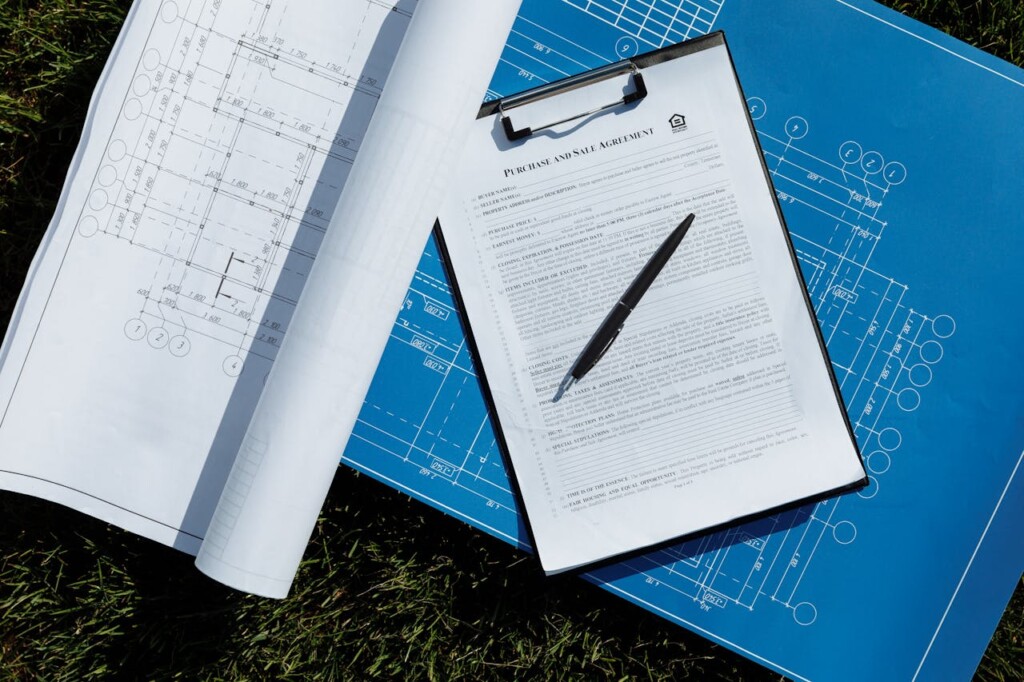
General contractor licensing requirements vary significantly across jurisdictions. The United States operates without a federal licensing system, leaving each state to establish its own standards. Most states require general contractors to obtain a state-issued license and a surety bond, though the specific requirements can differ dramatically from one location to another.
Some states take a different approach. Colorado, for instance, handles contractor licensing at the municipal level, with no statewide requirements. Similarly, Kansas and Missouri rely primarily on local jurisdictions to regulate general contractors, while others maintain comprehensive statewide licensing programs.
Educational Pathways
We see contractors entering the field through several educational routes. Formal construction science degrees provide a solid foundation in project management, construction methods, and business operations. Building science programs focus on structural systems, materials science, and energy efficiency. Surveying programs teach precise measurement and site analysis skills that prove valuable during project layout and coordination.
Construction safety education has become increasingly important as we manage complex job sites. Many contractors pursue degrees or certifications in occupational safety, particularly as OSHA regulations continue to evolve. These programs cover hazard identification, safety planning, and regulatory compliance, which directly impact our daily operations.
Trade Experience and Skills Development
Most general contractors we work with start by learning specific trades. Masonry experience provides an understanding of foundation work and structural elements. Carpentry and framing knowledge helps when coordinating rough construction and finish work. Plumbing experience proves valuable for managing mechanical systems integration and troubleshooting field issues.
Building management skills often develop through hands-on work with subcontractors. We learn to coordinate multiple trades, manage schedules, and solve conflicts between different scopes of work. This experience teaches the practical aspects of construction that formal education cannot fully capture.
Business Requirements and Financial Qualifications
Operating a general contracting firm requires more than technical skills. Most licensing boards require proof of business experience, including references from previous clients or employers. These references demonstrate our ability to complete projects on time and within budget.
Financial requirements typically include proof of adequate capital to fund operations and complete contracted work. Some states require surety bonds ranging from a few thousand dollars to hundreds of thousands, depending on the scope of work we plan to undertake. Net worth statements, bank references, and sometimes audited financial statements may be required to demonstrate financial stability.
Many states also require continuing education to maintain licenses. We stay current with building codes, safety regulations, and new construction methods through required coursework. This ongoing education ensures our knowledge remains relevant as construction technology and regulations evolve.
How Does A General Contractor Compare To Other Roles?
Understanding the distinctions between general contractors and related construction professionals helps owners make informed decisions about project delivery. While these roles often work together on complex projects, they serve different functions with varying levels of responsibility and financial exposure.
General Contractor vs. Construction Manager
General contractors and construction managers differ in timing, scope, and risk allocation. A general contractor manages construction execution, directly hires and coordinates subcontractors, and maintains responsibility for day-to-day site work. When we engage as general contractors, we assume financial risk under fixed-price contracts and take ownership of construction outcomes.
A construction manager operates differently, typically engaging during the planning phase to advise the owner on scheduling, budget control, and procurement strategies. Construction managers focus on coordination and oversight without taking on the same level of financial risk. In a construction manager at risk (CMAR) model, some risk shifts to the construction manager; in an agency CM arrangement, the owner retains it. They charge fees for advisory services while the owner maintains direct relationships with trade contractors. This model provides owners with expert guidance while keeping them more involved in key decisions.
The risk profiles differ between these approaches. General contractors absorb cost overruns and schedule delays under lump-sum contracts, providing owners with predictable costs while transferring construction risk. Construction managers help owners manage risks through planning and coordination, while the owner retains financial responsibility for project outcomes.
General Contractor vs. Trade Contractor
Trade contractors execute specific scopes within the larger construction effort. Electrical contractors handle power systems and lighting, plumbing contractors manage water and waste systems, HVAC contractors install climate control systems, and concrete contractors pour foundations and structural elements. Each brings specialized expertise to their particular trade.
We coordinate these trade contractors to meet schedule, budget, safety, and quality targets across the entire project. While a trade contractor focuses on their specific work, we ensure all trades integrate properly and progress according to the construction sequence. This includes managing interfaces between different systems, resolving conflicts when trades overlap, and maintaining quality standards that span multiple specialties.
The relationship operates hierarchically, with trade contractors working under our direction and coordination. We handle procurement decisions that affect multiple trades, manage the construction schedule to optimize workflow between specialties, and ensure safety protocols are followed consistently across all on-site activities. This structure allows specialized contractors to focus on their expertise while we maintain oversight of the complete construction effort.
Conclusion and Next Steps

A general contractor serves as the central coordinator for construction projects, orchestrating the complex interplay of trades, materials, and schedules that bring buildings to life. From securing permits and managing subcontractors to ensuring code compliance and quality control, these professionals handle the multifaceted demands of project delivery. We understand that successful construction hinges on clear communication among owners, architects, engineers, and the entire construction team.
For property owners and developers planning projects with multiple trades and demanding timelines, early engagement with a general contractor offers significant advantages. Bringing us into the conversation during the design phase enables more accurate budgeting, constructability reviews, and schedule optimization. This collaborative approach helps identify potential challenges before they become costly problems and keeps contract terms, roles, and responsibilities aligned with project goals. When owners engage early, we can leverage our subcontractor relationships and market knowledge to deliver better outcomes within realistic budgets and schedules.
Connect with EB3 Construction to discuss how early contractor involvement can strengthen your next project.