
Nearly 70% of construction projects face delays or budget overruns due to unclear communication and poorly defined processes. Working with a reputable general contractor helps prevent these issues.
The construction process we follow includes six distinct phases to keep your project organized and transparent. Each phase builds on the previous one, ensuring nothing falls through the cracks between your initial vision and move-in day.
What Happens At The First Meeting And On-Site Visit?

The initial on-site meeting typically runs 60 to 90 minutes and serves as a mutual evaluation. We assess your project scope while you gauge whether our approach aligns with your vision. This meeting combines a practical site inspection with detailed project discussions to establish a foundation for moving forward.
What We Cover During the Visit
We start by walking through your space while discussing your goals and timeline. Your preferred start date helps us coordinate scheduling with our current workload. We explore your must-haves versus nice-to-haves, allowing us to prioritize elements that matter most to your daily life and features that would be convenient additions.
Budget discussions happen early to set realistic expectations. We also review any building rules or alteration agreements if you live in a condo or co-op, since these restrictions can affect the timeline, working hours, and material delivery procedures. Understanding these constraints upfront prevents surprises during construction planning.
What to Bring and Prepare
Come prepared with inspiration photos, sketches, or existing plans that capture your vision. These materials help us understand your aesthetic preferences and functional requirements beyond what words can convey. Pinterest boards, magazine clippings, or photos from your phone all provide valuable insight.
Clarify the division of labor beforehand. If you plan to source materials yourself, specify which items you’ll handle versus what you expect us to procure. This affects both our estimate and project coordination, so transparency here prevents confusion later.
Key Questions to Ask
Ask how often we’ll be on-site and who manages day-to-day work when we’re coordinating multiple projects. Understanding our communication cadence helps set expectations for updates and decision points. We recommend discussing preferred communication methods for different types of updates.
Inquire about emergency protocols for situations like plumbing failures or electrical issues. Knowing how we handle urgent problems provides peace of mind during construction. Also ask when to expect your estimate, as the timeline varies based on project complexity and our current workload.
After the Site Visit
Once you receive estimates from multiple contractors, comparing them requires careful bid leveling. Estimates vary in format, terminology, and underlying assumptions. We encourage a thorough comparison to ensure you understand what each proposal includes and excludes before making your decision.
How Do Design, Planning, And Pricing Come Together?
Once we establish the working relationship, collaboration with your architect becomes the foundation for translating your vision into buildable plans. We coordinate closely with architects to develop schematic drawings that capture your goals while considering constructability and local code requirements. This collaborative process typically spans 4–8 weeks, depending on project complexity and the number of revision cycles needed to align the design with your expectations.
The design review process involves multiple iterations where we examine architectural plans for both aesthetic appeal and practical execution. We evaluate structural requirements, mechanical systems integration, and material specifications during each review cycle. Our input during design development helps identify potential construction challenges early, preventing costly field changes that can derail budgets and schedules later in the project.
Drawing revisions continue until the plans accurately reflect your priorities and our constructability assessment. We verify that proposed materials are available within your timeline and that specified finishes align with your budget parameters. This thorough vetting process ensures that approved drawings serve as reliable roadmaps for both pricing and construction execution.
With approved architectural plans in hand, we distribute complete drawing sets to our network of vetted subcontractors and material suppliers for detailed pricing. Each trade contractor reviews their specific scope, evaluates labor requirements, and provides line-item estimates for their portion of the work. We simultaneously request material quotes from multiple suppliers to ensure competitive pricing and verify availability for key building components.
Our subcontractor pricing process includes detailed scope reviews where we clarify exactly what each trade will include and exclude in their proposals. This prevents the gaps and overlaps that often surface during construction when responsibilities between trades remain undefined. We also verify that subcontractor estimates include all necessary permits, cleanup, and coordination activities within their respective scopes.
The budget review phase consolidates all pricing information into comprehensive project costs that include construction, soft costs, and appropriate contingencies. We present detailed cost breakdowns that show exactly where your investment goes, from foundation work through final finishes. This transparency supports informed decisions about potential value engineering opportunities or upgrade options that fit within your overall budget.
Some projects require financing preapproval before we can finalize contracts and begin construction. We coordinate with your lender to provide necessary project documentation, including detailed cost estimates, construction schedules, and contractor credentials. Our experience with construction financing helps streamline the approval process and ensures that loan terms align with actual project requirements and timeline expectations.
For new construction projects requiring lot acquisition, we verify site readiness alongside design development activities. Site evaluation includes confirming utility availability, reviewing soil conditions, and validating zoning compliance for your intended use. We also coordinate any necessary site preparation work, from clearing and grading to utility connections, ensuring the property is construction-ready when permits are approved.
What’s Included In Contracting, Permits, And Pre-Construction?
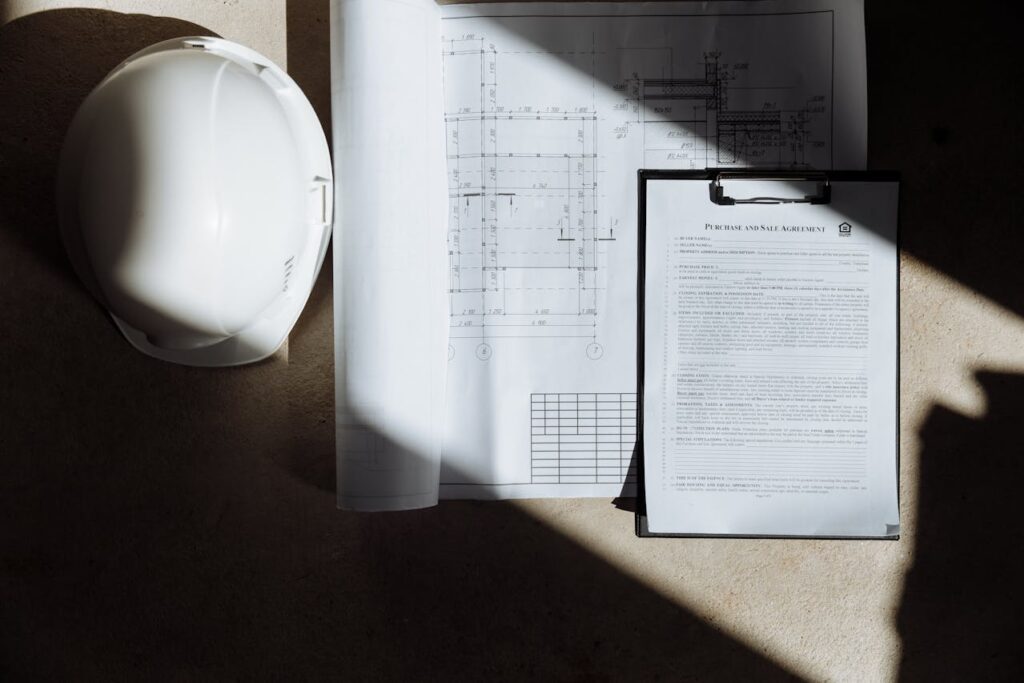
Contract execution marks the formal transition from planning to construction. We finalize terms that protect both you and us while establishing clear responsibilities for everyone involved. The deposit structure typically follows industry standards, with payments tied to specific milestones rather than large upfront costs.
Document review covers scope definition, change order procedures, and warranty terms. We ensure contract language reflects the agreed-upon specifications, timeline, and budget from earlier phases. This step prevents misunderstandings that could arise during construction and establishes the legal framework for successful project completion.
Permit Management and Code Compliance
Permit acquisition requires working with local building departments and meeting regulatory requirements specific to your jurisdiction. We handle the submission process, coordinate with building officials, and track approval timelines to prevent delays. Each permit type serves a specific purpose in ensuring your project meets safety and structural standards.
Building permits cover structural work, while electrical, plumbing, and mechanical permits address system installations. Code compliance verification happens at multiple checkpoints throughout the approval process. We coordinate with engineers and architects to address any plan review comments promptly.
Zoning compliance checks confirm your project aligns with local land-use regulations. Historic district approvals, environmental reviews, or special use permits may apply depending on your location and project type. We identify these requirements early to build appropriate timelines into the schedule.
Pre-Construction Planning and Coordination
Procurement planning begins once permits are submitted and we’re confident in approval. We coordinate material orders with lead times, ensuring long-lead items arrive when needed without excessive storage costs. This timing requires a careful balance between availability and cash flow management.
Subcontractor scheduling aligns with the construction sequence and material deliveries. We confirm availability with our vetted trade partners and establish start dates that support the overall timeline. Each trade’s work must align with others while maintaining quality standards and safety protocols.
Schedule coordination maps inspection requirements against construction milestones. Building inspectors must review work at specific stages before trades can proceed to the next phase. We build these inspection points into the timeline and coordinate with the authority having jurisdiction to minimize delays.
Site preparation logistics include utility connections, temporary power setup, and material staging areas. We verify access routes for deliveries and ensure the site is ready for safe, efficient construction operations when work begins.
What Should You Expect During Construction And Milestone Walkthroughs?
Construction begins with us taking full responsibility for trade coordination and communication. We manage all subcontractors, from foundation crews to finish carpenters, ensuring work progresses in the proper sequence. Our role centers on maintaining the schedule while keeping you informed of progress, without overwhelming you with daily operational details.
Design selections follow a structured timeline tied to construction phases. Exterior materials and colors need confirmation before siding installation begins. Cabinet specifications must be locked in before rough plumbing and electrical work, because they affect outlet placement and water line positioning. Fixture selections for bathrooms and kitchens require approval before tile installation, and finish selections must be completed before final electrical connections.
We coordinate these decision points to prevent delays while giving you adequate time to choose materials that match your vision. Late selections often mean schedule adjustments or change orders that impact both the timeline and budget. Our goal is to keep decisions ahead of installation schedules, so work flows smoothly from one phase to the next.
The Electrical Walkthrough After Framing
Once framing passes inspection and before insulation is installed, we schedule an electrical walkthrough with you on-site. This critical checkpoint confirms outlet and switch locations, lighting placement, and any special electrical needs before walls are closed. During this walkthrough, we verify that outlet positions work with your furniture plans and that switch locations make practical sense for room layouts.
The timing of this walkthrough is non-negotiable. Electrical rough-in happens immediately after framing, and changes become exponentially more expensive once insulation and drywall work begins. We walk through each room systematically, marking any adjustments needed for outlets and switches, confirming ceiling fixture locations, and verifying that electrical panels and service locations meet your operational needs.
This walkthrough also covers any smart home features, special circuits for appliances, or additional outlets for work areas. We document all decisions and coordinate with our electrical subcontractor to implement changes before the rough-in inspection. Missing this milestone often means expensive modifications later in the process.
Progress Updates and Communication Cadence
We maintain regular communication through progress updates that align with construction milestones rather than daily task completion. Weekly updates typically include photos of work completed, upcoming phases, and any decisions needed from you in the coming period. This communication cadence keeps you engaged without disrupting site workflow or requiring constant site visits.
Our updates focus on milestone completions such as the foundation pour, framing completion, passed rough-in inspections, and a weathertight enclosure. Each update includes next steps and any owner decisions required to maintain the schedule. We also flag potential delays early, whether from weather, material deliveries, or inspection schedules, allowing time for adjustments before they affect the overall timeline.
Your involvement during construction centers on decision-making and quality verification at key checkpoints rather than daily oversight. We coordinate site visits when your input adds value, such as during the electrical walkthrough or when finish work allows you to see how selections look in the actual space. This approach ensures work matches your expectations while maintaining efficient site operations and safety protocols.
Closeout, Punch List, And The Final Walkthrough

The final walkthrough confirms finishes and functionality throughout the completed space. We systematically check appliances for proper operation, test doors and windows for smooth movement and weathertight seals, verify outlets and lighting circuits function correctly, and confirm heating and cooling systems respond to controls. Smart features like automated lighting, security systems, or home automation require separate testing protocols to ensure the integration works as designed.
Only after punch list items are addressed should you proceed to closing and move-in. We recommend taking your time during this final phase rather than rushing toward completion. A careful walkthrough now prevents issues that become more complicated to resolve after occupancy. Each corrected item brings the project closer to the quality standard you expect and deserve.
Ready to work with a general contractor who manages every phase professionally? Contact EB3 Construction to discuss your project needs.