
Commercial renovation projects face unique cost pressures that standard contracts often fail to address. Unlike ground-up construction, renovations frequently uncover hidden conditions that can derail budgets without warning.
A guaranteed maximum price (GMP) contract sets a cost ceiling while maintaining transparency through open-book accounting. We use this approach when developers need budget certainty, and renovation unknowns require flexibility in the scope of work and change-order processes for successful project delivery.
Which Scope, Drawings, And Allowances Must Be Crystal Clear Before Setting The GMP?
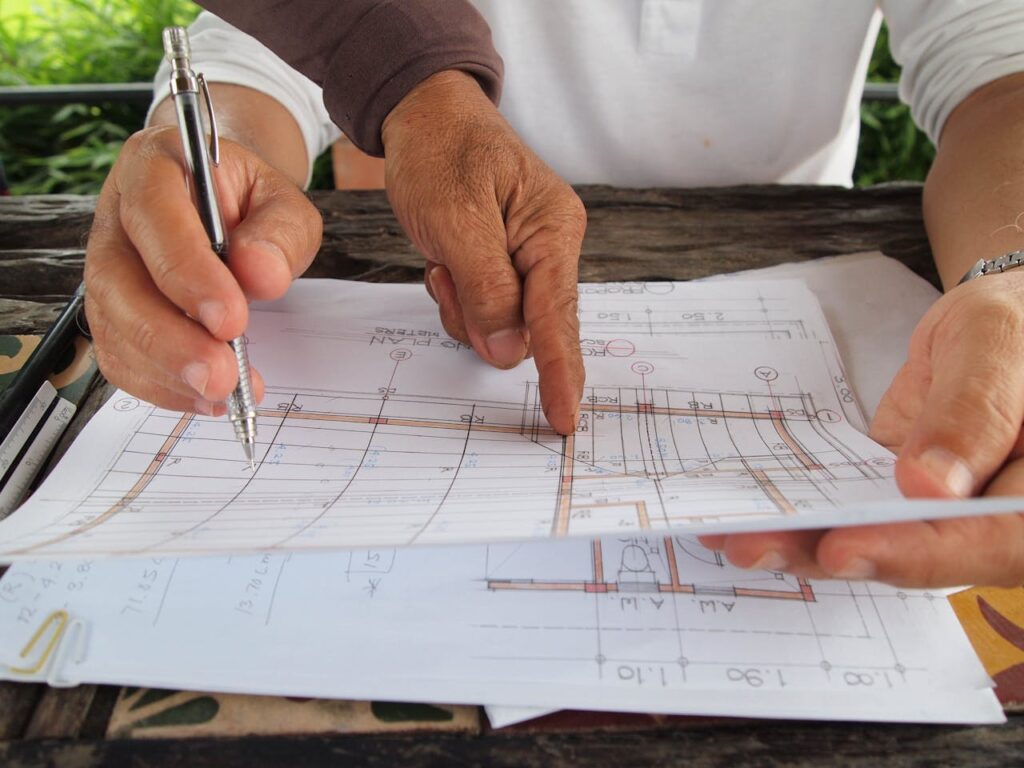
We establish the guaranteed maximum price (GMP) based on a thorough understanding of the work to be completed, how it will be executed, and the quality standards that apply. Without detailed scope documentation, commercial renovations frequently exceed their GMPs due to unforeseen conditions and undefined work elements that surface during construction.
Complete Scope of Work Documentation
The scope of work serves as the foundation for all GMP calculations. We require detailed descriptions of each work phase, from demolition through final finishes. Commercial renovations present unique challenges because existing building conditions often differ from what the original drawings show.
Sitework coordination becomes critical when dealing with occupied buildings or shared utilities. We document existing systems that must remain operational during construction and identify tie-in points for new work. This documentation prevents costly change orders when field conditions don’t match assumptions.
Specifications must address both new construction elements and renovation-specific requirements. We define how existing materials will be protected, what can be reused, and how new systems integrate with existing infrastructure. Clear specifications prevent disputes about whether certain work was included in the original scope.
Drawings and Technical Documentation Alignment
We verify that architectural, structural, mechanical, electrical, and plumbing drawings align with the written specifications. Inconsistencies among drawing sets create interpretation issues that lead to change orders. Each drawing must reflect the actual project scope and site conditions.
Site surveys and existing-conditions documentation are essential for renovation projects. We require current as-built drawings that show actual field conditions rather than relying on original construction documents. This documentation helps identify potential conflicts before construction begins.
Design-build and CMAR project delivery methods allow us to refine drawings during the pre-construction phase. We collaborate with design teams to resolve conflicts and optimize constructability before finalizing the GMP. This iterative process reduces the risk of costly field changes.
Allowance Definitions and Management
Allowances address project components not fully specified at the time of contract award, such as finishes, fixtures, and equipment selections. We establish unit costs based on quality standards outlined in the specifications. Each allowance includes specific parameters for what is covered and what triggers additional costs.
Commercial renovation allowances often cover items like flooring, lighting fixtures, and mechanical equipment, where selections depend on tenant requirements or final space layouts. We document the basis for each allowance amount and the approval process for selections that exceed those amounts.
Unused allowance funds typically return to the owner or enter shared savings calculations, depending on contract terms. We track allowance usage throughout construction and provide regular updates on remaining balances. This transparency helps owners make informed decisions about upgrades or value-engineering opportunities.
Quality Standards and Material Specifications
Quality standards prevent corner-cutting when contractors face cost pressures near the GMP ceiling. We define specific material grades, installation methods, and performance requirements for each building system. These standards become the baseline for all work covered under the GMP.
Value-engineering discussions occur during the pre-construction phase, when we can evaluate alternatives without compromising the project schedule. We present options that maintain quality while potentially reducing costs. These discussions must conclude before the GMP is finalized to avoid disputes later.
Material substitution rules establish clear procedures for proposing alternatives during construction. We require advance approval for any substitutions and documentation showing equivalent or superior performance. This process maintains quality while allowing flexibility for supply chain challenges or cost-saving opportunities.
What Cost Components And Math Define The GMP That You Should Verify?
The guaranteed maximum price represents the sum of several distinct cost categories, each serving a specific purpose in project delivery. Understanding how these components combine helps property owners evaluate whether the proposed GMP reflects realistic project requirements and fair contractor compensation.
We base our GMP calculations on five primary cost elements. Direct project costs include labor wages, material purchases, equipment rental, and subcontractor fees for specific work packages. General conditions cover indirect project expenses such as site supervision, temporary facilities, project management staff, and safety programs that support the entire build but cannot be attributed to individual tasks.
Contractor markup compensates us for overhead and anticipated profit on the project. This fee typically appears as a percentage of total project costs, though some agreements specify a fixed amount. The markup percentage varies based on project complexity, risk factors, and market conditions, usually ranging from 8% to 15% for commercial renovation work.
Contingency Structure And Usage Rules
Contingency funds provide financial protection against unforeseen conditions and scope clarifications that arise during construction. The contingency amount should reflect the specific risks associated with renovation work, typically ranging from 5% to 12% of the base project cost, depending on building age, complexity, and available documentation.
We establish clear rules governing contingency deployment to prevent disputes during construction. Some contracts require owner approval before accessing contingency funds, while others grant contractor authority with notification requirements. The agreement should specify qualifying conditions such as unforeseen site conditions, code compliance issues, or material price fluctuations beyond normal market variations.
Allowances For Undefined Project Elements
Allowances address project components not fully specified at contract signing—a common situation in renovation projects where selections remain pending. We establish unit costs or lump-sum amounts for items such as finishes, fixtures, or equipment based on quality standards and performance specifications outlined in the project documents.
The contract should clearly define how unused allowance funds are handled. In some agreements, unused portions return to the owner or enter shared savings calculations. When actual selections exceed allowance amounts, we process the difference through change orders with documented pricing and approval procedures.
| Cost Component | Description |
|---|---|
| Direct Project Costs | Includes labor wages, material purchases, equipment rental, and subcontractor fees for specific work packages. |
| General Conditions | Covers indirect project expenses such as site supervision, temporary facilities, project management staff, and safety programs. |
| Contractor Markup | Compensates for overhead expenses and anticipated profit, typically a percentage of total project costs. |
| Contingency | Funds for unforeseen conditions and scope clarifications, ranging from 5% to 12% of the base project cost. |
| Allowances | Set for undefined items such as finishes, fixtures, or furniture, based on unit costs or lump-sum amounts. |
Fee Structure And Payment Methodology
The contractor fee basis affects both project pricing and payment timing throughout construction. Fixed fee arrangements provide cost predictability but may not account for scope adjustments during the build. Percentage-based fees scale with project costs but require careful monitoring to prevent unnecessary expense inflation.
Shared savings clauses split cost underruns between owner and contractor according to predetermined ratios. Common arrangements favor the owner with 60/40 or 70/30 splits, creating financial incentives for efficient project delivery while maintaining quality standards. The clause should specify which savings qualify and should exclude owner-directed reductions or unused contingency amounts.
Schedule Of Values And Progress Payments
We tie payment terms to project milestones through a detailed schedule of values that breaks down the GMP into specific work categories and completion percentages. This document provides transparency into cost allocation and enables accurate progress payment calculations throughout the build.
The schedule of values should align with actual construction sequencing and reflect realistic completion percentages for each work phase. We update payment applications monthly based on work completed, materials stored on-site, and change orders approved during the reporting period. Clear documentation requirements prevent payment delays and maintain project cash flow for all parties.
Which Risk-Shifting Clauses Deserve Extra Attention On Renovations With Unknowns?

Commercial renovations present unique challenges, including unforeseen conditions that make risk allocation critical. We focus on specific clauses that determine which party absorbs costs when unknown conditions emerge during construction.
Contingency Control and Approval Authority
Contingency deployment varies significantly depending on who controls access and the approval thresholds. Some agreements require owner approval before we access contingency funds for unforeseen conditions. Others grant us authority to deploy funds, with notice required within specified dollar limits.
Clear usage criteria help prevent disputes over legitimate applications during construction. We establish triggers such as concealed structural issues, environmental contamination, or utility conflicts that qualify for contingency use. Contingency funds typically represent 3% to 8% of the total GMP, depending on renovation complexity and risk factors.
Unforeseen Conditions Typical to Renovations
Renovation projects carry inherent risks from existing building conditions that may not be visible during initial assessments. We define categories of unforeseen conditions and establish responsibility for associated costs. Site conditions that differ significantly from contract documents often qualify for GMP adjustments.
Structural modifications can reveal inadequate foundations, concealed hazardous materials, or utility conflicts—common renovation unknowns. The contract must specify when these conditions warrant change orders versus risks assumed under the original pricing. Documentation requirements and notification timelines protect both parties when unforeseen issues arise.
Escalation Clauses for Market Fluctuations
Market volatility affects renovation projects differently than new construction due to specialized materials and longer project timelines. We establish specific triggers for price increases that exceed predetermined thresholds relative to baseline pricing. Escalation clauses typically cover major materials such as steel, concrete, and lumber rather than all project components.
The clause defines adjustment mechanisms through documented market indices or actual purchase receipts. We set caps on total escalation adjustments to maintain budget predictability while protecting against extreme market conditions. Recent supply chain disruptions underscore the importance of clear escalation provisions in renovation contracts.
Change Order Process and Pricing Methods
Change orders in renovations often stem from discovery of existing conditions or design development as projects progress. We establish clear procedures for identifying, documenting, and pricing scope modifications. The process includes notification requirements, impact assessments, and approval thresholds.
Pricing methods vary from unit costs to time and materials, with markup rates defined upfront. We specify schedule impact procedures and how delays affect project milestones. Clear triggers help distinguish between owner-requested changes and contractor-discovered conditions, which require different handling under the contract.
Owner Versus Contractor Cost Responsibility
Commercial renovations blur lines between owner responsibility and contractor risk more than new construction projects. We clarify when owner scope changes or design development adjust the GMP versus when we absorb costs within our original commitment. Design-build delivery can complicate this distinction as design evolves during construction.
The contract establishes boundaries for what constitutes legitimate GMP adjustments versus contractor performance issues. We define categories such as code compliance upgrades, accessibility improvements, and structural reinforcements and assign clear cost responsibility. Documentation standards ensure proper classification of costs throughout the renovation process.
How Should Transparency, Payment, And Collaboration Be Set Up Under A GMP?
We establish transparent financial oversight through open-book accounting that provides owners with complete visibility into project costs. This system tracks every dollar spent on labor, materials, equipment, and subcontractor services. Real-time cost reporting allows owners to monitor budget performance against the established guaranteed maximum price (GMP) throughout construction.
Monthly cost reports detail committed costs from executed contracts, incurred expenses from completed work, and projected final costs for the remaining scope. We break down the reporting by construction divisions to show exactly where funds are allocated. This granular visibility enables owners to identify potential variances early and collaborate on corrective actions before minor issues become budget problems.
Payment Structure and Schedule of Values
We tie payment applications directly to a detailed schedule of values that itemizes all project components. This document serves as the roadmap for progress payments and ensures transparency in billing. Each pay application references specific work completed against the scheduled values, creating an audit trail for every payment request.
Progress payments follow construction milestones rather than arbitrary monthly amounts. We coordinate payment timing with actual work completion to align cash flow with project progress. Documentation for reimbursable costs includes invoices, timesheets, and material receipts that substantiate every expense claimed against the GMP.
Retainage provisions hold back a percentage of each payment until project completion and warranty periods expire. We clearly define retainage rates and release conditions upfront to avoid payment disputes during closeout. This structure protects owners while ensuring contractors maintain adequate cash flow for ongoing operations.
Communication Protocols and Dispute Prevention
Regular cost review meetings create structured opportunities for collaborative problem-solving. We schedule these sessions monthly or at key project milestones to discuss budget status, upcoming challenges, and potential cost impacts. This proactive approach prevents surprises and maintains alignment among all parties throughout construction.
Clear dispute resolution steps provide a path for addressing disagreements before they escalate. We establish a hierarchy starting with project-level discussions, advancing to senior management involvement, and ultimately proceeding to formal mediation, if needed. Early intervention through established protocols typically resolves issues without damaging working relationships.
Cost documentation standards ensure all parties understand what constitutes acceptable backup for expenses. We define requirements for invoices, change order documentation, and progress photos that support payment applications. This clarity eliminates confusion over what documentation is needed and accelerates the payment approval process.
Conclusion And Next Steps

A successful GMP review for commercial renovation starts with establishing clear boundaries before construction begins. We prioritize scope documentation, complete cost breakdowns, and transparent reporting structures that protect both parties throughout the build process. These elements work together to create cost certainty while maintaining the flexibility needed to handle renovation unknowns.
Before finalizing any GMP agreement, we verify that every component has been thoroughly examined and documented. The scope of work aligns with drawings and specifications. Cost buildup calculations include all project components, with appropriate contingencies and clear change-order processes. Open-book accounting structures support regular reporting tied to the schedule of values. Risk allocation for renovation unknowns is defined and agreed to by all parties. A structured checklist ensures nothing is overlooked during this critical review phase.
Ready to implement a thorough GMP review process for your commercial renovation? Contact EB3 Construction to discuss how our construction management approach supports transparent project delivery.