
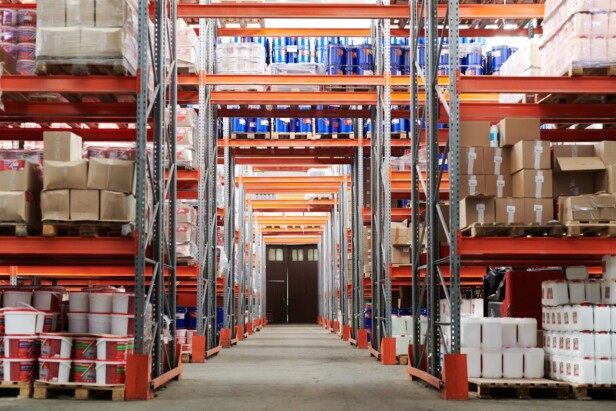
Last-mile delivery station construction creates specialized transportation hubs where packages make their final transition from distribution centers to customer addresses. Despite representing the shortest distance in the supply chain, this final segment carries over 53% of total shipping costs according to the U.S. Department of Transportation.
These stations serve as critical nodes in the e-commerce ecosystem, where delivery reliability directly impacts customer loyalty and business profitability. As B2C deliveries surge with online shopping growth, well-designed delivery stations enable faster processing, reduced delivery attempts, and support for same-day or express delivery options that modern consumers expect.
Which Facility Types And Program Elements Should A Delivery Station Include?
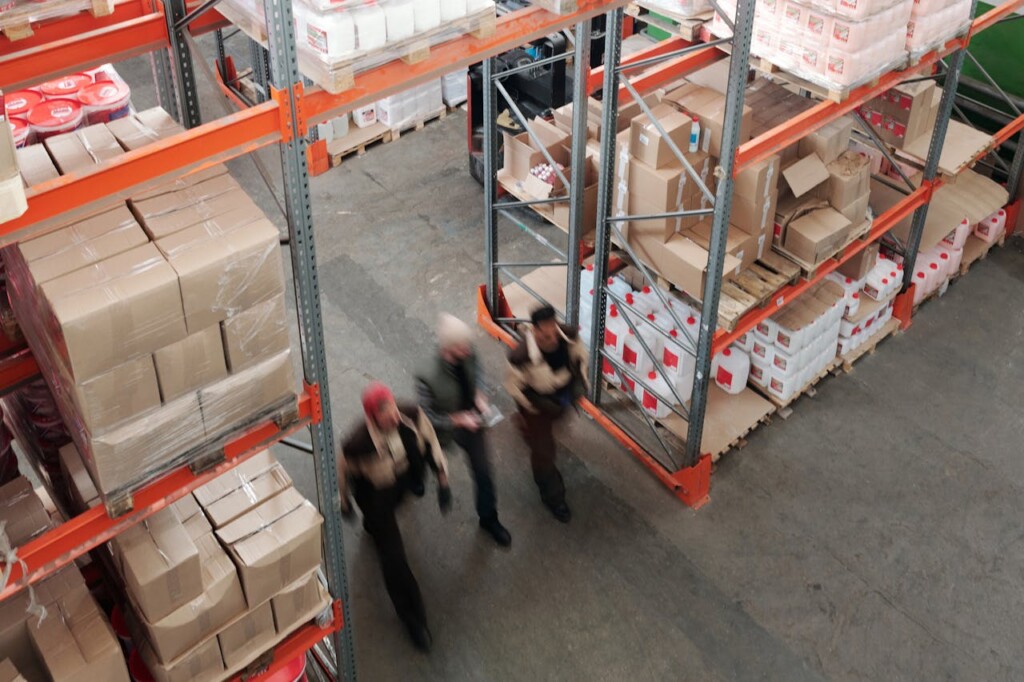
We structure delivery networks around three distinct hub types, each with specific construction priorities. Understanding these facility types helps developers and property owners select the right investment approach for their target market and operational requirements.
Primary Hub Types And Build Focus
Delivery stations represent the most common facility type in last-mile networks. We concentrate capex spending on three core areas: loading docks sized to handle 53-foot trailers, sortation equipment for route-specific package flow, and yard infrastructure that supports clean trailer movements. The emphasis stays on throughput capacity rather than storage or automation complexity.
Micro-fulfillment centers take a different approach entirely. These facilities prioritize automation and robotics as their primary capex investment. We design them around high-density storage systems, automated picking technology, and robotic material handling equipment. The smaller footprint requires more sophisticated systems to achieve comparable throughput rates.
Dark stores focus on shelving systems and light material handling equipment. These converted retail spaces or purpose-built facilities emphasize accessible storage with minimal automation. We design them for staff-based picking operations with straightforward conveyor systems and basic sortation capability.
Operational Cost Structure Planning
For delivery stations specifically, we plan operational expenses around three primary cost centers. Sort labor represents the largest ongoing expense, requiring staffing for multiple shifts to handle inbound package processing and route preparation. Yard operations include the personnel and equipment needed to manage trailer movements, dock assignments, and vehicle coordination. Utilities sizing becomes critical given the power requirements for sortation systems, HVAC for large warehouse spaces, and lighting for 24-hour operations.
The material handling equipment in delivery stations typically includes conveyor systems, automated sortation devices, and barcode scanning infrastructure. These systems require ongoing maintenance contracts and periodic upgrades that we factor into long-term operational planning.
Core Program Elements For Station Design
Dock counts must align directly with outbound waves to prevent bottlenecks during peak dispatch periods. We size inbound docks based on supplier delivery patterns and outbound docks according to route departure schedules. Each dock position requires adequate staging area and direct access to sortation systems.
Sortation areas need sizing based on service tiers rather than simple package volume. Express shipments require dedicated lanes with priority processing capability. Standard ground deliveries can share sortation capacity but need sufficient space for peak volume surges. We design these areas with flexibility to accommodate seasonal demand variations.
Yard design focuses on supporting quick gate-to-route handoffs without creating driver delays or operational conflicts. This includes separate entrance and exit lanes, adequate trailer parking positions, and clear sight lines for yard coordination staff. The yard layout must prevent cross-traffic between inbound and outbound operations.
Parking areas serve dense route dispatch operations where multiple delivery vehicles stage simultaneously. We calculate spaces based on peak route density and include driver amenities like restrooms and break areas. Van parking requires different specifications than standard truck parking due to vehicle size and maneuverability requirements.
Utilities require careful sizing to support station dispatch technology systems. Power infrastructure must handle sortation equipment loads, IT systems for tracking and routing, and charging stations where electric vehicle operations are planned. HVAC systems need capacity for large warehouse volumes with frequent door openings during loading operations.
How Should Site Selection And Layout Support Efficient Last-Mile Operations?
Strategic site selection creates the foundation for high-performing delivery stations. We evaluate access patterns, local curb rules, and available labor pools to support demanding shift schedules. These factors directly impact operational efficiency and unit economics.
Access And Infrastructure Requirements
Strong road access reduces route miles and keeps delivery vehicles moving efficiently. We prioritize sites with direct arterial connections that minimize congested side streets and residential cut-throughs. Clear sight lines from major roads help drivers locate facilities quickly without GPS delays.
Curb-use regulations vary significantly across municipalities. Some cities restrict commercial vehicles during peak hours or limit dwell times at loading zones. We research local ordinances early to avoid sites where restrictive curb rules could force longer routes or create compliance issues.
Injection lanes offer strategic advantages for high-volume markets. These dedicated access points allow delivery vehicles to enter traffic flow without merging delays. Proximity to highway on-ramps or express lanes cuts travel time to dense delivery zones, raising route density per vehicle.
Labor Pool And Shift Considerations
Successful stations require reliable labor for sort operations, yard management, and route dispatch. We analyze local workforce availability during early morning and evening shifts when most delivery operations peak. Transit accessibility matters for workers who rely on public transportation to reach remote industrial sites.
Station zoning affects labor costs and recruitment success. Sites near residential areas often provide better worker access than isolated industrial parks. However, noise restrictions in mixed-use zones may limit operating hours or require additional sound mitigation measures.
Layout Design For Operational Flow
Interior layout synchronizes picking operations with outbound waves to maintain steady throughput. We design sortation areas that support slot-pull logic, ensuring packages flow directly from receiving to assigned delivery routes without intermediate storage.
Bay utilization requires careful dock scheduling aligned to expected arrival times. We match van sizes to neighborhood density patterns, with smaller vehicles assigned to urban cores and larger capacity units serving suburban routes. This alignment prevents bay congestion while maximizing vehicle productivity.
Pick backlog management depends on layout flow that prevents bottlenecks between sortation and loading areas. Clear sight lines allow supervisors to monitor queue depths and redirect labor when certain routes experience delays. Wide aisles accommodate material handling equipment without creating safety hazards.
Yard Operations And Gate Flow
Yard design supports clean handoffs between station operations and route drivers. We create dedicated staging areas where loaded vehicles can queue without blocking active loading bays. Clear signage and defined traffic patterns prevent confusion during peak dispatch periods.
Fast scan-out processes require technology infrastructure positioned near exit gates. RFID readers or mobile scanning stations capture final package confirmations as vehicles depart. This data feeds route optimization systems and provides accountability for delivery performance tracking.
Communication systems within yard areas keep drivers informed of loading status and departure schedules. Digital displays or mobile notifications reduce idle time and improve on-time departure rates for scheduled delivery windows.
Which Technologies And Operating Practices Should Shape Station Design?

Consistent timestamp anchors form the backbone of effective station operations. We establish station scan-out and ePOD (electronic proof of delivery) as measurement standards that enable accurate tracking of cost per stop, miles per stop, first-attempt delivery rate, and ETA accuracy. These anchors create comparable data across routes and service tiers, eliminating the guesswork that often undermines operational decisions.
Measurement Systems And Data Anchors
Station scan-out marks the precise moment packages leave the facility, while ePOD confirms successful delivery at the destination. This dual-anchor approach provides clear start and end points for measuring route performance and identifying bottlenecks. We use these timestamps to calculate station-adjusted costs, ensuring that metrics reflect true operational efficiency rather than estimated values.
Route optimization systems rely on this timestamp data to refine delivery windows and improve density. When combined with service-time catalogs, these measurements help predict accurate ETAs and adjust routes dynamically based on real conditions rather than static assumptions.
First-Attempt Success Technologies
Address intelligence systems verify delivery locations before dispatch, reducing failed attempts caused by incorrect or incomplete addresses. We integrate these systems with pre-arrival communication tools that notify customers through SMS or app notifications when packages are en route. This advance warning improves customer availability and reduces the need for multiple delivery attempts.
Locker networks and PUDO (pick-up and drop-off) options provide alternative delivery points when customers cannot receive packages directly. We design station layouts to support these services by including dedicated staging areas for locker fulfillment and PUDO partner coordination. Strategic placement of these options can increase first-attempt success rates by 15-20% in dense urban markets.
Exception Automation And Workflow Management
Exception automation routes delivery issues to appropriate staff members immediately when problems arise. We build workflows that escalate issues based on severity and type, ensuring that weather delays, access problems, or customer unavailability receive prompt attention. This reduces the time packages spend in limbo and minimizes the impact on subsequent delivery waves.
Control tower systems provide real-time visibility into station operations, allowing managers to spot trends and address recurring issues before they become systemic problems. These systems track everything from dock utilization to driver check-in times, creating data that informs both immediate decisions and long-term planning.
Electric Vehicle Integration And Green Operations
EV lanes require specific infrastructure considerations including charging stations, route planning systems that account for vehicle range, and scheduling that aligns charging windows with operational needs. We design these lanes for short, predictable delivery loops that maximize the efficiency advantages of electric vehicles while minimizing range anxiety.
Range-aware routing algorithms calculate optimal paths based on vehicle battery capacity, traffic conditions, and charging station locations. These systems work with dynamic slotting to encourage customers toward delivery windows that support more efficient, environmentally friendly routes. Green slot incentives can shift 10-15% of deliveries to lower-impact time windows.
Technology Infrastructure Requirements
Routing and tracking systems require robust IT infrastructure including redundant internet connections, backup power systems, and scalable server capacity. We plan space for server rooms or cloud connectivity equipment that can handle peak loads during busy seasons without performance degradation.
Dispatch systems integrate with warehouse management, transportation management, and customer communication platforms to create seamless information flow. This integration requires careful consideration of data security, system compatibility, and staff training to ensure smooth daily operations. Power requirements for these systems often exceed standard building specifications, requiring early coordination with electrical engineers and utility providers.
What Cost Levers And KPIs Should Guide Construction And Phasing?
Given that last mile delivery can consume up to 53% of total delivery costs, we approach construction decisions through the lens of operational efficiency. Each design choice directly impacts miles driven, time spent per stop, and the number of touches required to complete deliveries. Our focus centers on building facilities that systematically reduce these cost drivers while maintaining service quality.
Major Cost Drivers That Shape Station Design
Routing quality emerges as the primary cost lever, affecting everything from fuel consumption to driver productivity. We design stations to support optimized dispatch patterns and minimize cross-zone travel. Poor routing adds unnecessary miles and extends delivery windows, directly inflating operational costs.
Route density determines how many stops drivers complete per hour and per mile traveled. Stations positioned to serve high-density areas achieve better unit economics. We evaluate catchment areas during site selection to ensure adequate order volume within reasonable drive distances.
First-attempt delivery rates significantly impact bottom-line performance since failed deliveries require costly reattempts. Station design supports practices that improve success rates, including space for address verification systems and staging areas for special handling requirements. Each failed attempt typically costs $5 to $20 in additional resources.
Accessorial control prevents unplanned services that inflate delivery times and costs. We design loading areas and communication systems to clearly identify special requirements upfront. This reduces surprises that extend dwell times and disrupt scheduled routes.
Station Operating Expenses That Drive Design
Sort labor represents the largest operational expense category, typically accounting for 30-40% of station costs. We size sortation areas and material handling systems to optimize throughput per worker. Efficient layouts reduce walking distances and handling touches, directly improving labor productivity.
Yard operations encompass the coordination activities that move packages from inbound processing to route dispatch. Well-designed yards minimize vehicle queuing, reduce gate processing time, and eliminate bottlenecks that extend driver shifts. Poor yard design can add 15-30 minutes per route.
Utilities costs fluctuate based on station technology requirements and climate control needs. We right-size electrical systems for current operations while planning capacity for future automation. HVAC systems focus on work areas rather than full warehouse conditioning to control ongoing expenses.
Essential KPIs For Construction Decisions
Cost per stop provides the fundamental unit economics measure for station performance. We calculate this by dividing total station costs by completed deliveries, adjusting for line-haul allocations. This metric guides decisions on dock counts, sortation capacity, and automation investments.
Miles per stop measures routing efficiency from the station gate to final delivery. Lower ratios indicate better catchment area design and route optimization. We use this KPI to evaluate site locations and establish service boundaries that maximize density.
First-attempt delivery rate tracks successful completions without reattempts. Stations supporting higher success rates through better address intelligence, customer communication systems, and flexible delivery options show superior performance. We target rates above 90% for competitive operations.
ETA accuracy reflects the reliability of delivery promises and operational predictability. Consistent timestamps from station scan-out to electronic proof of delivery enable accurate performance measurement. We design facilities to support the data collection and communication systems that achieve 95%+ ETA accuracy.
Using KPIs To Guide Phasing Strategies
These metrics inform both initial construction sizing and expansion decisions. Cost per stop data helps determine optimal dock counts by revealing the breakeven point between capacity utilization and operational efficiency. Too few docks create bottlenecks; too many inflate fixed costs without proportional benefits.
Miles per stop analysis guides decisions about adding micro-fulfillment or dark store capabilities. When routing data shows consistent delivery patterns to specific neighborhoods, forward-positioned inventory can dramatically reduce last-mile distances. This KPI helps justify the additional real estate and inventory carrying costs.
First-attempt delivery rates and accessorial control metrics determine when to invest in locker networks or PUDO partnerships. These alternative delivery options require upfront capital but can significantly reduce per-delivery costs in high-failure areas. The ROI calculation depends on accurate measurement of current failure rates and associated costs.
We design stations with expansion phases that activate based on performance thresholds rather than arbitrary timelines. When cost per stop drops below target levels due to volume growth, additional sortation capacity becomes justified. When route density metrics indicate market saturation, geographic expansion or service enhancement investments take priority over pure capacity additions.
Conclusion And Next Steps
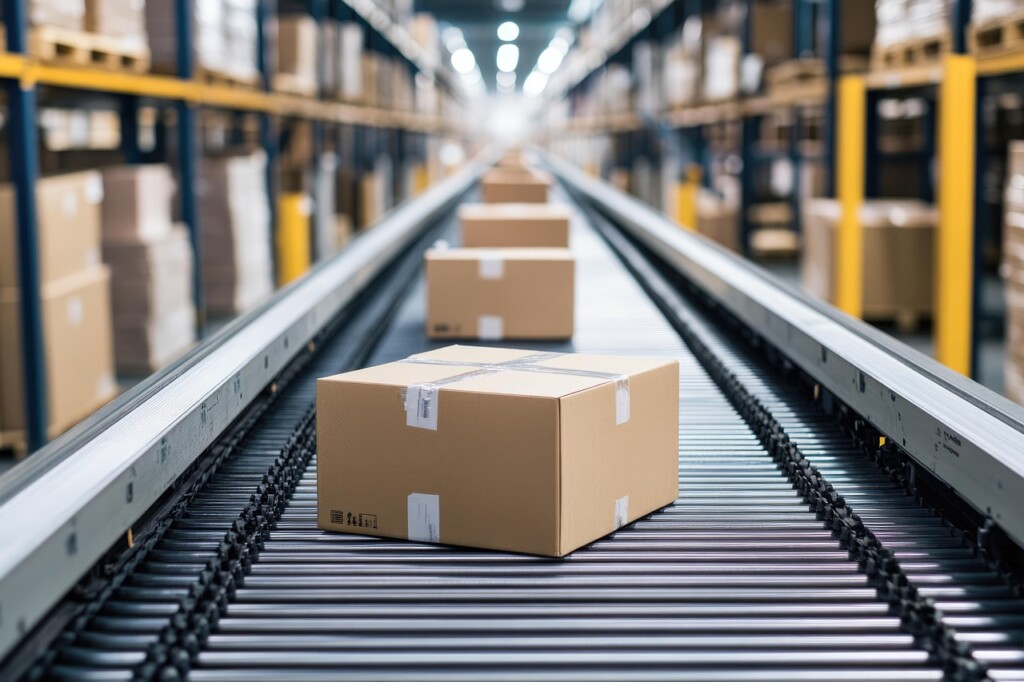
A well-planned last-mile delivery station aligns site selection, program elements, and operations to cut cost and lift on-time performance. This integrated approach transforms shipping expenses that can consume more than half of total delivery costs into strategic advantages through optimized workflows and data-driven decision making.
Start by selecting the hub type that matches your operation’s scope, whether delivery station, micro-fulfillment center, or dark store. Size docks, sortation, and yard operations to match outbound waves and service tiers. Lock in data anchors through station scan-out and ePOD systems, then establish KPIs that guide layout decisions and phasing strategies. Where routes support predictable loops, plan EV lanes and integrate locker networks or PUDO options to raise first-attempt delivery rates.
Coordinate early across design, operations, and technology teams to ensure station practices translate into measurable daily gains. Focus on route optimization, yard efficiency improvements, and capacity planning that scales with demand growth. This collaborative approach turns construction investments into operational advantages that support long-term profitability and service reliability.
Ready to optimize your last-mile delivery station construction? Contact EB3 Construction to discuss how we can help align your site, design, and operational requirements for maximum efficiency and cost control.