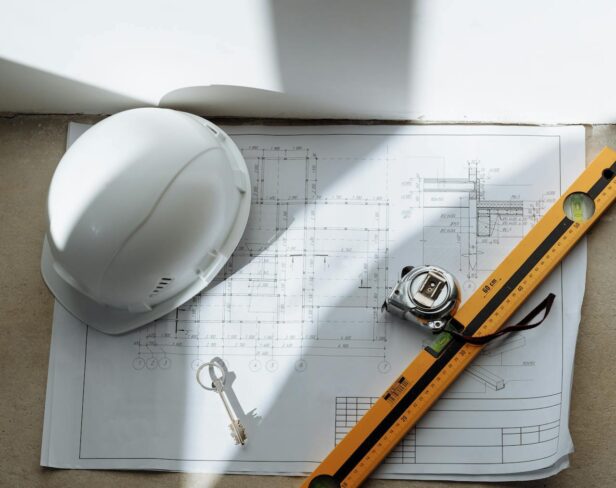
Construction on a functional business facility poses a fundamental challenge: how do you upgrade or expand without shutting down operations? Unlike residential projects or greenfield development, occupied renovation requires a delicate balance between progress and productivity. Phased construction for active businesses solves this by breaking large projects into smaller, sequenced stages that allow operations to continue.
This approach divides construction work into manageable segments organized by area, system, or function rather than tackling everything simultaneously. We might phase by work category such as mechanical or electrical systems, by section like distinct zones or wings, or through partial completion where shell work happens first and interiors follow. The strategy contrasts sharply with linear construction, where all work proceeds from start to finish in one continuous timeline.
What Are The Key Benefits For Operating Businesses?

Phased construction delivers operational continuity by isolating work zones while maintaining business functions elsewhere. Construction teams coordinate activity around your operations, not the other way around.
This sequenced approach transforms large disruptions into manageable adjustments. We create distinct construction boundaries that protect active workspace while systematically upgrading targeted areas.
Minimize Disruption Through Zone Isolation
Construction zones operate independently from occupied spaces. We establish physical barriers, separate HVAC controls, and dedicated access routes to maintain normal business flow.
Active operations continue in unaffected areas while construction progresses in isolated sections. This zonal approach prevents the total shutdown that traditional construction methods often require.
Temporary systems support occupied areas when permanent infrastructure undergoes upgrades. Portable chillers, generator-powered ventilation, and temporary water service maintain comfort and functionality throughout each phase.
Enhanced Cost Control And Cash Flow Management
Phased construction aligns expenditures with budget cycles by spreading costs across multiple periods. Construction expenses distribute over quarters or years rather than requiring massive upfront investment.
This approach improves cash flow management for property owners and reduces financial strain on tenant businesses affected by construction. Budget allocation becomes more predictable and manageable across project phases.
Phase sequencing also enables better cost control through lessons learned between stages. Early phase insights inform material choices, labor allocation, and scheduling decisions for subsequent construction phases.
Design Flexibility And Adaptation
Construction phases provide natural checkpoints for design adjustments based on real-world performance and user feedback. We can incorporate improvements from completed areas into remaining phases.
Market conditions and operational needs may shift during extended project timelines. Phased construction accommodates these changes without disrupting completed work or requiring major project restructuring.
This adaptability proves especially valuable when upgrading older buildings where existing conditions become fully apparent only after construction begins.
Early Occupancy And Revenue Generation
Completed phases become operational while construction continues in other areas. Businesses can occupy finished spaces and resume full operations in upgraded sections immediately upon completion.
Revenue generation starts earlier compared to traditional construction methods that require project completion before any occupancy. Retail businesses can reopen renovated sections while other areas undergo construction, maintaining sales flow.
This staggered completion reduces the overall impact period on business operations and accelerates return on investment for construction improvements.
Quality Control And Risk Reduction
Smaller project scopes in each phase enable focused quality control and detailed oversight. Construction teams can concentrate resources and attention on manageable work sections.
Risk exposure decreases through phase sequencing because problems identified in early stages can be addressed before affecting the entire project. Each phase serves as a learning opportunity for subsequent construction work.
Phase completion milestones provide regular opportunities for inspection, testing, and system commissioning. This systematic approach ensures each area meets performance standards before moving to the next phase.
Which Industries Benefit Most From Phased Construction?
Healthcare facilities represent ideal candidates for phased construction because maintaining patient care takes precedence over any renovation or expansion project. Hospitals can upgrade critical areas like operating rooms or emergency departments one section at a time while keeping other medical services operational. This approach prevents disruption to vulnerable patients and ensures continuous access to essential healthcare services throughout the construction process.
Manufacturing operations find significant value in phased construction because production floors generate revenue around the clock. We coordinate upgrades with shift patterns, often utilizing nights and weekends to minimize impact on manufacturing schedules. Zone-by-zone system upgrades allow facilities to implement new technologies or equipment while maintaining order deadlines and production quotas.
Retail and service-oriented businesses benefit from keeping stores partially operational during renovations. Sales floors can be updated section by section, allowing customers to continue shopping in unaffected areas. This approach maintains revenue streams while improving the customer experience through gradual facility enhancements.
Educational institutions leverage phased construction to align major work with academic calendars. We schedule intensive construction during summer breaks and coordinate building-by-building or wing-by-wing renovations during active semesters. Campus phasing allows universities and school districts to modernize facilities without disrupting student learning or campus operations.
Several other sectors find phased construction particularly advantageous. Law enforcement centers maintain critical public safety operations while upgrading facilities. Sports and entertainment venues schedule work during off-seasons to avoid disrupting events and revenue-generating activities. Office complexes allow tenants to remain in place during modernization efforts, preserving lease agreements and business continuity.
Mission-critical facilities like data centers represent another strong candidate for phased construction. These facilities require uninterrupted power and cooling systems to support digital infrastructure demands. Phased approaches allow data centers to expand capacity and upgrade systems without compromising existing operations or causing costly downtime for clients relying on continuous service availability.
What Challenges And Risks Should You Anticipate?

Phased construction introduces significant complexity that requires careful management. While this approach enables operational continuity, it creates multiple layers of coordination challenges that we must navigate systematically. Understanding these risks upfront helps us develop mitigation strategies and set realistic expectations.
Extended Project Duration And Schedule Complexity
Phased construction inherently extends total project timelines compared to traditional approaches. Each phase requires separate mobilization, setup, and demobilization activities, which adds time between work segments. Coordination between phases creates mandatory waiting periods as we complete one area before accessing the next.
The sequential nature means delays in early phases cascade through the entire schedule. We must carefully sequence work to maintain operational access while progressing construction. This often means working around business hours or limiting access to certain areas, further constraining our available work windows.
Increased Cost Pressures And Financial Management
Multiple mobilizations drive up project costs as crews and equipment must be brought to site repeatedly. Temporary barriers, alternative access routes, and protective systems add material and labor expenses that single-phase projects avoid. These temporary installations require ongoing maintenance throughout the extended construction period.
Inflation between phases can significantly impact budgets, particularly on multi-year projects. Material costs may rise between early and later phases, while labor rates typically increase annually. We also face reduced efficiency as crews work in constrained spaces with limited staging areas and restricted access.
Additional permitting and inspection cycles for each phase create both cost and schedule impacts. Each phase may require separate permits, increasing regulatory fees and administrative time. Inspection schedules must align with operational constraints, potentially causing delays if inspectors cannot access areas during business hours.
Site Logistics And Operational Challenges
Storage and staging become critical challenges in active environments. We must coordinate material deliveries around operational schedules while maintaining adequate storage space in constrained areas. Equipment movement requires careful planning to avoid disrupting business operations or blocking emergency access.
Site access coordination becomes complex as we balance construction needs with operational requirements. Shared entrances, elevators, and corridors must accommodate both construction traffic and regular building users. We often need to establish separate construction access points or schedule deliveries during off-hours.
Utility coordination presents ongoing challenges as we maintain service to operational areas while upgrading systems in construction zones. Temporary utility routing may be required to maintain uninterrupted power, water, HVAC, and data services. These temporary systems add cost and complexity while requiring constant monitoring.
Safety And Code Compliance Requirements
Each phase must maintain complete code compliance for life safety systems. Emergency egress paths must remain clear and properly marked throughout construction. Fire suppression systems, emergency lighting, and communication systems require continuous operation in occupied areas.
We must maintain uninterrupted access to restrooms, emergency exits, and essential building services. Temporary barriers and construction zones cannot compromise these critical functions. This often requires creative solutions like temporary facilities or alternative routing that adds cost and coordination complexity.
Construction activities in active buildings create additional safety risks. Dust, noise, and vibrations must be controlled to protect occupants and sensitive operations. We implement containment systems and schedule disruptive work during appropriate hours, but these measures require constant vigilance and add operational overhead.
Scope Creep And Change Management
Phased construction creates multiple opportunities for scope creep as clients see completed phases and request modifications to future work. The extended timeline allows for changing business needs or aesthetic preferences that can significantly impact later phases. We establish clear change order procedures early to manage these inevitable requests.
Design modifications between phases require careful integration with completed work. Changes in one phase may affect connections to future phases, creating coordination challenges and potential rework. We maintain detailed documentation and regular design reviews to minimize these conflicts.
How Do You Plan And Execute Phased Construction Successfully?
Successful phased construction demands a comprehensive approach that begins with establishing a robust master plan. We start by breaking down the entire project into detailed phase plans that clearly define scope, timelines, and budget allocations for each stage. This foundational work serves as our roadmap throughout the project lifecycle.
Early engagement with an experienced construction manager proves critical for optimizing sequencing and minimizing operational conflicts. Our construction manager analyzes the facility layout, identifies dependencies between phases, and develops strategies to reduce disruption to ongoing business operations.
Creating Comprehensive Documentation And Planning
We develop detailed drawings that extend beyond typical construction documents. These comprehensive plans include temporary corridors that maintain traffic flow, interim restroom facilities, emergency egress routes, and staging areas for materials and equipment. This level of detail prevents confusion during execution and ensures compliance with safety regulations.
Site logistics planning addresses the unique challenges of working in active facilities. We coordinate storage locations, equipment access routes, and temporary work zones to minimize interference with daily operations. Clear delineation of construction areas from operational spaces protects both workers and building occupants.
Planning Utility Transitions And Temporary Systems
Utility transitions require careful coordination to maintain essential services throughout construction. We analyze existing HVAC, plumbing, and electrical systems to develop transition plans that support both active operations and construction activities. This often involves creating temporary connections and backup systems.
When permanent systems cannot support both operational and construction needs, we implement temporary systems. These might include portable chillers for cooling, temporary air handlers for ventilation, generator-powered systems for emergency backup, or temporary water service during plumbing upgrades. Each temporary system undergoes thorough planning to ensure reliability and code compliance.
Separate HVAC controls become essential when construction dust or contaminants could affect occupied areas. We design isolated systems that prevent cross-contamination while maintaining comfort in operational zones.
Strategic Scheduling And Zone Prioritization
We prioritize zones based on function and occupancy patterns, focusing first on areas that cause minimal operational disruption. Critical operational areas receive attention during off-hours or low-use periods to reduce impact on daily activities. This strategic approach maintains business continuity while advancing construction progress.
Off-hour work scheduling requires coordination with facility management and tenant operations. We develop detailed schedules that account for security protocols, emergency access requirements, and noise restrictions that might affect neighboring occupied spaces.
Maintaining Safety And Communication
Strict safety controls include physical barriers between construction and operational areas, separated ventilation systems where needed, and clear signage for emergency procedures. We maintain regular communication among all stakeholders including owners, tenants, facility managers, inspectors, and contractors.
Progress monitoring involves regular site walks, weekly coordination meetings, and real-time updates to all parties. This constant communication prevents misunderstandings and allows for quick resolution of issues that could impact operations or construction progress.
We select teams with proven experience in phased construction projects, often considering bidding strategies that encompass the full multi-phase scope. This approach ensures continuity of personnel and processes across all phases. Additionally, we limit employee relocations and keep swing spaces as short-term solutions to minimize ongoing disruption to business operations.
Conclusion and Next Steps
Phased construction offers active businesses a strategic path to upgrade or expand facilities while maintaining operations. This approach supports better cash flow management by spreading costs across multiple phases, allows design adjustments based on lessons learned from earlier stages, and enables early occupancy of completed areas. The ability to continue revenue generation while improving infrastructure makes phased construction particularly valuable for businesses that cannot afford operational shutdowns.
The trade-offs require careful consideration. Projects become more complex, with longer total timelines and the need for meticulous cost and logistics control. Success depends on assessing your facility layout, operational requirements, budget constraints, and tolerance for temporary disruption. When phasing aligns with your business needs, we recommend developing a comprehensive master plan, maintaining life safety and utility systems throughout each phase, and coordinating closely with all stakeholders. Regular communication and progress monitoring help ensure each stage meets safety and compliance standards while minimizing impact on daily operations.
Contact EB3 Construction for experienced guidance on phased construction planning and execution for occupied projects.