
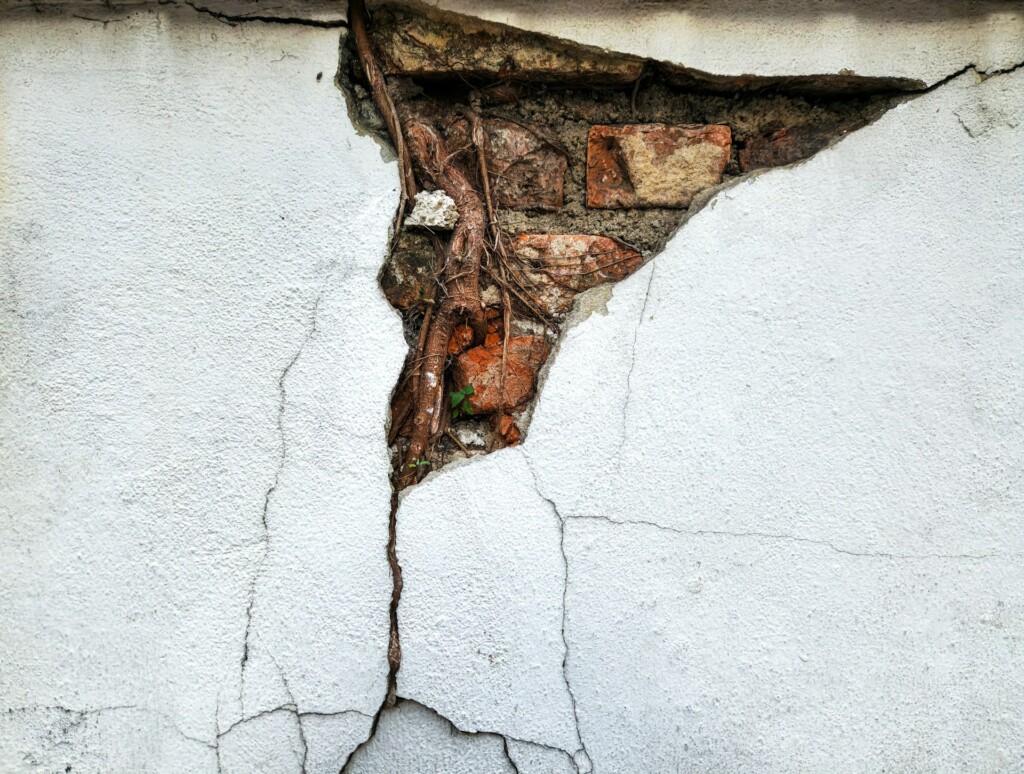
Structural deficiency repair in commercial projects addresses weakened building elements that threaten safety and performance. These deficiencies can stem from multiple sources: aging infrastructure, water infiltration, corrosion damage, seismic activity, evolving building codes—such as Texas home building regulations and Queen Creek building safety—or flaws in original design and construction. Commercial property owners face these challenges as buildings reach maturity or when operational demands exceed initial design parameters.
We approach each structural assessment systematically, evaluating root causes before developing targeted repair strategies. Our engineering teams conduct a thorough material selection process and create detailed repair plans that restore structural integrity while ensuring long-term durability. These solutions range from reinforcing load-bearing beams and repairing foundation settlement to upgrading entire framing systems to meet current code requirements and performance standards.
What Typically Causes Structural Deficiencies In Commercial Facilities?
Code revisions often drive the structural deficiency repairs we encounter in commercial facilities. As building codes evolve to address new safety standards or seismic requirements, existing structures can fall short of current code requirements. These changes typically require upgrades that bring older buildings into compliance.
Seismic upgrades are another common trigger for structural work. Buildings constructed before updated earthquake-resistance standards may require retrofitting to meet current seismic codes. We coordinate these upgrades carefully in occupied facilities, as the work often involves adding bracing systems or strengthening existing structural elements while limiting disruptions to daily operations.
Corrosion and other environmental effects compromise structural integrity over time. Steel exposed to moisture, salt air, or chemical processes deteriorates through oxidation and material loss. Concrete experiences similar degradation from carbonation, chloride intrusion, and freeze-thaw cycles that create internal pressures and cracking.
Changes in use that raise service loads can create deficiencies when buildings carry more weight than they were originally designed to support. Converting warehouse space for manufacturing, adding heavy equipment, or increasing occupancy density can overload existing structural systems. We assess these load increases against the original design capacity to determine reinforcement needs.
Original design or construction errors can surface years after completion, requiring remedial work to address inadequate sizing, improper connections, or substandard materials. These issues often become apparent during routine inspections or when buildings experience unexpected movement or distress under normal operating conditions.
Occupied buildings present unique challenges that influence how we approach structural deficiency repairs. Tenant operations require careful coordination to minimize noise, dust, and disruption during construction activities. We plan access routes, staging areas, and work sequences to maintain safe passage for occupants while protecting sensitive equipment or processes from construction impacts.
Access planning and constructability considerations shape every aspect of structural repair in functioning facilities. We evaluate how to deliver materials, position equipment, and sequence work phases without compromising building operations. Early coordination with facility managers helps identify critical systems, peak usage periods, and areas where work restrictions apply.
Dust and noise control measures protect both occupants and construction crews during structural repairs. We implement containment systems, schedule noisy operations during off-hours, and use low-impact methods where possible. These environmental controls require additional planning but help prevent disruptions that could affect tenant relationships or business continuity.
How Do Structural Repair And Structural Strengthening Differ?
Structural repair and strengthening serve different purposes in commercial construction. Repair focuses on restoring damaged elements to their original condition, while strengthening upgrades systems to handle greater loads. We encounter both approaches regularly, and understanding the distinction helps property owners choose the right solution.
Structural Repair Rebuilds Damaged Elements
Structural repair addresses existing damage by rebuilding compromised components. We identify the source of distress first, whether it stems from corrosion, environmental exposure, or material degradation. The process involves removing damaged material along with the underlying causes that caused the problem.
Repair materials must restore the original integrity and extend service life. For concrete members, this might include injecting epoxy to fill cracks or patching spalled areas with compatible mortars. Steel elements may require cutting out corroded sections and welding in replacement pieces. The goal remains bringing the structure back to its design performance level.
Structural Strengthening Upgrades Load Capacity
Strengthening goes beyond repair by upgrading systems to carry existing loads more effectively and handle increased demands. We analyze how modifications affect global behavior throughout the entire structure. Engineers must consider load paths, member interactions, and how strengthening one area might redistribute forces to other components.
This approach becomes necessary when buildings face higher service loads, code upgrades, or seismic requirements. We design strengthening systems that work in composite action with existing elements, creating an integrated structural system that performs as one unit.
In-Situ Assessment and Load Testing Confirm Capacity
Both repair and strengthening projects require thorough capacity verification, but strengthening demands more extensive analysis. We conduct in-situ assessments to determine existing member strengths and reinforcement details when original drawings are unavailable. Load testing confirms that structures can safely support design loads after interventions.
Load testing is particularly important for strengthening projects, where we must verify the capacity of upgraded members. These tests validate our design assumptions and ensure the composite system performs as intended under actual loading conditions.
Bond Strength Enables Composite Action
Successful repairs and strengthening depend on achieving proper bond strength between existing and new materials. The composite system must behave monolithically, with forces transferring effectively across the interface. Poor bonding leads to delamination, reduced capacity, and potential failure.
We prepare concrete surfaces through methods like sandblasting or mechanical scarification to create an appropriate profile. Structural adhesives or mechanical anchors provide the connection that allows the strengthened element to act as a single, integrated unit rather than as separate components working independently.
Which Repair And Strengthening Methods Work For Commercial Buildings?
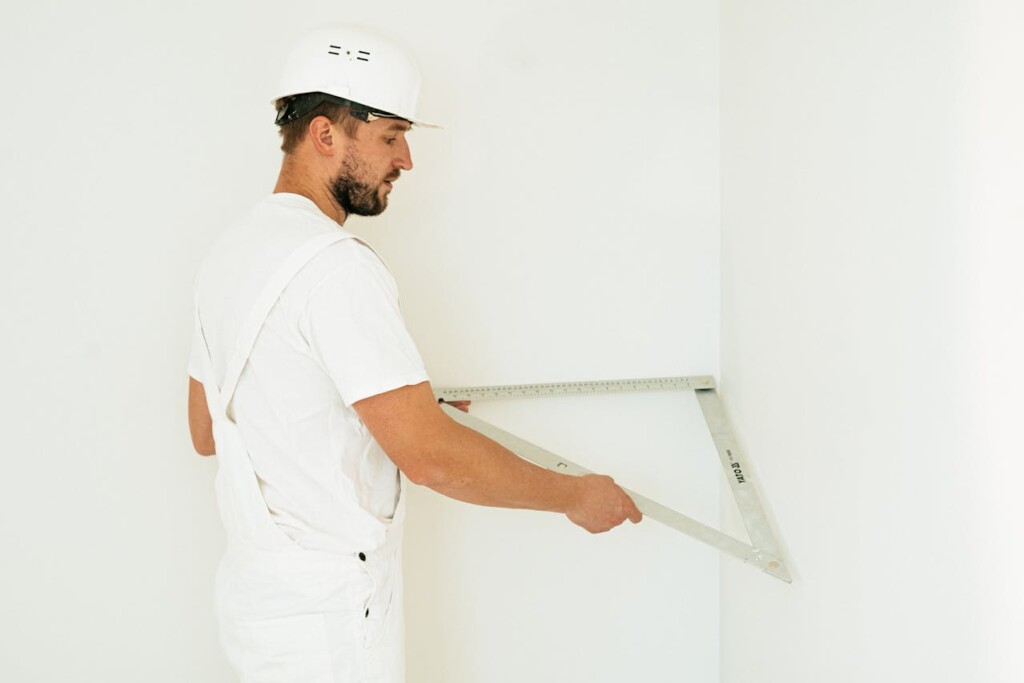
Commercial buildings require targeted repair and strengthening solutions that address specific structural deficiencies while maintaining constructability in occupied environments. We evaluate several engineered methods based on load requirements, access constraints, and long-term performance requirements.
Carbon Fiber–Reinforced Polymer (CFRP) Systems
Carbon fiber reinforced polymer (CFRP) sheets provide high strength-to-weight ratios for flexural and shear strengthening applications. These systems bond directly to concrete surfaces using structural adhesives, creating composite action that increases load-carrying capacity without adding significant dead weight to the structure.
CFRP applications work particularly well in parking garages and office buildings where overhead clearance limitations restrict traditional reinforcement methods. The material’s corrosion resistance and fatigue performance make it suitable for harsh environments, including structures exposed to deicing salts and marine conditions.
Steel Bracing and Bonded Elements
Steel bracing systems provide immediate strengthening by adding structural members that redistribute loads and improve overall stability. We install bonded steel plates, channels, or angles using epoxy adhesives and adhesive anchors to create mechanical connections that transfer forces effectively between existing and new elements.
These methods are effective for seismic upgrades and capacity increases when constructability allows welding or mechanical fastening. Steel strengthening offers flexibility in member sizing and can accommodate significant load increases while maintaining architectural clearances.
Epoxy Injection for Crack Repair
Structural epoxy injection restores monolithic behavior in cracked concrete by filling voids and reestablishing load transfer across crack faces. The process involves installing injection ports along the crack pattern and pressure-injecting a low-viscosity epoxy that penetrates through the full section thickness.
This method works best for dormant cracks in beams, slabs, and walls after the underlying cause of cracking has been addressed. Proper surface preparation and injection sequencing help ensure complete void filling and strong bond development between the epoxy and the concrete substrate.
Underpinning for Foundation Stabilization
Underpinning addresses foundation settlement and capacity deficiencies by transferring loads to competent bearing strata or deeper foundation elements. Methods include mass concrete underpinning, mini-pile systems, and push piles installed beneath existing footings.
We coordinate underpinning work with structural monitoring to track movement during construction and verify load-transfer effectiveness. Method selection depends on soil conditions, access limitations, and required increases in load capacity.
Span Shortening with Intermediate Supports
Adding intermediate supports reduces effective span lengths in beams and slabs, decreasing bending moments and deflections without modifying existing structural elements. This approach works effectively for floors experiencing overstress due to increased service loads or material deterioration.
New columns or bearing walls must transfer loads safely to foundations while maintaining architectural functionality. We evaluate existing foundation capacity and design new load paths that integrate with the existing structural system.
Post-Tensioning Systems
External or internal post-tensioning applies active forces that counteract dead loads and restore structural capacity in deteriorated members. External tendons allow accessibility for future maintenance and inspection, while internal systems offer better protection from environmental exposure.
Post-tensioning is particularly effective for large-span structures and parking garages where conventional reinforcement additions would be impractical. The method requires specialized design and installation expertise to ensure proper force transfer and long-term durability.
Section Enlargement Methods
Reinforced concrete jackets and overlays increase member size and reinforcement to handle higher loads or replace deteriorated material. Concrete jacket applications require proper surface preparation, adequate reinforcement anchorage, and compatible concrete mixes that achieve composite action with existing elements.
Self-consolidating concrete often provides better placement characteristics in congested reinforcement areas and tight spaces typical of strengthening projects. We design mix proportions to achieve the required strength while ensuring proper consolidation around existing steel and through construction joints.
Method selection balances engineering requirements with practical construction constraints, aesthetic considerations, and return-on-investment expectations. Each approach offers specific advantages based on structural conditions, access limitations, and performance requirements that define successful commercial building upgrades.
How Should Owners Plan Scope, Budget, And Operations For Repairs?
Proper planning for commercial structural repairs requires a systematic approach that addresses scope, budget, and operational constraints. We begin every project with a comprehensive deficiency assessment that forms the foundation for accurate cost estimates and realistic project scheduling.
Establishing the Assessment Foundation
A thorough structural assessment provides the starting point for repair planning. This process involves detailed inspection of all building elements to identify deficiencies, document their locations, and evaluate severity levels. Engineers examine structural members, connections, and support systems to create a complete picture of the required repairs.
The assessment phase determines which issues require immediate attention and which can be scheduled for future maintenance cycles. We document findings with precise measurements, photographs, and condition ratings that support accurate repair specifications. This systematic approach ensures that nothing is overlooked during the planning process.
Developing a Comprehensive Cost to Cure Report
The cost to cure report translates assessment findings into an actionable financial planning tool. This document estimates repair costs using current labor and material rates, providing property owners with realistic budget projections. The report breaks down expenses by individual deficiency, allowing for strategic prioritization based on urgency and available funding.
Each line item includes detailed cost breakdowns covering materials, labor, equipment, and indirect expenses such as permits or temporary supports. We factor in regional pricing variations and market conditions to ensure estimates reflect actual construction costs. The report also identifies potential cost savings through bundling repairs or adjusting project phasing.
Cost to cure reports serve multiple purposes beyond budgeting. These documents support property valuation discussions, insurance claims, and financing applications. They provide the documentation needed for risk management decisions and help establish realistic timelines for repair completion.
Planning for Occupied Facility Operations
Repairs in occupied buildings require careful coordination to maintain business operations while ensuring safety. We develop detailed plans for access routes, construction staging areas, and tenant notification protocols. Our plans address dust control, noise management, and environmental protection measures that minimize disruption.
Constructability planning examines how repairs can be executed within the constraints of an active building. This includes coordinating with building systems, scheduling around peak occupancy periods, and establishing emergency procedures. We work with facility managers to identify critical building functions that cannot be interrupted during repair work.
Temporary protection systems are often necessary to isolate work areas while maintaining building operations. These may include dust barriers, noise enclosures, or temporary structural supports to allow repairs to proceed safely. The planning phase establishes these requirements early to avoid delays during construction.
Tailoring Solutions to Service Life Requirements
Repair system selection considers the building’s intended service life and long-term performance expectations. We match repair methods to durability requirements, ensuring solutions provide appropriate longevity without over-engineering. This approach balances initial costs against lifecycle value to optimize return on investment.
Material selection reflects service life goals and the environmental conditions the building will face. Repairs designed for extended service life may justify higher-performance materials and more robust installation methods. Conversely, buildings with a shorter remaining useful life may benefit from cost-effective solutions that meet immediate needs.
The planning process also considers future maintenance requirements and accessibility for ongoing inspections. We design repairs that facilitate future upkeep and avoid creating maintenance challenges that could lead to repeated repair cycles. This proactive approach protects the owner’s investment over time.
Procurement for Specialty Repairs
Complex structural repairs often require specialized contractors and engineered materials that demand early procurement planning. We identify these requirements during the planning phase to ensure qualified teams are available when needed. This includes evaluating contractor capabilities, reviewing past performance, and confirming availability for the project schedule.
Specialty materials may have extended lead times that affect project scheduling. The planning process identifies these items early and coordinates ordering to prevent construction delays. We also establish quality control procedures for specialty work to ensure repairs meet engineering specifications and performance standards.
Engaging experienced teams early in the planning process helps refine repair approaches and identify potential constructability issues. These discussions often reveal cost-saving opportunities or alternative methods that improve project outcomes while maintaining structural integrity.
Conclusion And Next Steps
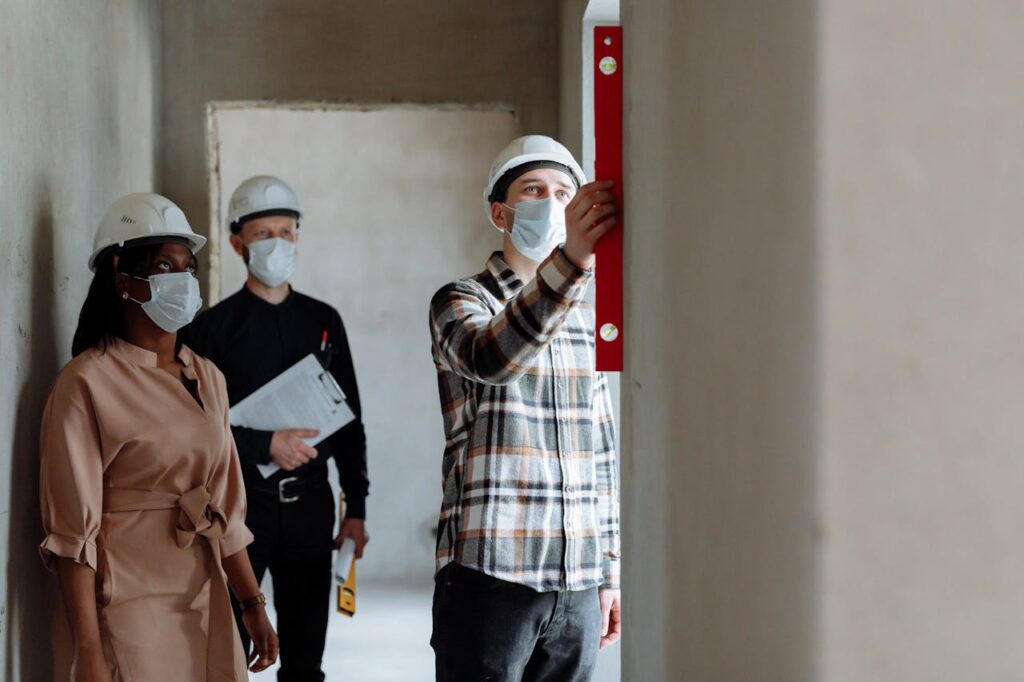
Commercial structural repair demands a systematic approach that balances engineering requirements with real-world operational constraints. The sequence begins with a comprehensive assessment to identify deficiencies and their underlying causes. A thorough cost-to-cure report provides the financial foundation for informed decision-making and establishes priorities based on safety, service life, and budget considerations.
We coordinate each project by selecting repair or strengthening methods based on structural needs and constructability. Tenant coordination remains critical throughout the process, requiring careful planning for access, noise control, and operational continuity. Capacity verification—through load testing or in-situ assessments—ensures that composite repairs function as integrated systems rather than isolated fixes. When we tailor repair systems to match the intended service life of the building, owners avoid the costly cycle of repeated interventions that often plague poorly planned projects.
Ready to develop a comprehensive structural repair plan for your commercial property? Contact EB3 Construction to coordinate assessment, method selection, and execution that keep your building operational while addressing structural deficiencies effectively.