
When Target needs a 135,000-square-foot store built in 18 weeks, it requires specialists who understand the unique demands of large-format retail construction. Big-box retail projects demand large-scale, precise coordination that sets them apart from typical commercial builds.
A big-box retail general contractor manages large-format store projects, often exceeding 50,000 square feet, with expansive open layouts that maximize customer flow and merchandise display. We coordinate sophisticated MEP systems to handle high-capacity HVAC, extensive lighting networks, and complex electrical loads that power checkout systems and specialized refrigeration units. The scope encompasses new construction, remodels, expansions, and tenant improvements across diverse retail environments.
What Unique Requirements Define Big Box Retail Construction?
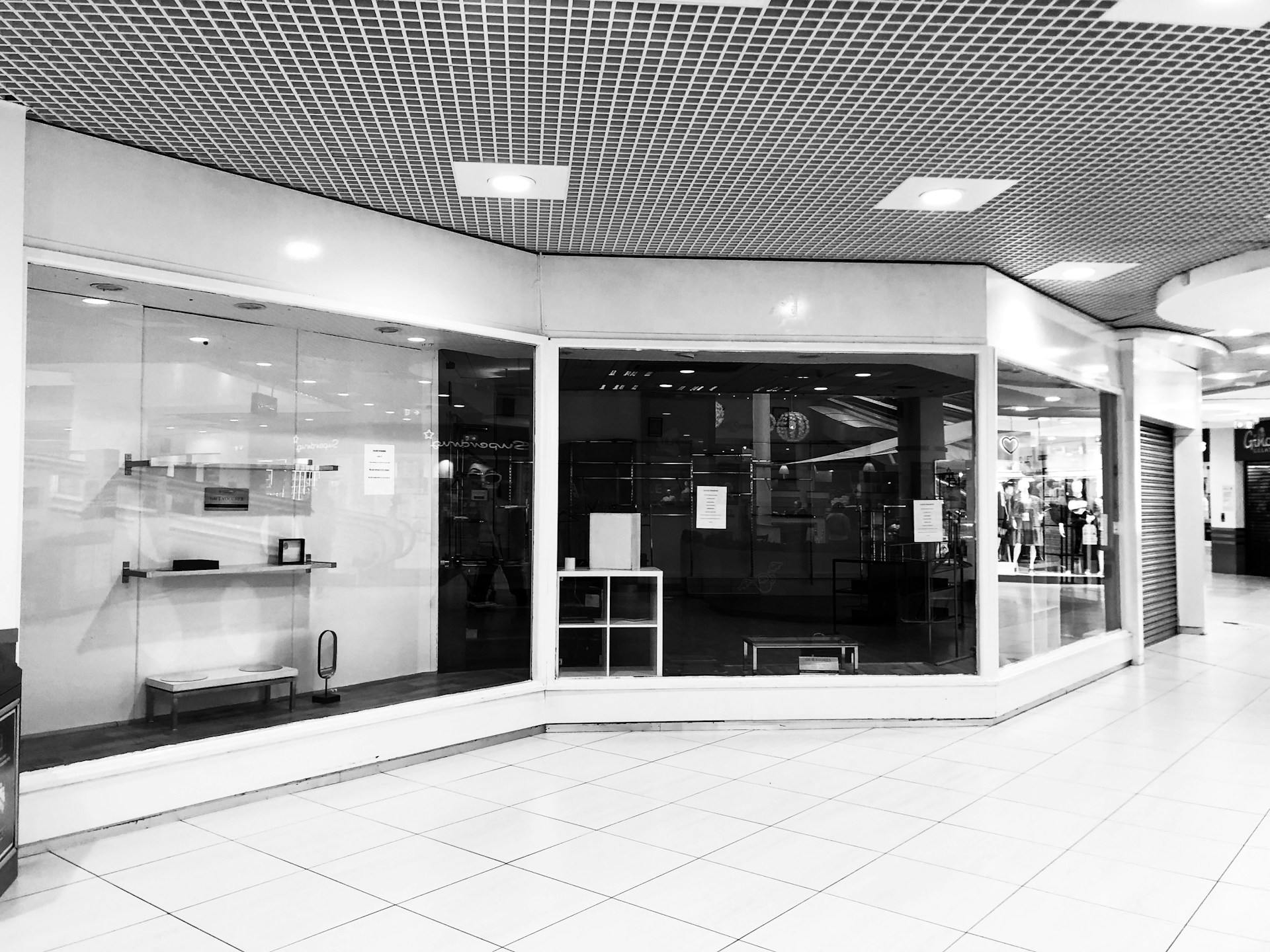
Big-box retail construction spans standalone stores and shopping center locations, each with distinct site requirements. Standalone facilities require ample parking capacity, loading dock access, and independent utility connections. Shopping center developments integrate with existing infrastructure while maintaining separate service areas and customer entrances.
Open Layout Planning and Structural Considerations
Open-layout design drives structural engineering throughout big-box construction. Column spacing typically ranges from 30 to 40 feet to minimize interference with merchandise displays and customer circulation. Floor loads must accommodate heavy equipment, industrial racking systems, and concentrated product storage areas.
Clear-span requirements often exceed 200 feet in warehouse areas. We coordinate structural systems early to support these expansive spaces while maintaining cost efficiency. Steel construction dominates these projects for its speed and spanning capabilities.
Lighting Systems and Energy Code Compliance
Big-box retail lighting must meet functional needs and energy requirements per ASHRAE 90.1-2013 and guidance in the Commercial Lighting Controls Handbook. High-bay lighting systems provide uniform illumination across sales floors while minimizing energy consumption. Lighting power density limits require careful fixture selection and zoning strategies.
Control systems must include occupancy sensors, daylight-responsive controls, and scheduled shutoff capabilities. Each zone requires independent switching to meet local control requirements. Remote switching with indicators suits big-box environments where traditional wall switches are impractical for large open areas.
Soundproofing and Acoustic Management
Soundproofing addresses both exterior and interior noise control in big-box environments. HVAC system noise requires acoustic treatment in ceiling assemblies and mechanical rooms. Customer flow areas need sound separation from back-of-house operations and loading dock activities.
We install acoustic barriers between sales areas and mechanical spaces. Sound masking systems help control noise transmission in open retail environments. Proper acoustic design prevents customer complaints and improves the shopping experience.
Ventilation and HVAC Building Automation
Ventilation systems balance customer comfort with energy efficiency across large floor areas. Air-change rates vary by zone, with higher rates required in food service areas and loading docks. We design systems that maintain consistent temperatures while minimizing operational costs.
HVAC building automation systems monitor and adjust environmental conditions throughout big-box facilities. Programmable controls reduce energy consumption during off-hours while maintaining appropriate conditions for merchandise protection. Zone control allows different areas to operate on independent schedules.
Supermarket Refrigeration Systems
Supermarket departments within big-box formats require specialized refrigeration systems beyond standard retail needs. Walk-in coolers, freezers, and display cases demand dedicated electrical service and glycol distribution systems. We coordinate refrigeration rough-in during early construction phases to avoid conflicts with other utilities.
Refrigeration systems require separate condensate drainage and specialized ventilation. Heat recovery systems capture waste heat from refrigeration equipment to support space heating and domestic hot water needs.
Code Compliance and Public Accessibility
Code compliance encompasses fire safety, building codes, and Americans with Disabilities Act requirements. Fire separation between tenant spaces requires specific wall assemblies and sprinkler system coordination. Emergency egress planning addresses high occupancy loads and multiple exit requirements.
Public accessibility features include accessible parking spaces, entrance ramps, and interior circulation paths. Restroom facilities must meet ADA specifications for fixture placement and clearances. We verify compliance through plan review and field inspections during construction phases.
Which Start-to-Finish Services Should Owners Expect From EB3 Construction?
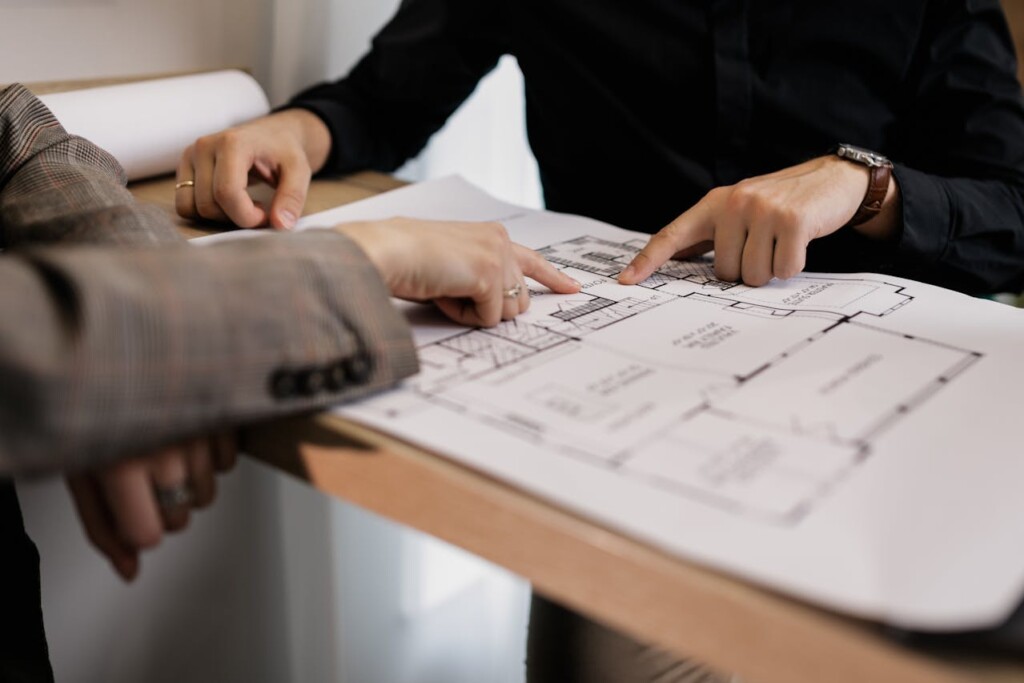
We deliver complete project coordination through integrated services that address every phase of big-box retail construction. Our comprehensive approach covers design development, financial planning, execution oversight, and regulatory compliance to ensure projects meet specifications and deadlines.
Design And Build Excellence
We develop comprehensive design solutions that meet local codes and project specifications from the start. Our design-build approach creates a single point of contact that streamlines decision-making and eliminates coordination gaps between separate design and construction teams. This integration reduces change orders and accelerates project delivery by maintaining consistent communication throughout all phases.
Design teams work directly with construction managers to ensure buildability and cost-effectiveness. We balance creative solutions with practical construction requirements, delivering projects that align with brand standards while meeting operational needs. Value engineering opportunities emerge naturally when design and construction expertise combines under one contract.
Preconstruction Budgeting And Project Scheduling
Preconstruction budgeting establishes realistic financial frameworks before construction begins. We scrutinize plans and specifications to determine project feasibility and provide thorough cost estimates that maximize efficiency while minimizing risk exposure. Our detailed quantity take-offs and competitive bidding processes ensure accurate pricing throughout all project phases.
Project scheduling coordinates multiple trades and delivery sequences to optimize construction flow. We develop Critical Path Method schedules that identify potential bottlenecks and establish realistic completion dates. Regular schedule updates, supported by our construction project management practices, track progress and adjust timelines based on field conditions and material delivery requirements.
Subcontractor Selection And Management
We select experienced subcontractors through competitive bidding processes that evaluate both pricing and capability. Our subcontractor network includes specialists familiar with big-box retail requirements, including HVAC systems, electrical loads, and code compliance standards. This vetting process ensures quality workmanship and reliable project completion.
Subcontractor management includes coordinating work sequences, monitoring quality standards, and maintaining safety protocols across all trades. We conduct regular progress meetings and site inspections to address issues before they impact project schedules or budgets. Material procurement and delivery coordination prevents delays and maintains construction momentum.
Full Project Oversight And Construction Management
Project oversight begins with preconstruction planning and continues through final inspections and occupancy permits. We manage every aspect of construction, including material delivery, quality control, safety compliance, and change order processing. Daily site supervision ensures work proceeds according to specifications and schedule requirements.
Construction management services include invoice processing, progress reporting, and client communication throughout all project phases. We maintain detailed documentation of all project decisions, changes, and approvals to support smooth project completion. Regular progress updates keep owners informed about schedule status, budget performance, and upcoming milestones.
Permits And Inspections Coordination
We coordinate all permit applications and regulatory approvals required for big-box retail projects. Our permit expediting services work directly with local authorities to streamline review processes and address code compliance requirements efficiently. This coordination prevents delays and ensures projects proceed according to planned schedules.
Inspection coordination includes scheduling required inspections at appropriate construction phases and addressing any corrections needed for final approval. We maintain relationships with local building departments and understand specific requirements across different jurisdictions. This experience helps us navigate regulatory processes and secure occupancy permits on schedule.
How Do Remodels, Tenant Improvements, And Expansions Differ In Scope?

Each project type serves distinct purposes in big-box retail spaces. Understanding these differences helps owners choose the right approach for their operational goals and budget.
Remodel and Tenant Improvement Focus
Storefront remodels typically concentrate on layout optimization and brand updates. These modifications often occur while stores remain open, requiring careful coordination to minimize customer disruption. We reconfigure interior walls, update flooring systems, and refresh lighting to align with current brand standards.
Tenant improvements address specific occupant needs when spaces change tenants or expand services. The work can include custom partitions for new departments, specialized fixtures for product displays, and updated checkout systems that support modern retail operations. These projects customize existing spaces without major structural changes.
Expansion Structural Requirements
Expansions demand more comprehensive planning than remodels or tenant improvements. Adding offices, storage areas, or sales-floor space often requires structural alterations to support new loads and accommodate expanded footprints. We coordinate with structural engineers to ensure additions integrate properly with existing building systems.
New structural elements may include reinforced flooring for heavy equipment, expanded roof systems for larger spans, and modified support columns. These changes affect permitting and require careful sequencing to keep stores operating during construction.
Infrastructure and Technology Integration
Infrastructure upgrades may include electrical capacity increases, advanced lighting controls, and enhanced HVAC systems. New tenants frequently require upgraded plumbing for specialized operations or expanded restroom facilities. We assess existing system capacity and coordinate the necessary improvements to support operational requirements.
Technology integrations are now essential across all project types. Advanced checkout systems require dedicated electrical circuits and network infrastructure. Smart-store features such as automated inventory management and customer tracking systems need comprehensive wiring and equipment mounting solutions throughout the space.
Safety and Compliance Enhancements
Safety enhancements focus on improved egress routes, updated fire protection systems, and modern access control features. We evaluate existing emergency exits and upgrade them to meet current codes while accommodating increased occupancy. Fire safety systems often require expansion when spaces grow or change use classifications.
Food service installations create unique requirements for prep areas, dining spaces, and specialized ventilation systems. These modifications must meet health department regulations and address grease management, proper drainage, and adequate exhaust capacity. Compliance adjustments ensure all work aligns with local codes and public accessibility standards, including ADA requirements for pathways, restrooms, and service counters.
How Does Multi-State Licensing Support Rollouts And Program Consistency?
Multi-state licensing eliminates many coordination challenges that slow retail rollout programs. We provide big-box retail construction services in California, Texas, New York, Pennsylvania, and several other states. This multi-state capability lets owners work with a single contractor across multiple markets rather than managing separate relationships in each region.
Consistent designs, budgets, and layouts are easier to achieve when one contractor understands your brand standards and can replicate them across state lines. We apply the same project management processes, quality control systems, and construction standards regardless of location. This consistency reduces variations that can confuse customers and complicate operations.
Permit acquisition moves faster because we understand local building codes and maintain relationships with permitting authorities in each jurisdiction. Shopping centers often span multiple municipalities with different requirements. We coordinate with local authorities efficiently because we know their specific processes and documentation needs.
Multi-state licensing also streamlines communication during complex rollout programs. Instead of tracking updates from multiple regional contractors, owners receive consolidated reporting from our project teams. This unified approach keeps decision-making centralized while still adapting to local code requirements and site conditions at each location.
Conclusion And Next Steps

Big box retail construction requires careful coordination of scale, speed, and regulatory requirements. Projects spanning 50,000+ square feet demand sophisticated planning to handle complex MEP systems, structural loads, and operational continuity during phased construction. Success depends on establishing clear parameters before work begins.
Start with comprehensive preconstruction planning to align scope, budget, and schedule. Define your project type early, whether new construction, open remodel, tenant improvement, or expansion. Each approach carries distinct timeline implications and coordination challenges. Open remodels require phased execution to maintain store operations, while expansions need structural engineering analysis and utility capacity planning. New construction allows maximum design flexibility but requires extensive site preparation and permitting coordination.
Plan infrastructure requirements during preconstruction to avoid costly delays. MEP capacity planning ensures electrical, HVAC, and plumbing systems can handle modern retail demands, including advanced checkout systems, digital displays, and climate control for customer comfort. Safety upgrades must address egress requirements, fire protection systems, and accessibility compliance across all project phases. Technology integrations for smart store features require coordination with specialized vendors and careful scheduling around existing operations.
Contact EB3 Construction to discuss your big box retail project requirements and develop a comprehensive construction plan.