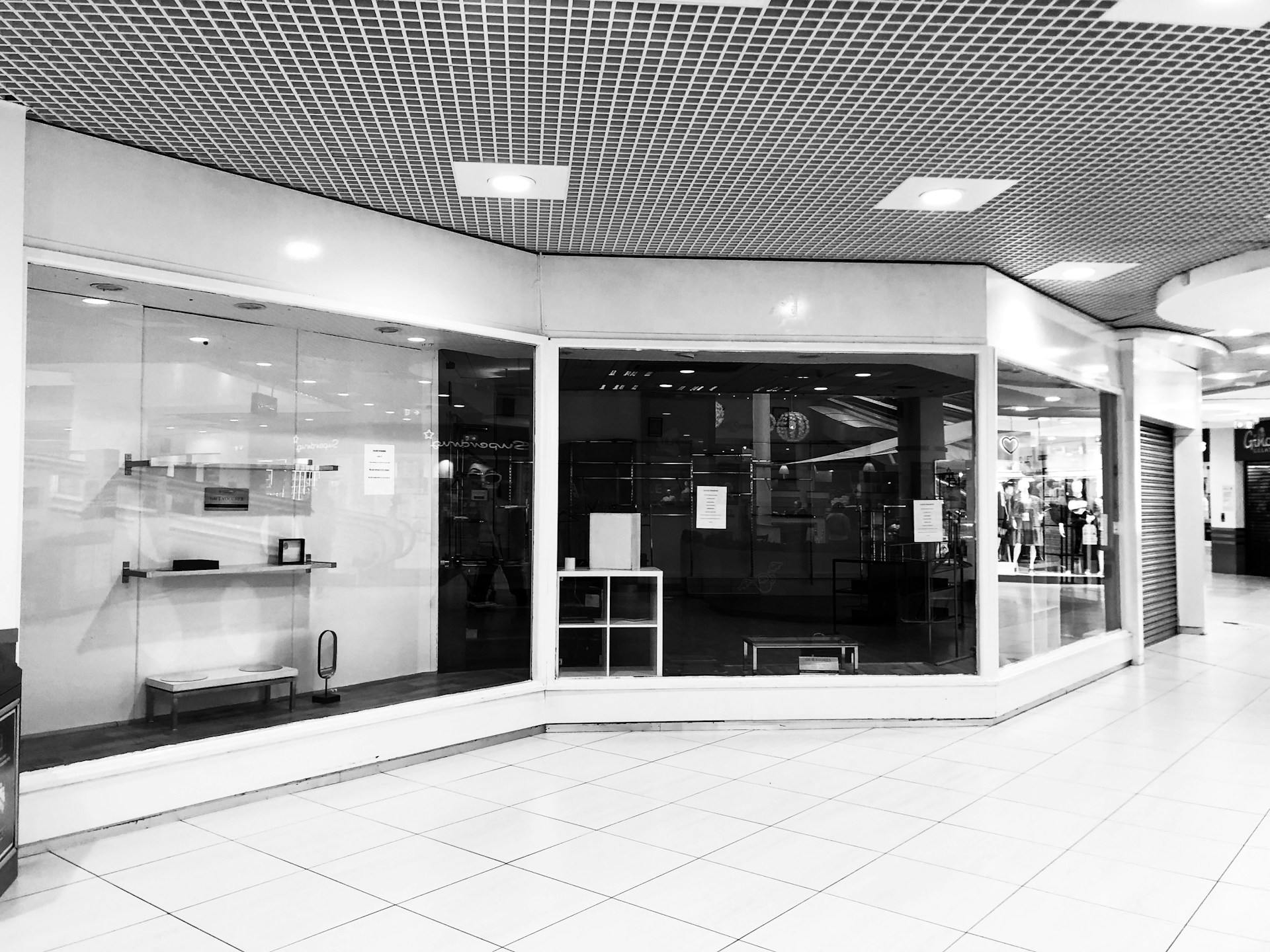

Boutique retail finish-out contractors transform raw commercial spaces into fully operational retail environments. We specialize in executing tenant build-outs and interior improvements that turn empty shells into inspection-ready stores designed to attract customers and drive sales.
Our work begins where base building construction ends. We coordinate permits and building codes, manage project schedules, and execute architectural plans with precision. The goal is opening boutique spaces on time and within budget while meeting brand standards and operational requirements that support successful retail operations.
Which Retail Spaces And Project Types Fit Boutique Finish-Outs?
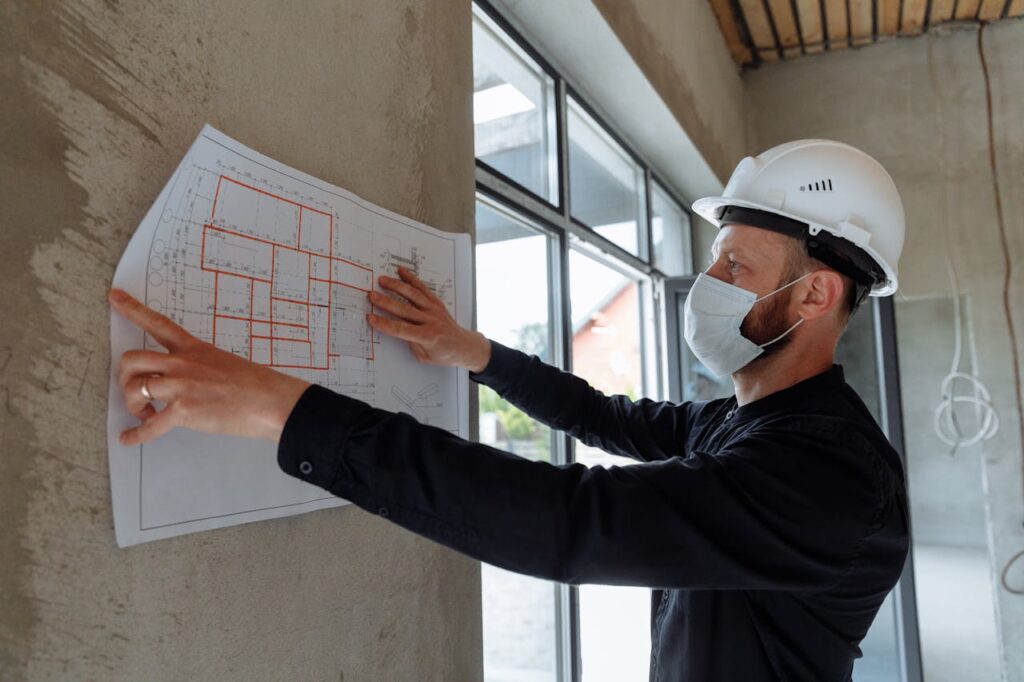
We execute boutique retail spaces across multiple property formats. Multi-tenant retail centers provide steady foot traffic through anchor tenants and shared parking facilities. Standalone stores allow complete control over layout and branding but require independent marketing to drive customer visits.
Shopping malls house many of our boutique finish-out projects. These enclosed spaces benefit from weather protection and concentrated shopper activity. Strip centers offer street visibility with convenient parking access. We coordinate around existing tenants while maintaining construction schedules that minimize business disruption.
Specialty Retail Categories
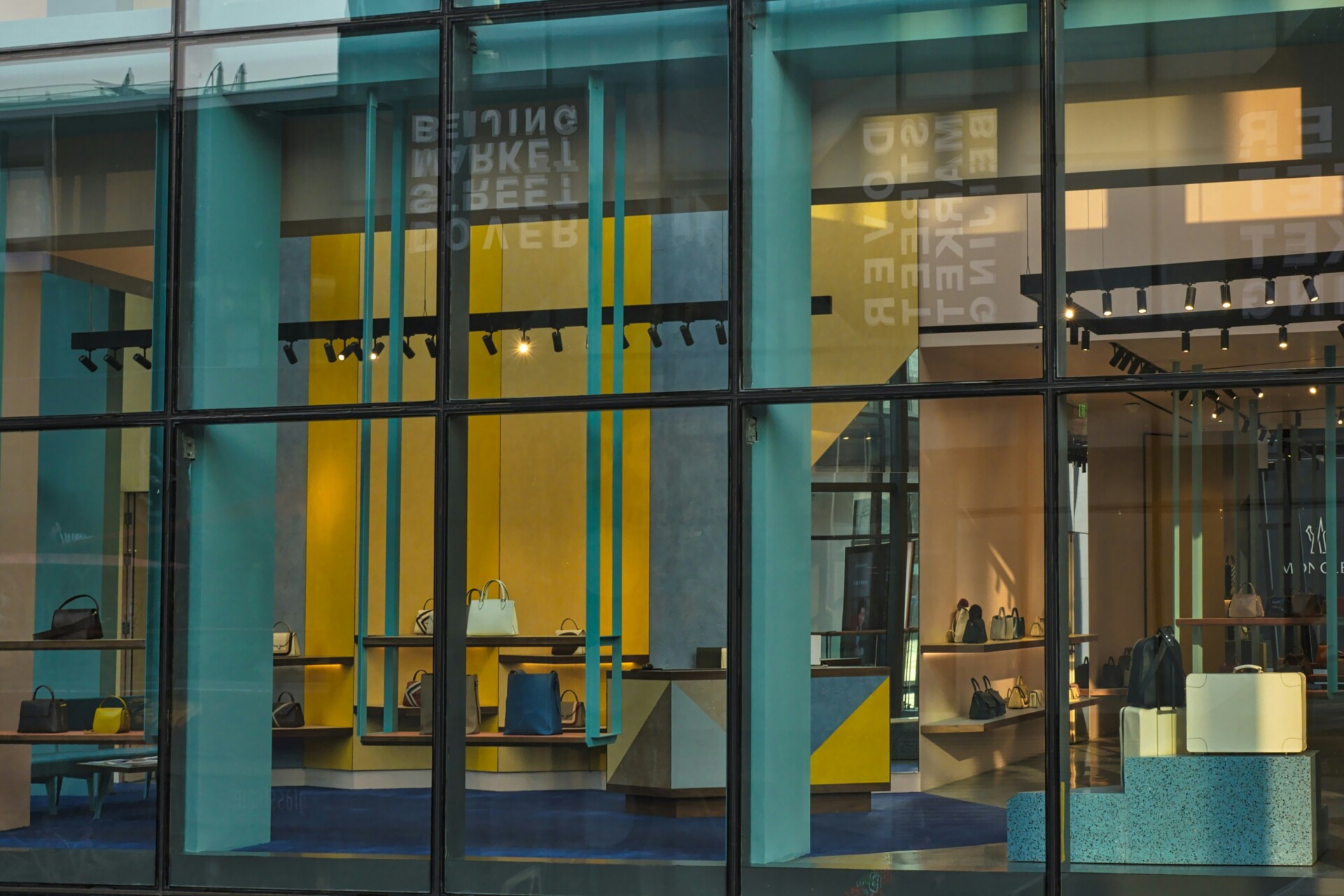
Jewelry shops represent a significant portion of our boutique retail spaces. These projects require security features, specialized lighting, and display configurations that highlight merchandise effectively. Fashion boutiques need flexible layouts that adapt to seasonal collections and changing inventory displays.
Apparel and accessories stores benefit from fitting rooms, inventory storage, and customer flow patterns that encourage browsing. Leather goods retailers require temperature and humidity controls to protect merchandise quality. We coordinate these environmental systems during the construction phase.
Footwear brands typically need specialized storage systems and seating areas for customer comfort. Fitness showrooms combine retail display with functional demonstration spaces for equipment testing. These dual-purpose areas require reinforced flooring and adequate electrical capacity.
Property Types And Locations
Freestanding buildings provide maximum design flexibility but demand independent utility connections and parking solutions. We manage site preparation, utility coordination, and municipal approvals for these ground-up retail projects.
National retail chains often require standardized layouts that replicate brand specifications across multiple locations. We maintain consistency while adapting to local building codes and site constraints. Retail construction projects frequently involve coordination between corporate design teams and local requirements.
Pharmacies need specialized areas for prescription fulfillment, consultation spaces, and security features for controlled substances. Outlet retailers focus on high-volume merchandise display with efficient checkout processes. Auto showrooms require vehicle access, specialized flooring, and service area integration.
We support various specialty concepts based on tenant needs and property characteristics. Each project type brings unique requirements for electrical systems, HVAC coordination, and finish specifications that align with operational goals.
What Services And Delivery Methods Are Typical?
We deliver comprehensive tenant improvements that transform raw or existing spaces into functional retail environments. Core services include full tenant build-outs, strategic interior improvements, exterior renovations and rebranding initiatives, shell construction for developers, additions and expansions, and adaptive reuse projects that breathe new life into underutilized spaces.
Primary Construction Services
Tenant improvements form the backbone of our retail construction work. We execute complete interior build-outs that establish functional layouts, install specialized fixtures, and integrate mechanical systems to support retail operations. These projects often involve demolition, framing, electrical work, plumbing installations, and finish carpentry to create cohesive retail environments.
Exterior renovations and rebranding projects refresh storefronts and building facades to align with updated brand standards. This work encompasses storefront replacements, signage installations, facade improvements, and accessibility upgrades that enhance curb appeal and customer access. We coordinate these improvements with property managers and local authorities to ensure compliance and minimal disruption.
Shell construction provides base building infrastructure for developers preparing speculative retail spaces. We install core utilities, basic HVAC systems, electrical service, and structural elements that future tenants can build upon. This approach allows developers to market move-in-ready spaces while giving tenants flexibility in final design decisions.
Project Delivery Approaches
General construction remains our most common delivery method for straightforward retail projects. Under this approach, we work from completed architectural plans to execute construction according to established specifications. This method provides clear cost definition and maintains traditional contractor relationships that many clients prefer.
Design-build delivery integrates design and construction under single-source responsibility. We collaborate with architects and designers during the planning phase to develop construction-friendly solutions that optimize both cost and schedule. This method accelerates project timelines by allowing construction to begin before complete design development.
Construction management expands our role to include oversight of multiple trade contractors and suppliers. We coordinate scheduling, monitor quality, manage budgets, and ensure code compliance while maintaining direct relationships between clients and specialty contractors. This approach works well for complex projects requiring specialized expertise.
Project Support And Planning Services
Project planning and budgeting establish realistic expectations and prevent cost overruns. We develop detailed estimates based on current material costs, local labor rates, and project-specific conditions. Value engineering identifies opportunities to optimize costs without compromising functionality or quality standards.
Critical path scheduling coordinates all project activities to maintain efficient progress. We sequence trades, coordinate material deliveries, and manage permit timelines to prevent delays. Our scheduling accounts for retail operational requirements and building management restrictions that affect when and how work can proceed.
Cost controls monitor project spending throughout construction to identify variances early. We track labor hours, material costs, and change order impacts against approved budgets. Regular reporting keeps stakeholders informed and enables proactive adjustments when necessary.
Retail-Specific Optimization
Customer flow optimization ensures retail layouts support efficient shopping patterns and maximize sales potential. We work with designers to position fixtures, create clear sightlines, and establish logical traffic flow from entrance to checkout. Display walls receive careful consideration for both structural support and aesthetic integration with overall store design.
Inspection readiness and deadline-driven handoffs maintain focus on opening schedules that directly impact revenue. We coordinate all inspections, ensure code compliance documentation is complete, and schedule final walkthroughs to meet tenant occupancy deadlines. Our systematic approach to project closeout prevents last-minute delays that could postpone store openings.
How Are Budget, Schedule, And Operations Managed?

We build realistic budgets by developing detailed cost estimates and applying value engineering throughout the process. Each line item gets scrutinized to balance quality with cost efficiency. Material takeoffs, labor calculations, and equipment costs receive careful review before we submit final numbers to clients.
Value engineering helps identify where we can maintain quality while reducing expenses. We examine material specifications, construction methods, and phasing options to find savings without compromising the finished product. This approach protects project margins while keeping client costs reasonable.
Schedule Development And Control Methods
We use critical path planning to identify which tasks control the overall timeline. This method shows us exactly where delays impact the completion date and where we have flexibility to adjust without affecting deadlines. Dependencies between trades become clear, allowing better coordination.
Block schedules organize work into logical phases with specific start and completion targets. Each block represents a major milestone, such as demolition completion or electrical rough-in approval. Teams can focus on clear objectives while maintaining overall project flow.
Accelerated schedule options help when opening dates cannot move. We overlap certain phases, add crew members, or extend work hours to compress timelines. Weekend work and double shifts become tools to meet critical deadlines while maintaining quality standards.
Managing Operations During Active Business Hours
Work often shifts to low-traffic hours to minimize disruption to surrounding businesses and foot traffic. Early morning, evening, and weekend scheduling keeps noise and dust away from peak shopping times. This coordination protects relationships with property managers and neighboring tenants.
Clear communication channels keep all parties informed about daily activities, potential disruptions, and milestone achievements. We provide regular updates to property management, business owners, and local authorities about schedule changes or temporary impacts. Proactive communication prevents conflicts and maintains goodwill.
Safety processes protect workers and the public during construction activities. We implement barrier systems, maintain clean walkways, and ensure proper ventilation in occupied buildings. Safety protocols adapt to each site’s specific challenges and occupancy patterns.
Regulatory Compliance And Inspection Coordination
We handle permits early in the process to avoid delays during construction. Building permits, electrical permits, and specialized approvals get submitted with complete documentation to speed approval times. Our relationships with local code officials help resolve questions quickly.
Code compliance verification happens throughout construction, not just at final inspection. We conduct internal reviews at each phase to catch issues before official inspections. This approach reduces callbacks and keeps projects moving forward on schedule.
Inspection milestones get built into the project timeline with buffer time for potential issues. We coordinate with inspectors to schedule reviews at convenient times for all parties. Proper preparation and documentation ensure smooth approval processes.
Risk management strategies address common construction and operational challenges. We identify potential weather delays, material delivery issues, and coordination conflicts before they impact schedules. Contingency plans help maintain progress when unexpected issues arise.
Landlord coordination ensures property requirements are met throughout construction. We work with property management to understand access restrictions, utility shutoff procedures, and common area protection needs. This collaboration prevents conflicts that could delay project completion.
Sustainable practices get incorporated when clients request environmentally conscious construction methods. We source local materials when possible, implement waste reduction strategies, and select energy-efficient fixtures and systems. These practices support client sustainability goals while maintaining project timelines and budgets.
Conclusion and Next Steps
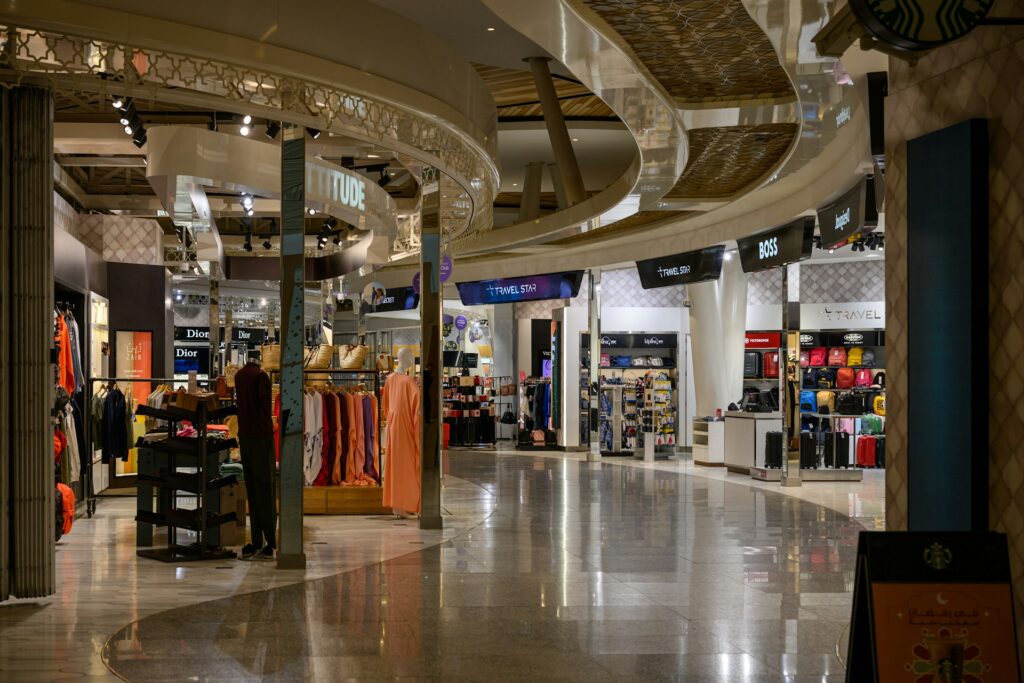
Boutique retail finish-out work centers on precise interiors, smooth schedules, and inspection-ready handoffs. Project goals drive every decision from initial design through final inspection milestones. Effective budgeting and realistic timeline development protect your investment and ensure on-time openings. These elements work together to deliver spaces that reflect your brand standards while supporting smooth daily operations.
Early planning sets the foundation for successful boutique retail finish-out projects. Align design details with customer flow patterns and brand requirements from the start. Secure permits and schedule inspections as part of the critical path rather than afterthoughts. Clear scope definition prevents delays and cost overruns during construction phases.
Contact EB3 Construction to coordinate your tenant build-out, renovation, or design-build project before demolition or mobilization begins.