Retail build-out costs in Texas range from $85 to $380 per square foot, and that spread exists for good reason. The formula itself is straightforward: divide total project cost by total square footage. What makes a retail construction estimate reliable is how carefully you build the components feeding that total.
At EB3 Construction, we approach every retail build-out estimate in layers, starting with a scope-based baseline, then adjusting for Texas market conditions, soft costs, design fees, contingency, and hidden risks before validating the final number against established benchmarks.
What Baseline PSF Range Should You Start With By Scope?

Scope definition is the first decision that anchors every other number in your estimate. The type of space you are building out, and the finish level it requires, determines which PSF band applies before any city or market adjustments enter the picture.
Shell Construction Costs
A full retail shell, which includes storefront systems, storefront glazing, and complete MEP rough-in, runs $250 to $380 per square foot. This range reflects the structural envelope, curtain wall or glazing systems, and the full mechanical, electrical, and plumbing infrastructure built from the ground up.
A basic retail or warehouse shell built with tilt-up concrete construction, minimal glazing, and limited utility distribution sits considerably lower at $85 to $130 per square foot. These structures prioritize function over finish and carry far less MEP intensity than a storefront-facing retail shell.
White Box And General Retail Build-Out Costs
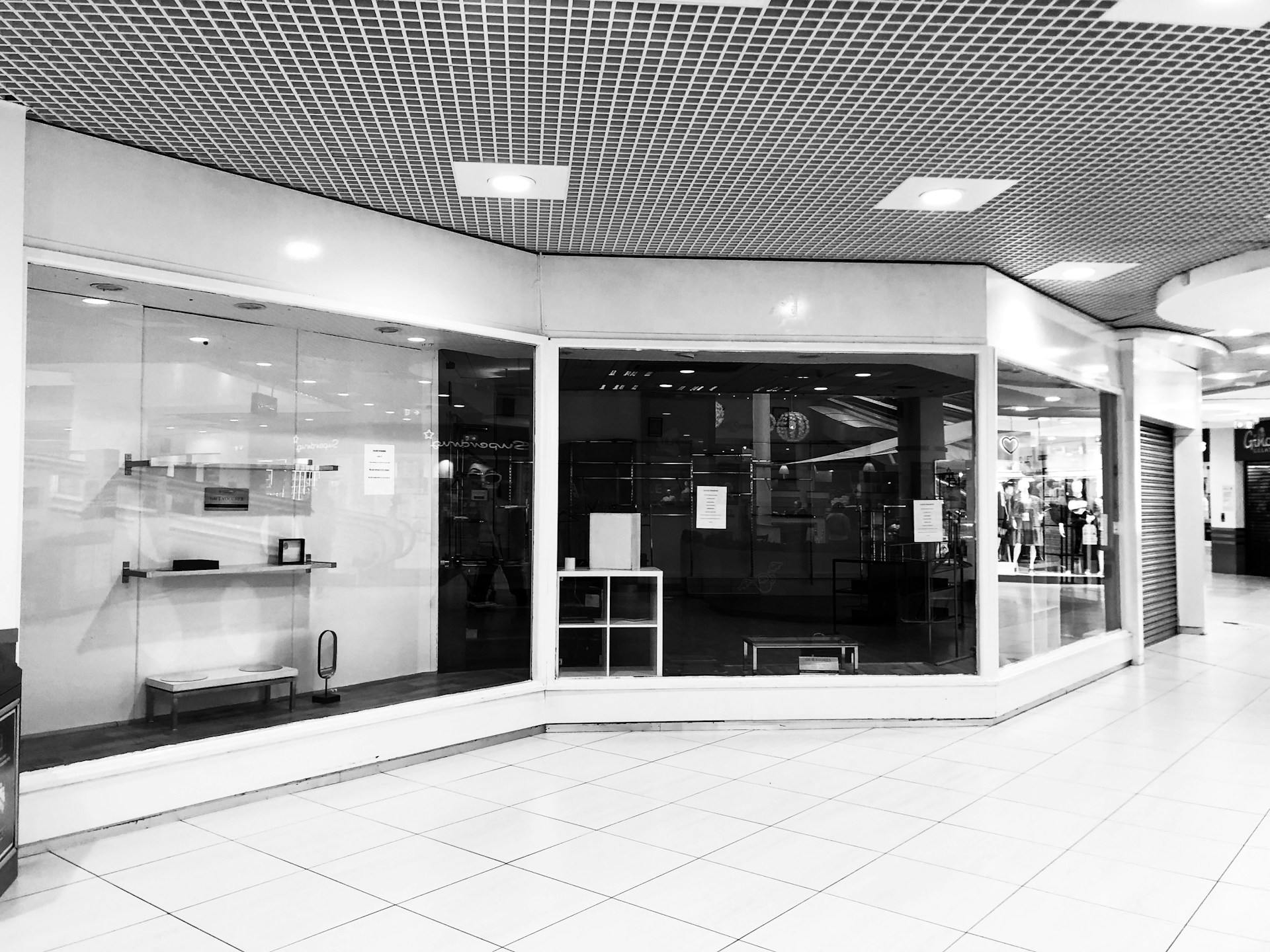
White box spaces arrive with basic ceiling systems, HVAC distribution already in place, and standard electrical power distributed to the floor. We typically price white box build-outs in the $120 to $180 per square foot range, though the final number depends on how much tenant improvement work is needed beyond what the landlord has delivered.
General retail build-outs cover the broadest spectrum, ranging from $130 to $320 per square foot. That wide band reflects the variation in finish quality, fixture complexity, and trade demand across different retail concepts. A straightforward apparel store with open layout and standard finishes lands near the lower end, while a specialty retailer with custom millwork and advanced lighting controls pushes toward the upper range.
High-End Build-Out Costs
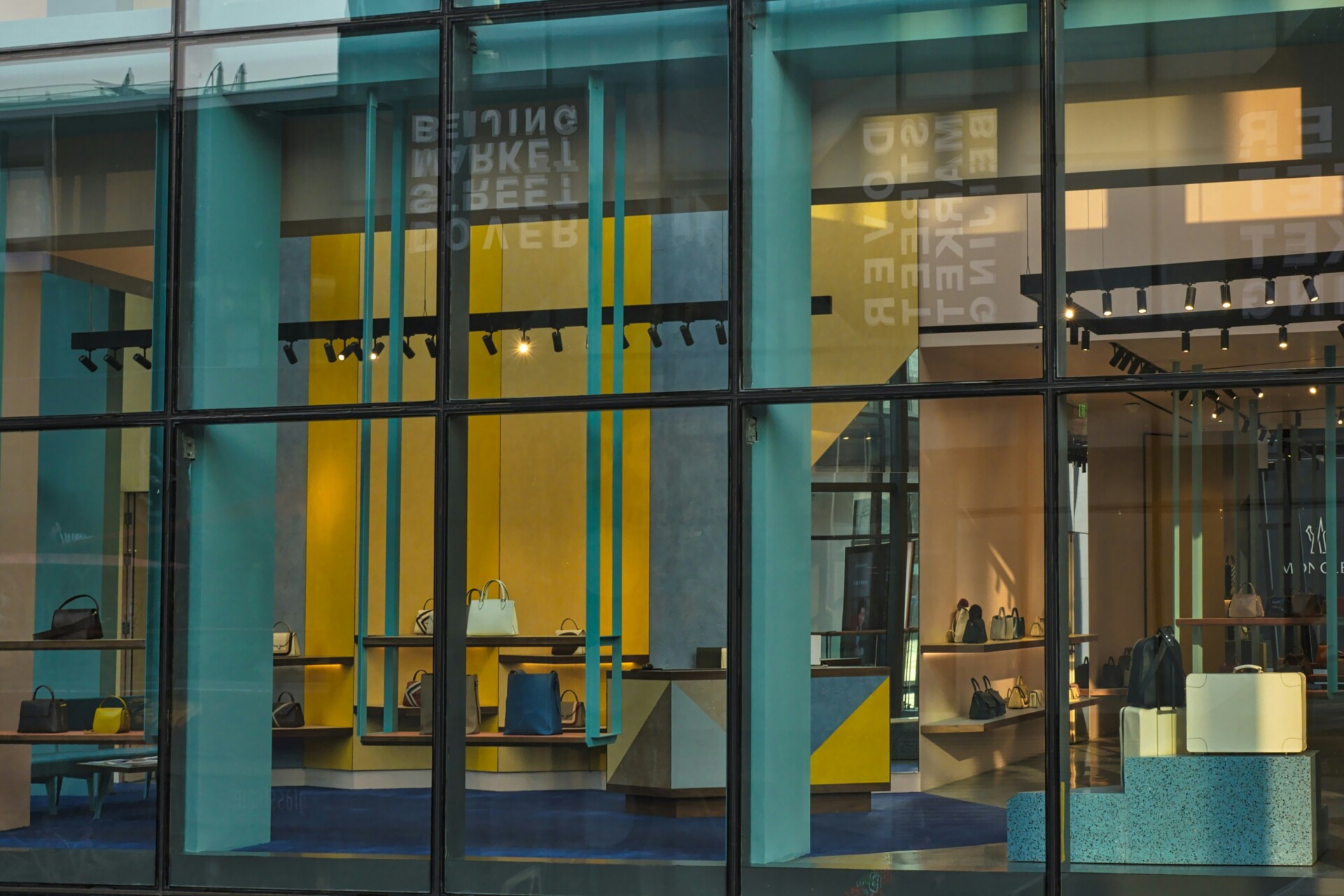
High-end retail build-outs start at $250 per square foot and climb from there. Premium finishes, custom architectural elements, specialty lighting control systems, and luxury flooring materials all require specialized installation and extended labor hours. These projects also tend to carry longer design and permitting timelines, which adds indirect cost pressure on top of the hard construction spend.
MEP Intensity As A Cost Multiplier
MEP intensity separates food-service and specialty retail from standard build-outs more than any other single factor. A conventional apparel or soft goods store carries manageable mechanical loads, but a food-service tenant introduces commercial ventilation hoods, grease traps, makeup air units, and significantly larger gas and electrical services. These systems alone can add $75 to $150 per square foot above what a standard retail build-out requires.
Grease traps in particular require coordination with civil, plumbing, and health department requirements, and their sizing depends on the volume and type of cooking equipment specified. We work through MEP coordination early in design development specifically because food-service scopes carry the highest risk of mid-project cost escalation when these systems are not fully defined before construction begins.
How Do Texas Location And Market Factors Change PSF?
Houston: Windstorm Codes And Structural Premiums
Houston consistently carries the highest retail construction costs in Texas. The city’s windstorm and flood-resistant code requirements force additional structural reinforcement and specialized building envelope systems that push PSF well above state averages. Floodplain compliance adds foundation depth and site preparation costs that developers in other Texas markets rarely encounter.
These regulatory demands affect more than just framing. The building envelope, roofing assemblies, and glazing systems all require engineering that meets coastal code thresholds. For retail projects in Houston, we factor these structural premiums into baseline estimates from the start rather than treating them as contingency items.
Dallas–Fort Worth: Competitive Pricing And Trade Depth
DFW maintains stable, competitive retail construction pricing due to a deep subcontractor pool and efficient material supply chains across the metroplex. The region does not carry the storm-related engineering requirements that inflate Houston budgets, which keeps bid pricing reasonable for shell, white box, and tenant improvement work.
Strong contractor competition in DFW also creates favorable conditions for developers who plan early and allow adequate bid time. Labor availability is generally better here than in Austin, and material logistics benefit from the region’s central position within major distribution networks.
Austin: Sustainability Expectations And Tech-Tenant Premiums
Austin retail construction costs trend higher due to LEED and sustainability expectations that tech-sector tenants now treat as standard requirements. Energy-efficient MEP systems, low-carbon material specifications, and green certification processes all add measurable cost above what comparable projects carry in other Texas markets.
Labor availability tightens during peak development cycles in Austin, which pushes skilled trade wages higher and can extend construction schedules. Permitting timelines also stretch longer when sustainability compliance requires additional review by local authorities, adding carrying costs that affect total PSF calculations.
San Antonio And Secondary Markets
San Antonio, Waco, Lubbock, and McAllen offer genuine cost efficiency for retail developers. Lower land costs and reduced labor competition keep subcontractor pricing more accessible, and municipal fee structures in these markets tend to be lighter than in major metros.
Secondary markets also tend to move through permitting faster for straightforward retail scopes, though complex projects can still face delays when reviewer capacity is limited. For developers weighing site selection, these markets can deliver meaningful PSF savings without sacrificing construction quality.
Contingency Planning And Permit Timelines
Across all Texas markets, steel and concrete price volatility can shift material costs by 10 to 15 percent within a single project cycle. HVAC equipment lead times remain extended, which forces earlier procurement decisions and can introduce storage costs that affect overall budgets.
We plan for a 3 to 5 percent contingency on every retail build-out, with Houston projects consistently requiring the higher end of that range given regulatory complexity. Permitting timelines vary significantly by city, and some AHJ review cycles run 6 to 8 weeks longer than others depending on project scope and local workload. Building those timeline buffers into preconstruction schedules prevents cost surprises once construction begins.
What Costs Should You Add Beyond Hard Construction?

A baseline PSF number covers the physical build, but it never tells the full story. Converting that figure into a reliable total project cost requires layering in soft costs, design fees, contingency, and allowances for risks that surface during permitting and construction. Each category carries real dollar weight, and underestimating any one of them can push a project budget well past its original ceiling.
Soft Costs And Design Fees
Soft costs typically run 8 to 12 percent of total project cost on standard retail build-outs. For complex retail scopes, such as food-service-heavy spaces or projects with extensive MEP coordination, that range can climb to 15 to 30 percent. These expenses include architectural fees, engineering services, building permits, inspections, legal fees, insurance, and construction financing charges.
Design fees sit within that soft cost structure and generally represent 8 to 15 percent of total construction cost, or roughly $2.50 to $5.00 per square foot. That range covers space planning, interior design coordination, MEP system design, and the full set of construction documents needed to pull permits and bid the work. Skimping on design fees often creates more expensive problems during the build itself, particularly when MEP systems require field redesigns or permit revisions.
Permitting and inspection fees alone can add 3 to 5 percent to a project budget depending on the jurisdiction. In Texas, authority having jurisdiction (AHJ) review timelines vary by city, and those delays carry real carrying costs when financing is in place.
Contingency Allocation
A 3 to 5 percent contingency is the standard buffer for retail build-out projects. This reserve absorbs material price volatility, extended lead times on mechanical equipment, and scope unknowns that only become visible once walls open or slabs are cut. Contingency is not a slush fund; it is a structured line item tied to documented risk factors.
Projects in markets with tighter labor availability or higher material exposure warrant contingencies at the upper end of that range. When a contingency runs out before construction does, the difference typically lands in change orders, which introduces a separate budget risk discussed below.
Hidden Risks And Change Order Exposure
Beyond the standard cost categories, several risk items carry significant budget impact and are frequently underweighted in early estimates. Soil remediation is one of the more common surprises on Texas sites, particularly in areas with expansive clay or prior industrial use. Addressing poor soil conditions after mobilization is far more expensive than identifying the issue during pre-construction due diligence.
Material price spikes remain a real exposure in the current construction environment. Supply chain disruptions can affect lead times on mechanical equipment, glazing systems, and electrical gear, all of which sit on the critical path for retail build-outs. When material costs rise mid-project and contingency is already committed, change orders become the mechanism for capturing that additional scope, often adding 10 to 20 percent beyond the original contract value.
Permit delays compound these risks. A review cycle that runs six to eight weeks longer than planned extends the financing period, increases insurance premiums, and can push trade start dates into less favorable labor market windows. We account for these timeline risks during preconstruction so that the project schedule reflects realistic permit assumptions rather than optimistic ones.
Where Budget Weight Actually Concentrates
Within the hard cost side of a retail build-out, budget weight does not distribute evenly across trades. Mechanical systems consistently rank as one of the heaviest line items, with costs in retail work running around $27.99 per square foot. General conditions, which cover project management, supervision, temporary facilities, and site logistics, typically land near $23.16 per square foot and are often underestimated in early budgets.
Carpentry, doors, and windows account for approximately $21.58 per square foot, reflecting the finish intensity of most retail environments. Overhead and profit add roughly $14.44 per square foot, and finishes contribute around $12.63 per square foot. Together, these five categories represent the core of what drives total PSF in a retail build-out, and each one deserves its own line in any serious project estimate.
What Step-By-Step Method Converts Scope Into Total PSF?
With baseline ranges, city adjustments, and layered costs already defined, the remaining task is sequencing those inputs into a single, defensible PSF figure. The eight steps below form the method we use to move from a rough scope description to a number that holds up through design, permitting, and procurement.
Steps 1 Through 4: Building The Cost Stack
Start by selecting the baseline PSF that matches your scope category. A white box, a full retail shell, and a high-end tenant improvement each carry a distinct starting range, and choosing the wrong category at this stage compounds every downstream calculation.
Once the baseline is set, apply the regional adjustment for your target Texas market. Labor availability, subcontractor competition, and code requirements vary enough between Houston, Dallas-Fort Worth, Austin, and secondary markets to move your number meaningfully in either direction.
With the adjusted baseline in place, layer in soft costs and design fees. Soft costs typically run 8 to 12 percent of total project cost, though complex retail programs can push that figure to 15 to 30 percent. Design fees generally fall between $2.50 and $5.00 per square foot, or 8 to 15 percent of construction cost, depending on scope complexity and MEP coordination demands. Add a contingency of 3 to 5 percent on top of those figures, using the higher end for Houston projects or any scope with elevated structural or mechanical requirements.
Steps 5 And 6: Risk Allowances And The Final Calculation
Before calculating total PSF, identify the hidden risks specific to your project. Soil conditions, permit review timelines, material price volatility, and the likelihood of change orders all carry real cost exposure. Each risk category should receive a documented allowance rather than a verbal assumption, because undocumented assumptions are where budgets break down.
Once all cost layers are assembled, the calculation itself is straightforward: sum every cost component and divide by total square footage. That single figure is your total PSF. The discipline at this step is ensuring nothing is left out of the numerator before dividing.
Steps 7 And 8: Benchmarking And Phased Validation
Cross-check the calculated PSF against established Texas retail benchmarks before treating it as final. General retail build-outs typically run $130 to $320 per square foot, white box work falls between $120 and $180, and retail shell construction ranges from $250 to $380. A figure that lands well outside those bands warrants a line-by-line review of assumptions before the number is shared with stakeholders or used for financing.
The final step is controlling estimate accuracy through phased budgeting rather than treating the initial PSF as a fixed answer. At the preliminary stage, historical PSF data drives the figure. Through design development, the estimate is updated system by system as architectural and MEP documents become available. After permits are issued, trade bids provide the final validation layer.
Putting The Numbers To Work For Your Project
Retail build-out cost per square foot is only as useful as the method behind it. A number pulled from a general benchmark without scope definition, market adjustment, and a full soft cost stack is not an estimate; it is a starting point that can mislead financing decisions, lease negotiations, and project timelines if it goes unvalidated.
The method outlined here works because it builds cost in layers. Scope category sets the baseline. Texas market conditions apply the regional adjustment. Soft costs, design fees, contingency, and documented risk allowances complete the picture before a single trade bid is received. That layered approach is what separates a reliable early estimate from one that collapses when design development reveals what was actually left out.
For developers and property owners moving from a rough program into active preconstruction, the most important step is getting a builder involved early enough to pressure-test those assumptions with real subcontractor input and current market pricing. Estimates built on historical averages alone tend to shift in the wrong direction as design documents mature. Estimates built on scope-specific detail hold up.
Contact EB3 Construction to discuss your retail project and get a build-out estimate grounded in current Texas market conditions, not national averages.