Texas grocery construction demands specialized expertise down to the last square foot. We build retail spaces from the ground up, retrofit existing locations during open-store remodels, and handle tenant improvements that transform empty shells into fully operational markets.
Our work spans Houston, San Antonio, Dallas, Austin, Fort Worth, and beyond as retail redevelopment accelerates statewide. Each project involves feasibility studies, site preparation, structural work, and specialized systems that keep perishables fresh and customers moving efficiently through checkout lanes.
What Are The Core Phases Of Grocery Store Construction?
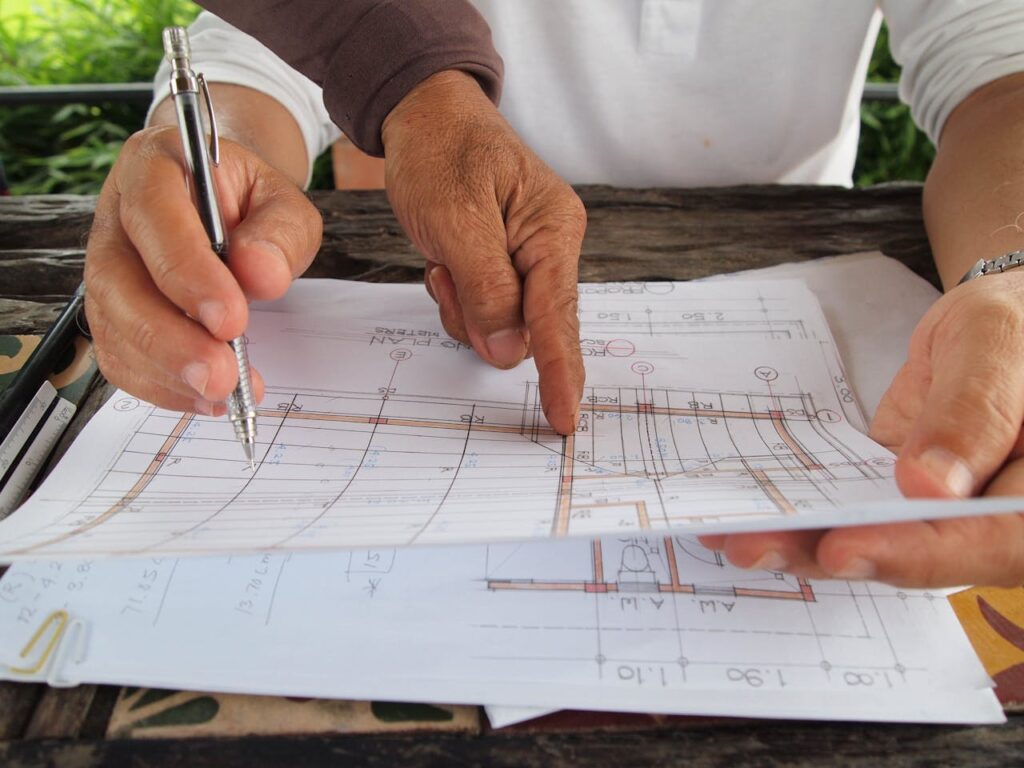
We execute grocery store construction through distinct phases that build on one another. Site preparation begins with clearing debris, leveling land, and establishing proper drainage for the construction site. This phase also involves removing existing structures or interior buildouts when converting spaces for new grocery operations.
Foundation and structural construction follows once site work is complete. We install reinforced concrete foundations designed to support heavy loads from refrigeration equipment, shelving units, and steady customer traffic. Steel or concrete structural framing creates the building envelope, with particular attention paid to load-bearing requirements for equipment rooms and storage areas.
Installing Specialized Equipment Systems
The installation of refrigeration systems is one of the most complex phases in grocery construction. We coordinate walk-in coolers, freezer units, and refrigerated display cases with the electrical and mechanical systems. These installations require precise temperature control, energy-efficient design, and sustainable construction practices to maintain product quality while controlling operating costs.
Shelving installation follows systematic planning to maximize product display while maintaining clear customer flow patterns. We integrate heavy-duty shelving systems that can accommodate varying product weights and sizes. The shelving layout aligns with the overall store design to support efficient stocking procedures and clear sightlines throughout the space.
Compliance With Health And Safety Regulations
Health and safety compliance verification runs throughout every construction phase rather than only at project completion. We coordinate multiple inspections for fire suppression systems, emergency exits, and food safety requirements. Building officials review structural integrity, while health departments examine areas designated for perishable goods storage and handling.
Commercial general contractors manage these compliance requirements by maintaining up-to-date knowledge of local codes and coordinating with regulatory authorities early in the process, as well as staying current on state regulations. This approach helps prevent costly delays that can occur when compliance issues surface during final inspections.
Trade Coordination And Project Management
We coordinate electricians, plumbers, HVAC technicians, and carpenters through carefully sequenced scheduling that maximizes efficiency. Electrical rough-in work happens after structural framing but before wall installation, while HVAC ductwork installation is coordinated with ceiling systems and equipment placement.
Plumbers install water supply lines for employee facilities, food preparation areas, and cleaning stations. Mechanical systems are coordinated with refrigeration contractors to ensure adequate drainage for defrost cycles and effective condensation management throughout the store.
Carpenters handle finish work, including custom millwork, checkout counter installation, and specialty fixtures that support the store’s operational requirements. This phase brings together prior work to create the final retail environment, ready for product stocking and customer operations.
Open-store remodels follow modified versions of these phases while maintaining store operations during construction. We implement phased schedules that allow sections of the store to remain operational while work progresses in contained areas. This approach requires additional safety measures and coordination to protect both workers and customers throughout the remodeling process.
How Is Construction Management Handled Across Texas Markets?
We manage construction projects through systematic coordination of multiple critical functions. Detailed scheduling forms the foundation of our approach, with project timelines mapped against trade sequences, material delivery windows, and inspection requirements. This scheduling process accounts for Texas-specific factors such as weather patterns, permitting variations between jurisdictions, and regional labor availability.
Subcontractor supervision requires daily coordination among specialized trades. We maintain direct communication with electricians, plumbers, HVAC technicians, and other specialists to ensure work progresses according to established sequences. Our teams conduct regular progress reviews and address conflicts before they impact project momentum.
Site prep coordination involves managing earthwork, utility connections, and access logistics. We coordinate with municipal departments for permits and inspections while managing material staging areas and equipment placement. This coordination becomes particularly complex when projects involve open-store remodels, where customer access must remain uninterrupted.
Project accounting tracks costs against approved budgets through detailed line-item monitoring. We maintain real-time visibility into labor hours, material expenses, and change-order impacts. This financial oversight helps us identify potential overruns early and implement corrective measures to protect project budgets.
Safety planning encompasses site-specific hazard assessments, worker training protocols, and compliance with OSHA requirements. We implement safety management systems that document all training, maintain equipment inspection records, and ensure proper use of personal protective equipment across all trades. For heat-stress considerations specific to Texas crews, see our guide on OSHA compliance.
Quality assurance operates through structured inspection processes at key construction milestones. Our teams verify that work meets specifications before subsequent phases begin. This systematic approach reduces callbacks and ensures final deliverables align with design intent and regulatory standards.
We conduct feasibility studies during early project phases to identify potential challenges and optimize construction approaches. These studies examine site conditions, regulatory requirements, and logistical constraints that could affect project delivery. Early feasibility work helps us develop realistic timelines and avoid costly surprises during construction.
Procurement management leverages established networks of suppliers and vendors to secure materials and equipment according to project schedules. We maintain relationships with multiple suppliers to ensure availability and competitive pricing while coordinating delivery schedules to minimize on-site storage requirements. This procurement approach supports our ability to deliver projects with speed-to-market while maintaining quality standards.
Our construction management approach scales effectively from single-location projects to multi-site retail programs across Texas markets. Whether we’re managing one grocery store or coordinating rollouts across multiple markets such as Dallas, Houston, and Austin, we apply consistent management protocols while adapting to local requirements and market conditions.
What Grocery-Specific Systems And Standards Matter Most?
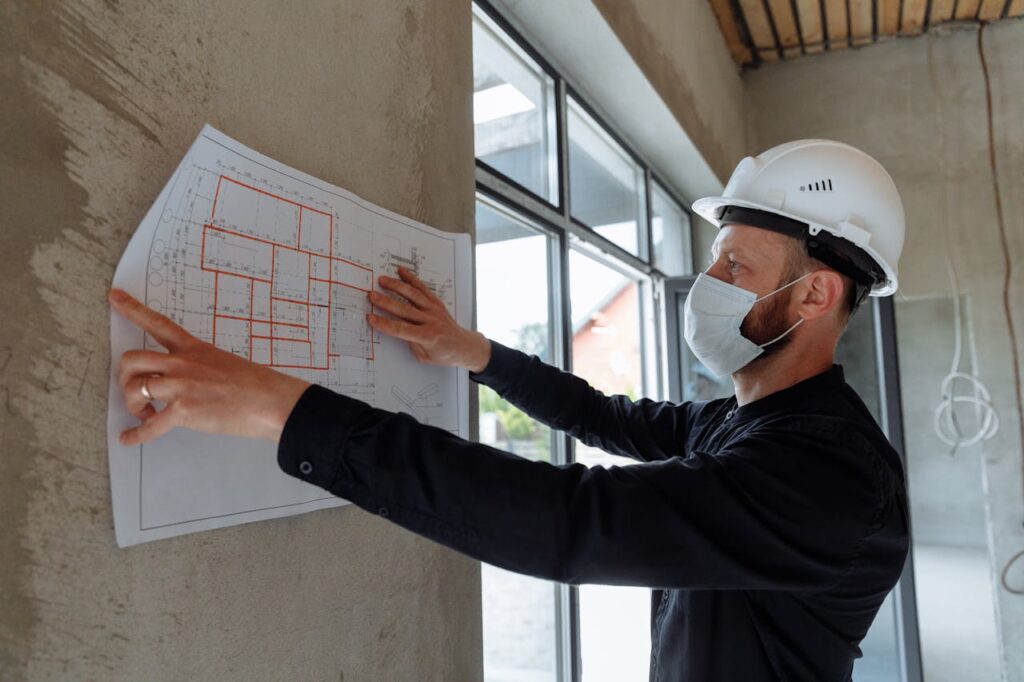
Grocery store construction requires specialized systems that standard retail spaces rarely need. We coordinate refrigeration infrastructure, power distribution, and structural components engineered to handle substantial equipment loads while upholding food safety standards. These buildings require precise climate control zones, from freezer sections operating below 0°F to produce areas with carefully regulated humidity.
Temperature management extends beyond basic HVAC considerations. We install multi-zone refrigeration systems that maintain different climate requirements across departments. Dairy sections need a consistent 35–38°F range, while frozen food areas require sub-zero environments. Power and automation systems support these requirements through dedicated electrical circuits, backup generators, and monitoring networks that alert store managers to temperature fluctuations.
Structural Considerations for Heavy-Load Design
Grocery stores carry equipment loads that exceed typical retail construction standards. We design floor systems to support industrial refrigeration units, meat processing equipment, and fully loaded storage racks. Structural engineers calculate loads for walk-in coolers, which can weigh several thousand pounds when fully stocked with product and refrigeration equipment.
Ceiling structures accommodate suspended conveyor systems, overhead storage solutions, and extensive HVAC ductwork. We coordinate with architects and retail planners to ensure structural elements support operational requirements while maintaining customer flow patterns. Foundation work includes provisions for grease traps, floor drains, and utility trenches that serve back-of-house operations.
Layout Design for Customer Flow and Operational Efficiency
Store layouts balance customer experience with operational functionality. We work with retail planners to create sight lines that guide shoppers through departments while providing clear access for restocking activities. Wide aisles accommodate shopping carts and allow staff to move pallets and equipment during off-peak hours.
Back-of-house areas require specialized design considerations. We coordinate loading dock placement, cold storage access, and staff circulation patterns that minimize interference with customer areas. Checkout zones need adequate electrical capacity for point-of-sale systems, security equipment, and customer service functions. These design elements affect construction scheduling because electrical and data infrastructure must align with final fixture placement.
Energy-Efficient Systems and Sustainability Practices
Modern grocery construction incorporates energy-efficient systems that reduce operational costs. We coordinate LED lighting systems, high-efficiency HVAC equipment, and smart building controls that optimize energy usage based on occupancy patterns. Refrigeration systems use environmentally friendly refrigerants and heat recovery technology that captures waste heat for space heating or hot water production.
Sustainability practices extend to building envelope design and insulation strategies. We work with architects to specify materials and construction methods that improve thermal performance. Window placement, roof design, and exterior wall assemblies affect interior climate control loads and long-term energy consumption.
Code Compliance and Brand Standards
Grocery stores operate under strict health department regulations that affect construction methods and material selection. We coordinate with local health authorities to ensure proper ventilation, water quality systems, and surface materials that meet food safety requirements. Floor finishes, wall coverings, and ceiling systems must support regular sanitization procedures.
Brand standards add another layer of construction requirements. National grocery chains specify fixture types, lighting levels, and interior finishes that create consistent customer experiences. We coordinate these elements with local building codes and accessibility requirements. Fire protection systems, emergency exits, and life safety equipment must integrate seamlessly with brand aesthetic requirements while maintaining full code compliance.
How Should Owners Evaluate A Partner For Texas Grocery Builds?
Selecting the right contractor can determine project success. Start by verifying licenses with local boards and state agencies. The Texas Department of Licensing and Regulation oversees specialty trades like electrical and plumbing, while general contractor requirements vary by municipality. Dallas, Houston, and San Antonio each maintain distinct registration processes that we confirm before bidding.
Contact past clients directly to understand their firsthand project experience. Ask about schedule performance, budget adherence, and problem-solving during challenging phases. References should include recent grocery or retail projects similar in scope to your build. These conversations reveal how contractors handle the pressures of retail construction, including tight schedules and operational disruptions.
Request competitive bids from at least three qualified contractors. Each proposal should detail the complete scope of work, including specialized grocery systems, code compliance measures, and project timelines. We ensure our bids include refrigeration infrastructure, HVAC coordination, and all necessary permits. Evaluate pricing alongside the thoroughness of each contractor’s approach to grocery-specific requirements.
Look for teams with proven retail construction experience, particularly in grocery environments. Open-store remodels demand specialized scheduling and safety protocols that many general commercial contractors may lack. We coordinate phased construction to minimize disruption while maintaining health department compliance. Teams should demonstrate familiarity with grocery operational needs, from loading dock logistics to customer safety during construction.
Prioritize contractors who provide clear reporting and communication systems. Quality control processes should include regular progress updates, budget tracking, and proactive issue resolution. We establish communication protocols from planning through closeout, ensuring stakeholders stay informed about schedule changes, permit approvals, and inspection results. Strong project management prevents surprises and supports successful grocery store openings.
Conclusion and Next Steps
Successful Texas grocery projects require careful coordination of retail planning and complex mechanical systems. Refrigeration, HVAC, and electrical systems are the backbone of grocery operations, making technical expertise essential for project success. We approach each build by addressing these interdependent systems early in the planning process to prevent costly delays and ensure seamless integration.
A clear project definition lays the foundation for success. Confirm compliance with Texas building codes before construction begins. Agree on construction management processes, safety protocols, and quality assurance standards during pre-construction planning. These early conversations prevent misunderstandings and set clear expectations for scheduling and subcontractor management throughout the build phase. Verify contractor licenses with local boards and secure detailed references from recent grocery projects. Request competitive bids from at least three qualified teams, and ensure each proposal covers the full scope of work, including specialized systems, permits, and closeout procedures.
Ready to start your Texas grocery project? Contact EB3 Construction to discuss your retail construction needs.