A well-designed modern retail storefront can turn casual foot traffic into committed customers. The combination of large glass panels, sleek metal framing, and strategic custom signage creates an immediate visual impact that signals professionalism and draws people inside.
Hiring a contractor to build a modern retail storefront helps ensure that aluminum storefront systems, insulated glass, and coordinated entrances work together seamlessly. Beyond the installation itself, property owners need to make critical decisions about scope, materials, and timeline that will shape both the construction process and the final result.
What Scope And Specifications Should You Define Before Bidding?
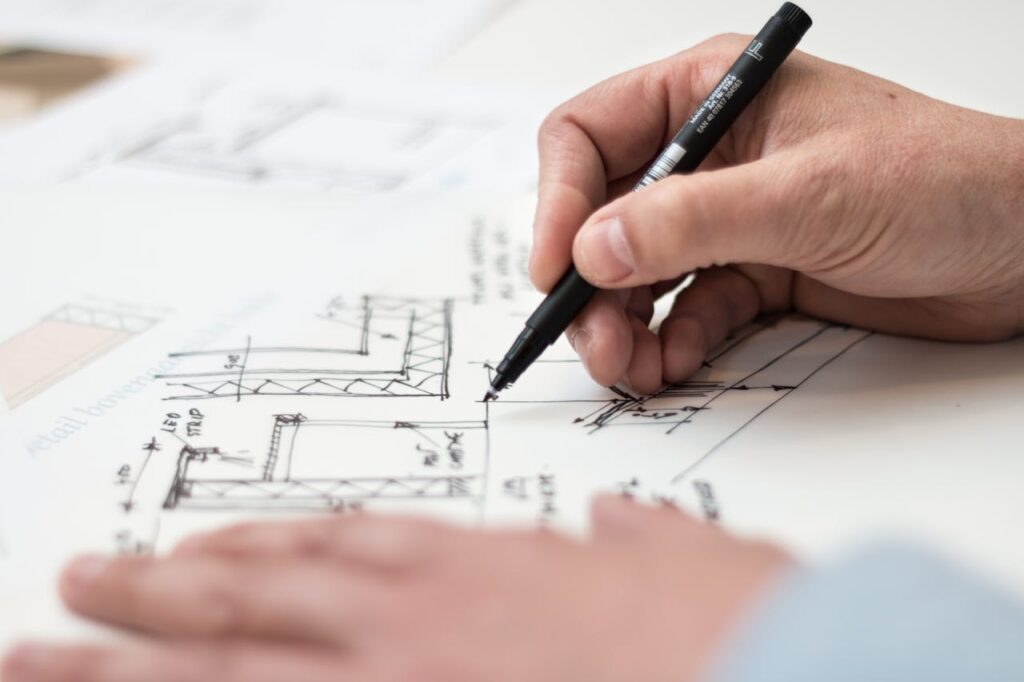
Setting precise storefront specifications early helps prevent costly change orders and miscommunication during construction. Clear documentation helps EB3 Construction deliver accurate pricing and coordinate in-house fabrication effectively.
Essential Frame Specifications
Define exact frame dimensions for both exterior and interior applications. Standard 2 x 4½-inch exterior storefront frames accommodate most commercial glazing requirements and maintain structural integrity. Interior applications typically use 1¾ x 4½-inch assemblies that reduce material costs without sacrificing performance.
Specify door configurations, including sidelites and transoms, early in the design phase. Custom oversized entrances require additional engineering calculations and may affect foundation requirements. Document any non-standard opening sizes or special structural considerations that impact fabrication schedules.
Turnkey Scope Definition
A comprehensive turnkey storefront package includes all weather sealing components. Brake-metal wrap provides clean transitions between different materials and protects against moisture infiltration. Sill flashing directs water away from the building envelope while maintaining the intended appearance.
Include backer rod and caulking specifications to ensure proper sealant adhesion and long-term durability. These seemingly minor components can significantly impact overall weather resistance. Quality sealant application requires specific temperature and humidity conditions during installation.
Finish Options and Metal Accents
Document all finish requirements, including anodized aluminum options, powder coating colors, and any specialty treatments. Metal accents such as decorative caps, trim pieces, or architectural reveals should be specified with exact dimensions and attachment methods.
Consider maintenance requirements when selecting finishes. Some coatings require periodic renewal, while others provide decades of service with minimal upkeep. Factor these long-term costs into the initial specification process.
Additional System Components
Automatic door systems require separate electrical coordination and may need dedicated structural support. Specify operating mechanisms, safety sensors, and backup power requirements if applicable. These systems often integrate with building access control and fire safety protocols.
Aluminum panels and curtain wall elements expand design possibilities but require careful coordination with the primary storefront system. Thermal movement, structural loads, and installation sequences must align across all components. Document connection details and expansion joint locations to prevent performance issues.
How Should You Vet EB3 Construction or Other GC For This Type Of Build?
Storefront construction demands specialized expertise that separates qualified general contractors from those who primarily handle standard commercial builds. We bring specific capabilities in aluminum storefront systems that you should evaluate carefully before committing to a partnership.
Licensing, Bonding, and Insurance Verification
Start by confirming our licensed, bonded, and insured status through your state’s contractor licensing board. We maintain active general contractor licensing, along with specialized trade certifications for glazing and metal work. Our bonding capacity should align with your project size, typically requiring coverage that exceeds the contract value by 20–30 percent.
Insurance requirements extend beyond basic coverage for storefront work. We carry commercial general liability, professional liability, and completed operations coverage. Workers’ compensation insurance protects both our team and your liability exposure during the fabrication and installation phases.
In-House Fabrication and Installation Capabilities
Ask detailed questions about our fabrication facilities and installation crew structure. We operate our own metal fabrication shop, which provides direct quality control over frame welding, glass cutting, and hardware preparation. This in-house capability eliminates coordination delays among multiple subcontractors and allows us to maintain consistent quality standards.
Our installation teams specialize in storefront systems rather than general construction. They understand the precise tolerances required for weather sealing, glass placement, and automatic door integration. We can demonstrate this expertise through photos of recent installations and references from similar retail projects.
Experience With Aluminum Storefront Systems
Evaluate our track record with aluminum storefront systems by reviewing completed projects that match your scope and complexity. We should demonstrate familiarity with major manufacturers along with their specific installation requirements and warranty protocols.
Our experience includes both standard storefront configurations and custom entrances that require engineering coordination. We understand thermal break requirements for energy efficiency and thermally broken systems, structural glazing techniques, and the integration challenges that arise when combining storefront systems with curtain walls or automatic doors.
Permits and Code Compliance Management
Storefront construction involves multiple permit requirements that we coordinate throughout the project. We handle building permits for structural modifications, electrical permits for automatic door operators and signage connections, and mechanical permits when HVAC integration is required.
Our permit management includes plan preparation that meets local building department standards. We understand submission timelines, review cycles, and the inspection sequence required for storefront approval. This coordination prevents delays that commonly occur when permit responsibilities are unclear or mismanaged.
ADA Compliance and Accessibility Integration
Modern storefronts must meet ADA requirements for door operation, threshold heights, and maneuvering clearances. We evaluate these requirements during design development and incorporate them into fabrication specifications.
Our ADA expertise includes automatic door selection and programming, accessible hardware placement, and coordinating interior accessibility routes with exterior entrance configurations. We understand how accessibility requirements affect door swing directions, landing dimensions, and the integration of ramps or level landings.
Project Lead Times and Delivery Coordination
Reliable project lead times depend on our ability to sequence site measurement, fabrication, and installation efficiently. We provide realistic timelines based on current fabrication capacity and weather considerations for exterior installation work.
Our project coordination includes material procurement schedules, fabrication milestones, and installation windows that align with your occupancy requirements. We maintain buffer time for permit approvals and weather delays while delivering complete entrance packages that include all finish work and final testing and verification.
Which Glass, Metal, And Signage Choices Support A Modern Look?

Creating Visual Impact Through Glass Selection
Large, unbroken dual-pane insulated glass panels create the foundation of a modern storefront aesthetic. We select these panels to maximize visibility while maintaining thermal efficiency. The seamless look eliminates visual barriers between interior and exterior spaces.
Frameless glass doors complement this approach by minimizing structural interruptions. They create smooth transitions that reinforce a minimalist design. The absence of visible frames puts products and interior design at the forefront.
Prioritizing Safety and Performance
Tempered glass provides essential protection without compromising visual appeal. This material shatters into small, blunt pieces rather than dangerous shards. We specify tempered glass for all pedestrian-level applications to meet building codes and protect occupants.
Energy-efficient glass with Low-E coatings helps reduce heating and cooling costs throughout the year. These coatings reflect infrared light while allowing visible light to pass through. UV protection features safeguard interior merchandise and furnishings from sun damage.
Advanced Glass Technologies for Flexibility
Smart glass technology allows property owners to adjust transparency levels on demand. These dynamic glass systems switch from clear to opaque using electrical control. We integrate these solutions when privacy control or glare reduction becomes a priority.
The adaptive nature of smart glass supports changing business needs throughout the day. Morning transparency shifts to afternoon privacy without physical alterations. This flexibility proves valuable for retail spaces with varying display requirements.
Incorporating Metal Accents and Custom Elements
Subtle metal accents provide structural definition without overwhelming the glass. We position these accents to highlight architectural features and create visual interest. Aluminum and stainless steel options offer durability while maintaining clean lines.
Custom artistic glass introduces brand identity through etched patterns, logos, or frosted details. These elements can incorporate company colors or distinctive design motifs. We coordinate these custom features during the fabrication process to ensure seamless integration.
Integrating Technology and Natural Elements
Interactive digital displays embedded within the storefront create dynamic marketing opportunities. These systems can showcase promotional content, product videos, or real-time information. We coordinate electrical infrastructure during construction to support these features.
Biophilic design elements such as integrated planters or nearby greenery soften the industrial materials. Living walls or strategically placed vegetation create visual balance against glass and metal surfaces. This approach appeals to environmentally conscious consumers while enhancing the overall aesthetic.
What Does A Typical Storefront Build And Installation Workflow Include?
We approach every storefront project with a structured sequence that ensures quality control and compliance. Starting with accurate site measurements, we progress through fabrication, installation, and final testing to deliver a complete entrance package that meets your specifications and regulatory requirements.
Initial Assessment and Planning
We begin each project with detailed site measurements to confirm existing conditions and structural requirements. During this phase, we finalize drawings with precise dimensions and review all finish selections, including frame colors, glass specifications, and hardware details. Weather considerations inform our initial scheduling, and we plan critical installation phases around favorable conditions.
Material procurement follows immediately after measurements are confirmed. We inspect all components before they arrive on-site, checking aluminum frame sections, insulated glass units, and hardware for defects or damage. This pre-installation inspection prevents delays and ensures only components that meet our quality standards are installed.
Fabrication and Quality Control
Our in-house fabrication process allows us to maintain strict quality control over frame assembly and glass preparation. We cut and assemble aluminum storefront systems to exact specifications, ensuring proper fit and finish before components leave our shop. Glass units receive careful handling and inspection, particularly for dual-pane insulated glass that requires precise sealing.
During fabrication, we prepare all brake metal wrap, cut sill flashing to proper dimensions, and organize backer rod and caulking materials. This preparation reduces installation time and minimizes the risk of weather-related delays once fieldwork begins.
Installation Sequence
We start installation by positioning frames, ensuring each section aligns properly with structural openings and adjacent components. Doors, sidelites, and transoms follow in sequence, with careful attention to plumb and level conditions. Our crews work systematically to prevent gaps or misalignment that could compromise the performance of the entrance package.
Weather-protection elements receive priority during installation. We complete sill flashing before any interior work begins, followed by brake metal wrap application and initial sealing. Backer rod placement and caulking provide the final barrier against air and water infiltration.
Systems Integration and Testing
Electrical coordination happens alongside storefront installation when signage or digital displays are part of the project. We work closely with electrical contractors to route power and data cables through designated frame channels without compromising structural integrity or weather sealing.
Final testing includes door operation checks to verify smooth opening and closing, proper lock engagement, and automatic door function where applicable. We conduct thorough inspections for ADA compliance, checking door widths, threshold heights, and hardware accessibility. Code-compliance verification ensures the completed storefront meets all applicable building standards before we turn the project over to you.
Conclusion And Next Steps
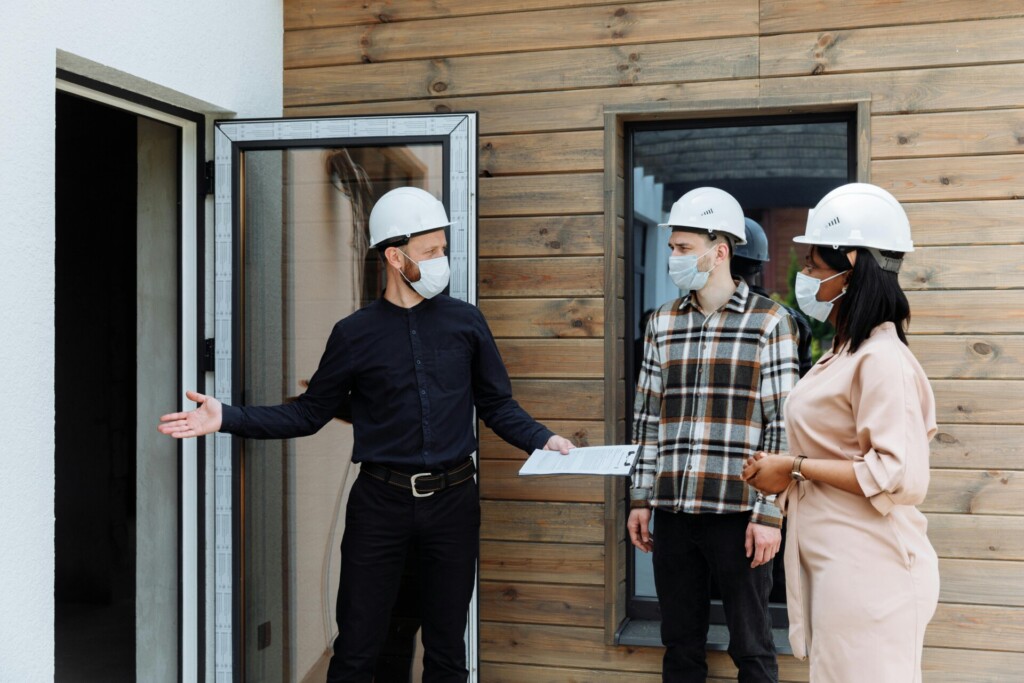
Define your scope and specifications; choose glass and metal details; and plan signage early in the process. Vet our team for licensing, in-house capabilities, and code support to maintain full project control. Align the schedule with weather conditions, and inspect materials before installation begins.
With a clear plan that covers the elements of a turnkey storefront package and coordinates fabrication and installation, your modern retail storefront can deliver strong curb appeal and durable performance while meeting functional requirements and brand standards.
Contact EB3 Construction to plan and coordinate your storefront installation.