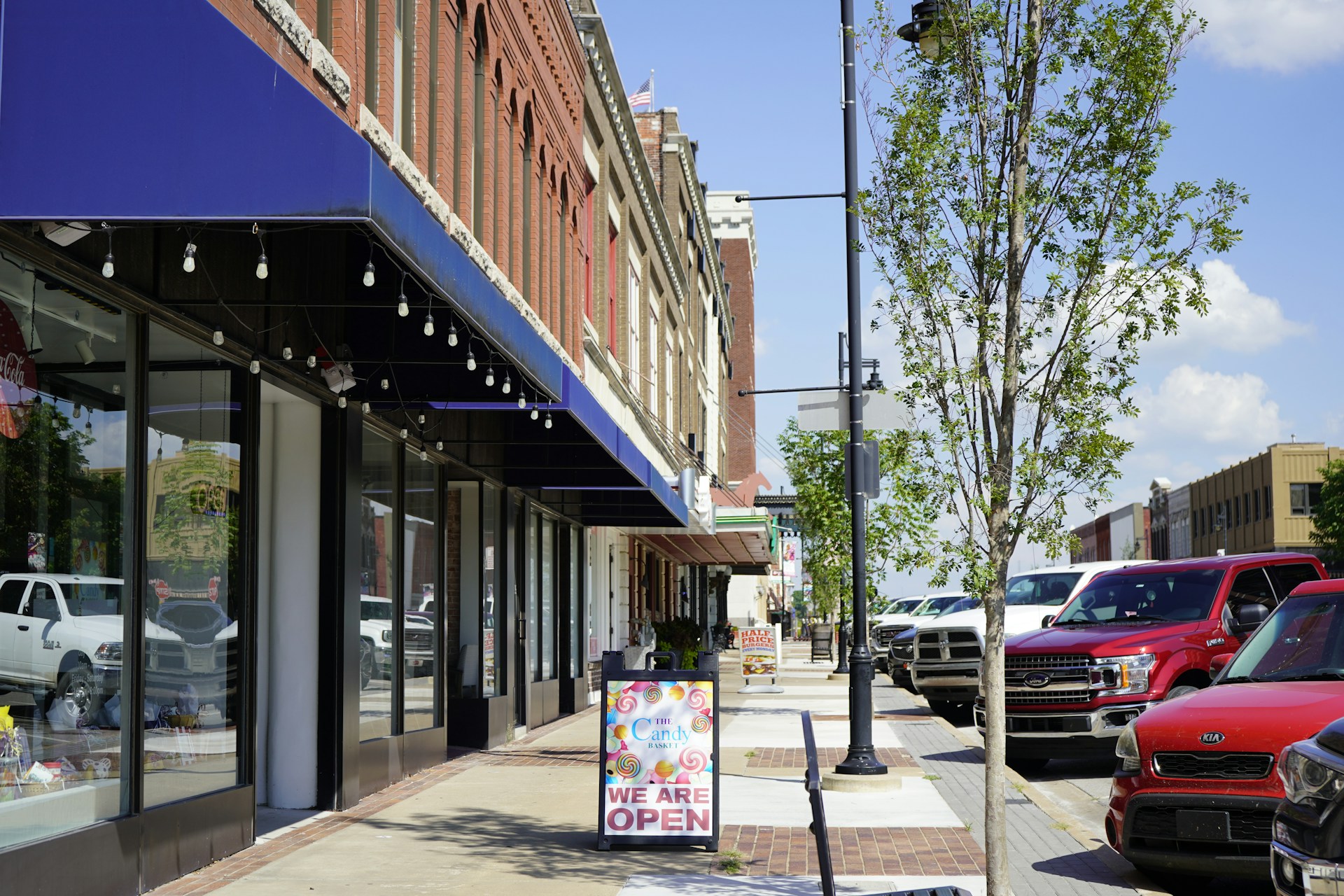

A retail storefront has one job before a single customer walks through the door: it forms an impression. For property owners and developers, a well-executed glass-and-metal facade can be the difference between a passerby who stops and one who keeps walking.
Hiring a contractor to build a modern retail storefront with large glass panels, metal, and custom signage brings design, budgeting, and installation into a single, coordinated process. When these elements work together, the result is a storefront that reflects the business and holds up over time.
What Materials And Design Elements Define A Modern Storefront?

Aluminum Framing As The Structural Foundation
Aluminum framing forms the backbone of most commercial storefronts today. Extruded from 6063-T5 aluminum alloy, these frames deliver structural rigidity while keeping the overall profile slim and visually clean. The result is a facade design that looks intentional rather than bulky.
Most aluminum storefront systems are built as single-span structures, with anchors at the head and sill. Frame heights typically range from 10 to 12 feet, with deeper-profile systems reaching up to 14 feet. That range covers the majority of ground-floor retail applications without requiring a shift to a curtainwall system.
Material finishes play a significant role in how the frame reads against the surrounding architecture. Anodized and painted coatings are widely available, and the choice between them affects appearance and long-term surface performance. We help property owners and developers weigh those finish options against project context, budget, and the overall facade design intent.
Entrance Doors And Their Role In The System
Aluminum entrance doors are specified in narrow, medium, wide, and oversized stile configurations, accommodating a range of opening sizes and architectural styles. They can be ordered individually or as part of a complete storefront package, depending on the scope of the project. The selected door style should align with the framing system to maintain visual consistency across the entire elevation.
Hardware, handles, and locking mechanisms are integral to how an entrance door functions and to its appearance. Pull handles, panic devices, pivots, and hinges all come in several architectural finishes, and each choice contributes to the overall character of the entry. We coordinate these component selections so the hardware complements the frame finish rather than working against it.
Glass Types And What They Deliver
Clear glass remains the most widely used option in commercial glazing because it maximizes product visibility from the street and brings natural light into the retail space. Most aluminum storefront systems accommodate insulating glass units (IGUs) with standard sightlines of 1.75 to 2 inches and depths ranging from 4.5 to 6.5 inches. The glass is typically held in place with glazing gaskets and snap-in glass stops, though higher-performance systems use structural silicone for a tighter seal.
Decorative and specialty glass options, including laminated safety glass, high-performance glazing, and sandblasted panels, serve projects where brand character or code requirements call for something beyond standard clear lites. Stained or textured glass works well in historic districts or themed retail environments where a standard clear facade would feel out of place. The selected glass type affects appearance as well as how the system performs against air and water infiltration.
Fixed Storefront Systems And Fabrication Options
Fixed storefront systems come in several configurations: center-glazed, flush-front, and offset-glazed. Center-glazed systems are a cost-efficient choice for mall storefronts and strip retail, offering clean lines without added fabrication complexity. Flush-front systems suit projects where a seamless, flat exterior plane is the design priority. Offset-glazed framing works well when the project calls for a durable, clean facade with a slightly different visual plane.
Fabrication can happen in the shop or in the field, depending on project logistics. Prefabricated ladder frames reduce field labor and help control installation costs, which matters on tight schedules. We evaluate the fabrication approach early in the coordination process so that lead times, site conditions, and installation sequencing all align before materials arrive on site.
How Do Glass And Aluminum Choices Affect Performance, Security, And Upkeep?
Durability And Weather Resistance In Retail Environments
Aluminum frames hold up well under the daily demands of a commercial storefront. Their natural resistance to corrosion means they perform reliably in wet or humid, high-traffic conditions without the surface degradation that affects many other metals over time.
Anodized or powder-coated aluminum finishes further extend longevity by protecting against UV exposure and surface wear. This matters in retail settings where the facade faces constant exposure from foot traffic, weather, and environmental debris. A frame that resists fading and pitting keeps the storefront looking sharp without requiring frequent refinishing.
Aluminum doors paired with quality glass panels also handle thermal expansion and contraction better than heavier materials. Proper installation with precise alignment and weatherstripping helps prevent gaps from forming at the frame edges, protecting the interior from drafts and moisture infiltration.
Security Performance Without Sacrificing Visibility
Security in a retail storefront requires balancing protection with openness. Aluminum frames with glass panels can be reinforced with heavy-duty locking systems, access control hardware, and impact-resistant glazing to meet commercial security standards without blocking visibility into the storefront.
Impact-resistant glass reduces the risk of shattering under forced entry attempts or severe weather. It stays intact under pressure, which limits unauthorized access while maintaining the clear sightlines that retail displays depend on. For storefronts in high-traffic urban corridors, this combination of structural reinforcement and visibility addresses both security and merchandising needs.
Door hardware selection also plays a direct role in day-to-day security performance. Commercial-grade closers, multi-point locking mechanisms, and properly tensioned hinges keep the door operating smoothly and securely through hundreds of open-and-close cycles per day. We specify and install hardware that matches the traffic load and security requirements of each retail application.
Maintenance Requirements And Long-Term Upkeep
One of the practical advantages of aluminum storefront systems is their low-maintenance profile. Routine upkeep generally involves periodic cleaning of the frames and glass, lubrication of hinges and closers every six months, and annual inspection of the condition of weatherstripping and sealants.
Catching small issues early, such as minor seal deterioration or slight misalignment, prevents them from developing into larger structural or operational problems. A door that drifts out of alignment under heavy use can wear its hardware faster and create gaps that compromise both energy efficiency and security. We coordinate installation with the precision needed to minimize these issues from the start, helping reduce the maintenance burden over the life of the system.
Glass panels themselves require consistent cleaning to maintain the visibility that retail displays depend on, but they do not require the periodic recoating or sealing that wood frames demand. The combination of aluminum framing and quality glazing keeps long-term upkeep straightforward and predictable for property owners managing multiple retail assets.
What Process Should You Expect From a GC—From Planning To Installation?

Pre-Construction Services That Set The Foundation
Before a single piece of aluminum framing goes up or a glass panel is ordered, we work through a structured pre-construction phase that shapes every decision downstream. This stage covers design development, preliminary budgeting, and conceptual scheduling—activities that align your project goals with real-world construction constraints before costs are locked in.
Value engineering runs through this phase as a practical discipline. We analyze material choices, system configurations, and fabrication approaches to find the best balance between performance and cost. Effective pre-construction can reduce rework by up to 19% of a project’s total cost—a figure that reflects how much early planning protects the budget during construction.
Cost estimating during pre-construction gives owners a grounded view of what the project will actually require. We develop detailed budget analyses based on current material and labor costs, so there are no significant surprises when fabrication and installation begin.
Constructability Reviews And Plan Reviews
A constructability review examines whether the design can be built efficiently, safely, and within the established budget. We conduct these reviews to catch conflicts between design intent and field conditions before they surface as costly change orders. For storefront projects, this means verifying that glass panel sizes, framing connections, and door configurations are all achievable given the site conditions and structural constraints.
Plan reviews complement this process by confirming that drawings are complete, clear, and ready for fabrication. Incomplete or ambiguous documents slow fabrication schedules and create misalignments between what was designed and what gets built. Resolving these issues during plan review keeps the installation phase on track.
Facility Analysis For Remodels And Existing Storefronts
When the project involves an existing retail space rather than a ground-up build, we conduct a facility analysis before any work begins. This assessment evaluates current structural conditions and existing framing systems, and determines how new commercial glass systems will integrate with what is already in place.
Remodels carry a different set of risks than new construction. Existing conditions do not always match original drawings, and hidden structural issues can affect how new storefront systems are anchored and sealed. Our facility analysis identifies these variables early so the project plan accounts for them rather than reacting to them mid-installation.
Project Coordination From Fabrication Through Installation
We collaborate directly with architects and property owners to tailor commercial glass systems to the specific requirements of each project. Whether the scope covers a single-door retail entry or an extensive glass facade spanning multiple bays, we coordinate fabrication timelines with installation sequencing to keep the project moving without gaps.
Trade coordination during installation ensures that glazing, framing, and signage work proceed in the right order and that each phase is ready for the next. We manage scheduling across all involved parties so that fabricated components arrive when the site is ready to receive them, reducing downtime and protecting the overall project schedule.
How Can Storefront Choices Increase Customer Appeal And Draw Shoppers Inside?
How Visual Presentation Influences Shopper Behavior
Retail foot traffic responds directly to what shoppers can see from the street. Research shows that 95% of shoppers consider a store’s exterior appearance when deciding where to shop, and more than 70% of first-time sales are influenced by curb appeal. This points to a straightforward reality: the facade is a sales tool, not just a structural finish.
Clear glass panels play a central role in this dynamic. When passersby can see product displays, interior lighting, and activity inside the store, the barrier to entry drops. Visibility creates familiarity, and familiarity drives foot traffic. Unobstructed sightlines from the sidewalk let the merchandise do the selling before a customer reaches the door handle.
Natural Lighting as a Design Asset
Large glass areas do more than frame the view. They channel natural light deep into the retail floor, reducing the flat, artificial feel that can make interiors look uninviting from outside. Daylight shifts the perception of a space, making products appear more vibrant and the environment more welcoming. For developers and property owners, specifying generous glazing during design is a straightforward way to amplify the commercial value of the space.
The relationship between natural lighting and visual merchandising is well-established in retail design. When daylight supplements interior lighting, product colors read more accurately, displays appear more dynamic, and the overall atmosphere signals quality. These are outcomes that start at the facade level, not the fixture level.
Align Materials and Finishes with Brand Perception
Material selection communicates brand character before a customer reads a single word of signage. A polished aluminum frame with floor-to-ceiling glass signals a different brand identity than a painted steel frame with smaller window openings. Neither is inherently superior, but the choice needs to align with how the business wants to be perceived in its neighborhood context.
Finish durability directly affects how that brand message holds up over time. Exterior materials that resist fading, oxidation, and surface wear maintain a consistent visual presentation through seasonal weather changes. A facade that looks sharp on opening day but shows wear within two years sends a message that undercuts the professionalism the business is trying to project. Specifying finishes rated for long-term exterior exposure protects the investment in curb appeal well beyond the construction phase.
Display Strategy Starts with Construction Decisions
Window display flexibility depends on how the storefront is built. Wide, uninterrupted glass spans give retailers the freedom to compose large-scale displays without working around structural mullions or framing members. Entrance placement, threshold depth, and sill height all shape what a merchandiser can do with the space once the store opens.
We factor these downstream considerations into the construction planning process. Coordinating with architects and retail designers during pre-construction means the finished facade supports the display strategies the business intends to use rather than limiting them. The goal is a storefront that performs as a visual merchandising platform from day one.
Conclusion And Next Steps
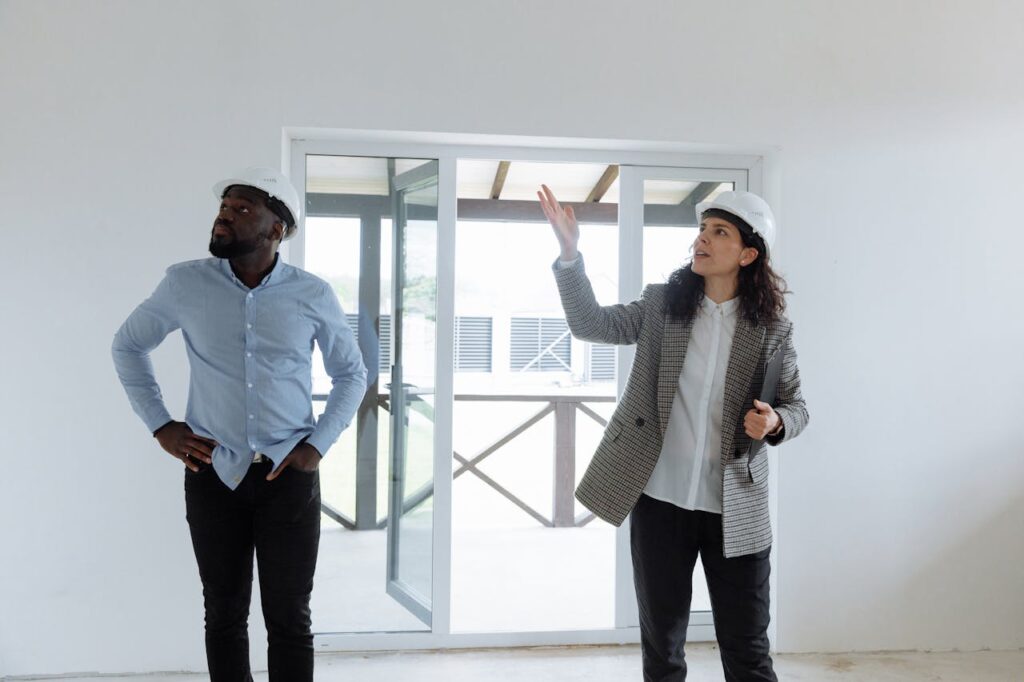
Aluminum framing paired with large glass panels gives a retail facade the structural reliability and visual clarity that developers and property owners need in a long-term investment. Decisions made during design and budgeting directly shape how the finished storefront performs—from weather resistance and security to how natural light reaches the sales floor. Getting those decisions right means coordinating material selection, fabrication timelines, and installation sequencing before a single frame goes up.
At EB3 Construction, we manage that coordination across retail projects in New York, New Jersey, and the Tri-State area. We work through design development, value engineering, and constructability reviews to keep your storefront installation on schedule and aligned with your brand goals. The result is a facade that holds up under daily use and continues to reflect the image your business presents on the street.
Ready to move forward? Contact EB3 Construction to discuss your storefront project and get the process started.