Most developers and property owners experience sticker shock when they first see retail construction estimates. In Texas, retail build-outs currently range from $85 to $380 per square foot, depending on scope and market conditions.
The key to accurate estimating is understanding these ranges and applying the right adjustments for your specific project. We’ll walk you through a systematic approach to calculate reliable per-square-foot estimates that reflect real-world conditions across Texas markets.
What Scope Are You Estimating: Shell, White Box, Or High-End Buildout?
Defining your project scope sets the foundation for accurate cost estimates. We see substantial cost differences between basic shells that need complete MEP (mechanical, electrical, and plumbing) installations and finished spaces that require only minor modifications.
Retail shell construction runs $250–$380 per square foot across Texas. These projects include complete storefront systems, structural glazing, and full MEP installations. Premium storefront glass and architectural glazing systems drive costs toward the upper range, particularly in high-visibility locations where aesthetic requirements exceed standard commercial requirements.
Basic retail or warehouse shells cost less, at $85–$130 per square foot. These projects typically involve concrete tilt-up construction with minimal glazing and basic utility connections. The wide range reflects regional variations and scope differences between simple warehouse shells and retail-oriented shells that require more sophisticated building envelope systems.
White box spaces average $120–$180 per square foot for basic interior improvements. These projects start with existing ceiling systems, basic HVAC distribution, and standard electrical service already in place. We coordinate finish installations, partition walls, and tenant-specific modifications within the existing building infrastructure.
High-end buildouts begin at $250 per square foot and can escalate with premium finishes and custom installations. Luxury retail environments demand specialized lighting systems, high-grade interior finishes, and sophisticated MEP coordination that can push costs well beyond baseline estimates.
General retail spaces in Texas span $130–$320 per square foot, depending on market demand and finish requirements. This broad range covers project types from basic tenant improvements to comprehensive renovations of existing retail environments.
Scope drivers create significant cost variations within each category. Façade complexity affects structural requirements and weatherproofing systems. Storefront glass specifications influence both material costs and installation complexity. Interior finish levels determine material grades and the level of installation precision required.
MEP intensity remains the largest variable cost factor across all scope types. Food-service buildouts require specialized ventilation hoods, grease trap systems, and enhanced mechanical capacity that can add $75–$150 per square foot above standard retail MEP requirements. Commercial kitchen installations demand fire suppression integration, utility upgrades, and health department compliance measures that substantially increase project complexity.
How Do Texas Location And Market Factors Change Cost Per Square Foot?
Houston typically drives the highest retail construction costs in Texas due to stringent windstorm and flood-resistant code requirements. These hurricane-resistant codes require additional structural reinforcement and specialized building envelope systems, which push pricing above state averages. Floodplain compliance further increases foundation costs and site preparation expenses.
Dallas–Fort Worth maintains stable, competitive pricing with strong subcontractor availability across the metroplex. The region benefits from a deep pool of experienced trades and efficient material supply chains. Competition among contractors keeps bid pricing reasonable, making DFW an attractive market for retail development.
Austin commands higher costs tied to LEED and sustainability expectations driven by tech-sector tenants. Premium finishes and energy-efficient MEP systems add to project budgets. The tech market’s influence creates demand for modern amenities and advanced building systems that increase per-square-foot costs.
San Antonio and secondary markets like Waco, Lubbock, and McAllen offer better cost efficiency. Lower land costs and less labor competition help offset construction expenses. These markets provide opportunities for developers seeking value while maintaining quality construction standards.
Market conditions also affect pricing beyond location. Steel and concrete volatility can shift material costs by 10–15% during a project cycle. Long HVAC lead times force earlier equipment procurement and potential storage costs. Tight labor markets in construction—and especially in skilled trades—push wage premiums and can extend construction schedules.
Plan for a 3–5% contingency to manage these variables. Houston projects often require the higher end due to regulatory complexity, while secondary markets may need a smaller buffer. Permitting timelines vary by city; some jurisdictions take 6–8 weeks longer than others for plan review and approval.
What Steps Convert Scope Into A Total Cost Per Square Foot?
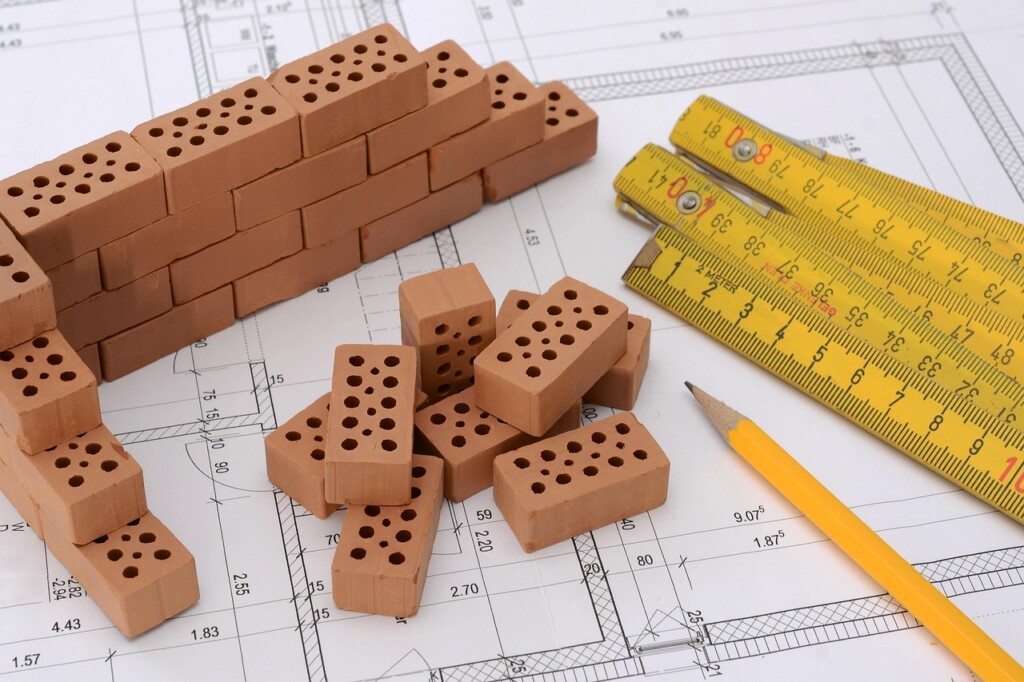
Converting your project scope into an accurate cost per square foot requires a systematic approach that builds from baseline construction costs to final validation. We follow this eight-step process to ensure estimates reflect the true financial commitment for retail build-outs across Texas markets.
Start by selecting your baseline cost from the scope ranges established in your project definition. Retail shell projects typically run $250 to $380 per square foot, while basic warehouse shells fall between $85 and $130 per square foot. White box interiors range from $120 to $180 per square foot, and high-end build-outs begin at $250 per square foot and climb based on finish complexity.
Apply regional adjustments for local market conditions that push costs above or below state averages. Houston projects often carry premiums due to windstorm and flood-resistant building requirements. Austin projects frequently exceed baseline ranges when sustainability certifications or tech-sector amenities are specified.
Adding Soft Costs and Design Fees
Incorporate soft costs that typically represent 8 to 12 percent of total project value, though complex Texas retail projects can reach 15 to 30 percent. These expenses encompass architectural fees, engineering services, permits and inspections, legal documentation, insurance coverage, and construction financing. The variation depends on project complexity, local permitting requirements, and financing structure.
Include retail-specific design fees that average 8 to 15 percent of construction cost or approximately $2.50 to $5.00 per square foot. These fees cover space planning, interior design, MEP coordination, and construction documentation needed for retail operations. Design complexity directly affects this percentage, with custom millwork and specialized lighting systems driving fees toward the higher end.
Add a contingency reserve of 3 to 5 percent to address unforeseen conditions and material price volatility. Texas markets experience periodic spikes in steel and concrete pricing, while specialized HVAC equipment often faces extended lead times that can affect project schedules and carrying costs.
Accounting for Hidden Risks and Final Calculation
Account for hidden risks that frequently emerge during retail construction projects. Soil remediation requirements can surface during excavation for utilities or foundations. Permit delays extend project timelines and increase carrying costs. Material price spikes affect budgets when orders are placed months after initial estimates. Change orders from design modifications or unforeseen field conditions typically add 10 to 20 percent to the original scope.
Apply the cost per square foot formula by dividing total project cost by total square footage. This calculation includes all hard construction costs, soft costs, design fees, contingency, and risk adjustments to provide the true investment per square foot.
Cross-check your estimate against established Texas retail benchmarks to confirm accuracy. General retail spaces should fall within $130 to $320 per square foot, white box projects within $120 to $180 per square foot, and retail shells within $250 to $380 per square foot. Estimates outside these ranges warrant a review of scope assumptions, regional factors, or cost calculations to ensure accuracy and feasibility.
How Should You Plan Preconstruction And Budgeting To Keep Your PSF Accurate?
Effective preconstruction planning ensures cost per square foot (PSF) estimates remain accurate throughout the development process. We approach preconstruction budgeting through structured phases that build on one another, beginning with preliminary estimates and ending with hard bids from qualified trade contractors.
Budgeting Phases for Cost Control
We start with a preliminary budget using historical PSF ranges from comparable retail projects in the target market. This baseline incorporates the scope ranges established earlier and applies regional factors specific to the project location. During design development, we work closely with engineers and architects to refine these numbers as building systems, materials, and finishes are defined.
The final budgeting phase occurs after permitting, when we secure hard bids from trade contractors. This approach provides increasing accuracy as the project advances through each phase. We document assumptions at each stage so stakeholders understand how estimates evolve and what drives cost changes.
Coordinating these phases prevents scope creep from undermining PSF accuracy. When design changes occur, we immediately assess their cost impact and adjust projections accordingly. This systematic approach helps developers and property owners maintain budget discipline while allowing for necessary project refinements.
Preconstruction Site Feasibility and Programming
Site feasibility analysis forms the foundation of accurate cost modeling. We evaluate soil conditions, utility availability, and access constraints that could affect construction methods and costs. Poor soil conditions might require deeper foundations or soil stabilization, directly impacting the PSF calculation.
Utility coordination reveals whether existing infrastructure can support the retail development or if upgrades are needed. These infrastructure costs must be factored into the total project cost for accurate PSF calculations. Programming defines the building’s use, size, and layout requirements, ensuring the design team develops solutions that align with both functional needs and budget constraints.
Coordinated conceptual design brings together architectural and engineering disciplines early in the process. This collaboration identifies potential constructability issues before they become expensive problems during construction. Early cost modeling validates that the project concept can be delivered within the target PSF range.
Texas-Specific Permitting and AHJ Considerations
Permitting processes vary significantly across Texas cities and counties, affecting both timelines and holding costs. Houston’s windstorm and flood-resistant code requirements create different review cycles compared to Dallas-Fort Worth’s more standardized approach. Austin’s sustainability focus often extends permitting timelines as officials review LEED compliance and energy efficiency measures.
Authority Having Jurisdiction (AHJ) reviews can uncover unexpected requirements that impact construction costs. Some jurisdictions require additional fire suppression systems or accessibility features beyond standard code minimums. We research local AHJ requirements during preconstruction to identify these potential cost impacts early.
Secondary markets such as San Antonio or Waco typically offer faster permitting but may have limited reviewer availability for complex projects. Planning for these jurisdictional differences helps maintain schedule and budget accuracy. We build permitting timeline buffers into our preconstruction schedules to account for these regional variations.
Engaging our team early ensures design, cost, and constructability remain aligned as project scope evolves. This coordination prevents costly redesign cycles and keeps PSF estimates grounded in buildable solutions that meet local code requirements.
Conclusion And Next Steps
Getting retail build-out costs right in Texas requires a systematic approach. We start by defining scope clearly—whether we’re working with a basic shell, white-box condition, or high-end build-out. Each scope type establishes a different baseline that shapes every subsequent cost decision. Once the scope is locked in, we apply regional adjustments for Houston’s windstorm requirements, Austin’s sustainability premiums, or the cost efficiencies available in secondary markets like San Antonio.
The formula stays consistent across projects: total cost divided by total square footage. But the components feeding that total deserve careful attention to Texas-specific factors. Soft costs typically run 8% to 12% of the project budget, though complex retail projects can push this range to 15% or even 30%. Retail design fees add another $2.50 to $5.00 per square foot, and contingency should account for 3% to 5%, depending on regional market volatility and project complexity.
Document all assumptions during cost development and keep estimates current through phased budgeting. Preliminary estimates based on historical ranges progress to refined projections during design development, and final numbers follow permitting with hard contractor bids. This sequence keeps cost modeling aligned with current market conditions rather than outdated benchmarks. Regular benchmarking against Texas retail ranges validates estimates and catches potential errors before they become budget overruns.
Ready to move forward with accurate retail build-out planning in your Texas market? Contact EB3 Construction to coordinate design decisions with realistic cost and schedule projections from the start.