Austin’s retail landscape evolves as new developments reshape the urban core and fast-growing suburbs. Business owners face increasing competition for customer attention, making physical space a critical differentiator.
Retail interior construction in Austin includes interior build-outs, tenant improvements, and strategic remodels that create environments where brand identity, operational efficiency, and the customer journey intersect. Planning often accounts for tenant improvement allowances. These projects address the unique demands of Greater Austin’s diverse commercial interiors, from downtown storefronts to suburban shopping centers where new neighborhoods drive ongoing demand for retail space.
What Scope And Services Should Austin Retailers Expect?

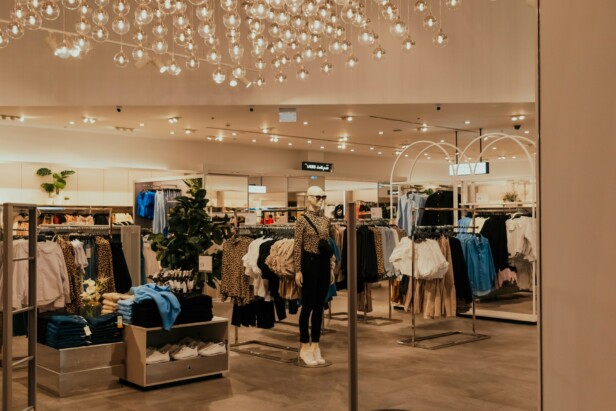
We design custom layouts that maximize usable square footage and create efficient traffic flows. Our retail remodeling projects integrate updated flooring materials that withstand daily foot traffic and complement each brand’s visual identity. High-quality finishes pair with carefully planned lighting to create inviting environments where customers feel comfortable browsing and making purchases.
We handle plumbing and electrical upgrades as part of comprehensive retail renovations. HVAC system modifications ensure proper climate control to protect merchandise and keep customers comfortable through Austin’s seasonal shifts. Energy-efficient lighting reduces long-term operating costs while meeting current code requirements for commercial spaces.
Our work spans multiple industries, including retail stores, restaurants, fitness studios, medical offices, banks, and real estate offices. Each project requires different functional considerations, from specialized equipment connections in medical facilities to grease trap installations in restaurant kitchens. We adapt our construction approach based on how each business operates and serves its clientele.
We serve Austin and surrounding communities, including Round Rock, Cedar Park, Leander, Dripping Springs, Bastrop, Lakeway, Buda, Spicewood, and Kyle. These growing areas present opportunities for new retail developments and renovations of existing spaces as populations expand. Local market knowledge helps us navigate varying municipal requirements while maintaining consistent construction quality across all service areas.
How Do Austin Permits, Zoning, And Codes Affect Retail Interiors?
Austin permits require careful coordination before any interior work begins. We verify that the property’s zoning designation matches the intended retail use using the city’s zoning map lookup tool. Properties zoned for commercial services or downtown mixed-use typically allow retail operations, while some residential zones may restrict commercial activity.
The Austin Building Criteria Manual guides our approach to code compliance throughout the project. We reference the current International Building Code (IBC) standards adopted by the city, along with local amendments that address Austin-specific requirements. Fire safety systems must meet commercial standards, including proper egress routes, exit lighting, and sprinkler coverage if the space exceeds certain square footage thresholds.
Accessibility compliance follows both federal ADA standards and the Texas Accessibility Standards. We ensure doorway widths, restroom configurations, and counter heights meet current requirements. Projects valued at $50,000 or above require registration with the Texas Department of Licensing and Regulation for accessibility plan review.
Environmental regulations may affect retail interior projects depending on scope and location. Stormwater management rules apply when construction disturbs more than an acre or alters existing drainage patterns. Tree preservation ordinances protect heritage trees near commercial properties, requiring permits for removal or significant trimming. Energy efficiency standards mandate specific insulation values, HVAC efficiency ratings, and lighting power densities for commercial spaces.
We schedule city inspections at key milestones during construction. Building inspectors verify structural work, electrical rough-in, plumbing installations, and final systems before occupancy. Fire department inspections confirm sprinkler functionality and emergency egress compliance. Early coordination with inspection staff helps identify any unique requirements and prevents delays during the approval process.
What Timeline, Budget, And Process Milestones Are Typical?
Project duration varies by scope and complexity. Small office remodels typically require 2–4 weeks, while full retail build-outs generally span 8–16 weeks. Restaurant spaces with commercial kitchens can take 16–20 weeks due to specialized equipment and health department requirements.
Budget ranges reflect this complexity. Simple office refreshes may cost $50–$80 per square foot, while high-end retail spaces with custom millwork and advanced lighting systems can reach $120–$150 per square foot. MEP upgrades, structural modifications, and premium finishes drive costs higher.
Pre-Construction Deliverables
We begin every project with comprehensive pre-construction planning. Project specifications detail materials, finishes, and system requirements. 3D renderings help visualize the final space and identify potential issues before construction begins.
A detailed estimate breaks down costs by category, including materials, labor, permits, and contingencies. We provide a project schedule that maps each phase from demolition through final walkthrough. These deliverables establish clear expectations and help prevent costly mid-project changes.
Project Phases And Milestones
The construction process follows a structured sequence. The initial consultation and estimate typically take 1–2 weeks as we assess existing conditions and define project goals. The planning and permitting phase typically takes 3–6 weeks, depending on permit complexity and city review times.
Construction begins once permits are secured. We coordinate demolition, framing, MEP rough-ins, and finish work in a logical sequence. Regular inspections occur throughout construction to verify code compliance and quality.
The final walkthrough marks project completion. We address any punch list items, provide system training, and deliver as-built drawings and warranties. The certificate of occupancy allows immediate business operations.
Factors That Impact Timeline And Budget
Several elements influence both schedule and cost. Shell condition affects duration significantly—warm shells with existing HVAC and electrical systems move faster than cold shells requiring a full build-out. Complex layouts with multiple rooms and specialized systems extend timelines.
We coordinate MEP upgrades to support efficient layouts and operational flow. Energy-efficient lighting reduces long-term operating costs, while smart HVAC controls optimize comfort and utility expenses. These improvements require additional planning time but provide ongoing value.
Permit review periods vary by jurisdiction and project complexity. Simple tenant improvements may clear in 2–3 weeks, while extensive remodels requiring structural or MEP changes can take 6–8 weeks. We submit permit applications early to minimize delays and maintain construction momentum.
Conclusion And Next Steps
Retail interior construction in Austin brings together brand requirements, regulatory compliance, and construction efficiency. Success depends on early planning, thorough documentation, and coordination across multiple systems. We approach each project with clear goals for customer flow and operational functionality, maintaining code compliance throughout the build-out.
Start by defining your operational goals and collecting critical project documentation. Gather as-builts, permit history, and any existing MEP information. Confirm current zoning requirements and recent code updates that may affect your scope. Early verification helps prevent costly changes during construction and keeps your project timeline intact.
Ready to move forward with your retail interior project? Contact EB3 Construction to discuss your Austin retail space and receive a detailed project assessment.