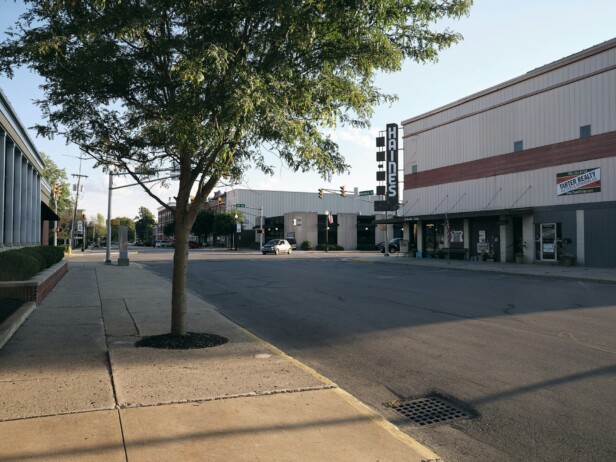
Dallas retail strip center construction is part of a metro-wide boom in retail and mixed-use development that shows no signs of slowing. Projects span from established corridors like Knox-Henderson to emerging districts such as the Dallas International District, with major redevelopment efforts around the convention center creating new opportunities.
We coordinate Dallas retail strip center construction projects through three essential phases: comprehensive sitework and concrete foundations, structured tenant buildout sequencing, and permit management across multiple municipal jurisdictions. Success depends on understanding how these elements work together across Dallas’s diverse retail nodes.
Where Is Retail And Strip Center Activity Growing Around Dallas?

Several key corridors across Dallas are driving retail and strip center development, with each area contributing varying square footage and market dynamics. Knox-Henderson leads the current wave with substantial mixed-use projects, while emerging districts like the Dallas International District position themselves for longer-term growth.
Knox-Henderson District Expansion
The Knox-Henderson corridor represents the most active retail development zone in Dallas. Henderson Avenue is gaining approximately 87,000 square feet of new restaurant and retail space through ongoing mixed-use projects. Knox Street complements this growth with around 90,000 square feet of street-level retail and restaurants as part of a larger one-million-square-foot development.
This corridor benefits from its connection to the Katy Trail and proximity to neighborhoods with strong purchasing power. The area attracts high-end brands and creates walkable retail environments that serve both local residents and regional visitors. We continue to see consistent tenant interest in Knox-Henderson spaces thanks to established foot traffic and a premium demographic profile.
Dallas International District And Midtown Transformation
The Dallas International District represents a longer-term retail development opportunity. The Valley View Mall area is undergoing comprehensive redevelopment, with initial phases delivering about 13,000 square feet of restaurant and retail space within new apartment complexes. Plans call for additional residential, retail, and office components as the district builds out over multiple phases.
Dallas Midtown developments complement the International District by adding mixed-use density and creating new retail nodes. These projects typically integrate ground-floor retail with residential towers, establishing retail space that serves immediate residents while positioning for broader market capture as surrounding areas develop.
Downtown And Convention Center Area Opportunities
The Dallas Convention Center realignment creates significant retail development potential. The $3.7 billion project includes a deck park spanning Interstate 30 and phased construction that maintains convention operations during the transition. This realignment opens approximately 30 acres of previously underutilized land for private development, including retail uses.
We expect retail opportunities to emerge as the convention center construction phases progress and surrounding infrastructure improvements take shape. The downtown location provides access to both business travelers and urban residents, though retail development timelines will align with the broader civic project schedule.
Regional Pipeline Projects
Large-scale developments across the Dallas region include substantial retail components that influence strip center demand and timing. Sloan Corners, spanning Allen and Fairview, includes more than 200,000 square feet of retail space as part of a 500-acre mixed-use project valued at over $3 billion. This development fills one of the area’s largest undeveloped intersection sites and creates a new retail destination.
Other significant projects include River Central, a 400-acre mixed-use development along the Trinity River through Fort Worth and Grand Prairie, which incorporates 60,000 square feet of retail space. The Reunion redevelopment in downtown Dallas is planned to include 150,000 square feet of retail within a $5 billion mixed-use district. These major developments shape tenant mix expectations and influence the viability of smaller strip centers in surrounding areas by establishing new retail anchors and traffic patterns.
What Core Sitework And Concrete Scopes Anchor Dallas Strip Centers?
Concrete foundations are the backbone of every retail strip center project we build in Dallas. These foundations support structural loads and must comply with Texas building codes for commercial construction. We coordinate with structural engineers to ensure proper reinforcement and concrete specifications that account for local soil conditions.
Parking lot construction and paving are another major scope component. We handle the full sequence from base preparation through to final asphalt or concrete placement. Proper drainage integration prevents water issues that could damage the retail structures or create liability concerns for property owners.
Sidewalks and pedestrian walkways require careful attention to accessibility standards under Texas building codes. We install concrete walks that meet ADA requirements and connect clearly to building entrances and parking areas. The walkway layout often determines how customers move between retail spaces.
Site preparation and grading establish the foundation for all other work. We set elevations to ensure proper drainage away from buildings while maintaining accessible slopes for pedestrians and vehicles. This early phase requires coordination with civil engineers and often involves utility relocations or new connections.
Structural concrete elements for retail buildings include slabs, columns, and load-bearing walls. We work with the design team to schedule concrete pours that support the construction timeline while meeting strength requirements. Special attention goes to areas where tenant improvements will later tie into the base structure.
Coordination with local building departments starts early in the process. We submit plans that demonstrate compliance with Texas building codes and work through the review process with municipal staff. Plan review timelines can affect our construction schedule, so we maintain strong relationships with permit offices across the Dallas metro.
Timelines vary based on project size and complexity. Small strip centers typically take several months from site work through shell completion. Larger centers can extend a year or more depending on permit processing and the coordination required among multiple trades. We track these drivers to keep projects moving efficiently.
How Should Teams Phase Base Building And Tenant Improvements?
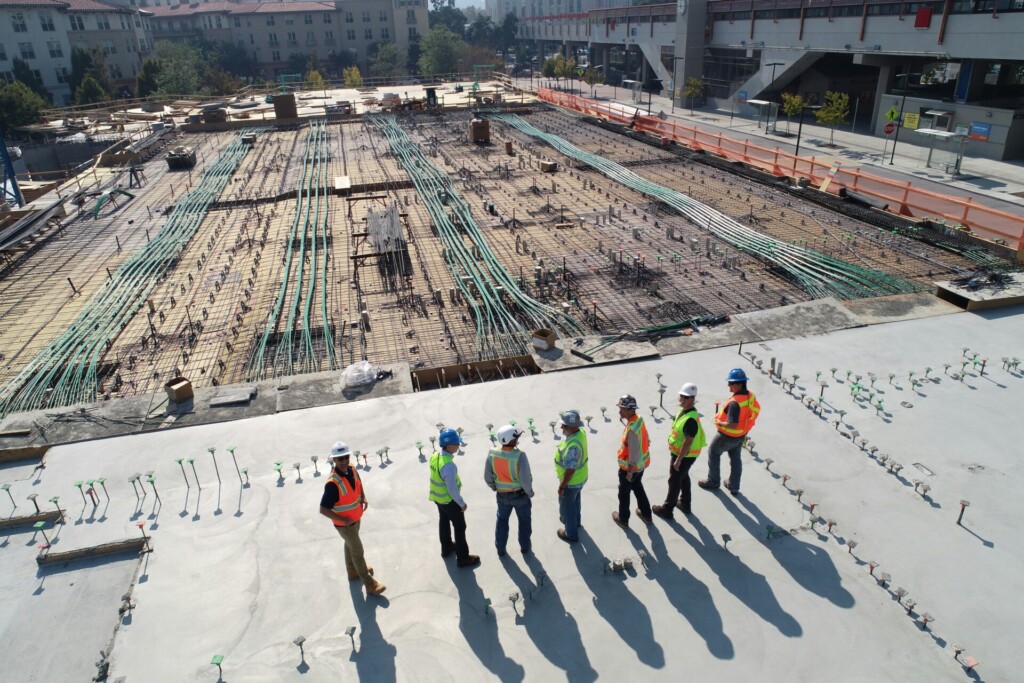
Effective construction sequencing requires clear separation between base building completion and tenant improvement initiation. We coordinate these phases to ensure structural systems, core utilities, and the building envelope reach substantial completion before tenant-specific work begins. This approach prevents rework and eliminates conflicts between trades working on different project phases.
The handoff between the base building and tenant improvements requires precise coordination. We schedule final inspections for core building elements while preparing tenant improvement packages for permit submission. Early coordination allows tenant contractors to mobilize once base building systems are approved and spaces are released for buildout.
HVAC Systems And Mechanical Coordination
HVAC systems integration presents unique challenges during the transition from the base building to tenant improvements. We ensure core mechanical systems, including main supply and return ductwork, reach operational status before tenant-specific modifications begin. This sequencing prevents disruption to building-wide climate control during individual tenant buildouts.
Retail spaces often require specialized HVAC zones to accommodate varying occupancy loads and operating hours. We coordinate with tenant improvement contractors to plan ductwork modifications, diffuser placement, and control system integration early in the design phase. Early planning reduces the need for costly changes once tenant improvement work is underway.
Lighting Infrastructure And Power Distribution
Lighting systems require coordination between base building electrical rough-in and tenant-specific requirements. We complete primary electrical distribution and basic lighting circuits as part of base building work, leaving tenant improvement contractors with clearly defined connection points for specialized lighting systems.
Modern retail environments depend on sophisticated lighting controls for merchandising and energy efficiency. We ensure adequate electrical capacity and conduit pathways support advanced lighting integration without requiring major modifications to completed base building systems. Early electrical coordination prevents delays during tenant improvement phases.
Materials Selection And Finish Standards
Material choices vary significantly based on submarket positioning and tenant requirements. Premium locations like Knox-Henderson typically demand high-end finishes, durable surfaces, and architectural details that support upscale retail tenants. We coordinate material delivery schedules to prevent conflicts between different tenant improvement projects within the same building.
Cost-effective solutions in emerging submarkets focus on quality materials that provide longevity without excessive upfront investment. We work with tenant improvement contractors to establish finish standards that maintain consistency across multiple spaces while allowing flexibility for tenant-specific branding requirements. Material staging and storage coordination prevents delays and reduces waste during concurrent buildout projects.
Subcontractor coordination becomes critical when multiple tenant improvements proceed simultaneously within the same building. We establish clear work zones, coordinate utility shutdowns, and manage shared access points to prevent conflicts between different tenant improvement teams. Flexible scheduling allows for adjustments as vacancy and occupancy patterns shift throughout the building delivery process.
What Permits And Risks Affect Dallas Retail Strip Center Schedules?
Dallas retail strip center construction requires permits from local municipalities, and requirements vary by project scope and location. Property owners must obtain these municipal approvals before beginning any construction activity. We verify contractor qualifications and insurance coverage to reduce project risks from the start.
Schedules depend heavily on three factors: the extent of concrete work, permit processing times, and multi-trade coordination. Small strip centers typically take several months to complete, while larger developments can extend beyond a year. Permitting alone can add weeks, especially for new commercial construction, which often requires 20 or more business days for initial review.
Site-Specific Complexity Factors
Downtown infill projects present urban constraints that demand tight construction management. We coordinate deliveries, equipment staging, and work hours to limit disruption to surrounding businesses and traffic patterns. These projects often require additional permits for lane closures, noise variances, and waste management protocols.
River-adjacent developments introduce floodplain coordination requirements that significantly affect both permitting and construction sequencing. Projects within Dallas’s Special Flood Hazard Area require floodplain development permits and must meet specific elevation and drainage standards. We navigate these infrastructure dependencies by coordinating early with Dallas Water Utilities and ensuring compliance with federal flood management regulations.
Large-Scale Project Considerations
Major civic redevelopments, particularly those tied to the Dallas Convention Center realignment, require phased construction with careful sequencing. These projects involve demolition plans that maintain operational access while new construction proceeds. We coordinate with multiple city departments to align utility relocations, traffic management, and public safety protocols with construction phases.
Infrastructure dependencies become critical when strip center projects connect to broader district improvements. Timing construction phases around utility upgrades, street improvements, and neighboring development schedules requires ongoing communication with municipal planning departments. We build schedule buffers to accommodate these external factors while maintaining project momentum.
Conclusion: Dallas Strip Center Outlook And Practical Next Steps
Dallas retail construction continues to gain momentum across established and emerging mixed-use nodes. The concentration of activity in areas like Knox-Henderson, the Dallas International District, and the convention center redevelopment creates a clear framework for aligning strip center opportunities with broader market demand. These nodes are driving tenant interest and shaping the timing of new retail space delivery.
Successful retail strip center construction projects in Dallas require early coordination between sitework planning and tenant buildouts. We align concrete foundations, parking lot construction, and site preparation with anticipated tenant delivery schedules. This coordination prevents delays when tenants are ready to begin their improvements and ensures that base-building work supports the specific operational needs of each retail space. Market fundamentals such as vacancy rates and submarket characteristics guide our material selections and finish standards, allowing projects to meet tenant expectations while maintaining cost efficiency.
Planning for retail strip centers requires building flexibility into construction schedules and subcontractor coordination. Permit timelines vary across Dallas municipalities, and we track these dependencies to keep projects moving forward. Our construction planning accounts for shifting market conditions and delivery waves that can impact tenant move-in schedules. Contact EB3 Construction to discuss how we can support your next retail strip center project with experience in Dallas sitework, concrete construction, and tenant coordination.