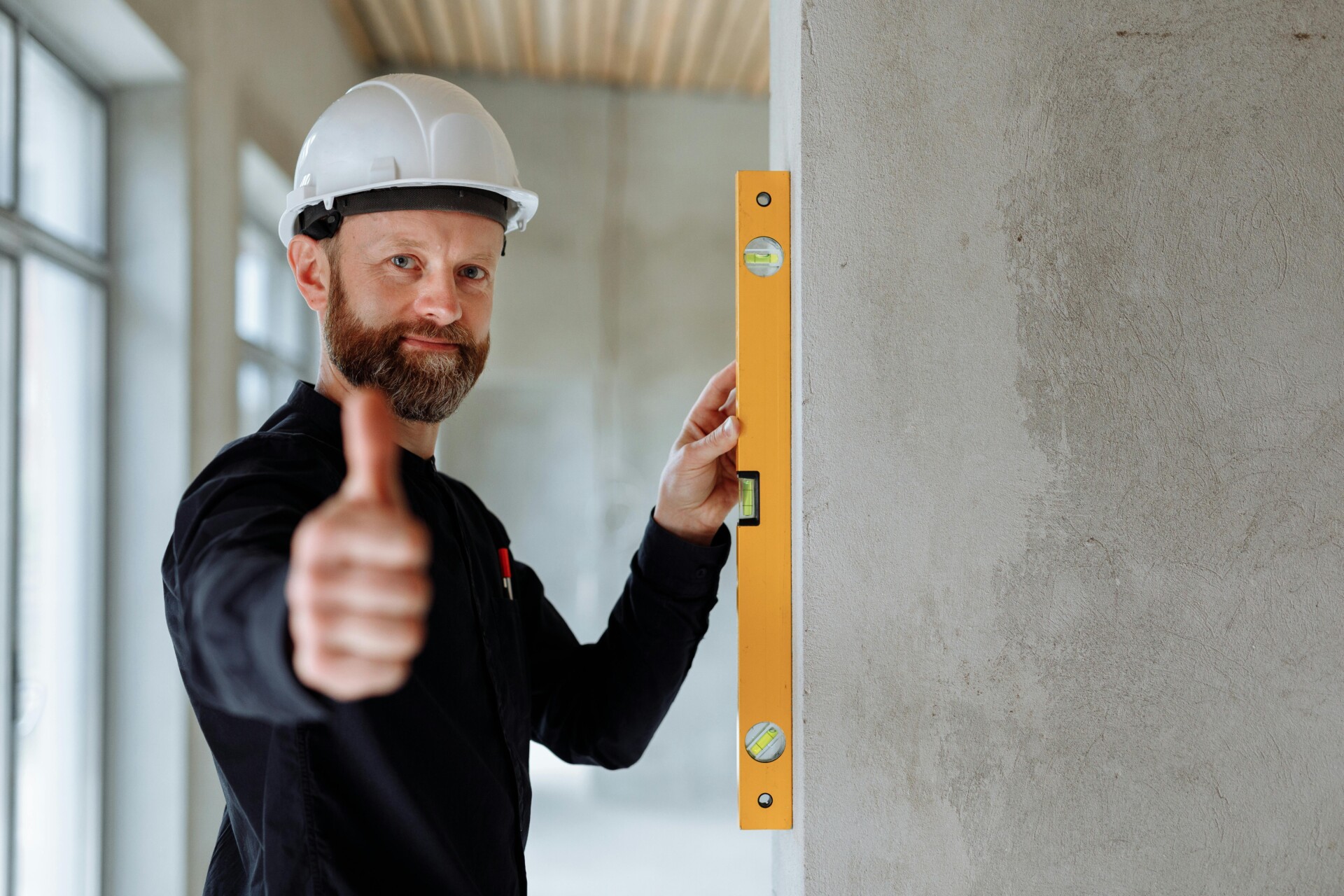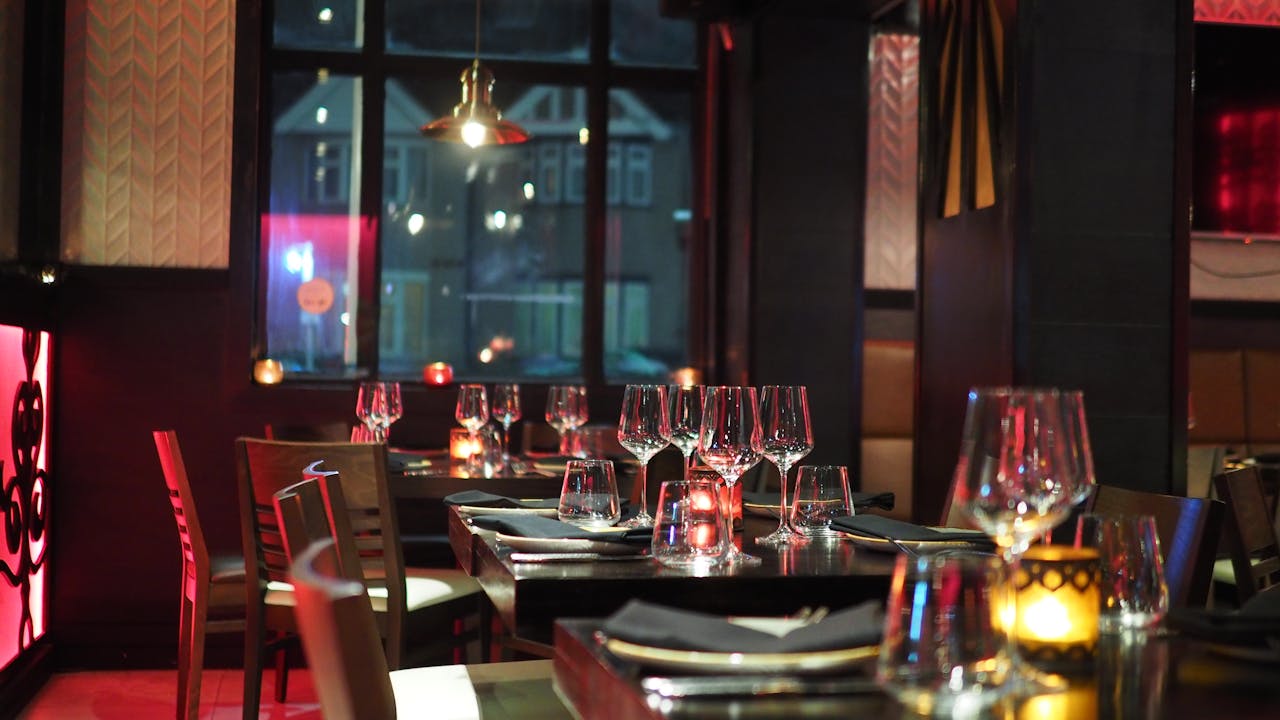
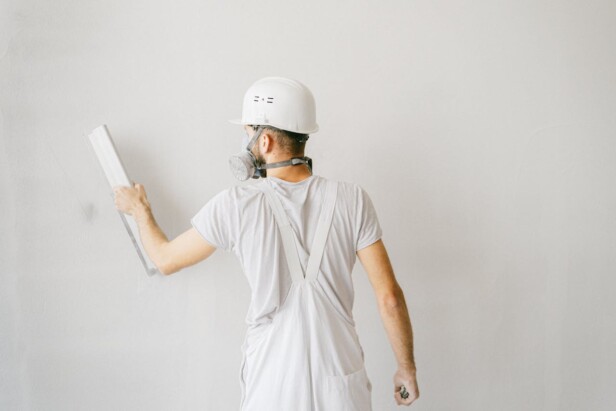
A building facelift in Fort Worth includes restoration work for historic properties, commercial exterior remodels with an emphasis on façade repair and code compliance, and residential updates featuring replacement windows, vinyl siding, and outdoor living structures. We coordinate these exterior scopes of work across all property types throughout the Cultural District and beyond.
Which Scopes And Systems Typically Drive A Building Facelift?
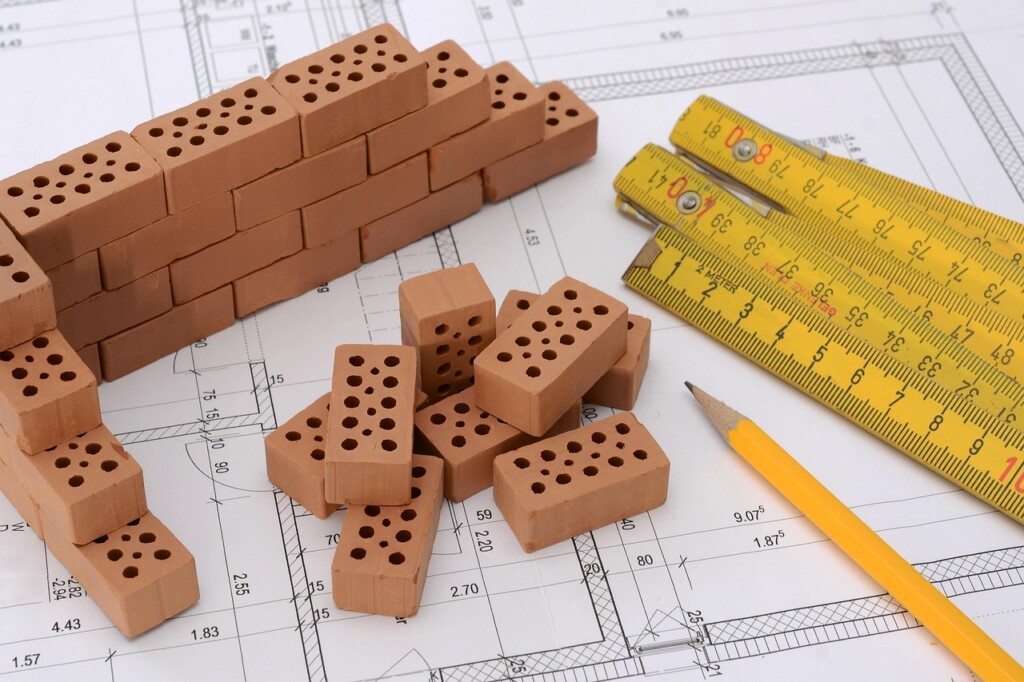
Interior reconfigurations form the structural backbone of most facelift projects. We remove outdated rooms to expand concourses and create open sightlines that improve traffic flow. These changes often require structural evaluation and coordination with mechanical systems because removing walls affects ventilation patterns and load distribution.
Complete restroom rebuilds are among the most comprehensive scopes in facelift work. Modern restrooms require updated plumbing rough-in work, accessibility compliance, and ventilation upgrades that meet current codes. We coordinate fixture placement, tile work, and lighting systems to create functional spaces that serve higher occupancy levels.
HVAC Modernization and Building Systems
HVAC modernization accounts for a significant share of facelift budgets. Aging systems often require replacing air handlers, modifying ductwork, and upgrading control systems. We evaluate existing infrastructure capacity and plan new equipment placement to minimize disruption during occupied renovations.
Accessibility upgrades are integrated throughout facelift scopes rather than isolated items. We install compliant door hardware, modify thresholds, and add accessible routes that connect to primary circulation paths. These improvements often trigger additional work when existing conditions do not meet current standards.
Exterior Envelope Work
Commercial envelope improvements focus on façade crack repair and material upgrades that improve both aesthetics and performance. We assess window and roof assemblies for replacement needs, coordinating these major components with details like caulking and flashing repairs.
Historically accurate doors and aluminum roofline ribs require specialized restoration techniques to preserve the original design intent. We work with preservation consultants to ensure these elements meet both historic standards and modern performance requirements.
Residential Facelift Components
Residential scopes in Fort Worth center on energy-efficient vinyl windows that handle local climate conditions. We install insulated or non-insulated vinyl siding depending on building orientation and thermal performance goals. These material choices affect both appearance and long-term maintenance requirements.
Fiberglass or steel exterior doors improve durability compared with older wood assemblies. We coordinate door replacement with threshold modifications and weather-sealing upgrades that improve energy performance.
Patio enclosures, pergolas, and sunrooms extend living spaces while adding property value. These outdoor structures require foundation work, electrical rough-in work, and weatherproofing that integrates with existing building systems.
How Do Compliance And Safety Shape Exterior Upgrades?
Code compliance drives every exterior renovation decision we make. Current building codes establish minimum standards for structural integrity, fire safety, and energy efficiency that affect roof-to-curb construction elements. When we evaluate existing façade materials, we identify components that no longer meet current standards and plan necessary updates accordingly.
Safety standards determine which exterior maintenance tasks become mandatory during renovation. Aging window systems often require replacement to meet current thermal performance requirements. Façade material updates might include fire-resistant treatments or structural reinforcements that weren’t required when the building was originally constructed.
Building Code Requirements For Exterior Systems
Modern building codes address multiple safety concerns through exterior specifications. Structural codes govern how façade materials attach to building frames and withstand wind loads. Fire codes dictate materials that can be used on exterior walls and require specific separation distances between buildings.
Energy codes now mandate minimum insulation values and air sealing requirements for exterior walls. These standards often trigger comprehensive façade material updates during renovation projects. We coordinate these code-driven improvements with aesthetic goals to create cohesive exterior upgrades.
Accessibility Compliance In Public Spaces
Accessibility upgrades form a significant portion of exterior renovation work on public buildings. The Americans with Disabilities Act establishes specific requirements for entrance accessibility, path of travel, and parking that affect exterior design. We plan these modifications early in the design process to integrate them seamlessly with other exterior improvements.
Public space design must accommodate wheelchair access, proper slope gradients, and accessible parking spaces. These requirements often drive decisions about entrance modifications, ramp installations, and surface materials. Compliance planning ensures these necessary features enhance rather than compromise the building’s appearance.
We integrate code compliance planning with aesthetic objectives from the project’s start. This approach allows us to design exterior upgrades that meet all safety standards while achieving the desired visual improvements. Proper planning prevents costly redesigns and ensures all exterior modifications support both regulatory requirements and project goals.
Which Materials And Assemblies Are Restored Versus Replaced?
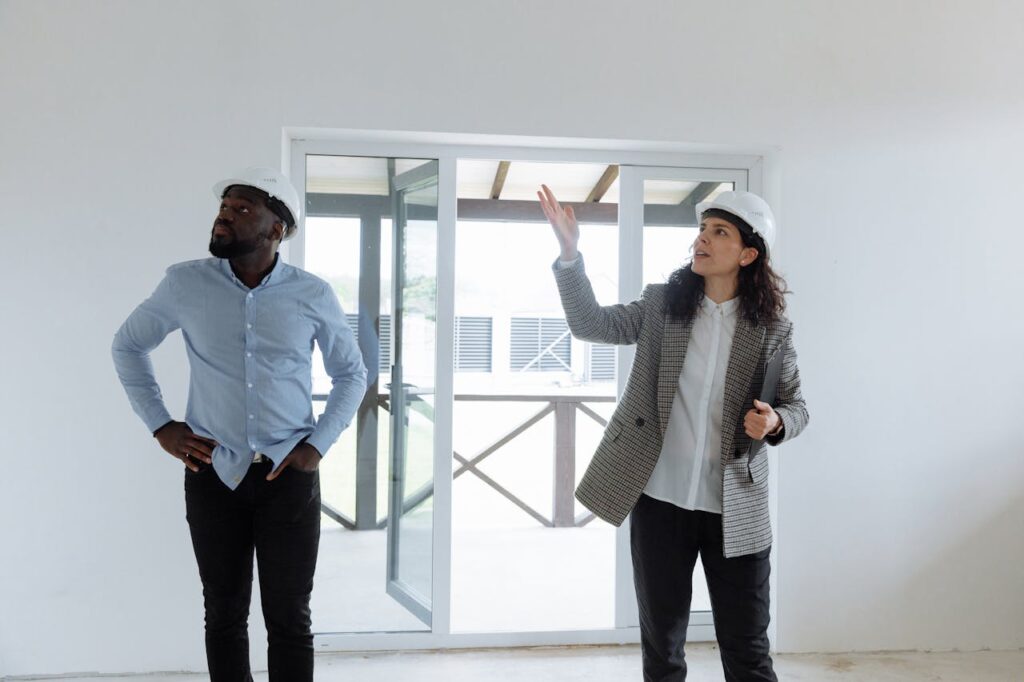
The choice between restoration and replacement depends on material condition, building envelope performance, and cost considerations. We evaluate each assembly against preservation standards and functional requirements.
Materials That Benefit From Restoration
Glass restoration makes financial sense for single-pane windows and curtain wall systems that show surface damage but have solid frames. Cleaning, resealing, and window tinting extend service life while improving energy efficiency. Metal panels respond well to restoration when corrosion is localized and structural integrity remains intact.
Stone and precast concrete often justify restoration over replacement. We repair cracks, replace deteriorated mortar, and apply protective coatings to address weathering. These materials can last decades more with proper restoration techniques.
Window frames present a mixed case. Aluminum frames typically restore well through resealing and hardware updates. Wood frames require careful assessment of rot and structural soundness before determining restoration viability.
When Replacement Is the Better Option
Window replacement becomes necessary when frames show extensive deterioration or energy performance falls far below current standards. Fort Worth’s climate demands windows that withstand temperature swings and occasional severe weather. Vinyl windows built for Texas conditions offer durability and energy efficiency that older single-pane units cannot match.
Exterior doors often require replacement rather than restoration, especially entry doors and patio doors that see heavy use. Fiberglass and steel options provide better security, weather resistance, and insulation than most original doors.
Siding replacement typically makes more sense than restoration when coverage is extensive. Insulated vinyl siding offers consistent appearance and performance that partial restoration cannot achieve. Non-insulated vinyl works for areas with less exposure or budget constraints.
Building Envelope Performance Strategies
Protective treatments can serve as an intermediate option between restoration and replacement. Roof coatings extend membrane life and improve reflectivity. Caulking addresses air infiltration at joints and penetrations. These measures support both restored and replacement assemblies.
We coordinate these treatments across the building envelope to optimize overall energy performance. Window tinting reduces cooling loads. Proper caulking prevents moisture intrusion. Roof coatings reflect heat and protect underlying materials.
Outdoor Living Integration
Patio structures enhance many residential exterior upgrades in Fort Worth. Patio covers, pergolas, screen rooms, and sunrooms extend usable space while complementing exterior improvements. These additions work with both restored and replacement assemblies to create cohesive outdoor living areas that match the home’s updated appearance.
What Planning Lessons Come From The Will Rogers Coliseum Facelift?
The $50.5 million Will Rogers Coliseum renovation delivers a case study in event-driven scheduling and phased delivery. We coordinate construction phases around active venue calendars, and this project shows how to balance user needs with operational demands.
Event-Driven Scheduling Drives Project Phases
The Will Rogers project aligned its first-phase completion with the January 2026 Fort Worth Stock Show & Rodeo. This timing reflects the venue’s year-round event schedule and the economic importance of avoiding interruptions. We use similar scheduling approaches when coordinating construction around occupancy patterns and critical business cycles.
Construction phases must account for venue usage throughout the year. The Will Rogers Coliseum hosts cutting horse competitions, reined cow horse events, and paint horse championships beyond the annual stock show. We sequence work to maintain operational continuity while achieving substantial completion milestones.
User Experience and Systems Integration
The renovation scope blended visitor improvements with infrastructure upgrades. Expanded concourses and open sightlines enhanced the user experience, while rebuilt restrooms addressed long-overdue facility needs. Updated HVAC systems and accessibility upgrades brought the 90-year-old structure to modern standards.
We approach similar projects by coordinating visible improvements with behind-the-scenes systems work. HVAC modernization, electrical updates, and fire safety installations often drive project schedules more than aesthetic elements. The Will Rogers project demonstrates how user experience improvements can advance alongside critical infrastructure work.
Historic Preservation Within Modern Upgrades
Crews restored historically accurate doors and reinstalled original aluminum roofline ribs during the exterior work. The project removed a later-added west side awning to showcase the building’s Art Deco style while installing new entrances for expanded functionality. This preservation approach maintains architectural integrity within contemporary upgrades.
Historic restoration requires specialized coordination and materials sourcing. The Will Rogers team balanced preservation requirements with accessibility improvements and fire safety compliance. We coordinate similar preservation work by identifying which elements require restoration versus replacement early in project planning.
Space Repurposing and Multipurpose Conversion
Former warehouse areas became meeting rooms, dining facilities, and food-service spaces. This conversion expanded the building’s year-round functionality for the Fort Worth Stock Show & Rodeo and other tenants. Space repurposing maximizes building value while supporting operational efficiency.
Conversions like these require mechanical and electrical infrastructure updates. This warehouse-to-multipurpose conversion required food preparation capabilities, dining room HVAC, and meeting room technology infrastructure. We coordinate these conversions by planning utility requirements alongside space layout changes.
Conclusion and Next Steps
A building facelift in Fort Worth brings restoration, replacement, and code compliance together into a unified exterior upgrade. Begin with essential repairs and safety improvements to establish a solid foundation. Address any structural issues or code violations before moving to aesthetic improvements.
Next, evaluate which building components to restore or replace. Glass and metal restoration often makes financial sense when quality materials are in good condition. Precast concrete repairs can extend service life while preserving architectural character. For residential projects, vinyl siding and fiberglass doors offer durability and energy efficiency. Consider patio covers and other outdoor structures to expand usable space.
Plan your work in phases around occupancy and scheduled events. We coordinate commercial exterior remodels, façade restoration, and residential upgrades to minimize disruption and maximize results. Ready to start your building facelift project? Contact EB3 Construction to discuss your exterior renovation goals.