Most property owners discover structural issues only after they become expensive problems. A building inspection contractor in Houston prevents these surprises by conducting thorough evaluations that protect your investment before major complications arise.
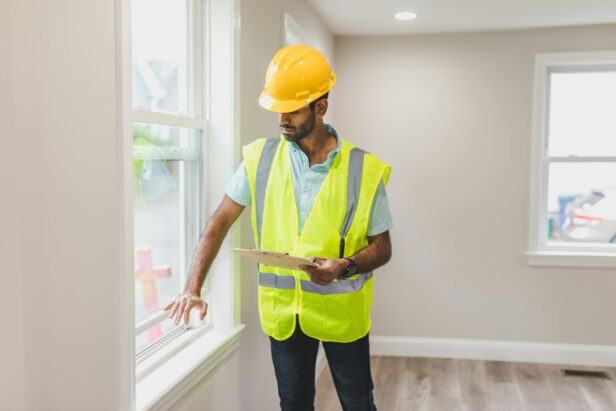
Professional inspectors examine everything from the roof to the foundation, following strict Texas standards established by TREC and TDLR. A typical inspection takes 2–3 hours, and inspectors deliver a detailed photo report within 24 hours, providing clear documentation for informed decisions.
Which Inspection Services Are Typically Offered In Houston Construction?
Residential inspection services form the foundation of most Houston inspection contracts. We coordinate pre-listing inspections in Houston before sellers list their properties to identify issues that could stall a sale. Pre-purchase assessments help buyers understand exactly what they’re acquiring. New construction phase inspections provide essential oversight at key milestones, while pre-drywall inspections verify systems before walls conceal them.
Builder warranty inspections capture defects during the 11-month warranty window, giving property owners leverage for repairs. General building inspections provide comprehensive evaluations of established properties across residential portfolios.
Commercial and Multi-Family Inspection Coordination
Commercial inspections in Houston require specialized expertise in complex building systems and regulatory compliance. We manage comprehensive commercial building inspections that evaluate structural integrity, MEP systems, life-safety equipment, and operational functionality. Property Condition Assessments (PCAs) provide detailed capital planning insights for investors and lenders making acquisition decisions.
Multi-family inspections address the unique challenges of apartment buildings, condominiums, and mixed-use developments. Energy code services ensure compliance with Texas requirements so new construction and major renovations meet state-mandated efficiency standards. These assessments often integrate with broader due diligence processes for commercial real estate transactions.
Specialized Add-On Services for Comprehensive Risk Assessment
Advanced diagnostic tools enhance standard inspection protocols when properties require deeper investigation. Sewer camera inspections identify blockages and structural damage in underground lines that visual assessments cannot detect. Thermal imaging reveals moisture intrusion, insulation gaps, and electrical hot spots invisible to conventional methods.
Drone roof inspections provide safe access to elevated areas while capturing detailed imagery of conditions that ladder inspections might miss. Pool and spa evaluations examine structural integrity, equipment functionality, and safety compliance for aquatic features. Septic and well inspection services address rural and semi-rural properties with private waste and water systems.
Environmental testing services protect occupant health and property values through targeted assessments. Mold testing in Houston identifies fungal contamination and indoor air quality (IAQ) issues common in the region’s humid climate. Asbestos inspections in Houston focus on older commercial and residential buildings where legacy materials pose exposure risks.
Radon testing in Houston detects the colorless, odorless gas that can accumulate in basements and lower levels. Lead-based paint inspections in Houston address pre-1978 construction where toxic coatings remain a concern. Water quality testing in Houston evaluates private wells and municipal supply issues. Termite (WDI) inspections identify wood-destroying insects that thrive in the area’s warm, humid conditions. Stucco inspections examine exterior cladding systems for moisture penetration and structural integrity issues.
How Do Commercial Building Inspections Differ From PCAs In Houston?
Commercial building inspections and Property Condition Assessments serve different purposes for developers and property owners in Houston. A commercial building inspection in Houston provides detailed documentation of current conditions across MEP (mechanical, electrical, and plumbing) systems, roofing, and structural components. We examine electrical panels, plumbing systems, HVAC equipment, and life safety systems to identify immediate deficiencies and maintenance needs.
A PCA operates under ASTM E2018 standards and takes a broader approach to risk assessment. We document overall property condition while developing capital expenditure forecasts over the next 10 years. PCAs include cost estimates organized into immediate repairs, short-term maintenance, and long-term capital needs. This analysis helps investors and lenders evaluate financial risk over time.
Many commercial transactions benefit from pairing a PCA with a Phase I Environmental Site Assessment for comprehensive due diligence. The Phase I ESA identifies potential environmental hazards that could affect property value or create liability. We coordinate these assessments to provide a full risk profile for the property.
Beyond standard inspections, we also perform damage and repair assessments following storms or equipment failures. These evaluations help property owners understand the scope of repairs, timeline estimates, and potential insurance claims. The detailed documentation supports negotiations with contractors and insurance adjusters.
Texas Energy Code compliance adds another layer to commercial property evaluations. The state requires adherence to energy codes for new construction, major renovations, and building upgrades. We provide energy code services to verify compliance and identify efficiency improvements that reduce operating costs while meeting regulatory requirements.
What Local Conditions And Logistics Affect Inspections In Houston?

Houston’s unique environmental conditions drive the most common findings during home inspections. Foundation movement from expansive clay soil tops our list of concerns. The clay-rich soil swells during wet periods and shrinks in dry spells, creating constant stress on structural elements.
HVAC systems face extreme demands in Houston’s climate. We routinely identify efficiency problems when units struggle against triple-digit temperatures. High humidity compounds the challenge by promoting moisture intrusion throughout building assemblies. This combination creates ideal conditions for mold growth in poorly ventilated spaces.
Roof systems endure significant wear from multiple weather factors. The National Weather Service Houston Office tracks the storm patterns that accelerate roofing deterioration. Hail damage, wind uplift, and intense UV exposure reduce material lifespans compared to milder climates. We document granule loss on composition shingles and flashing failures around penetrations.
Termite and pest activity remains elevated year-round due to Houston’s warm temperatures. These wood-destroying insects thrive in the Gulf Coast environment. We check for conducive conditions like wood-to-soil contact and excessive moisture near foundations.
Electrical and Plumbing Challenges
Aging electrical panels present safety concerns in many Houston properties. Older installations may lack proper GFCI protection or adequate capacity for modern electrical loads. We evaluate panel conditions and wiring methods during our systematic reviews.
Hidden plumbing leaks develop frequently due to soil movement and system age. Slab-on-grade construction makes leak detection challenging until damage becomes visible. We monitor for water stains and moisture patterns that indicate concealed problems.
Scheduling and Cost Considerations
We typically schedule inspections within 24–48 hours of client requests. This rapid turnaround supports tight transaction timelines common in Houston’s active real estate market. Standard home inspections require 2–3 hours for a thorough evaluation.
Residential inspection costs range from $370–$600 depending on property size and complexity. Termite and WDI (wood-destroying insect) inspections add $110–$145 when bundled with the primary inspection. These rates reflect current market conditions and the specialized knowledge required for Houston’s challenging environment.
Conclusion And Next Steps
Start by defining your specific needs when selecting building inspection services. Whether you’re managing a residential purchase, commercial property evaluation, or multifamily development, clearly establishing the inspection scope helps ensure comprehensive coverage without unnecessary overlap. Phase inspections for new construction require different expertise than standard pre-purchase evaluations.
Consider specialized testing based on your property’s age, location, and intended use. Sewer camera inspections reveal hidden pipe conditions that can affect long-term maintenance costs. Thermal imaging detects moisture intrusion and energy inefficiencies before they become costly problems. For properties with pools, spas, or septic systems, targeted assessments provide critical safety and functionality insights. Environmental testing for mold, asbestos, radon, lead-based paint, and water quality addresses health risks that standard inspections may not fully cover.
Verify that your chosen building inspection contractor in Houston holds the proper licensing through TREC or TDLR, depending on the inspection type. Professional memberships with organizations like InterNACHI or ASHI demonstrate ongoing education and adherence to industry standards. Attend the inspection when possible to ask questions directly and better understand maintenance recommendations. The detailed photo report becomes a valuable reference for prioritizing repairs, negotiating contracts, and planning future property maintenance.
For comprehensive building inspection services suited to Houston’s construction challenges, contact EB3 Construction to discuss your project requirements.