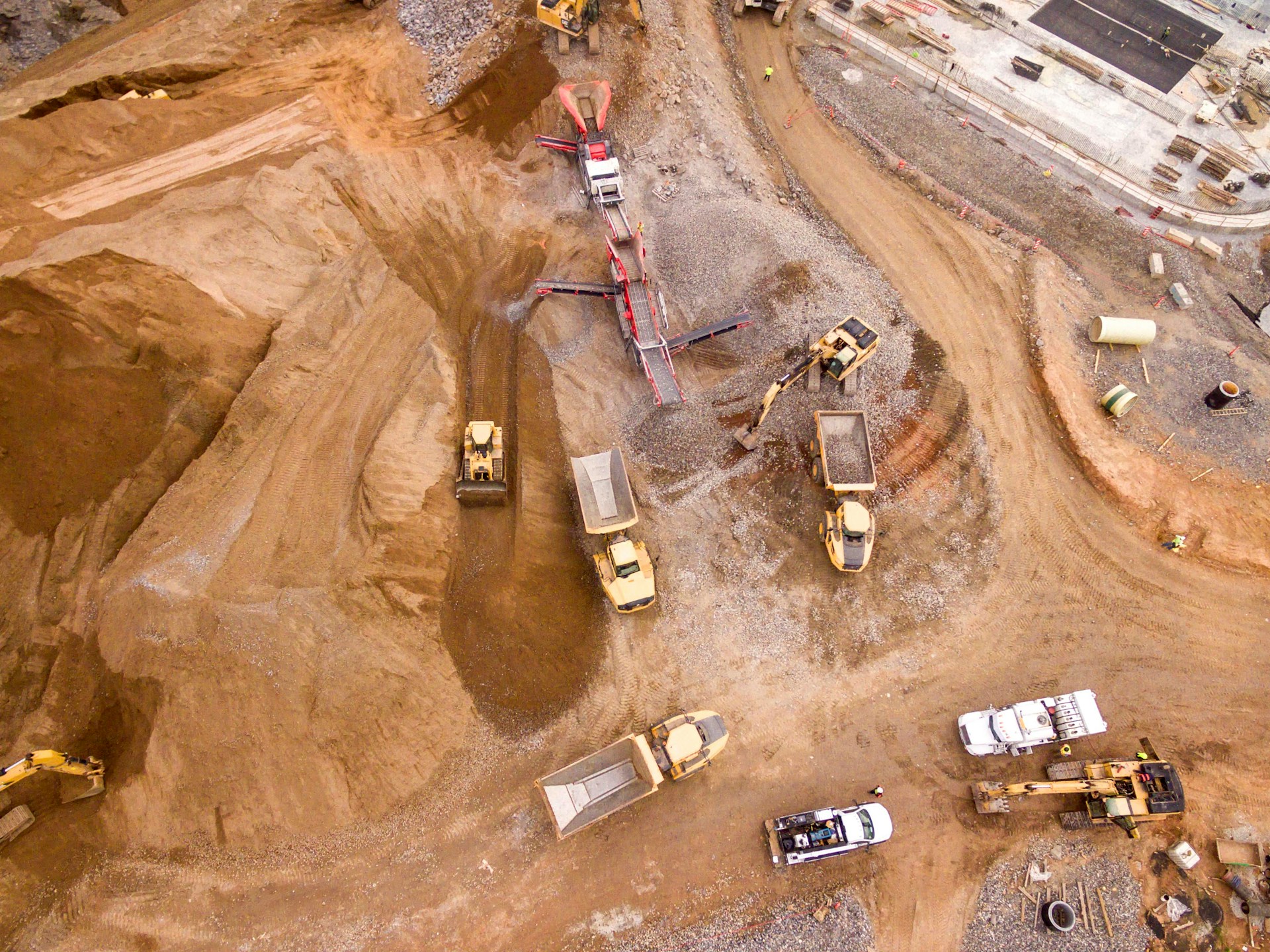
Construction costs have surged across Texas, with materials and labor climbing 5–10% annually since 2020. Still, Collin County remains a hotspot for commercial development, drawing businesses to cities like Frisco, Plano, McKinney, and Allen. Commercial general contractors in Collin County coordinate everything from tenant improvements, including tenant improvement allowances, to complete build-outs across this growing region.
We handle diverse scopes, including shell space finish-outs, remodels, renovations, and disaster recovery projects. Our work spans pre-construction planning—with Texas-specific pre-construction checklists—through construction management and design-build delivery for offices, medical facilities, retail spaces, warehouses, multifamily developments, and senior living communities throughout Prosper, Celina, Anna, Little Elm, The Colony, Fairview, and surrounding areas.
Which Commercial Services And Project Types Are Most Common Locally?
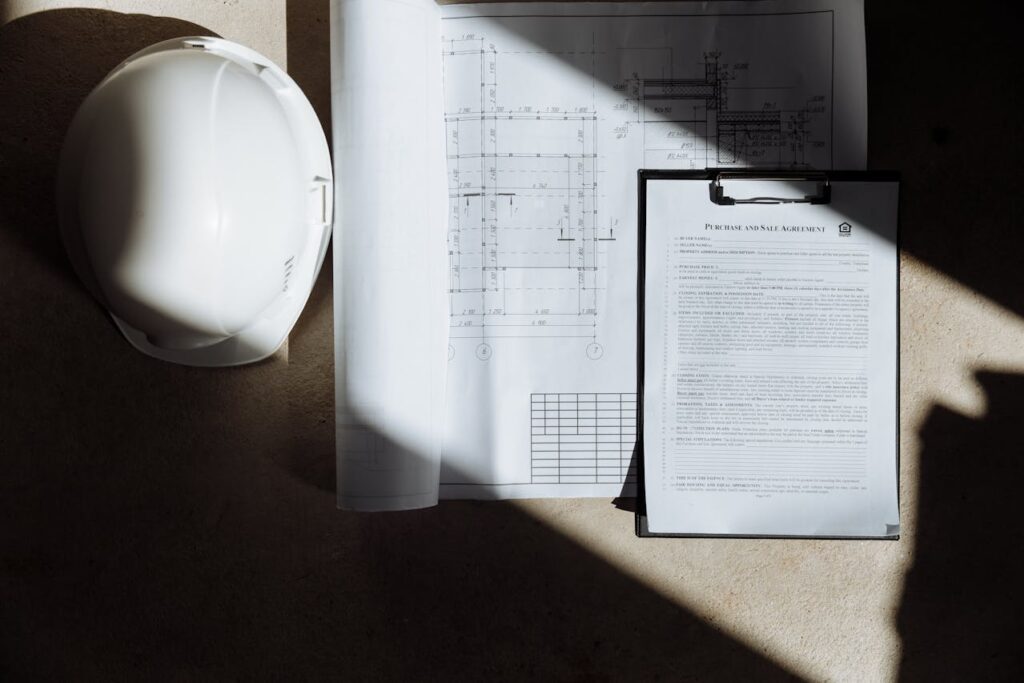
Shell space finish-outs are among the most requested services in Collin County. We transform raw commercial spaces into functional business environments by installing interior walls, flooring systems, lighting packages, and HVAC distribution. These projects often require coordination with existing building systems and must meet tenant-specific requirements for layout and functionality.
Remodeling existing locations updates outdated spaces to meet current business needs or market standards. We handle everything from surface-level improvements like paint and flooring to structural modifications that reconfigure entire layouts. Many businesses choose remodeling over relocation to preserve their customer base while modernizing their facilities.
Renovating older spaces demands specialized expertise with existing infrastructure. We assess structural integrity, upgrade electrical and plumbing systems to current codes, and integrate modern technology while preserving architectural character where appropriate. These projects often uncover unexpected conditions that require adaptive solutions and careful budget management.
Disaster recovery construction addresses damage from storms, floods, fire, or other catastrophic events. We coordinate with insurance adjusters, expedite permitting, and implement temporary solutions to minimize business interruption. These time-sensitive projects require rapid mobilization and flexible scheduling to restore operations quickly.
Project Delivery Methods and Support Services
Pre-construction services include feasibility studies, cost estimating, and constructability reviews before breaking ground. We analyze site conditions, review architectural plans for potential issues, and develop preliminary budgets to guide decisions. This phase helps identify scope adjustments that can prevent costly changes during construction.
General construction delivery follows the traditional design-bid-build process, in which we execute work based on completed plans and specifications. Construction management involves our team acting as the owner’s representative, overseeing subcontractors, and coordinating all aspects of the build while maintaining cost and schedule accountability.
Design-build projects integrate design and construction under a single contract, allowing us to streamline communication and accelerate timelines. This approach enables value engineering during design development, so we can suggest cost-effective alternatives or construction methods that meet performance requirements while managing budgets.
Project planning and budgeting establish clear expectations for scope, schedule, and financial parameters. Critical path scheduling identifies dependencies between construction activities, helping us sequence work efficiently and minimize delays. Value engineering evaluates design elements and construction methods to optimize cost-effectiveness without compromising quality or functionality.
Building Categories and Project Types
Office construction includes corporate headquarters, multi-tenant buildings, financial institutions, and healthcare facilities. We build medical clinics, dental offices, and specialized treatment centers that require precise environmental controls, specialized electrical systems, and compliance with healthcare regulations. These projects often involve complex MEP coordination and stringent infection-control measures.
Warehousing and industrial projects span distribution centers, manufacturing facilities, and specialized operations like waste processing and food production plants. Energy-sector construction includes office buildings for oil and gas companies, renewable energy facilities, and support infrastructure. These projects typically require high-capacity electrical service, specialized flooring, and equipment mounting capabilities.
Service and retail construction covers car wash facilities, convenience stores, hotels, self-storage complexes, and childcare centers. Restaurant construction involves kitchen equipment coordination, grease management systems, and dining area layouts optimized for service flow. Strip mall development requires careful tenant coordination and phased construction to minimize disruption to operating businesses.
Multifamily and senior housing projects include independent living communities, assisted living facilities, and memory care centers. These specialized environments require accessibility compliance, safety systems, and interior finishes that support resident needs while maintaining operational efficiency for staff.
Specialty structures utilize tilt-wall concrete construction, precast concrete systems, wood-framed assemblies, and pre-engineered metal buildings. Each construction method offers distinct advantages depending on project requirements, budget constraints, and timeline expectations. We select appropriate building systems based on structural needs, architectural goals, and long-term maintenance considerations.
How Do Tenant Improvements And TIAs Shape Budgets In Collin County?
Tenant Improvement Allowances are funds landlords provide to help tenants customize leased spaces to their business requirements. These allowances typically range from $5 to $50 per square foot, with suburban office and retail properties in Collin County often offering between $15 and $30 per square foot. Understanding how TIAs work enables better project budgeting and more informed lease negotiations.
Common TIA Types and Structures
Cash allowances provide tenants with a set dollar amount per square foot to manage their own build-out process. This approach offers flexibility in contractor selection and material choices. Tenants receive reimbursement after submitting receipts and completing approved work.
Turnkey build-out arrangements involve landlords managing the entire construction process based on tenant specifications. While this reduces tenant oversight responsibilities, it may limit control over material quality and project timelines. In reimbursement structures, tenants pay upfront costs and submit documentation for later repayment by the landlord.
Effective TI Spending Categories
Partition walls are among the most common tenant improvement expenses, creating functional layouts for offices, conference rooms, and specialized work areas. Flooring installations, including carpet, luxury vinyl plank, and tile, enhance both aesthetics and durability. LED lighting upgrades improve energy efficiency while providing better illumination for daily operations.
Plumbing and HVAC modifications accommodate specialized equipment needs and ensure proper climate control throughout tenant spaces. Painting and finishes allow businesses to incorporate branding colors and create professional environments. Signage and branding elements help establish company identity while complying with building standards.
Strategic Planning Tips
Defining specific needs before negotiations helps establish realistic TIA requests and prevents scope creep during construction. Researching market rates through commercial real estate databases and local broker insights provides leverage during lease discussions. Longer lease terms often justify higher allowances since landlords can amortize costs over extended periods.
Tenant representation through experienced commercial brokers can secure more favorable terms and navigate complex lease language. Documenting all TIA terms in writing prevents misunderstandings about eligible costs, deadlines, and reimbursement procedures. Clear documentation protects both parties and ensures smoother project execution.
Common Budgeting Pitfalls
Underestimating costs remains a frequent challenge, particularly given that construction costs have risen 5 to 10 percent annually since 2020—trends highlighted in both Kirksey’s 2024 report and this TI budgeting guide—due to material price increases and labor shortages. Overlooking lease fine print can result in unexpected restrictions on eligible improvements or stringent reimbursement requirements.
Choosing contractors based solely on lowest bids often leads to quality issues, delays, and change orders that exceed initial budgets. Missing reimbursement deadlines can forfeit eligible funds, making timeline management critical for financial recovery. Poor permit coordination can halt construction progress and increase carrying costs.
We help clients avoid these pitfalls by prioritizing scope based on operational needs, controlling change orders through detailed specifications, and coordinating landlord approvals throughout the construction process. Our experience with MEP systems and permit approvals ensures projects proceed efficiently while maximizing TIA value for tenant build-outs across Collin County.
Which Delivery Methods And Planning Steps Keep Projects On Schedule?

We rely on three primary delivery methods to execute commercial projects efficiently. General construction uses the traditional design-bid-build sequence: plans are finalized, then we bid and build while coordinating with the design team during construction. Design-build combines our construction expertise and architectural services under a single contract, enabling faster delivery through concurrent design and construction. Construction management positions us as the owner’s advocate throughout the project, overseeing subcontractor procurement and maintaining cost control through a guaranteed maximum price.
Preconstruction Services Drive Schedule Success
Preconstruction services form the foundation of every successful project timeline. We conduct constructability reviews during design development to identify potential conflicts before they impact the construction schedule. Site logistics planning addresses material delivery coordination, temporary utilities, and phasing requirements that prevent delays once construction begins.
Our preconstruction phase includes permit coordination with local jurisdictions across Collin County. Each municipality has specific requirements for commercial projects, and we address them early to avoid mid-project surprises. Value engineering during this phase identifies cost-saving opportunities without compromising the project schedule or quality standards.
Critical Path Scheduling Controls Project Flow
Critical path scheduling maps the longest sequence of dependent tasks that directly impact project completion dates. We identify which activities have zero float and require immediate attention when delays occur. This approach helps us allocate crews and materials to the tasks with the greatest impact on the overall timeline.
Trade coordination becomes critical when multiple specialty contractors work in overlapping phases. We sequence electrical rough-in, HVAC installation, and plumbing to prevent conflicts that cause schedule delays. Our scheduling approach accounts for material lead times, particularly for specialty items such as custom millwork or building automation systems common in commercial tenant improvements.
Project planning and budgeting work together with scheduling to maintain realistic timelines. We track actual progress against planned milestones weekly, adjusting resource allocation when activities fall behind schedule. This proactive approach prevents small delays from cascading into major project disruptions.
Documentation and Permit Coordination
Accurate as-built drawings support faster approvals for certificates of occupancy and future tenant improvements. We maintain detailed records of MEP system locations, structural modifications, and finish selections throughout construction. This documentation streamlines the inspection process and provides valuable information for property owners planning future expansions.
Permit coordination requires understanding each jurisdiction’s submittal requirements and review timelines. Cities like Frisco and Plano have established processes for commercial projects, while newer municipalities may have varying requirements. We factor permit approval timeframes into our critical path scheduling to prevent construction delays while awaiting approvals.
Our approach to tenant improvements, remodels, and expansions emphasizes early coordination with building owners and property managers. Understanding existing building systems and lease requirements before construction begins prevents costly change orders that affect the schedule and budget.
Conclusion And Next Steps For Collin County Builds
Your commercial construction project requires strategic focus on four key areas: scope boundaries, realistic budget parameters, clear timeline expectations, and the delivery method. Confirm whether general construction, design-build, or construction management best fits your project requirements and risk tolerance.
The certificate of occupancy represents your finish line, but the path requires careful coordination of permit approvals and budget control throughout all construction phases. We manage shell space finish-outs, remodels, renovations, disaster recovery, and facility maintenance across Frisco, Plano, McKinney, Allen, Prosper, Celina, Anna, Little Elm, The Colony, Fairview, Melissa, and surrounding areas in Collin County. When you align project needs with proven delivery methods and maintain disciplined project planning, you transform concepts into occupied spaces with fewer budget surprises and schedule delays.
Ready to move forward with your Collin County commercial construction project? Contact EB3 Construction to discuss your specific requirements and timeline.