Most issues on San Antonio jobsites stem from a single root cause: communication breakdown. When project teams fail to share critical information clearly, delays compound, costs escalate, and safety incidents increase.
Construction communication in San Antonio encompasses how we coordinate the flow of information among crews, owners, designers, and public stakeholders within the local regulatory environment. The City of San Antonio Communications Policy sets expectations for professional tone, timeliness, and Spanish translation when feasible, creating a framework that construction teams must follow in addition to standard project coordination demands.
Why Is Effective Communication Pivotal On San Antonio Construction Projects?

Construction projects operate in a dynamic environment where temporary project teams assemble quickly, work under intense pressure, and then disband. Research shows that this project-based structure introduces inherent communication challenges that can derail even well-planned builds.
Teams face a fundamental problem: stakeholders bring different priorities and timelines. Owners focus on budget and occupancy dates. Architects emphasize design integrity. Subcontractors manage their own crews and equipment schedules. These competing interests create natural friction points where miscommunication becomes costly.
Communication Failures Drive Project Disputes
Studies show that most construction disputes trace back to ineffective communication rather than technical failures. When project information doesn’t flow clearly between field crews and office staff, small issues compound into major problems. A missed material delivery becomes a schedule delay. An unclear scope change becomes a billing dispute.
The temporary nature of construction teams amplifies these risks. Unlike permanent departments that develop communication rhythms over time, construction teams must establish trust and information flow quickly. When crews don’t know each other’s working styles or communication preferences, important details get lost in translation.
Disputes become more likely when stakeholders operate from different assumptions about project requirements, quality standards, or delivery expectations. Clear, documented communication prevents these misunderstandings from escalating into formal conflicts that consume time and resources.
Face-to-Face Exchanges Carry Critical Information
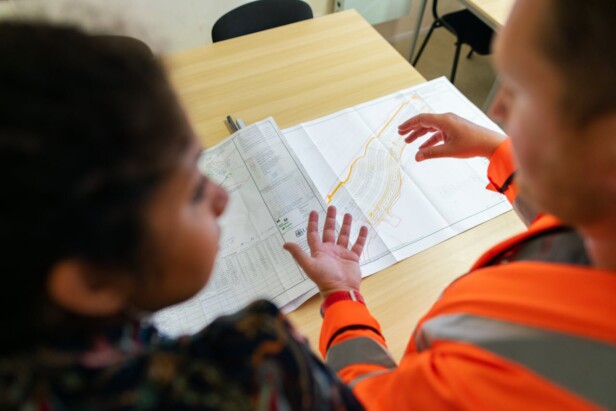
Most jobsite communication happens through direct, face-to-face meetings rather than written documentation. These exchanges allow teams to read nonverbal cues, ask immediate follow-up questions, and build the working relationships that keep projects moving forward.
Active listening is essential in these interactions. Field supervisors who listen carefully to crew concerns can identify potential problems before they affect schedules. Project managers who pay attention to client feedback during site visits can address issues while solutions remain manageable and cost-effective.
However, face-to-face communication also creates vulnerabilities. Important decisions made in informal conversations may not be documented properly. Key information shared in brief hallway discussions can be forgotten or misremembered when crews need to act on it days later.
Diverse Workforces Require Inclusive Communication Strategies
San Antonio’s construction workforce includes teams with different cultural backgrounds, primary languages, and communication styles. Nonverbal actions often convey more meaning than words in these diverse environments. A supervisor’s body language, tone of voice, and level of eye contact all send signals about urgency, respect, and project priorities.
Language barriers create specific risks when safety instructions, scope changes, or quality requirements don’t translate clearly. Essential communications may require Spanish translation to ensure all crew members understand critical project information. This becomes particularly important for safety protocols, schedule updates, and quality standards that affect everyone on site.
Teams that plan for inclusive communication from project kickoff reduce the likelihood of misunderstandings that can affect safety, quality, or schedule performance. Clear, respectful communication helps diverse crews work together more effectively under the time and budget pressures that define construction work.
How Should Teams Manage Internal And External Communications In San Antonio?
We structure our communication protocols around the City of San Antonio’s Communications Manual, which sets clear expectations for professional, timely exchanges with media, stakeholders, and public entities. It emphasizes staying on the record, maintaining equal access to information, and preparing for crisis situations with designated spokespersons and factual statements.
Designate Spokespersons For External Communications
We identify specific team members authorized to speak with media representatives, city officials, and external stakeholders. Only designated Public Information Officers or department directors issue official statements for construction projects that affect city operations or require public coordination.
All external communications remain on the record. We avoid off-the-record conversations that could create confusion or liability. When project delays or changes affect public access, designated spokespersons handle inquiries directly rather than allowing multiple team members to provide potentially conflicting information.
Log Media Inquiries With Essential Details
We maintain detailed records of all media contacts, including the reporter’s name, media organization, inquiry topic, deadline requirements, and date of contact. This systematic approach ensures equal access to information and helps us track ongoing stories or developing concerns about project progress.
Each log entry includes the specific questions asked and our response timeline. We inform reporters when someone will return their call and provide alternative contacts if the primary spokesperson is unavailable. This documentation supports consistent messaging and helps prevent misunderstandings during active construction phases.
Prepare Crisis Communications Team And Factual Statements
In a potential crisis, we immediately activate our designated Crisis Communications Team, which includes project management, legal counsel when necessary, and authorized spokespersons. The team prepares brief, factual statements that address the situation without speculation or incomplete information.
We provide regular stakeholder updates at predetermined intervals, typically before 4 p.m. to meet same-day news cycles. These updates include verified facts about incidents, corrective actions taken, and realistic timelines for resolution. We avoid promises about outcomes we cannot control while maintaining transparency about our response efforts.
Handle Open Records Requests Under Local Procedures
We process all public information requests according to the Texas Public Information Act and city-specific procedures. Construction documents, correspondence, and project records may be subject to open records requirements, particularly when projects involve city property, permits, or public infrastructure.
Our Open Records Liaisons coordinate with legal counsel to determine which documents require release and which may be protected under applicable exemptions. We maintain organized documentation throughout project phases to ensure a timely response to information requests while protecting sensitive details like proprietary methods or ongoing negotiations.
Translate Essential Communications Into Spanish
Following city guidance, we translate essential project communications into Spanish when they affect community access, safety procedures, or public notifications. This includes construction notices, schedule changes that affect traffic patterns, and safety advisories for areas near active worksites.
We coordinate with certified translators for technical construction terms and ensure translated materials maintain the same professional tone and accuracy as English versions. This approach supports clear communication with diverse crews and helps maintain positive relationships with Spanish-speaking stakeholders and community members.
What Non-Verbal And Face-To-Face Habits Reduce Conflict On Site?

Non-verbal cues carry the bulk of any message in construction environments. Research from the University of Texas at San Antonio Construction Science and Management program confirms that posture, eye contact, facial expressions, and vocal tone account for 93% of communication impact during face-to-face interactions. On active jobsites, these signals often determine whether conflicts escalate or resolve quickly.
Role-Specific Body Language Builds Authority
Each construction role requires distinct non-verbal approaches that match job responsibilities. A superintendent’s physical presence on site differs significantly from a general manager’s strategic positioning during stakeholder meetings. We train superintendents to maintain confident posture on the jobsite, make direct eye contact with crew members, and position themselves where they can observe multiple work areas at once.
General managers need different body language skills for client presentations and owner meetings. Their non-verbal cues should project strategic thinking and long-term project vision. This means controlled gestures, a measured speaking pace, and deliberate positioning that suggests oversight rather than hands-on involvement.
Punctuality as Non-Verbal Leadership
Arriving late to meetings sends a powerful negative message that undermines authority before any words are spoken. We establish strict punctuality standards for all project meetings, from daily crew briefings to formal owner presentations. Early arrival demonstrates respect for other participants’ time and signals that the project runs on professional schedules.
Beyond timeliness, preparation shows through non-verbal cues. Leaders who arrive with organized materials, clear agendas, and technology set up and ready project competence through their actions. These preparation habits reduce tension before discussions begin and establish a professional tone that prevents many conflicts from developing.
Active Listening Prevents Misunderstandings
Active listening involves specific physical behaviors that signal attention and understanding. We train project managers to maintain appropriate distance when speaking with crew members, typically three to four feet for professional conversations. Closer positioning can feel intrusive, while greater distance suggests disengagement or reinforces hierarchy.
Eye contact patterns matter significantly in diverse workforces. Some crew members interpret prolonged eye contact as aggressive, while others view an averted gaze as disrespectful. We teach leaders to use brief, regular eye contact that acknowledges the speaker without creating discomfort. Nodding and leaning slightly forward show engagement without invading personal space.
Technical Communication with Confident Presence
Owner and stakeholder presentations require combining clear technical language with confident physical delivery. We rehearse these presentations to ensure body language matches the message content. Open gestures, a steady vocal tone, and controlled movement help convey technical competence while maintaining approachable professionalism.
During challenging conversations about delays or budget issues, consistent non-verbal cues help maintain trust. We avoid defensive postures like crossed arms or backing away from difficult topics. Instead, we maintain steady positioning and calm facial expressions that signal a focus on problem-solving rather than blame.
Which Tools And Training Improve Daily Construction Communication?
Professional communication requires the right tools and skills used together. We emphasize fundamentals that keep field and office teams aligned through well-documented submittals, clear email etiquette, and accurate recordkeeping systems.
Essential Software for Project Teams
Microsoft Outlook serves as the backbone for scheduling and transparent project updates. Teams coordinate meetings, share calendar availability, and track milestone deadlines through its integrated system. Email organization is critical when managing multiple stakeholders across different phases of construction.
Adobe applications support document control and visual communication needs. Adobe Acrobat Pro allows teams to edit contracts, annotate plans, and maintain organized document libraries. This centralization ensures all project members access the most current drawings and specifications.
Excel provides data tracking capabilities for cost monitoring, schedule analysis, and resource allocation. Construction managers use it for everything from estimating to contract management, often creating custom templates for recurring project needs. The software handles complex calculations while keeping formats accessible for field personnel.
Communication Skills Training
Soft skills development addresses team dynamics and collaboration challenges. Diversity training helps crews work effectively across cultural and language differences. These programs focus on building respect, understanding different communication styles, and creating inclusive work environments.
HR basics cover professional conduct, conflict resolution, and performance feedback methods. Teams learn to address issues constructively before they escalate into project delays or safety concerns. Regular team-building exercises strengthen working relationships and improve overall project coordination.
Standardized Processes
Documentation standards ensure consistent information flow between field and office operations. We establish templates for submittals, change orders, and progress reports that maintain a professional presentation while capturing essential project details.
Risk monitoring systems track potential communication breakdowns before they affect project outcomes. Regular progress checks help identify when information gaps emerge between different trades or stakeholder groups. These processes support proactive problem-solving rather than reactive damage control.
Email etiquette training covers clear subject lines, appropriate response times, and maintaining a professional tone. Teams learn when to use email versus phone calls for different types of project communication. Clear guidelines prevent information overload while ensuring critical messages receive proper attention.
Local building codes compliance requires documentation that supports regulatory requirements throughout the construction process. Our systems align with San Antonio’s specific permitting and inspection protocols, including the city’s Building-Related Codes (Chapter 10), to maintain project momentum through official review processes.
Conclusion: Make Communication A Daily Discipline

Effective construction communication in San Antonio builds stronger teams and delivers better project outcomes. Core practices are straightforward: prioritize face-to-face exchanges, model nonverbal leadership, and keep documentation consistent. Establish clear communication protocols early and apply them throughout delivery to keep teams aligned.
Building communication competency takes deliberate practice and structured support. Start with an audit of current practices to identify gaps in communication protocols and stakeholder updates. Set role-based responsibilities that clarify who speaks to external parties and the steps to take during a crisis. Schedule regular training sessions covering email etiquette, submittal procedures, and calendar management. Most importantly, ensure essential project communications are available in Spanish when working with diverse crews and community stakeholders.
Contact EB3 Construction to discuss how we integrate proven communication practices into your next San Antonio project.