

Austin construction projects must work through the Development Services Department’s regulatory framework to secure required approvals. The city consolidated its permitting oversight under this single department in March 2023, streamlining what was previously split across multiple agencies.
Construction permitting services in Austin, Texas connect builders with the official approval process through the Austin Build + Connect portal. This portal manages everything from initial applications to final inspection scheduling and serves as a centralized location for project documentation and fee payments.
Which Projects Need Permits In Austin—And Which Do Not?

Most construction and development in Austin requires a building permit. We see this daily when managing projects that involve structural changes, new utility connections, or significant alterations to existing buildings.
Projects That Require Permits
New construction projects require permits regardless of size or complexity. This includes residential homes, commercial buildings, and accessory structures that exceed size thresholds.
Remodels, alterations, and additions trigger permit requirements when they involve structural modifications or system upgrades. We coordinate residential permits for kitchen expansions, bathroom renovations, and room additions that change a building’s footprint.
Demolition work requires permits to ensure safe practices and proper debris disposal. Commercial demolition permits often involve additional environmental considerations and utility disconnections.
Fences over a certain height require permits in Austin. The city typically requires approval for fences exceeding 8 feet, though specific regulations may vary by zoning district.
Swimming pool installations require permits due to safety regulations and electrical connections. Pool permits cover both in-ground and above-ground installations that exceed certain depth thresholds.
Electrical, mechanical, and plumbing work requires trade permits for safety compliance. These permits ensure installations meet code requirements and receive proper inspections throughout the process.
Projects That Typically Do Not Require Permits
One-story detached structures under 200 square feet often qualify for permit exemptions. These include small storage sheds, workshops, and utility buildings that don’t require electrical or plumbing connections.
Fences under 8 feet in height typically don’t require permits. However, property line restrictions and homeowners association requirements may still apply.
Prefabricated pools under 2 feet deep generally avoid permit requirements. These temporary or seasonal pools pose minimal safety risks and don’t require permanent installation.
Small awnings that extend only a short distance from exterior walls usually don’t require permits. The city considers these minor architectural features with limited structural impact.
Asphalt shingle replacement qualifies as maintenance rather than construction when using like-for-like materials. Roof repairs that don’t alter structural elements typically avoid permit requirements.
Minor decking repairs affecting less than 128 square feet often fall below permit thresholds. These maintenance activities include board replacement and minor structural repairs that don’t change the deck’s footprint.
Same-size door replacements don’t require permits when maintaining existing openings. This includes entry doors, patio doors, and interior doors that use identical dimensions and hardware configurations.
Overhead garage door installations typically qualify as maintenance when replacing existing units. New garage door openings or structural modifications would require permits.
Portable HVAC units avoid permit requirements because they don’t involve permanent electrical or mechanical connections. These temporary cooling and heating solutions operate independently of building systems.
Emergency pipe leak repairs qualify for permit exemptions due to their urgent nature. However, extensive plumbing modifications or system upgrades would require proper permits.
Using the City’s Permit Wizard
The City of Austin provides a “Do I Need a Permit” wizard to help determine project requirements. This online tool asks specific questions about work type, location, and scope to provide guidance.
We recommend using this wizard before starting any construction activity. The tool considers jurisdiction boundaries, zoning regulations, and project specifics that affect permit requirements.
The wizard helps identify edge cases where permits might be required despite seemingly minor work. It also clarifies when multiple permit types might apply to complex projects involving different trades or systems.
How Does The Austin Permitting Process Work From Start To Finish?
Austin’s permitting process follows three phases that we navigate regularly on construction projects. The Development Services Department structures the workflow to ensure code compliance while maintaining project momentum. Each phase has specific requirements and timelines that affect project scheduling.
Step 1: Application Preparation and Submission
Document preparation starts with downloading the correct application PDFs from the City of Austin website. The AB+C portal includes application wizards that guide applicants through the specific requirements of each permit type. These wizards help prevent common submission errors that can delay review cycles.
Address verification is critical early in the process. We use the City’s Property Profile tool to confirm jurisdictional boundaries and validate addresses before submission. Projects in the City’s extraterritorial jurisdiction (ETJ) may require additional documentation or follow different approval paths.
Many projects trigger documentation beyond standard building permits. An Austin Energy Building Service Plan Application (BSPA) applies to most projects requiring electrical service modifications or connections. Water and wastewater projects need a WWWSPV form to verify service capacity and connection feasibility.
Green building projects require an Austin Energy Green Building conditional approval letter before permit submission. Housing Department certification letters may be required for affordable housing projects or those using specific incentive programs. We track these requirements during pre-construction planning to avoid delays.
Step 2: Plan Review and Revision Response
The City’s plan review process examines submissions for code compliance, zoning conformance, and technical adequacy. Review timeframes vary by permit type and project complexity. Commercial projects typically require longer review periods than residential work.
Plan reviewers issue comment letters detailing required changes or clarifications. These comments must be addressed before permit approval can proceed. We categorize comments as either minor revisions or major revisions, as each carries different fees and processing times.
Minor revisions typically involve drawing corrections, specification updates, or small design adjustments. Major revisions require substantial changes to structural systems, site layouts, or building configurations. The fee structure reflects the additional review time required for major modifications.
Applications can be modified through the City’s established revision process. We submit revised drawings and documentation through the AB+C portal, responding point-by-point to reviewer comments. Clear communication with plan reviewers often expedites this phase.
Step 3: Inspection Scheduling and Completion
Once permits are issued and fees paid, the inspection phase begins. Austin requires inspections at specific construction milestones to verify work matches approved plans. Inspection scheduling must follow the prescribed sequence to avoid delays.
Building inspections cover structural, framing, and final occupancy requirements. Environmental inspections ensure erosion control, tree protection, and stormwater management compliance. Site development inspections verify that grading, drainage, and utility installations meet approved plans.
Subdivision projects require additional inspections for street improvements, utilities, and platting compliance. Sound enforcement inspections apply to projects subject to the noise ordinance. Utility cut inspections are required when work affects the public right-of-way or existing infrastructure.
We coordinate inspection timing with trade contractors and project schedules. Failed inspections require corrections and re-inspection, which can impact critical path activities. Proper preparation and quality control minimize inspection delays and keep projects on schedule.
What Permit Types And Fees Should You Plan For In Austin?

Austin’s permitting system covers multiple categories based on project scope and location. Commercial building and trade permits handle new construction, alterations, and specialty work such as electrical and plumbing systems. Residential building and trade permits cover single-family homes, duplexes, and related improvements.
Sign permits regulate exterior business signage, while tree permits protect regulated species during development. Transportation and public works permits govern driveways, sidewalk installations, and excavation affecting public infrastructure.
Site Plan and Water Service Requirements
Site plan permits apply to non-residential properties requiring development approval. They coordinate with zoning compliance and environmental reviews. Water and wastewater service permits handle connections to city utilities, septic systems, and on-site sewage facilities.
We coordinate site plan submissions with architectural teams to ensure utility access aligns with building placement. Early coordination helps prevent costly revisions during construction.
Fee Structure Breakdown
Austin organizes fees into four main categories. Application processing fees start the review cycle and typically cost under $100. Plan review fees represent the largest expense, often exceeding $1,000 for complex projects.
Plan resubmittal fees apply when initial submissions require significant changes. Plan revision fees depend on scope, with minor revisions under $100 and major revisions reaching several hundred dollars.
| Project Type | Category | Fee Details |
|---|---|---|
| Residential Building Permits | Plan Review | $263.21 + additional fees |
| Commercial Building Permits | Plan Review | Base fee $3,320.50 + per sq. ft. charge |
| Drainage Impact Analysis | Engineering Plan | $1,500 + additional fees for outside review |
| New Single-Family Construction | Application Processing | $97.02 + surcharges |
| Site Plan Permit | Non-residential | Based on sq. ft. and project complexity |
Real-World Cost Examples
A residential new-construction project demonstrates typical fee progression. Application processing costs $91.73 to initiate city review. Plan review fees reach $1,525.68 for a comprehensive evaluation of building plans, site layout, and code compliance.
Minor plan revisions add $79.56 when addressing reviewer comments. This example totals $1,696.97 before any major revisions or resubmittals. Commercial projects carry higher fees based on square footage and occupancy classification.
Payment Methods and Scheduling
The AB+C portal accepts online payments via credit card or checking account. Credit card transactions include a 2.35% service fee with a $2 minimum. Phone payments are processed at 512-974-7045 during business hours.
In-person payments are accepted at the Permitting and Development Center (PDC).
How Can EB3 Construction Support Permitting Tasks In Austin?
At EB3 Construction, we handle the complex coordination required for permitting in Austin across residential and commercial projects. Our team manages permit submissions, tracks review timelines, and maintains compliance with changing city requirements.
Residential Permitting Support
We coordinate residential permits for new construction, remodels, and additions through the AB+C (Austin Build + Connect) portal. Our experience includes managing accessory dwelling unit permits, where lot eligibility requirements can vary significantly across Austin neighborhoods. Express permits for limited-scope renovations often offer faster turnaround times for qualifying work.
Electric vehicle charging station permits require careful coordination because these installations typically need both electrical permits and additional EV-specific approvals. We ensure proper documentation moves through both review processes to avoid delays.
Commercial Project Coordination
For commercial development, we provide permit expediting services that include preliminary meetings with city staff and coordinated plan reviews. Our feasibility studies help developers understand site constraints, setback requirements, and allowable uses before making significant design investments.
We coordinate architectural and site plan packages to ensure alignment across review departments. This coordination is critical when projects span multiple jurisdictions or require specialized approvals from various city departments.
Code Compliance and Specialized Projects
Interpreting building codes is essential for complex projects that push standard construction boundaries. We work with the City of Austin Development Services Department to clarify code requirements and identify approved alternatives when standard approaches create conflicts.
Our experience covers a range of project types, including high-rise developments, multifamily housing, retail spaces, restaurants, biotech facilities, and healthcare projects. Each brings unique code requirements and review processes that we navigate systematically.
Administrative Support Services
Contractor registration across multiple municipalities requires ongoing attention to varying requirements and renewal schedules. We track registration status and ensure compliance across all jurisdictions where work occurs.
The certificate of occupancy process often involves multiple inspections and final compliance verification. We coordinate these final steps to help projects open on schedule while meeting all safety and code requirements.
Conclusion And Next Steps
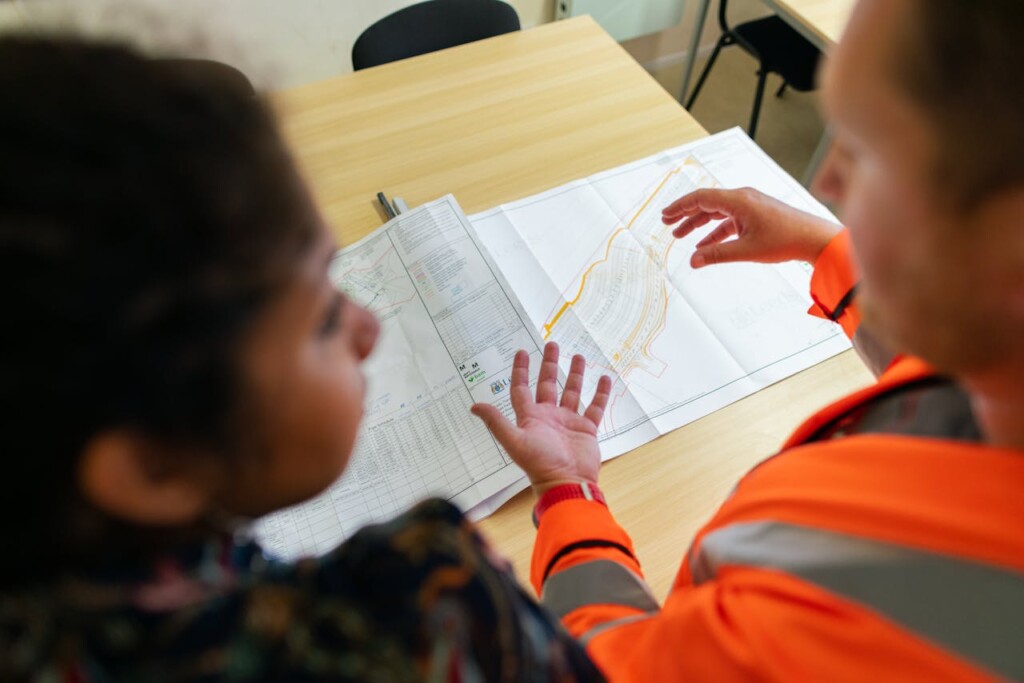
Austin’s construction permitting services in Austin, TX, operate through a centralized system managed by the Development Services Department. The AB+C portal streamlines permit applications, plan uploads, fee payments, and inspection scheduling. We use this portal daily to keep projects moving through each required review stage.
Planning ahead prevents delays and budget overruns. Start by confirming whether your project requires permits using the City of Austin’s “Do I Need a Permit” wizard. Prepare all necessary application PDFs, along with supplemental documents such as BSPA forms for Austin Energy coordination, WWWSPV verifications for water services, AEGB conditional approval letters for green building requirements, and NHCD certification letters when applicable. Submit everything through the AB+C portal, and budget for plan review fees and potential revision costs. After permit issuance, schedule required inspections in the proper sequence to avoid compliance issues.
Contact EB3 Construction to coordinate permit expediting and management services that keep your Austin project on schedule.