Construction site utilities in San Antonio are generally divided into two main categories: wet utilities and power and communications systems. Wet utilities include storm drainage, water lines, sanitary sewer infrastructure, pump stations, and wastewater treatment plant components. Power and communications systems typically require underground trenching, duct-bank installation, and transformer pad construction.
We coordinate with local utility providers and the San Antonio River Authority throughout planning, inspection, and tie-in phases. Our teams deliver comprehensive utility construction, including concrete work, temporary utility installation, and underground electrical support to keep development projects on schedule.
Which Permits, Standards, And Service Areas Govern Utility Work?
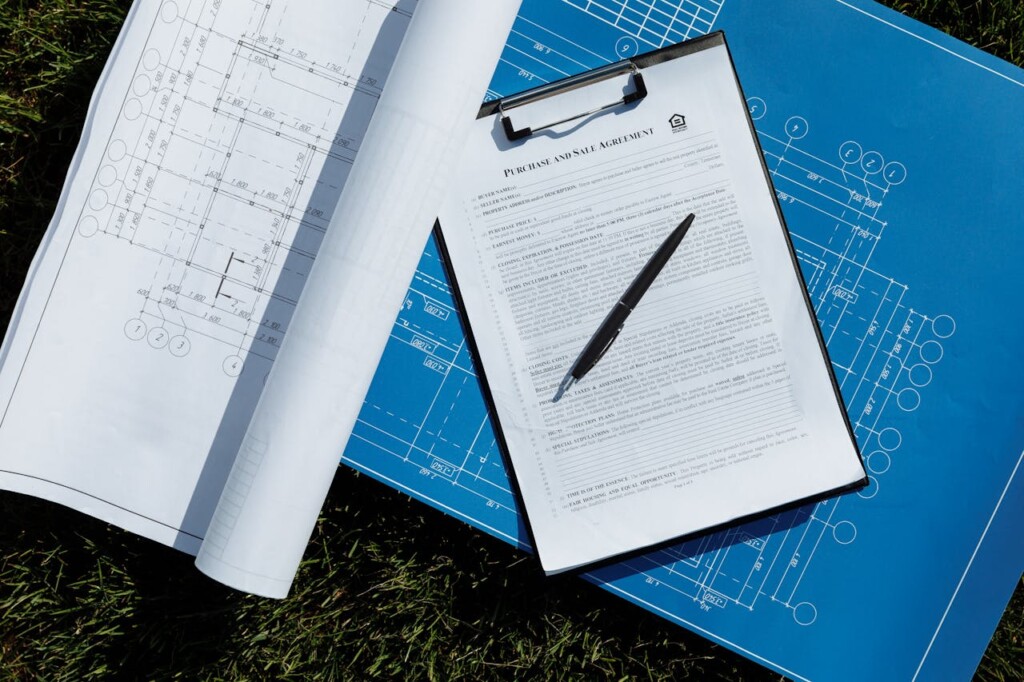
The San Antonio River Authority manages its Certificate of Convenience and Necessity (CCN) service areas through the SmartGov portal, which serves as the primary interface for all utility development activities. Teams submit new developments for review, track progress, schedule construction inspections, and request tie-in inspections through this centralized system.
SARA’s Utilities Development Resources provide the regulatory framework for all construction work within its service territory. The Utility Service Regulations establish policies governing service extensions to customers for wastewater and reuse services. General Notes and Standard Details & Specifications cover technical requirements for sewer excavation, trenching and backfilling, TV inspection, sanitary sewer testing, jacking and boring operations, and manhole construction.
The Approved Products List ensures material compliance across all projects, while the Utility Service Agreement outlines capacity, engineering, design, construction, payments, and financial obligations between developers and SARA. When standard specifications cannot be met, teams submit a Variance Request Form through established procedures.
Service area boundaries determine which projects fall under SARA’s jurisdiction. The authority maintains five distinct service areas: Upper Martinez, Martinez II, Martinez IV, Salitrillo, and the entire CCN boundary. Service area maps help confirm coverage before initiating any development work.
SARA owns, operates, and maintains wastewater treatment plants and collection systems throughout its service territory. All plant operators maintain certification through the Texas Commission on Environmental Quality (TCEQ), ensuring compliance with state regulations. The authority’s operators regularly attend accredited sewer and water courses to maintain or upgrade their certification status.
GIS standards for utility development provide specific requirements for geographic information system files, including field details and file geodatabase formats. These standards ensure proper documentation and integration of new infrastructure into existing systems.
What Wet Utility Scopes Are Typical On Construction Sites?
Wet utilities encompass critical infrastructure that supports site development. Storm drainage is central to water management, directing runoff away from structures and preventing flooding. Water line construction provides potable water to buildings and hydrant systems. Sanitary sewer installation creates the wastewater collection network that connects to municipal treatment facilities.
We handle comprehensive pump station work in multiple configurations. Lift stations move sewage from lower elevations to gravity systems or treatment plants. Booster stations maintain water pressure in distribution networks, particularly for elevated areas or large developments. These systems require precise sizing calculations and coordination with local utility districts to meet capacity and pressure requirements.
Wastewater treatment plant construction is a specialized scope within wet utilities. We manage new facility construction and renovation of existing plants. Treatment plant work often includes process tanks, clarifiers, aeration systems, and mechanical equipment installation. Concrete work supports all these wet utility systems through foundations, manholes, valve vaults, and containment structures.
Intake structures support water supply systems by drawing from wells, rivers, or reservoirs. These facilities require careful environmental coordination and often involve specialized concrete work below the water table. The structures must withstand hydrostatic pressure while maintaining water quality standards through proper material selection and construction methods.
Coordination drives successful wet utility installation across all scopes. We work directly with municipal engineers to verify design standards and inspection requirements. Local districts provide oversight for capacity planning and connection approvals. Construction crews coordinate sequencing to avoid conflicts between water, sewer, and storm systems during installation.
How Are Underground Electrical And Communications Utilities Installed?

We operate rock saws, trenchers, and excavators with our in-house crews to deliver precise underground electrical and communications infrastructure. These machines handle varying soil conditions and help us maintain controlled excavation depths for both primary and secondary electrical systems. Rock saws cut through challenging terrain, while trenchers create clean pathways for conduit installation.
Primary and secondary duct-bank installations form the backbone of underground electrical systems. We install Schedule 40 PVC conduits with proper spacing, using approved conduit spacers at regular intervals. Primary voltage conduits typically require concrete encasement with a minimum three-inch envelope, while secondary systems follow municipal depth requirements. Each conduit receives waterproof pull strings rated for 200-pound tensile strength to facilitate future cable installation.
Transformer pad construction requires precise excavation and foundation preparation to support electrical equipment loads. We excavate to specified dimensions, install compacted stone bases, and pour concrete foundations that meet the manufacturer’s specifications. Proper grounding systems connect to driven ground rods, and conduit terminations align with equipment entry points. Coordination with utility providers ensures transformer delivery schedules align with pad completion.
Municipal code compliance drives our installation methods across all underground electrical work. We maintain required separation distances from water, gas, and telecommunications lines as specified in local ordinances. Conduit burial depths follow the National Electrical Code standards while accommodating local amendments. Inspection scheduling occurs at critical milestones before concrete encasement and backfill operations.
Residential subdivision support includes secondary service installations and street lighting infrastructure. We install service lateral conduits from transformer locations to individual meter bases, maintaining the required bend radius. Street lighting circuits receive dedicated conduit systems that support LED fixtures and photocell controls. Subdivision electrical designs coordinate with development phasing to minimize disruption.
Aerial work complements underground systems where overhead distribution remains necessary. We coordinate with utility providers to establish proper clearances and attachment points. Parking lot lighting installations combine underground conduit systems with pole foundations and fixture mounting. Emergency service capabilities ensure rapid response when electrical infrastructure issues threaten project schedules or safety requirements.
How Should Teams Coordinate Locates, Inspections, And Tie-Ins?
Effective coordination in SARA’s service areas begins with the SmartGov portal. We use this centralized system to schedule construction inspections and request tie-in inspections for utility connections. This portal streamlines the review process and maintains consistent communication with SARA’s inspection teams.
For sewer line locates or emergency situations requiring immediate response, we rely on SARA’s Sewer Request process. This dedicated system handles 24-hour emergency operations, line backups, and locate requests efficiently. SARA operates its wastewater plants and collection systems with TCEQ-certified operators, ensuring professional oversight throughout the coordination process.
Planning Submittals for Streamlined Reviews
We align all submittals with SARA’s comprehensive documentation framework. This includes adhering to Standard Details, General Notes, and the Approved Products List during the planning phase. These documents provide specific requirements for sewer excavation, trenching and backfilling, and testing protocols.
The Approved Products List prevents delays by ensuring material selections meet SARA’s standards before procurement. General Notes outline construction specifications, while Standard Details provide technical drawings for proper installation. Following these guidelines reduces revision cycles and accelerates project approval.
Confirming Service Area Coverage
Before scheduling any field activities, we confirm project coverage using SARA’s service area maps. These maps delineate Upper Martinez, Martinez II, Martinez IV, Salitrillo, and the CCN boundary. Verifying coverage early prevents scheduling conflicts and ensures coordination with the appropriate jurisdiction.
Service area verification also determines which inspection protocols apply to each project zone. Different service areas may have varying requirements for testing procedures, material specifications, or connection methods. Understanding these distinctions helps us coordinate appropriate inspection schedules and allocate resources.
Conclusion and Next Steps

Planning construction site utilities in San Antonio requires careful scope definition, proper permitting processes, and adherence to established standards. Within SARA’s CCN boundaries, projects succeed with systematic use of the SmartGov permitting portal and strict compliance with Standard Details and the Approved Products List. These requirements protect both the infrastructure investment and ongoing operational reliability.
Before starting any field work, verify your project’s service area using SARA’s coverage maps. Prepare comprehensive submittals aligned with SARA’s specifications, and schedule construction inspections and tie-in reviews through the portal. Coordinate wet utilities and underground electrical installations as integrated systems rather than separate scopes. We manage the full range of construction site utilities, from storm drainage and sewer systems to duct-bank installation and transformer pads, while coordinating with local utility providers to keep projects compliant and on schedule.
Ready to plan your utility infrastructure project in San Antonio? Contact EB3 Construction for expert coordination and execution.