
Industrial projects demand specialized expertise beyond standard commercial work. In Temple, TX, these facilities often involve steel-intensive construction and careful coordination across multiple building systems. These requirements shape what you can expect from an experienced construction partner.
An industrial construction company in Temple, TX, such as EB3 Construction, typically provides general contracting, construction management, and design-build services tailored to industrial needs. We focus on clear communication, steady progress, and attention to detail while maintaining strict safety standards, schedule control, and budget discipline across Temple-area industrial projects.
Which Delivery Methods And Core Services Are Available In Temple?
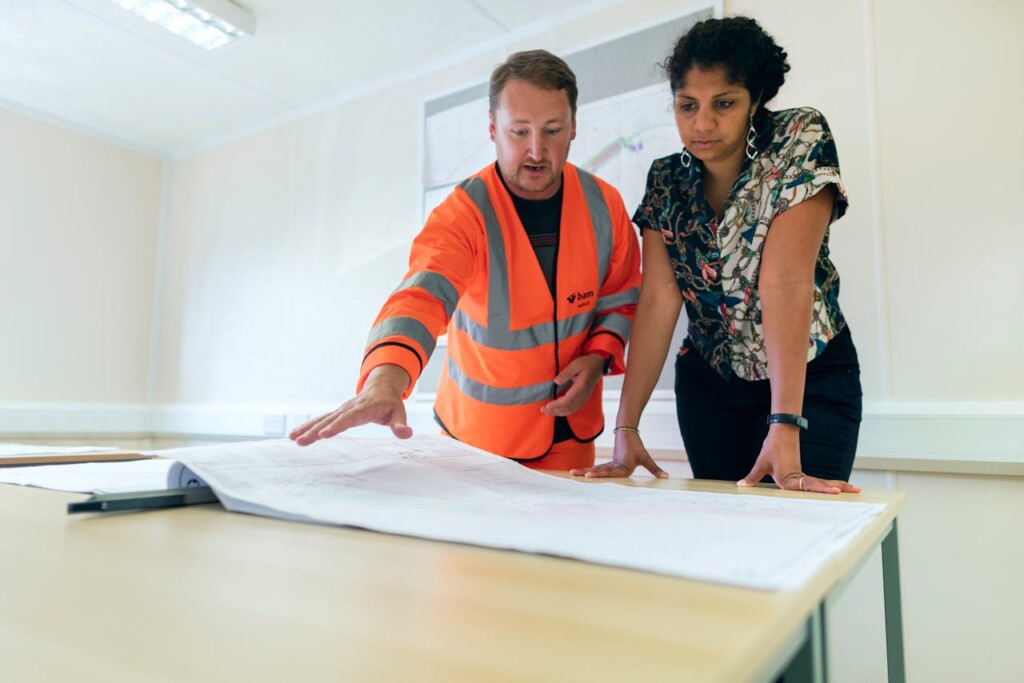
We structure our Temple operations around three primary delivery methods that give developers and property owners flexibility in project execution. Our general contracting approach provides traditional oversight of all construction phases. Construction management services focus on schedule coordination and cost control, while owners maintain direct relationships with key trades, supported by planning methods such as takt time. Design-build delivery integrates design and construction under one contract, streamlining decision-making and reducing project timelines.
Structural Steel and Metal Building Services
Our structural steel erection capabilities focus on pre-engineered and weld-up metal building systems. Pre-engineered metal buildings offer faster delivery and standardized connections that reduce field labor requirements. These systems work well for warehouses, distribution centers, and manufacturing facilities where clear spans and efficient construction schedules matter most.
Weld-up metal buildings provide greater design flexibility for projects requiring custom column spacing or unique architectural features. Our welding-certified crews handle all steel connections and field modifications. We coordinate crane operations, material deliveries, and erection sequences to keep steelwork moving efficiently through Temple-area job sites.
MEP and Specialty Trade Support
Commercial electrical and plumbing capabilities allow us to self-perform critical building systems rather than relying entirely on subcontractors. Our electrical teams handle power distribution, lighting systems, and basic industrial controls. Plumbing services cover process lines, fire protection connections, and standard facility utilities.
Specialty divisions expand our project scope beyond core construction work and support pre-construction planning. Division 8 services include doors, frames, and hardware installation. Division 10 specialties cover restroom accessories, lockers, and similar building components. Our architectural specialties group handles custom millwork and unique design elements that industrial facilities sometimes require.
Facility Services and Post-Construction Support
Facility services extend our relationship with owners beyond project completion. We handle maintenance contracts, emergency repairs, and building system upgrades. This ongoing connection helps us understand how industrial facilities perform over time and what modifications might improve operations.
Insurance-related work is essential when facilities experience damage from storms, equipment failures, or other covered events. Our teams can assess damage, coordinate with insurance adjusters, and execute repairs that restore full facility operations quickly.
How Do Steel Building Systems Get Planned And Erected?
Steel building projects typically follow a straightforward plan–build–deliver sequence that keeps timelines predictable and costs controlled. We work directly with owners during the planning phase to define project scope, establish clear objectives, and select the most suitable delivery method for their needs. This collaborative approach ensures that technical requirements align with budget constraints and scheduling expectations from the start.
The choice between pre-engineered systems and weld-up metal buildings is a key decision in planning. Pre-engineered systems arrive with factory-fabricated components designed for rapid assembly, making them ideal for standard warehouse configurations and shop buildings where speed matters. Weld-up metal buildings offer greater flexibility for unique architectural requirements or specialized industrial applications with non-standard dimensions or load capacities.
Our welding-certified crews handle all aspects of steel erection and connections in accordance with structural integrity standards (AWS Professional Certification) and industry guidance on welding quality, ensuring long-term performance. These professionals understand the specific techniques required for both pre-engineered assembly sequences and field welding operations. Their expertise covers everything from column placement and beam installation to final bracing connections that provide lateral stability.
Field coordination becomes especially important during the erection phase when multiple trades must work efficiently around crane operations and material staging areas. We schedule deliveries to match the construction sequence so structural components arrive as crews are ready to install them. This approach minimizes site congestion and reduces the risk of material damage or delays caused by weather exposure.
Clear scheduling protocols help coordinate crane availability, crew assignments, and material deliveries throughout the construction process. Steel framing typically begins with column erection, followed by primary beam installation and then secondary framing. Each phase requires specific equipment and specialized crews, making coordination essential to maintain project momentum and meet completion deadlines.
What Quality, Safety, And Scheduling Practices Should Owners Look For?
We prioritize a safety-first culture where every job site follows strict protocols and clear accountability. Owners can verify this commitment by reviewing our safety training records and injury prevention statistics. Look for contractors who conduct daily safety meetings and maintain up-to-date OSHA compliance documentation (see guidance on heat-stress compliance for Texas crews).
Quality assurance starts with experienced site supervision and consistent inspection checkpoints (see additional site management guidance for Texas). We implement quality control measures at each construction phase (with a Texas-focused overview here), from foundation work through final inspections. Our supervisors address issues immediately rather than allowing problems to compound, which protects both project integrity and your investment.
On-time, on-budget delivery requires disciplined schedule management and cost tracking. We provide weekly progress reports that compare actual performance against planned milestones. Effective schedule management includes realistic timelines, proper material sequencing, and proactive coordination between trades to prevent delays.
Strong relationships with local suppliers and subcontractors help control costs while maintaining quality standards. We work with Temple-area partners who understand regional conditions and can respond quickly to project needs. These established relationships often provide better pricing and more reliable delivery schedules than distant suppliers.
Post-construction support and warranty follow-up ensure your facility performs reliably after turnover. Ask contractors about their warranty terms and response procedures for addressing any issues that emerge during the warranty period. We maintain detailed documentation throughout construction to support efficient warranty service and ongoing facility maintenance.
Conclusion and Next Steps for Temple Industrial Projects
Industrial construction in Temple, TX offers owners multiple pathways to success through careful planning and strategic partnerships. The combination of flexible delivery methods, specialized steel expertise, and comprehensive trade support creates a foundation for efficient project execution. Temple’s growing industrial market benefits from contractors who understand local conditions and maintain strong supplier networks.
Your next steps should follow a systematic approach. Start by clearly defining project scope, establishing realistic timelines, and setting firm budget parameters. Choose between design-build approaches in Temple for integrated delivery or traditional construction management methods, based on your risk tolerance and desired level of involvement. Verify that your structural steel contractor in Temple holds current certifications for welding and steel erection. Confirm availability of MEP trades, specialty divisions such as Division 8 and Division 10, and comprehensive facility services to avoid coordination gaps during construction.
Contact EB3 Construction to discuss how we align these essential elements for dependable industrial facility delivery in Temple, TX.