
Farmers Branch continues to attract new businesses and development across diverse commercial sectors. This growth creates opportunities for developers and property owners seeking reliable commercial construction expertise. A commercial builder in Farmers Branch, Texas must navigate local codes, understand the city’s development priorities, and coordinate complex project requirements from initial planning to occupancy.
Successful commercial projects demand more than basic construction knowledge. We approach each build with a clear understanding of local zoning requirements, permitting procedures, and Farmers Branch’s long-term development vision. This approach aligns your project with city goals while meeting investor expectations for quality and schedule.
How Does The Farmers Branch Development Landscape Shape Your Commercial Project?
The strategic location of Farmers Branch creates strong opportunities for commercial development across sectors. The city sits at the intersection of major highways, providing immediate access to Interstate 35E and the Dallas North Tollway. This connectivity makes the area particularly attractive for light industrial and distribution facilities that require efficient logistics networks.
Economic development initiatives in Farmers Branch actively support mixed-use projects and infill development. The city’s comprehensive planning framework encourages retail centers that serve both local residents and commuters passing through these corridors. Office developments benefit from the area’s business-friendly policies and proximity to corporate headquarters throughout the Dallas–Fort Worth Metroplex.
We coordinate site selection based on the city’s urban planning priorities, which emphasize walkable, transit-oriented development. Infrastructure improvements along major thoroughfares create opportunities for ground-floor retail with office or light industrial uses above. The city’s zoning policies allow for flexible building types that can adapt to changing market demands over time.
Light industrial projects benefit from Farmers Branch’s position within established supply chain networks. The area’s highway access supports manufacturing, warehousing, and distribution operations that serve the broader Dallas–Fort Worth region. We evaluate sites based on truck routing capabilities, utility capacity, and compatibility with surrounding land uses.
Retail developments perform best when aligned with the city’s vision for community-centered commercial districts. The planning process favors projects that integrate with existing neighborhoods while providing amenities for both residents and workers. We assess sites for visibility from major roads, pedestrian accessibility, and potential for shared parking arrangements with complementary uses.
The city’s long-range planning emphasizes sustainable development practices and energy-efficient building systems. Projects that incorporate green infrastructure and stormwater management align with municipal goals while potentially reducing long-term operating costs. We consider these factors during the initial design phase to ensure compliance with evolving environmental standards.
What Codes, Permits, And Inspections Should A Commercial Builder Manage In Farmers Branch?
Commercial projects in Farmers Branch must comply with zoning ordinances that specify land use restrictions, building height limits, and required setbacks from property lines. These regulations directly impact site design and building placement, making early zoning review essential to assess project feasibility.
Building codes cover structural, electrical, plumbing, and mechanical systems that ensure safety and functionality. Farmers Branch has adopted the 2024 International Codes and the 2023 NEC, effective October 1, 2025, establishing current standards for construction quality and compliance.
Permit Application and Plan Review Process
The permitting process begins with plan review, where city departments examine architectural drawings, engineering calculations, and site plans for code compliance. Commercial building permits require detailed documentation demonstrating adherence to structural requirements, fire safety measures, and accessibility standards.
Plan review coordination involves multiple city departments, each focusing on specific aspects of the project. The building inspection division handles structural and general code compliance, while other departments review utilities, drainage, and environmental considerations.
Required Inspections Throughout Construction
Commercial projects require scheduled inspections at critical construction phases to verify code compliance and workmanship quality. Foundation inspections occur before concrete placement, ensuring reinforcement and dimensions meet approved plans.
Structural inspections verify framing, connections, and load-bearing elements during construction. Electrical, plumbing, and mechanical inspections occur before systems are concealed, allowing inspectors to confirm proper installation and code adherence.
Final inspections encompass all building systems and lead to the certificate of occupancy, which permits legal use of the completed facility. Missing an inspection can halt construction progress and delay project completion.
Environmental and Safety Requirements
Environmental regulations may apply depending on project scope, site conditions, and building use. Stormwater management, erosion control, and waste disposal requirements protect local water quality and environmental resources.
Fire safety codes mandate sprinkler systems, emergency exits, and fire-rated construction materials based on building size and occupancy type. These requirements directly affect design decisions and construction methods, requiring early integration into project planning.
Skipping permit steps or inspection schedules creates significant risks, including work stoppages, costly rework, and potential legal liability. We coordinate these requirements from project start to certificate of occupancy to prevent delays and ensure compliance with all applicable codes.
Which Services Should Your Builder Coordinate From Concept To Closeout?
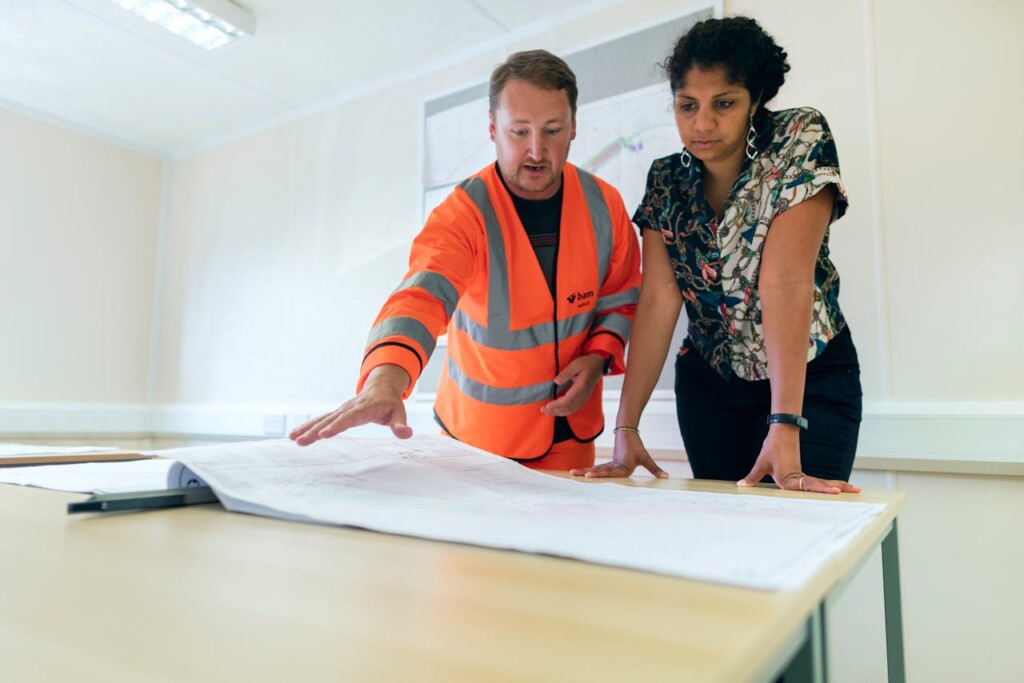
A commercial builder’s role extends far beyond managing construction crews on-site. We coordinate an intricate network of specialized trades, services, and systems that turn design concepts into operational facilities. This comprehensive approach ensures that each component integrates properly and meets code requirements and performance standards.
Design Consultation And Early Planning Services
Effective coordination begins during the design phase, when we guide architectural planning and engineering decisions that affect construction feasibility and costs. Our design consultation services align building systems with operational requirements and local codes from the outset.
We work with architects and engineers to optimize layouts for mechanical systems, structural loads, and utility routing. Early involvement prevents costly redesigns during construction and ensures all building components work together efficiently.
Core Construction And Systems Coordination
HVAC installations are among the most complex coordination challenges in commercial construction. We manage the integration of heating, ventilation, and air conditioning systems with electrical power, structural supports, and architectural finishes. This includes coordinating ductwork routing, equipment placement, and control systems that maintain comfortable environments while meeting energy-efficiency standards.
Electrical systems require careful coordination with other trades to ensure proper power distribution, lighting control, and communication infrastructure. We sequence electrical rough-in work with framing, mechanical installations, and fire protection systems to avoid conflicts and rework.
Structural steel coordination involves precise timing and sequencing to support the building’s framework while accommodating mechanical systems and architectural features. We manage crane operations, material deliveries, and connection details that ensure structural integrity throughout the construction process.
Specialized Project Services
Tenant finish-outs demand detailed coordination as we work within existing building shells to create customized spaces. These projects often involve selective demolition, new partition walls, upgraded mechanical systems, and specialized finishes that meet specific business requirements.
Retrofit projects require us to coordinate new systems with existing infrastructure while maintaining building operations. We plan phased construction sequences that minimize disruption to occupied spaces and ensure safety throughout the renovation process.
Project management services tie all coordination efforts together through scheduling, communication, and quality control. We track material deliveries, coordinate inspections, and manage change orders to keep projects on schedule and within budget.
Supporting Trades And Services
Demolition work requires careful coordination with hazardous materials assessment, utility disconnections, and waste disposal. We sequence demolition activities to prepare sites efficiently while protecting adjacent structures and utilities.
Earthwork and site preparation involve coordinating excavation, grading, and utility installations with local regulations and environmental requirements. We manage soil testing, drainage systems, and foundation preparation that supports the entire project.
Concrete and masonry work requires precise timing with other trades to ensure proper curing, structural connections, and finish quality. We coordinate material deliveries, weather protection, and inspection schedules to maintain construction momentum.
Flooring installations happen late in the construction sequence but require early coordination with HVAC systems, electrical outlets, and architectural transitions. We protect finished floors during final construction activities while ensuring proper moisture control and substrate preparation.
Maintenance Planning And Closeout Services
Maintenance planning begins during construction as we document system specifications, warranty information, and operational procedures for building owners. This coordination supports a smooth transition from construction to occupancy and long-term facility management.
At EB3 Construction, we align these diverse trades and services through systematic project management that maintains clear communication, enforces quality standards, and delivers projects that meet both immediate needs and long-term performance goals.
How Can You Plan For ROI And Long-Term Value In Farmers Branch?
Strategic planning for commercial properties in Farmers Branch requires balancing immediate returns with sustainable growth. We examine local market conditions and tenant preferences on each project to support strong performance over time.
Market Analysis Drives Space Allocation
Understanding current demand patterns helps determine optimal space configurations. Farmers Branch continues to grow in the office and light industrial sectors, while retail space performs well near major transportation corridors. We analyze vacancy rates, lease terms, and rental pricing across different property types to align development plans with real market needs.
Tenant demographics and business requirements shape our design decisions. Companies relocating to Farmers Branch often seek flexible layouts that can accommodate growth or operational changes. These insights guide us toward creating adaptable spaces that remain appealing across tenant transitions.
Site Selection Maximizes Visibility and Access
Location fundamentals drive long-term property valuation in Farmers Branch. We prioritize sites with highway visibility and direct access to major routes such as I-35E and the Dallas North Tollway. Properties near established business districts benefit from existing infrastructure and professional networks.
Zoning compatibility protects future development options. We verify that current zoning allows the intended use and examine potential for expansion or modification. Sites with flexible zoning designations provide more opportunities for tenant appeal and property adaptation as market conditions evolve.
Energy-Efficient Design Reduces Operating Costs
Building performance directly affects both tenant satisfaction and property valuation. We incorporate high-efficiency HVAC systems, LED lighting, and advanced insulation to minimize utility expenses. Energy-efficient features attract quality tenants and support premium lease rates in competitive markets.
Smart building technologies enhance operational efficiency while reducing maintenance demands. Automated systems for lighting, climate control, and security lower ongoing costs and improve the tenant experience. These investments typically generate positive returns through reduced operating expenses and higher tenant retention.
Durable Materials Control Maintenance Expenses
Material selection influences both initial construction costs and long-term maintenance requirements. We choose building components that withstand Texas weather while maintaining their appearance over time. Quality roofing, exterior finishes, and mechanical systems reduce repair frequency and extend asset life.
Preventive maintenance planning protects property value and tenant relationships. We design systems for easy access and routine service to minimize disruptions and costs. Regular upkeep schedules prevent major component failures that could affect building operations or require emergency repairs.
Conclusion And Next Steps
A successful commercial build in Farmers Branch requires strategic planning, thorough preparation, and experienced guidance throughout the project delivery process. The combination of local market knowledge, strict zoning compliance, and proactive permitting provides the foundation for projects that meet immediate needs and long-term investment goals. We coordinate design-build services to ensure seamless project management from initial concept through final inspections and occupancy.
Define your project goals and conduct market analysis to identify the best opportunities in Farmers Branch’s growing economy. Confirm zoning requirements early to avoid costly delays and engage with city departments to establish clear permitting timelines. Design for operational efficiency and tenant appeal while maintaining compliance with all building codes and environmental regulations. These steps position your commercial project for construction success and sustained value creation.
Ready to move forward with your commercial project? Contact EB3 Construction to discuss how we can guide your project from planning to completion.