
Searches for industrial builders in Haltom City, TX, typically focus on warehouses, manufacturing facilities, and distribution buildings within the Dallas–Fort Worth Metroplex. The local industrial landscape includes active warehouse and distribution operations, with manufacturing plants scattered throughout the area. Examples of this growth are visible along corridors such as Midway Road and Solona Street in Haltom City, where industrial development continues to expand.
Planning industrial construction in this market requires understanding project delivery methods, MEP integration, safety protocols, structural concrete requirements, and building envelope decisions. This framework helps project teams define scope and coordinate effectively with local stakeholders.
Which Delivery Methods And Capabilities Fit Industrial Projects In Haltom City?
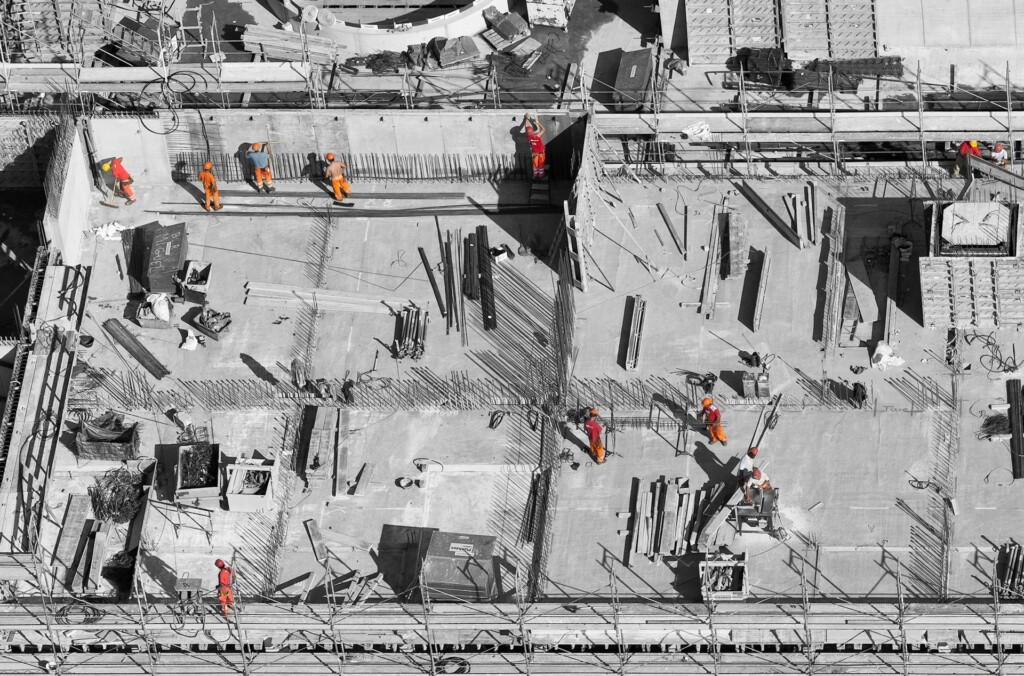
Industrial projects in the Dallas–Fort Worth area require proven delivery approaches that align with warehouse, distribution, and manufacturing demands. We support multiple project delivery methods designed to streamline construction while controlling cost and schedule.
Core Delivery Methods for Industrial Construction
Design-build provides single-source accountability for both design and construction. This integrated approach reduces coordination issues and accelerates timelines by allowing construction to begin before the design is fully complete. Manufacturing facilities benefit from early contractor input on constructability and cost optimization.
Design-assist brings our construction expertise into the design phase while maintaining separate contracts for design and construction. The method works well for complex warehouse projects where MEP system integration requires early coordination between trades. We provide constructability feedback and budget guidance during design development.
Integrated project delivery creates shared risk-and-reward structures among project stakeholders. IPD emphasizes collaboration and transparency throughout the project lifecycle. This approach suits large distribution centers where innovation and efficiency gains offset the additional coordination required.
Lean construction focuses on eliminating waste and maximizing value in all project phases. We apply lean principles to material handling, workforce coordination, and quality control. These techniques are especially valuable on fast-track industrial projects with tight budgets.
Engineering and Construction Capabilities
Our engineering services span structural design, site development, and MEP systems coordination. We coordinate utility connections, foundation systems, and building envelope details to ensure seamless execution. Preconstruction services include feasibility studies, cost estimation, and construction scheduling.
Prefabricated components reduce field labor and improve quality control for repetitive building elements. Modular construction accelerates assembly while maintaining consistent quality standards. Custom systems address unique operational requirements for specialized manufacturing equipment or storage configurations.
We integrate building automation and energy solutions with modern industrial operations. We coordinate control systems, lighting controls, and HVAC automation to optimize facility performance. Commercial solar installations provide long-term energy cost benefits for warehouse and manufacturing operations.
Specialized Industrial Services
Pre-engineered metal buildings offer cost-effective solutions for warehouse and light manufacturing applications. We handle design, engineering, and construction of these systems with emphasis on clear-span requirements and expansion capabilities. Metal roof design and construction services ensure proper drainage, insulation, and weather protection.
Build-to-suit projects align facility design with specific operational requirements. We coordinate with property owners and tenants to deliver turnkey facilities that meet exact specifications. This approach works well for distribution centers with unique racking, loading, or process requirements.
Construction management services provide project oversight and coordination when owners prefer to maintain separate design contracts. We manage subcontractor coordination, schedule control, and quality assurance throughout construction. General construction capabilities handle everything from sitework through final commissioning.
Our roofing, exteriors, and mitigation services extend beyond initial construction. We provide ongoing maintenance, storm restoration, and building envelope upgrades to protect long-term asset value. These services are essential for facilities operating in Texas’s challenging climate.
How Do Safety, Training, And Experienced Leadership Reduce Risk?
Industrial construction projects demand rigorous safety protocols and continuous workforce development to protect personnel and minimize operational disruptions. We implement comprehensive safety programs that address the unique hazards of underground placement and natural gas distribution work. Our approach integrates systematic training with experienced oversight to create multiple layers of protection against incidents.
Comprehensive Safety Programs for High-Risk Operations
Our safety program addresses the specific risks associated with underground utility construction and natural gas distribution systems. Workers face hazards from heavy machinery, hazardous substances, and confined spaces that require specialized protocols. We strictly adhere to safety standards and conduct regular equipment evaluations to ensure our teams use up-to-date technology for underground placement work.
Safety protocols extend beyond basic compliance to establish a culture where every team member understands risk factors and mitigation strategies. Regular training keeps employees current on the latest standards and best practices for utility construction projects. This systematic approach reduces the likelihood of accidents while maintaining efficiency on complex industrial scopes of work.
Ongoing Training Programs Strengthen Risk Management
Workforce training serves as a critical control mechanism for managing construction risks, particularly in specialized areas like natural gas distribution and underground utility work. Our training programs target both technical competencies and safety awareness, ensuring workers can handle complex equipment while maintaining situational awareness. This dual focus helps prevent incidents that could result from either technical errors or safety lapses.
Training initiatives include hands-on equipment operation, hazard recognition protocols, and emergency response procedures. Workers learn to identify potential risks before they escalate, supporting a proactive approach to risk management. These programs also support employee retention by demonstrating our commitment to workforce development and career advancement within the construction industry.
Experienced Leadership Enhances Project Planning and Execution
Our leadership team brings hundreds of combined years of industry experience to complex industrial construction projects. This depth of knowledge supports effective planning and risk management across all phases of construction, from initial site assessment through project completion. Experienced leaders can anticipate potential challenges and implement preventive measures before they arise.
Leadership experience is particularly valuable in managing workforce retention and project continuity. Seasoned project managers understand how to maintain team cohesion during challenging phases of construction while ensuring safety standards remain consistent. This expertise helps projects stay on schedule while protecting both workers and project outcomes from unnecessary risks.
What Structural Concrete And Building Envelope Choices Matter For Warehouses And Plants?
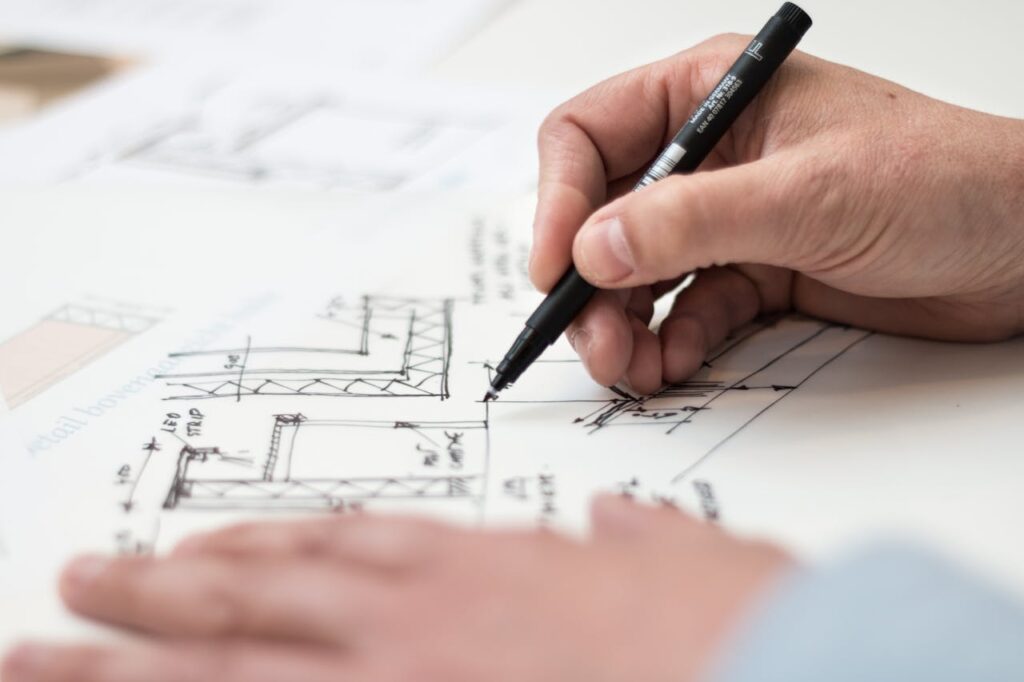
Industrial facilities demand precision in both structural concrete work and envelope systems to support operational needs. Warehouse floors carry significant loads from forklifts, pallet systems, and automated equipment, while manufacturing plants require specialized concrete assemblies for heavy machinery and processing equipment.
Structural Concrete for Industrial Operations
We deliver comprehensive structural concrete services that form the foundation of industrial operations. Slab-on-grade construction provides the base layer for warehouse floors and manufacturing areas, while elevated slabs create multi-level storage and processing spaces.
Specialized applications include slab-on-void systems for utilities access and cold storage slab-on-foam assemblies (UFGS 13 21 26). These insulated slabs incorporate foam insulation layers beneath the concrete to prevent thermal bridging and maintain temperature control in refrigerated facilities.
Our structural concrete scope extends to footings that anchor equipment and building systems, piers for heavy load support, and grade beams that distribute structural loads across foundations. Tilt-up panels offer an efficient envelope solution, with large concrete wall sections cast horizontally on-site, then tilted into position with cranes.
Floor Flatness and Placement Methods
Industrial floors require strict tolerances to support forklift traffic and automated material handling systems. We use laser screed technology combined with power trowels to achieve very flat floor specifications that meet FF/FL requirements for warehouse operations.
The laser screed process ensures consistent concrete thickness and grade, while power trowels create the smooth, dense surface needed for heavy wheeled traffic. These placement methods are critical in facilities where narrow-aisle forklifts or automated guided vehicles demand precise floor flatness to operate safely and efficiently.
Building Envelope Systems for Asset Protection
Metal roof design and construction provide long-term weather protection for industrial facilities. Our metal roofing capabilities include standing seam systems, structural metal panels, and insulated roof assemblies that deliver thermal performance and durability.
Commercial roofing services extend to membrane systems, including modified bitumen and single-ply applications, depending on building requirements and budget considerations. We coordinate roofing installation with structural systems to ensure proper load distribution and weather sealing.
Exterior wall systems complement the roofing envelope to create complete weather protection. Options include insulated metal panels, precast concrete systems, and masonry assemblies that provide thermal control and moisture management for warehouse and manufacturing environments.
Planned maintenance programs help extend the service life of both concrete and envelope systems. Regular inspections identify potential issues before they require major repairs, protecting the facility’s investment and maintaining operational continuity.
How Should Owners Plan For Storms, Insurance, And Ongoing Maintenance?
Commercial properties face exposure to severe storms, high winds, and heavy rainfall. Industrial sites with large roof areas and critical equipment benefit from a structured approach to storm response, insurance claims, and routine maintenance.
Storm Restoration and Mitigation Services
We provide storm restoration for commercial properties after storms damage roofing, exterior systems, or structural elements. Our crews respond quickly to secure buildings and prevent further water intrusion. Emergency services include temporary roof protection, debris removal, and structural assessments.
Mitigation services reduce future storm risk. We evaluate building envelope performance, upgrade roof attachment systems, and reinforce critical structural connections. These improvements can lower insurance costs and reduce downtime after severe weather.
Insurance Documentation and Policy Management
Property owners need organized documentation for efficient claim processing. Keep current photographs of building systems, equipment inventories, and maintenance records. Store these files in accessible digital formats with backup copies offsite.
Review policy details annually with your insurance provider. Commercial policies often include specific requirements for roof inspections, maintenance schedules, and emergency response procedures. Understanding coverage limits and deductibles helps owners budget for potential claims and repairs.
During a claim, coordinate directly with your provider and keep detailed communication records. Document all damage with timestamped photographs and obtain repair estimates from qualified contractors. According to industry data, commercial property claims typically take longer to settle because coverage is complex and multiple stakeholders are involved.
Preventive Maintenance Planning
Routine maintenance prevents water intrusion and extends the life of building components. Schedule roof inspections twice a year and after major storms. These inspections identify membrane damage, loose fasteners, and drainage issues before they cause interior damage.
Clean gutters and drainage systems regularly to prevent water backup. Debris accumulation can overwhelm roof drains and cause ponding, which compromises membrane integrity. Remove vegetation and sediment from drainage areas around the building perimeter.
Building automation and controls improve facility performance and resilience to severe weather. Automated monitoring systems track roof moisture levels, HVAC performance, and equipment status. These systems can alert facility managers to potential issues before they require emergency repairs.
Conclusion And Next Steps

Industrial construction planning in Haltom City requires coordination across several layers: delivery method selection, MEP integration with utility infrastructure, safety protocols, structural concrete specifications, and roof systems supported by proactive maintenance. Each decision affects the others, creating a framework that supports long-term facility performance. Projects succeed when teams define clear scopes early, leverage experienced contractors familiar with local conditions, and build in flexibility for future operational changes.
Project teams should define scope requirements and select delivery approaches that match their timelines and risk tolerance. Schedule preconstruction services to validate site conditions, coordinate utility connections, and establish safety protocols before breaking ground. To sustain facility performance, align specifications for structural concrete and roof systems with maintenance schedules, and plan for the storm cycles that affect the Dallas-Fort Worth region. Contact EB3 to coordinate your industrial construction needs in Haltom City.