Within Cameron County‘s expansive agricultural lands, industrial builders in Harlingen manage construction projects driven by the Rio Grande Valley‘s robust economy. Agriculture and manufacturing operations here demand specialized structures that can withstand South Texas conditions while supporting diverse operational needs.
Metal and steel buildings dominate the construction landscape for warehouses, workshops, and commercial spaces across Harlingen and neighboring cities including McAllen, Brownsville, Edinburg, Mission, and Pharr. These structures deliver cost-effective solutions with engineered durability against harsh Texas weather patterns, meeting strict local wind codes that account for the region’s unique climate challenges.
Which Steel Building Types Fit Industrial Needs In Harlingen?
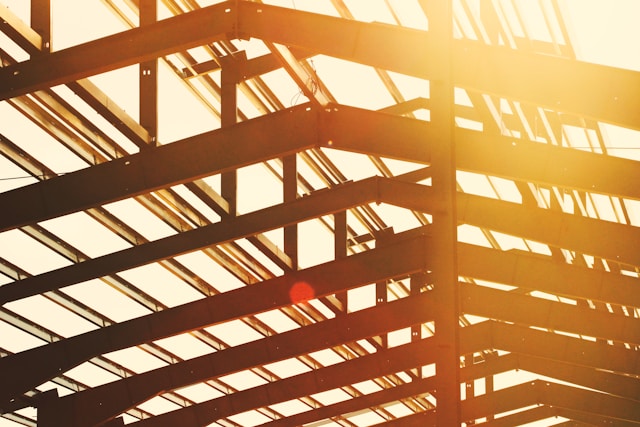
Steel warehouses form the backbone of industrial operations in Harlingen. These structures accommodate everything from inventory storage to light manufacturing. We typically see widths ranging from 40 to 100 feet, with clear heights between 14 and 20 feet to allow for equipment and racking systems.
Clear-span structures eliminate interior columns entirely. This design maximizes usable floor space for operations requiring unobstructed movement of large equipment or materials. Clear-span buildings work particularly well for distribution centers and assembly facilities where workflow efficiency drives productivity.
Prefab metal workshops serve smaller industrial operations and specialized manufacturing. These buildings typically feature multiple overhead doors, electrical systems designed for industrial equipment, and reinforced floors to handle heavy machinery. Workshop configurations often include office space attached to the main structure.
Agricultural outbuildings support the Rio Grande Valley’s farming and ranching activities. These structures house equipment, livestock, and processing operations. Agricultural buildings often require specialized ventilation, drainage systems, and access configurations tailored to specific farming operations.
Commercial structures bridge the gap between industrial and retail applications. These buildings accommodate showrooms, service bays, and customer-facing operations while maintaining the structural capacity for industrial equipment and operations.
Custom metal buildings address unique operational requirements that standard designs cannot accommodate. We engineer these structures for specific load requirements, specialized door configurations, or environmental controls needed for particular industrial processes.
| Building Dimensions (WxLxH) | Cost (USD) |
|---|---|
| 40x50x15 | $41,458.00 |
| 40x50x18 | $46,086.00 |
| 40x80x20 | $79,600.00 |
| 40x100x20 | $97,543.00 |
| 60x100x20 | $106,849.00 |
These size and budget examples reflect current market conditions in the Rio Grande Valley. Width affects structural complexity and cost per square foot. Length provides the most cost-effective way to add space. Clear height impacts both material costs and operational functionality for your specific industrial use.
How Should You Plan For Codes, Zoning, And Permitting In Cameron County?
Understanding Local Wind And Snow Code Requirements
Cameron County sits in a special wind zone along the Gulf Coast, requiring engineering specifications that account for hurricane-force winds and storm surge potential. We coordinate with structural engineers who understand these regional demands, ensuring metal building designs meet the enhanced wind load requirements that can reach 150 mph or higher in coastal areas. Snow loads remain minimal in South Texas, but wind resistance becomes the primary structural concern.
Code compliance starts during the design phase, not after construction begins. We work with suppliers who provide pre-engineered metal buildings already calculated for Cameron County’s wind specifications. This approach prevents costly redesigns and ensures structural integrity meets or exceeds local requirements.
Navigating County-Level Zoning And Site Use Approval
Cameron County manages zoning authority for Harlingen and surrounding areas, creating a single point of contact for site use verification. We recommend confirming zoning compliance early in the project timeline, as industrial designations can vary significantly across different areas of the county. Some locations allow agricultural and light industrial use, while others restrict certain building heights or operational activities.
Site use approval often involves setback requirements, parking calculations, and access road specifications. We coordinate these elements during the pre-construction phase to avoid delays during the permitting process. Cameron County planning staff can clarify specific requirements for your intended industrial use before design finalization.
Accessing Plan Rooms And Documentation Resources
Electronic plan rooms provide access to construction specifications and project documents for commercial builds throughout the region. We utilize these resources to review similar projects, understand current code interpretations, and coordinate with other trades working in the area. Plan room access helps ensure our team stays current with local permitting trends and requirements.
Document preparation requires coordination between structural drawings, site plans, and utility connections. We manage this process by working with local engineers familiar with Cameron County submission requirements, streamlining the approval timeline for industrial projects.
What Local Directories And Networks Can Support An Industrial Build?
The Harlingen Chamber of Commerce contractors directory provides comprehensive listings for industrial construction teams. The directory covers general contractors, specialized trades including HVAC, roofing, and paving contractors, plus material suppliers throughout Cameron County.
Key contractor categories in the chamber listings include electrical services, steel fabrication, concrete suppliers, and building materials distributors. Companies like Sechrist-Hall Company and McCoy’s Building Supply maintain local presence for material sourcing. The directory also includes specialized services such as insulation contractors, glass dealers, and custom metal fabrication shops.
Rio Grande Valley AGC Chapter Resources
The Rio Grande Valley Chapter of Associated General Contractors operates from Harlingen and serves the broader construction community. Since 1949, this chapter has connected general contractors, subcontractors, suppliers, and service firms across the Valley region.
The RGV AGC offers education programs to keep teams current with industry standards and regulatory changes. Safety training remains a core focus, with certified consultants providing comprehensive safety services and materials to member companies. These programs help maintain OSHA compliance and reduce jobsite incidents.
Plan Room Access And Industry Advocacy
The AGC chapter maintains an electronic plan room accessible 24/7 for commercial construction projects throughout the Rio Grande Valley. This digital resource allows contractors and suppliers to review specifications, bidding documents, and project details for upcoming work. The plan room streamlines the bidding process and improves project coordination.
Legislative advocacy represents another key service area. The chapter monitors regulatory activity at local, state, and national levels to protect construction industry interests. This advocacy work addresses permitting processes, code changes, and business regulations that affect project delivery.
Networking And Member Benefits
Regular networking events create opportunities for relationship building among industry professionals. The chapter hosts mixers, member meetings, and social events throughout the year to facilitate connections between contractors, suppliers, and service providers.
Member discount programs provide access to quality services, technology solutions, and equipment at reduced rates. These programs help reduce operational costs and improve access to specialized tools and resources for construction teams.
How Do Budget And Timelines Typically Shape Steel Industrial Projects?
Steel building budget planning starts with understanding the basic cost drivers that influence every industrial project. Width, length, height, and intended use create the foundation for accurate pricing estimates. These factors determine material requirements, foundation complexity, and installation methods we coordinate for each build.
Local pricing examples provide practical benchmarks for industrial projects across the Rio Grande Valley. A 40×50×15 structure typically costs around $41,000, while expanding to 40×50×18 increases investment to approximately $46,000. Larger configurations scale accordingly, with a 40×80×20 reaching about $79,600, a 40×100×20 at roughly $97,500, and a 60×100×20 approaching $106,800.
Installation timeline advantages emerge from the prefabricated nature of steel construction. Many providers report fast installation and delivery capabilities throughout the Rio Grande Valley region, serving Harlingen, McAllen, Brownsville, Edinburg, Mission, and Pharr efficiently. This regional service area allows for coordinated logistics and reduced transportation delays.
Project scheduling depends heavily on scope complexity and approval processes. Simple warehouse structures with standard configurations typically move faster through permitting and construction phases. Complex industrial facilities requiring specialized engineering or unique design features naturally extend timelines due to additional review requirements and custom fabrication needs.
We use these cost ranges as starting points for preliminary budgeting, then refine estimates based on specific site conditions and code requirements. Factors like soil conditions, drainage requirements, and local wind load specifications can influence both material specifications and foundation design, affecting final project costs and construction schedules.
Conclusion And Next Steps

Successful industrial construction in the Rio Grande Valley requires clear planning from project definition to final installation. We coordinate these elements systematically to ensure your steel warehouse meets both operational requirements and local compliance standards.
Start by defining your specific use case, whether for manufacturing operations, agricultural storage, or commercial distribution. Establish your target building dimensions and clear height requirements based on equipment needs and operational flow. Review the local size and price examples to develop realistic budget parameters, from $41,000 for smaller workshops to over $100,000 for large-scale facilities. Contact Cameron County’s zoning office early to confirm site use compatibility and permitting requirements. Access chamber directories and regional AGC networks for vetted trades and plan room resources that support safety compliance and project coordination.
Contact EB3 Construction to coordinate design, compliance, and installation for your industrial site in Harlingen.