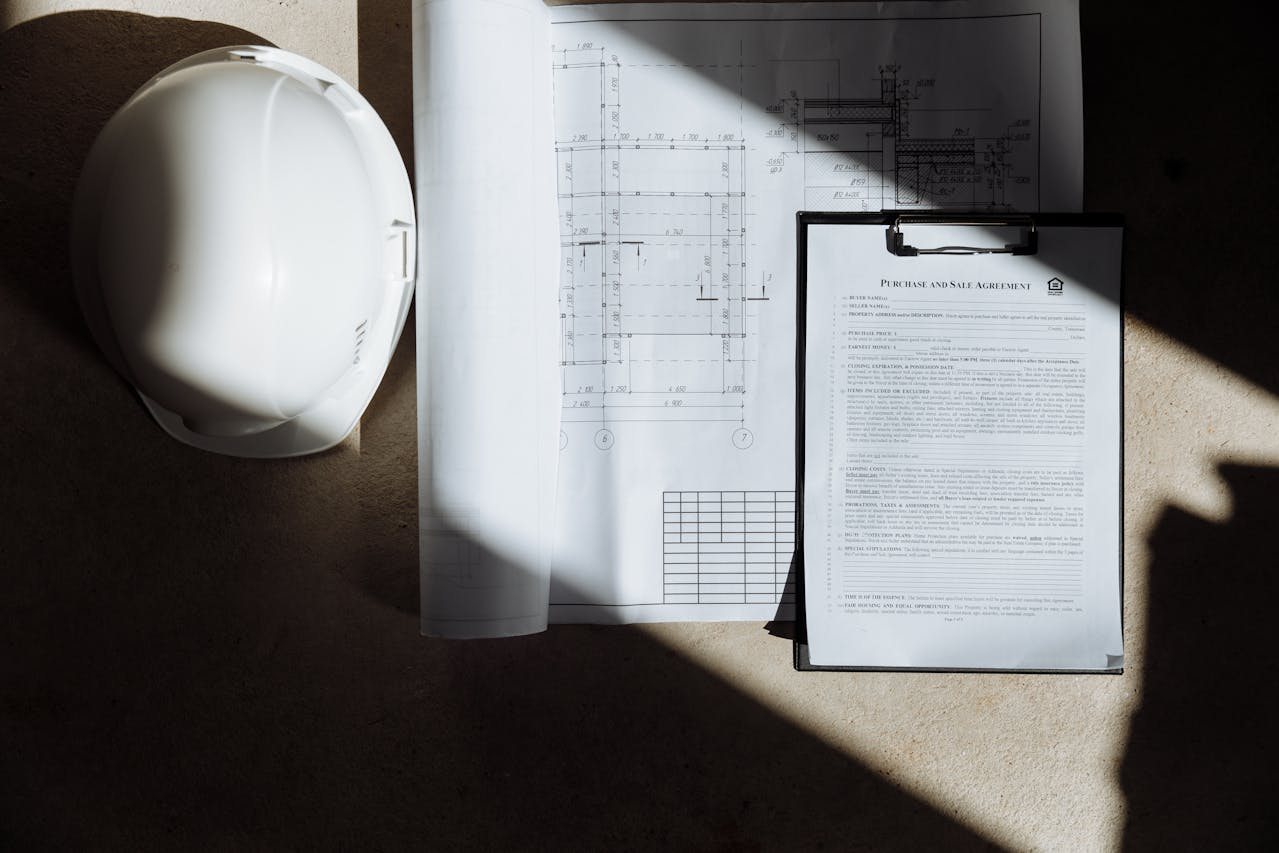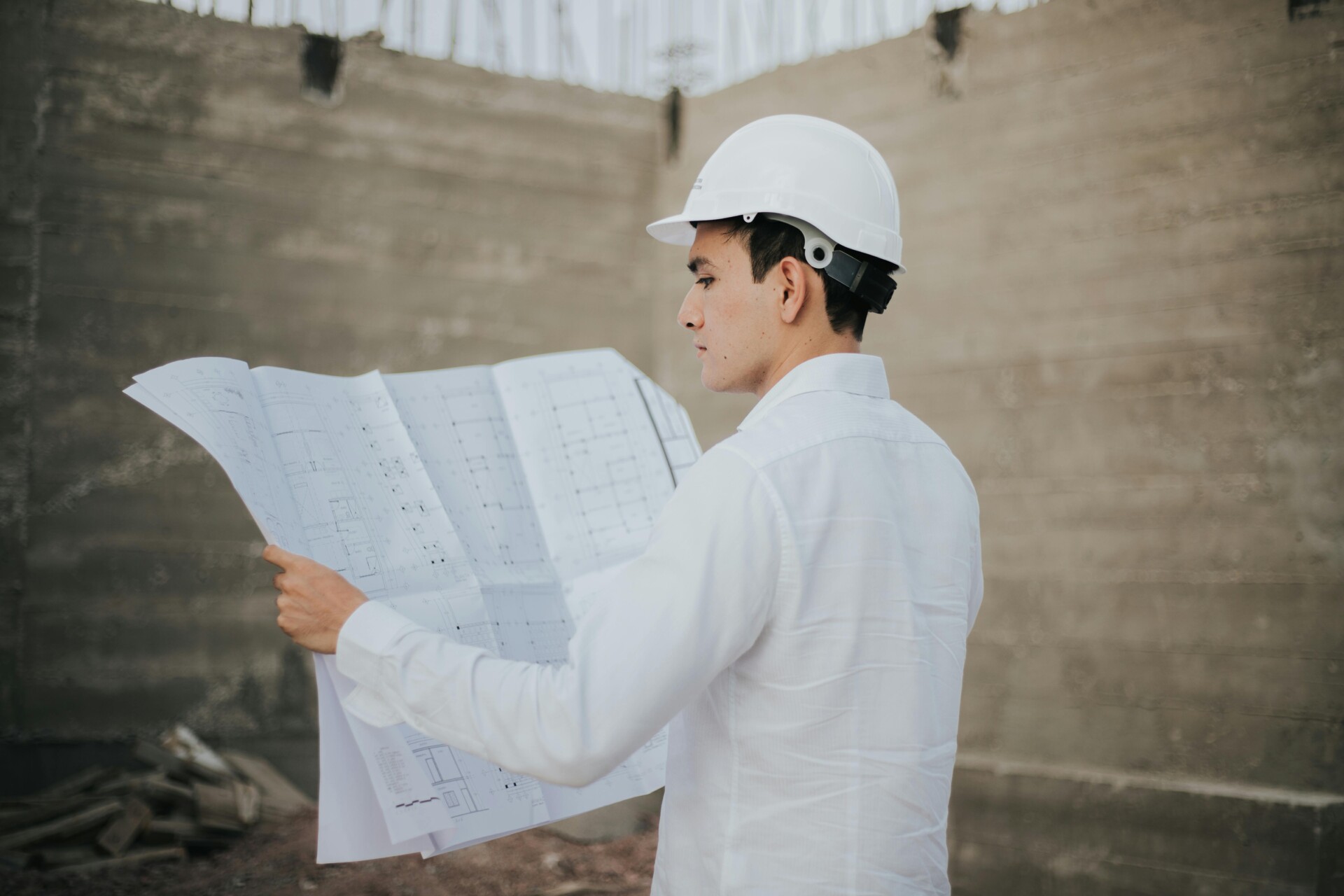

Unplanned downtime costs manufacturing facilities an average of $50,000 to $250,000 per hour, according to industry reports. In construction, those numbers can climb even higher when critical-path activities stall. Minimizing downtime in Houston construction starts with recognizing that every hour of delay ripples through schedules, budgets, and client expectations.
Houston’s environment presents specific challenges for construction teams. The combination of local codes, climate conditions, and active facilities demands focused strategies to keep site operations moving. We outline planning, delivery, maintenance, and technology approaches that address these regional factors and sustain project momentum.
What Houston-Specific Risks Cause Downtime, And How Should Teams Respond?

Houston construction faces distinct climate and infrastructure challenges that can halt progress without warning. High temperatures strain HVAC equipment in summer, leading to costly failures when buildings lose cooling capacity. Hurricane season brings flooding risks that threaten ground-level equipment and electrical systems. Winter storms, though rare, can cause pipe bursts and boiler failures that shut down entire facilities.
We respond to weather emergencies with local expertise and rapid deployment. Our Houston-based teams understand local climate patterns and can mobilize quickly when extreme conditions develop. During hurricane season, we stage equipment and materials in protected locations, allowing faster recovery once conditions improve. To reduce heat-related equipment stress, we schedule maintenance during cooler periods and maintain backup systems for critical operations.
Aging Infrastructure Creates Cascading Failures
Many Houston facilities operate with building systems that are 25 to 30 years old. These aging systems have higher failure rates during peak demand, precisely when downtime is least tolerable. Electrical switchgear in basements is vulnerable to flooding. Older piping systems fail during temperature extremes. HVAC units struggle to maintain capacity during extreme heat events.
We address aging systems through comprehensive assessments before construction begins. Our teams evaluate the condition and criticality of existing infrastructure, helping property owners plan repairs and upgrades. We coordinate with facility operations to understand how building automation, electrical, HVAC, and plumbing systems interact. This helps prevent a single failure from triggering cascading problems across interconnected systems.
Houston Building Codes Demand Local Expertise
Houston building codes and environmental regulations add complexity that can delay projects if not properly managed. The city’s floodplain requirements affect foundation work and equipment placement. Local conditions demand specific materials and installation methods. Permitting requires a solid understanding of Houston’s regulatory landscape and established relationships with inspection authorities.
Our local teams maintain current knowledge of Houston building codes and regulatory requirements. We integrate compliance considerations into project planning from day one, avoiding delays from permit issues or code violations. Regular communication with local authorities ensures inspections proceed smoothly. We also understand how Houston codes interact with state and federal requirements, preventing conflicts that could stop work.
Emergency Response Planning Minimizes Crisis Impact
Construction sites face unique emergency scenarios in Houston’s climate. Sudden flooding can threaten workers and equipment. Power outages during extreme weather can halt operations for days. Equipment failures during critical construction phases create costly delays and safety risks.
We develop site-specific emergency response plans that address Houston’s most common threats. These plans include evacuation procedures for different weather scenarios, equipment protection protocols, and communication systems that function under emergency conditions. Our teams maintain emergency supplies and have established contracts with local vendors for rapid-response services. Clear chains of command ensure quick decision-making when emergencies occur, minimizing both safety risks and project delays.
Which Delivery And Management Approaches Reduce Delays From Day One?
Design-build projects in Houston give us one critical advantage: a single point of contact manages both design and construction phases. This integrated approach eliminates the traditional handoff delays between separate design and construction teams. When architects, engineers, and builders work under one roof, we can resolve conflicts faster and keep projects moving forward without waiting for external coordination.
The design-build model streamlines communication by reducing the number of decision-makers in the chain. Instead of owners managing multiple contractors and design professionals, they work directly with our integrated team. This direct relationship improves cost control because we can catch budget issues during design rather than discovering them mid-construction.
Preconstruction Planning Sets the Foundation
We begin managing the project long before breaking ground with comprehensive preconstruction services. This phase includes detailed scope definition that clarifies exactly what work will be completed, when it will happen, and who will handle each task. Clear scope boundaries prevent change orders and misunderstandings that typically cause delays later.
During preconstruction, we establish realistic timelines based on actual site conditions and resource availability. Our teams visit the site, assess existing infrastructure, and identify potential conflicts with ongoing operations. This upfront investment in planning prevents the reactive problem-solving that slows projects once construction starts.
Systematic Execution Through Project Controls
We manage construction through a systematic lifecycle approach that covers estimation, execution, project controls, and turnover. Each phase has defined deliverables and quality checkpoints that prevent work from advancing until it meets our standards. This systematic execution reduces rework and keeps the schedule on track.
Project controls include daily safety and quality oversight that catches issues before they become major problems. Our project managers use scheduling software to track progress against planned milestones and adjust resources when activities fall behind. Regular progress reviews help us spot trends and make corrections early.
Advanced planning and scheduling software helps us maintain visibility across all project activities. These tools allow us to model scenarios, optimize resource allocation, and communicate schedule changes to all team members in real time. The software integrates with our document management systems to ensure everyone works from current plans and specifications.
Customized Workflows Align Teams
Every Houston project faces unique challenges, from site access restrictions to coordination with existing facility operations. We customize our workflows to address these requirements rather than applying a one-size-fits-all approach. This customization includes adapting our communication protocols, scheduling methods, and quality control processes to match project needs.
Team alignment begins with clear objectives that everyone understands and supports. We hold regular coordination meetings to review progress, discuss upcoming work, and resolve conflicts before they affect the schedule. These meetings include representatives from all major trades and stakeholders to maintain coordination across the entire project team.
The turnover process begins early in construction rather than waiting until project completion. We document systems and provide training throughout construction, ensuring owners can operate their facilities effectively from day one. This proactive approach to turnover reduces the delays typically associated with last-minute system commissioning and owner training.
How Do You Maintain Operations And Minimize Disruption During Construction?
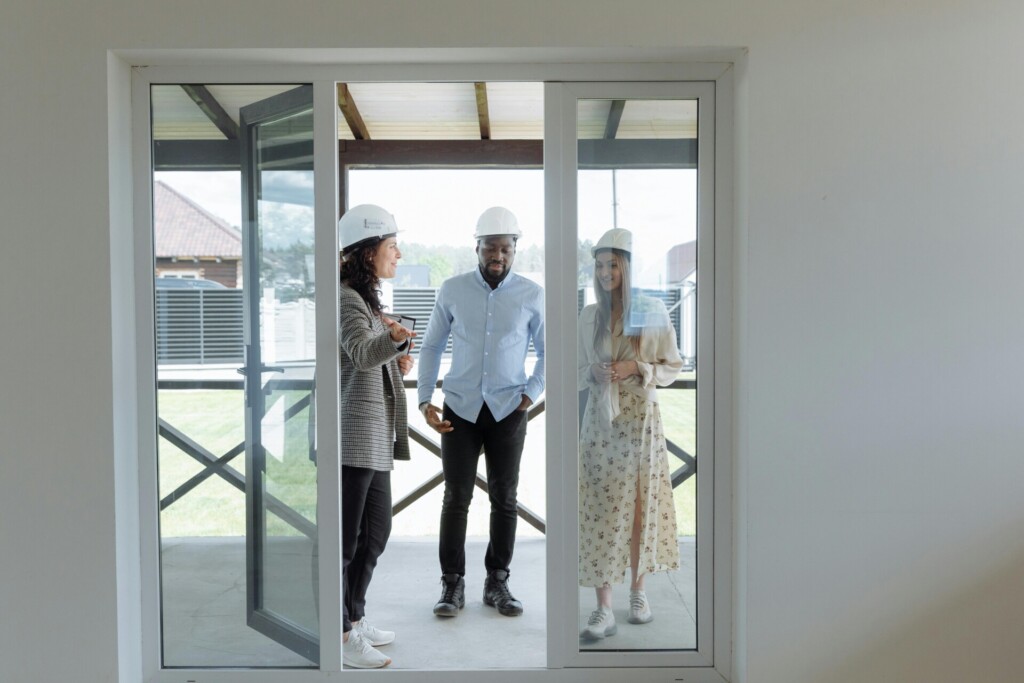
Successful construction in active facilities requires precise coordination to keep operations running while we complete essential upgrades and repairs. We integrate construction activities with existing facility operations through strategic planning that minimizes disruption and maximizes productivity. This approach protects both construction schedules and operational continuity.
Strategic Turnarounds and Outages
We plan turnarounds to align with facility maintenance windows, completing high-impact construction tasks efficiently. Scheduled turnarounds provide controlled access to critical systems while minimizing operational downtime. During these planned outages, we execute complex piping work, equipment installations, and system upgrades that would otherwise require extended shutdowns.
Turnaround execution follows a compressed timeline with predetermined milestones and restoration targets. We coordinate with facility operators to understand equipment lifecycles and maintenance schedules. This alignment allows us to complete construction work during planned downtime rather than causing unscheduled interruptions.
Emergency turnarounds require rapid mobilization and clear protocols. We maintain standby crews and prepositioned materials to respond quickly when unexpected failures threaten facility operations. These unplanned events demand immediate coordination between our construction teams and facility management to restore capacity safely and efficiently.
Rapid Field Services and Piping Systems
Field services teams provide an immediate response to construction-related issues that could impact facility operations. We deploy specialized crews for piping repairs, valve replacements, and system modifications that keep facilities operational during active construction. These services prevent small problems from escalating into major disruptions.
Reliable piping work reduces unplanned stops by addressing system vulnerabilities before they fail. We evaluate existing piping systems during preconstruction planning and identify components that may require attention during the project. This proactive approach prevents construction activities from triggering cascading failures in aging infrastructure.
Piping modifications often require precise timing to maintain system pressure and flow rates. We coordinate shutdowns with facility operators and stage materials to minimize the duration of service interruptions. Critical connections receive priority scheduling to restore operations quickly and maintain facility performance.
Preventive and Predictive Maintenance Integration
We pair preventive maintenance with construction activities to maximize efficiency and minimize disruption. Scheduled maintenance windows become opportunities to complete construction work on related systems. This coordination eliminates redundant shutdowns and reduces the total impact on facility operations.
Predictive maintenance data guides our construction scheduling and system modifications. We analyze equipment performance trends to identify optimal timing for construction work that affects critical systems. This data-driven approach helps us avoid construction activities during periods when equipment stress is already elevated.
Reactive maintenance support remains available throughout construction projects to address unexpected issues. Our on-call teams respond to equipment failures and system problems that arise during construction work. This immediate support prevents construction delays from extending into operational disruptions.
Operations Playbook and Standardization
We maintain a comprehensive operations playbook that standardizes construction procedures for active facilities. This playbook covers safety practices, communication protocols, and coordination requirements specific to operational environments. Standardized procedures ensure consistent execution across different facility types and construction phases.
Performance reporting tracks both construction progress and operational impact throughout the project. We monitor key metrics such as system availability, production rates, and safety incidents to verify that construction activities align with operational requirements. Regular reporting keeps facility management informed and enables rapid adjustments when needed.
Auditing processes verify compliance with both construction standards and facility operational requirements. We conduct regular safety audits, quality checks, and coordination reviews to maintain high performance standards. These audits identify potential conflicts between construction activities and facility operations before they cause significant disruptions.
Which Process And Technology Steps Cut Labor And Equipment Downtime?
Reducing labor and equipment downtime takes targeted technology and process improvements that address the root causes of delays. We establish clear measurement systems, streamline design processes, coordinate deliveries, and use monitoring tools to maintain consistent project flow.
Set Measurable Goals And Track Performance
We establish key performance indicators to measure downtime causes and track labor efficiency across all project phases. Mean time to repair (MTTR), schedule compliance, and labor utilization rates provide data on where delays occur most frequently. These metrics help identify patterns in scheduling gaps, equipment failures, and resource allocation issues.
Tracking labor downtime causes reveals scheduling conflicts, material shortages, and coordination breakdowns between trades. We monitor daily productivity rates, crew deployment efficiency, and task completion times to pinpoint specific bottlenecks. This data drives targeted improvements in workforce planning and resource deployment strategies.
Use BIM For Error Prevention
Building Information Modeling (BIM) reduces design conflicts and coordination errors before construction begins. We integrate architectural, structural, and MEP models to identify clashes and resolve issues during preconstruction rather than in the field. This process prevents costly rework and eliminates delays caused by conflicts discovered during installation.
BIM enables precise quantity takeoffs and accurate scheduling based on actual design conditions. The technology provides detailed construction sequencing that helps coordinate trades and optimize labor deployment. Early error detection through clash detection software can save weeks on the schedule and reduce change orders during construction.
Apply Just-in-Time Delivery To Cut Storage Delays
Just-in-time delivery eliminates storage bottlenecks and reduces material handling delays on construction sites. We schedule deliveries to arrive precisely when materials are needed for installation, minimizing on-site storage requirements and reducing double-handling. This approach cuts storage costs and prevents materials from becoming damaged or obsolete.
Coordination with suppliers ensures materials arrive in the correct sequence for construction activities. We calculate lead times backward from installation dates and maintain buffer schedules for critical path items. Local sourcing reduces transportation delays, and contingency planning addresses potential delivery disruptions from weather or traffic conditions.
Deploy Project Management Software For Planning
Advanced project management software streamlines resource allocation and improves scheduling accuracy across all construction phases. We use integrated platforms that connect preconstruction planning with field execution, enabling real-time updates to schedules and resource assignments. These tools coordinate subcontractor availability with material deliveries and equipment deployment.
Earned value management within project management systems provides continuous monitoring of cost and schedule performance. The software tracks actual progress against planned activities and identifies potential delays before they impact critical path items. Automated reporting keeps all stakeholders informed of project status and enables quick corrective actions when variances occur.
Implement Real-Time Safety Monitoring
Real-time safety monitoring systems reduce downtime from accidents and regulatory shutdowns. We deploy wearable sensors and IoT devices that track environmental conditions, worker locations, and potential hazards throughout construction activities. These systems provide immediate alerts when unsafe conditions develop, preventing incidents that could halt work.
Automated safety documentation captures compliance data continuously rather than relying on manual record-keeping. Digital platforms record safety inspections, incident reports, and training completion in real time. This automation reduces administrative delays and ensures regulatory compliance without disrupting construction workflows.
Automate Documentation For Clean Handover
Document management systems automate the collection and organization of project documentation from design through construction completion. We capture as-built drawings, equipment manuals, warranty information, and commissioning reports in digital formats accessible to all project stakeholders. This approach eliminates delays caused by missing or incomplete documentation during project closeout.
Automated change tracking maintains accurate records of design modifications and field changes throughout construction. The system links changes to cost impacts, schedule adjustments, and scope modifications, providing complete audit trails for project decisions. Digital handover packages ensure owners receive complete documentation for facility operations and future maintenance planning.
Conclusion And Next Steps

To minimize construction downtime in Houston, we rely on local expertise, integrated delivery methods, and comprehensive preconstruction planning. Our approach combines design-build coordination with standardized operations that account for Houston’s climate and regulatory environment. When we establish clear communication channels from day one and maintain strong relationships with local suppliers and subcontractors, projects run more efficiently.
Effective maintenance planning forms the backbone of our downtime reduction strategy. We schedule preventive and predictive maintenance during planned turnarounds, coordinate rapid field services for emergency repairs, and maintain comprehensive operations playbooks that cover safety practices and performance reporting. Our teams use BIM technology for design coordination, implement just-in-time delivery to reduce storage delays, and deploy real-time monitoring systems that track KPIs and identify potential bottlenecks before they affect schedules. Process optimization through project management software and earned value management keeps our projects aligned with budget and timeline objectives.
Four critical next steps will strengthen your downtime mitigation approach: audit current project bottlenecks to identify patterns and root causes; align all planning documents with current Houston building codes and environmental regulations; update scheduling and maintenance calendars to reflect seasonal considerations and equipment lifecycles; and confirm your emergency response plan includes clear escalation procedures and local contractor contacts. Contact EB3 Construction to develop a comprehensive downtime reduction strategy tailored to your Houston project requirements.