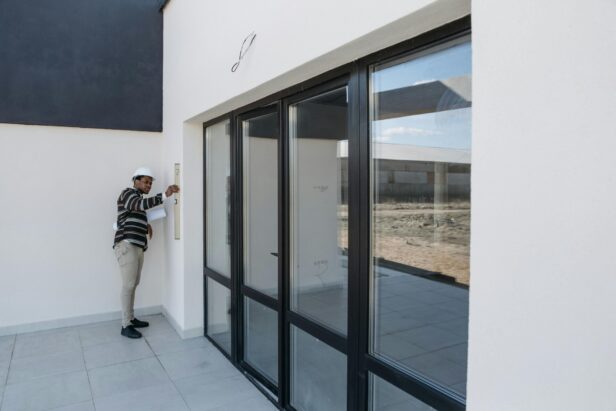
Houston office redesigns create workspaces that drive performance while building an authentic brand identity. Houston businesses increasingly view commercial office design as a strategic investment in their teams and client relationships.
Today’s Houston office redesigns feature bright reception areas that leave a lasting impression, collaborative workspaces that spark innovation, and wellness-focused environments that attract top talent. These projects show how thoughtful space planning can transform daily operations and strengthen company culture through intentional design choices.
How Should You Plan Zones And Adjacencies In A Houston Office Redesign?
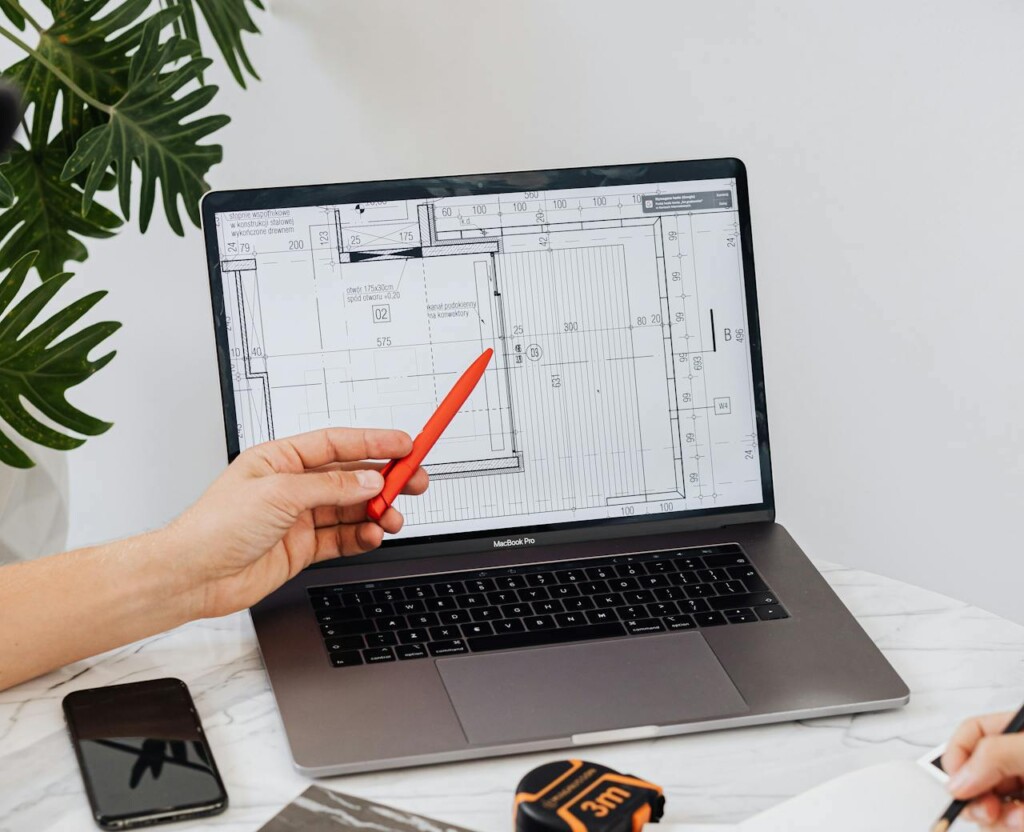
Effective zone planning requires clear separation between front-of-house operations and back-office functions. We approach this with systematic adjacency mapping that prioritizes the visitor experience and maximizes team collaboration. Strategic placement of functional zones creates natural flow patterns while maintaining acoustic separation.
Front-of-House Impact Areas
Reception areas establish company identity through signature materials and thoughtful seating arrangements. We position reception to control visitor flow and create clear sightlines to meeting zones. The space serves as both a greeting area and a brand showcase.
Adjacent break rooms and library spaces form social learning hubs. These zones encourage informal collaboration while remaining accessible from the main circulation path. The proximity supports knowledge sharing and team building during natural break periods.
Central Meeting and Collaboration Zones
Conference rooms benefit from central placement and up-to-date technology integration. We install slim, black-framed glass fronts to balance visual transparency with acoustic privacy. This approach maintains team connectivity while supporting confidential discussions.
Meeting zones benefit from direct access to both front-of-house and workstation areas. Clear adjacencies reduce travel time and support efficient handoffs between collaborative and individual work modes. Technology infrastructure needs dedicated pathways to ensure reliable connectivity.
Back-of-House Work Areas
Workstation consolidation improves team proximity and communication flow. We cluster related functions to reduce physical barriers and enable quick consultations. Open workstation layouts support collaboration while maintaining space for focused work.
Focus rooms address the need for quiet work and private calls. These spaces require acoustic separation from collaborative areas while remaining accessible for impromptu use. Strategic placement near workstations reduces disruption when transitioning between work modes.
Wellness rooms provide dedicated space for rest and privacy. We position these areas away from high-traffic zones while maintaining easy access from workstations. Proper adjacency ensures teams can recharge without impacting overall office flow.
Updating Legacy Infrastructure
Wood baffle ceilings can be updated with modern linear lighting to improve performance and aesthetics. Updated lighting systems enhance visual comfort while supporting contemporary design standards. The integration maintains architectural character while improving functional performance.
Legacy elements require careful evaluation for their impact on adjacencies. We assess how existing infrastructure affects zone boundaries and circulation patterns. Strategic updates to lighting, power, and acoustic elements support improved zone functionality without major structural changes.
Which Design Elements Improve Productivity, Comfort, And Brand?
The right design elements transform workspaces from basic offices into performance-driven environments. These features directly impact how teams work, feel, and connect with the company’s mission.
Ergonomics Drive Team Performance
Adjustable desks allow workers to alternate between sitting and standing throughout the day, reducing fatigue and improving circulation. Lumbar-support chairs maintain proper spine alignment during long work sessions, preventing back strain that leads to lost productivity.
Smart storage solutions keep essential items within arm’s reach while maintaining clean sightlines. Built-in filing systems and mobile pedestals adapt to different work styles without creating visual clutter.
Strategic Lighting Supports Focus And Energy
Natural light is the foundation of a productive workspace, regulating circadian rhythms and reducing eye strain. Position workstations near windows when possible and use light-filtering treatments to control glare.
Layered lighting combines ambient overhead systems with task lighting at individual workstations. Energy-efficient LED fixtures with dimmer controls provide precise illumination for different activities while reducing operating costs.
Acoustic Design Enables Concentration
Acoustic drywall reduces sound transmission between spaces, creating quieter zones for focused work. Suspended ceilings with integrated sound-control materials absorb ambient noise from HVAC systems and conversations.
Soundproof doors and glass partitions maintain visual connection while providing acoustic separation for phone calls and confidential meetings. These elements work together to support both collaboration and concentration.
Finishes And Color Reflect Brand Identity
Material selection balances durability with visual appeal, choosing surfaces that withstand daily use while supporting the company’s aesthetic goals. Color psychology guides palette decisions, using warm tones in social areas and cooler shades in focus zones.
Brand alignment comes through strategic color placement and finish choices that reinforce company values without overwhelming the space. Subtle brand integration feels authentic rather than forced.
Biophilic Elements Improve Wellness
Indoor plants purify air while adding natural texture and color to office environments. Research consistently shows that greenery reduces stress levels and enhances cognitive function.
Natural textures through wood accents, stone elements, and organic patterns create visual interest while connecting occupants to nature. These features support employee well-being and create memorable spaces for visitors.
Wayfinding And Identity Guide Movement
Clear signage at building entries creates strong first impressions and guides visitors to their destinations efficiently. Directional signs and room numbering systems eliminate confusion and project professional organization.
Interior branding through dimensional logos, company color integration, and branded graphics reinforces identity without competing with daily work activities. Effective wayfinding feels intuitive and supports smooth traffic flow throughout the space.
What Is A Practical, Step-By-Step Process With EB3 Construction?
We guide office redesign projects through a structured approach that transforms your workspace efficiently while keeping functionality and brand alignment front and center. Each phase builds on the last to ensure comprehensive design development and smooth execution. Our process addresses every detail from initial business requirements to final installation.
Discovery And Consultation
We begin by understanding your business model, team structure, and organizational culture. This discovery phase identifies specific space challenges and operational requirements that drive design decisions. We assess current workflow patterns and future growth plans to ensure our design supports both immediate needs and long-term objectives.
Team dynamics receive careful attention during discovery meetings. We evaluate how different departments collaborate and identify adjacencies that improve communication and efficiency. Cultural considerations help shape the overall design approach and the material selections that reflect your organization’s values.
Space Planning And Layout Development
We develop comprehensive space plans that optimize square footage while supporting workflow efficiency. Our planning process creates functional zones that balance open collaboration areas with focused workspaces. Ergonomic considerations guide workstation layout and furniture specifications to support employee comfort and productivity.
Traffic flow analysis ensures natural movement patterns throughout the space. We position high-traffic areas strategically to minimize disruption to focused work zones. Meeting rooms receive particular attention to provide easy access and maintain acoustic separation from workstations.
Interior Finishes And Material Selection
We select colors, textures, and materials that reinforce brand identity while meeting performance requirements. Flooring selections balance durability with acoustic properties and maintenance considerations. Wall coverings and paint specifications consider both aesthetic impact and practical factors like cleanability and wear resistance.
Acoustical ceilings play a crucial role in noise control and overall comfort. We specify suspended ceiling systems with appropriate sound-absorption ratings for different zones. Lighting design integrates adjustable controls that support various task requirements while optimizing energy efficiency.
As-Built Documentation And CAD Development
We document existing conditions with precise measurements that form the foundation for accurate design and construction. Professional surveying captures all architectural elements, mechanical systems, and structural details. This documentation prevents costly surprises during construction and ensures accurate material ordering.
CAD drawings translate measurements into detailed construction documents. These drawings guide contractors through installation sequences and specify exact dimensions for custom elements. Three-dimensional modeling helps visualize complex areas and identify potential conflicts before construction begins.
Execution And Project Management
We coordinate furniture delivery and installation according to the approved timeline. Storage solutions receive careful placement to maximize efficiency while maintaining clean sightlines. Our project management approach oversees quality control throughout installation while maintaining strict adherence to schedule and budget parameters.
Trade sequencing ensures work proceeds logically without conflicts between different installation teams. We monitor progress daily and address any issues promptly to prevent delays. Budget tracking provides transparent reporting on expenditures and change orders throughout the project lifecycle.
Personality And Branding Elements
We layer personality through carefully selected accessories, artwork, and natural elements. Plant selections consider maintenance requirements and available light conditions and help improve indoor air quality. These elements create visual interest and support employee well-being without overwhelming the functional workspace.
Brand expression receives thoughtful integration through color, materials, and graphic elements. We balance corporate identity requirements with a welcoming environment that supports employee engagement and client impressions.
Signage And Wayfinding Systems
We design comprehensive signage systems that provide clear navigation throughout the space. Entry signage creates a strong first impression while wayfinding elements guide visitors and employees efficiently. Room identification systems support booking and scheduling while maintaining a consistent visual identity.
Brand consistency extends through all signage elements using approved fonts, colors, and graphic standards. We coordinate signage installation with other finish work to ensure proper placement and maximum visual impact while meeting accessibility requirements.
What Permits, Timelines, And Budget Basics Apply In Houston?
Houston Permit Requirements for Office Remodels
Interior-only updates like paint, flooring, and furniture typically avoid permit requirements in Houston, as outlined by Texas home-building regulations. These cosmetic changes fall under basic maintenance that building codes generally do not regulate. Most office furniture installations and standard finish work proceed without city oversight.
Electrical changes, wall modifications, or structural additions trigger permits under Houston building codes. Any work involving electrical systems requires permits and a licensed electrician. Wall relocations or additions need structural permits to confirm compliance with the City of Houston construction codes for commercial spaces.
Project Timeline Expectations
Home office remodels typically take 2-6 weeks, depending on scope and material selections. Simple refreshes with paint and flooring can finish within two weeks. Custom millwork and technology integration can extend timelines toward the six-week range.
Commercial office redesigns vary with building size and system complexity. Tenant improvement permits are typically processed within 2-4 weeks in Houston, while build-out approvals require 3-6 weeks for review. We coordinate permit submissions early in the design phase to prevent delays during construction mobilization.
Budget Planning for Houston Office Projects
Home office remodels often range from $5,000 to $15,000 for standard improvements. Basic updates, including paint, flooring, and simple lighting, fall toward the lower end. Custom builds with built-in storage, specialized lighting systems, and premium finishes cost significantly more.
Commercial project budgets benefit from early scope definition and detailed documentation for accurate estimates. We use as-built measurements and comprehensive space assessments to develop reliable cost projections. Material selections, technology requirements, and finish quality drive the largest budget variables in commercial office redesigns.
Coordination and Verification Steps
We verify permit triggers during the initial project assessment to prevent construction delays. Houston’s permit requirements depend heavily on the scope of work and existing building conditions. Electrical modifications almost always require permits, while furniture and finish updates typically proceed without regulatory review.
Trade sequencing ensures efficient project flow and cost control. We schedule electrical rough-ins before wall installations and coordinate MEP work with finish installation timelines. Proper sequencing prevents rework and keeps projects within the budget and schedule parameters established during planning.
Conclusion and Next Steps
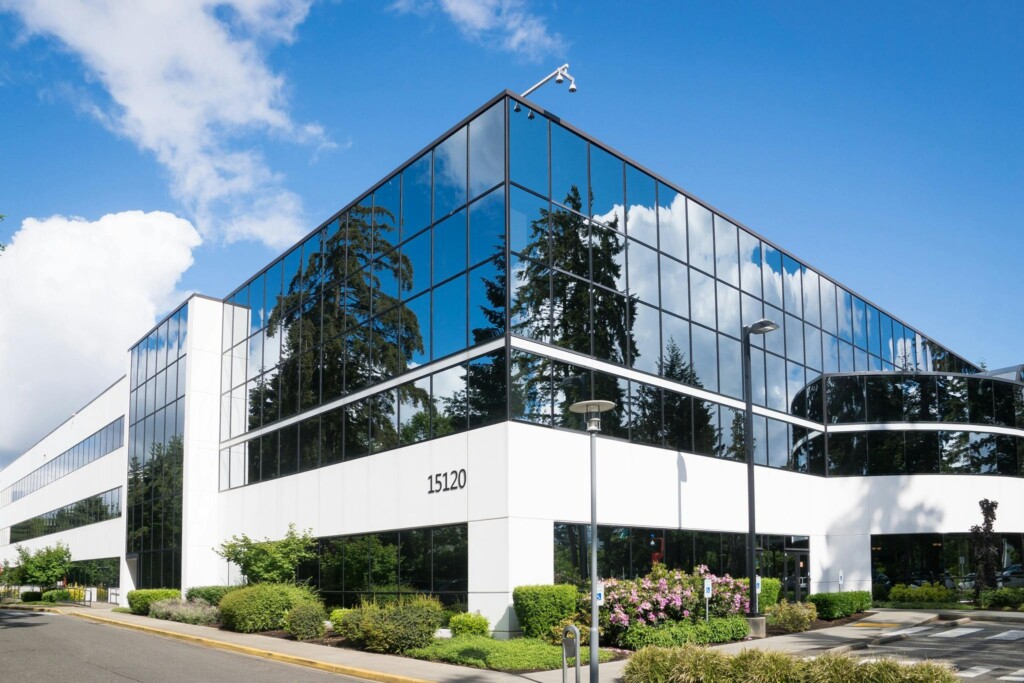
An effective Houston office redesign requires careful coordination of elements to create functional, comfortable spaces. The foundation lies in smart zoning that separates reception areas from meeting rooms and wellness spaces, establishing clear flow patterns that support daily operations. Ergonomic setups with adjustable workstations, proper lighting controls, and strong acoustics through sound-absorbing materials create environments where teams can focus and collaborate effectively.
Start with comprehensive space documentation and zone mapping to capture accurate measurements and identify permit requirements early. From there, select lighting systems, interior finishes, and signage that align with your brand while supporting operational clarity and employee comfort. Each decision builds toward a cohesive environment that reflects organizational culture and enhances productivity.
Ready to transform your Houston office space? Contact EB3 Construction to coordinate your design vision with practical execution.