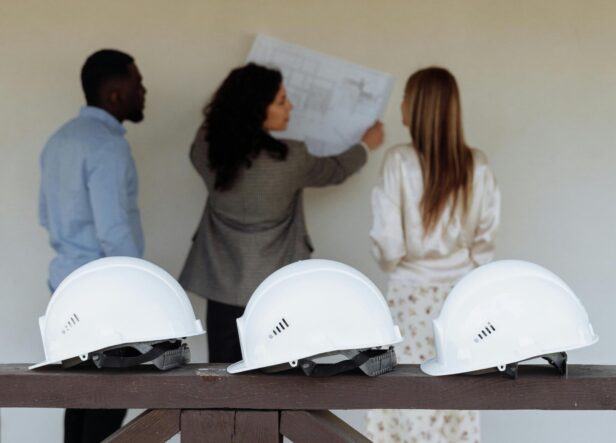
Sustainable building retrofits transform aging properties into high-performance assets that reduce operating costs and improve occupant comfort. We help developers and property owners upgrade commercial buildings, industrial facilities, and multifamily properties across Austin, Central Texas, and North Texas through comprehensive planning, design, and construction services.
These projects typically combine energy efficiency improvements, advanced building systems, and strategic upgrades aligned with ESG strategy requirements. We coordinate every phase—from initial assessments through post-occupancy verification—to ensure retrofits meet performance targets and certification standards while keeping construction schedules and budgets on track.
What Services Should A Texas Retrofit Contractor Provide?

Comprehensive retrofit services require coordination across multiple disciplines and building systems. We handle every aspect, from initial planning through final commissioning, to ensure projects meet sustainability goals and achieve measurable performance improvements.
Building Certification Support and Documentation
LEED certification requires detailed documentation throughout the design and construction phases. We track compliance with prerequisites and credit achievement to help projects reach Certified, Silver, Gold, or Platinum levels. Our team understands the specific requirements for energy optimization, water efficiency, and indoor environmental quality that drive successful LEED outcomes.
WELL Building Standard focuses on occupant health and wellness through seven core concepts, including air, water, nourishment, light, fitness, comfort, and mind. We coordinate with design teams to implement features such as enhanced ventilation, daylighting strategies, and non-toxic material selection that support certification goals.
ENERGY STAR certification for commercial buildings requires continuous energy benchmarking and performance verification. We establish baseline measurements and implement monitoring systems to track energy use intensity against similar building types across Texas.
Energy and Daylight Modeling for Performance Optimization
Whole-building energy simulations guide retrofit strategies by quantifying potential savings before construction begins. We model existing conditions against proposed upgrades to identify cost-effective measures that provide the highest return on investment. These analyses support compliance with Texas energy codes and utility incentive programs.
Daylight modeling helps optimize natural light distribution while minimizing heat gain and glare. We evaluate window placement, shading systems, and interior layouts to reduce artificial lighting loads and improve occupant comfort. Daylight analysis is especially important for office and educational facilities where lighting quality affects productivity and wellness.
MEP Coordination and System Integration
Mechanical, electrical, and plumbing (MEP) systems require careful coordination in retrofit projects to avoid conflicts with existing infrastructure. We work with MEP engineers to route new ductwork, piping, and conduits without compromising structural integrity or ceiling heights. Early coordination prevents costly change orders and construction delays.
Distributed energy systems like rooftop solar and battery storage require integration with building electrical systems. We coordinate utility interconnection requirements, load calculations, and safety shutoffs to ensure seamless operation. Electrification of heating systems and vehicle charging infrastructure requires upgraded electrical service and panel capacity.
Structural Assessment and Adaptive Reuse Planning
Existing building assessments identify structural limitations that affect retrofit scope and feasibility. We evaluate foundation capacity, floor loading, and seismic requirements to determine which upgrades are practical within budget constraints. This analysis guides decisions about equipment placement and building envelope modifications.
Adaptive reuse projects transform buildings for new occupancy types while preserving historic character and structural integrity. We coordinate with architects and preservationists to implement modern building systems within existing frameworks. This approach often requires creative solutions for accessibility, fire safety, and energy efficiency compliance.
Commissioning and Performance Verification
Building commissioning ensures all systems operate according to design intent and owner requirements. We develop functional testing procedures for HVAC, lighting, and control systems to verify proper installation and calibration. This process identifies operational issues before occupancy and establishes baseline performance for ongoing maintenance.
Post-occupancy evaluation measures actual energy use against modeled predictions to validate retrofit effectiveness. We monitor building performance during the first year of operation and recommend adjustments to optimize energy savings. This data supports warranty claims and utility incentive verification requirements.
Which Technologies And Upgrades Align With Texas Projects?
Off-grid solar technology offers significant advantages for Texas retrofit projects, particularly vertical solar poles that power essential systems without extensive trenching. These standalone units can power site lighting, security cameras, and IoT devices while reducing industrial energy consumption by 7–14%. Their ability to maintain lighting during grid outages is especially valuable for Texas properties facing extreme weather events.
Vertical solar poles integrate modular panels with battery storage systems designed to adapt to winter sun hours and maintain reliable power across seasons. This modular approach allows for scalable installations that can expand as energy needs grow. We coordinate these systems to minimize disruption to existing infrastructure while maximizing energy collection efficiency across different property types.
Rooftop and Distributed Solar
Beyond site lighting, Texas retrofits frequently incorporate rooftop solar arrays that can power building operations or feed back into the grid. These systems work alongside distributed energy strategies that include multiple generation points across a property. We evaluate roof conditions, structural capacity, and orientation to determine optimal panel placement for maximum energy yield.
Solar installations often pair with electrification upgrades that replace gas-powered equipment with electric alternatives supplied by renewable sources. This combination reduces operating costs while supporting broader sustainability goals. The integration requires careful MEP coordination to ensure seamless operation between solar generation and building systems.
Water Conservation and Management Systems
Rainwater catchment systems represent another key technology for Texas properties, particularly given the state’s variable precipitation patterns. These systems capture roof runoff for landscape irrigation, cooling tower makeup water, and other non-potable uses. Federal guidelines recommend collection factors between 75% and 90% depending on system efficiency, with typical installations yielding 660 gallons per 1,000 square feet of roof area per inch of rainfall.
We design rainwater systems with automatic first-flush controllers that remove contaminated initial runoff and prevent standing water in conveyance pipes. Modern systems can operate off-grid using small solar arrays to power pumps and controls. This approach works particularly well for retrofit applications where traditional plumbing modifications might be challenging or costly.
Smart Technologies and Controls
IoT devices integrated throughout retrofit projects enable real-time monitoring of energy consumption, water usage, and system performance. These sensors communicate wirelessly to central management platforms that optimize building operations. Smart controls can adjust lighting, HVAC, and irrigation based on occupancy patterns and environmental conditions.
Battery storage systems complement these smart technologies by providing backup power for critical systems and storing excess solar generation for use during peak demand periods. We size battery systems based on winter sun hours and daily load requirements to ensure reliable operation year-round. The combination of generation, storage, and intelligent controls creates resilient building systems that perform efficiently regardless of external conditions.
When Should Owners Involve The Contractor, And What Is The Typical Process?
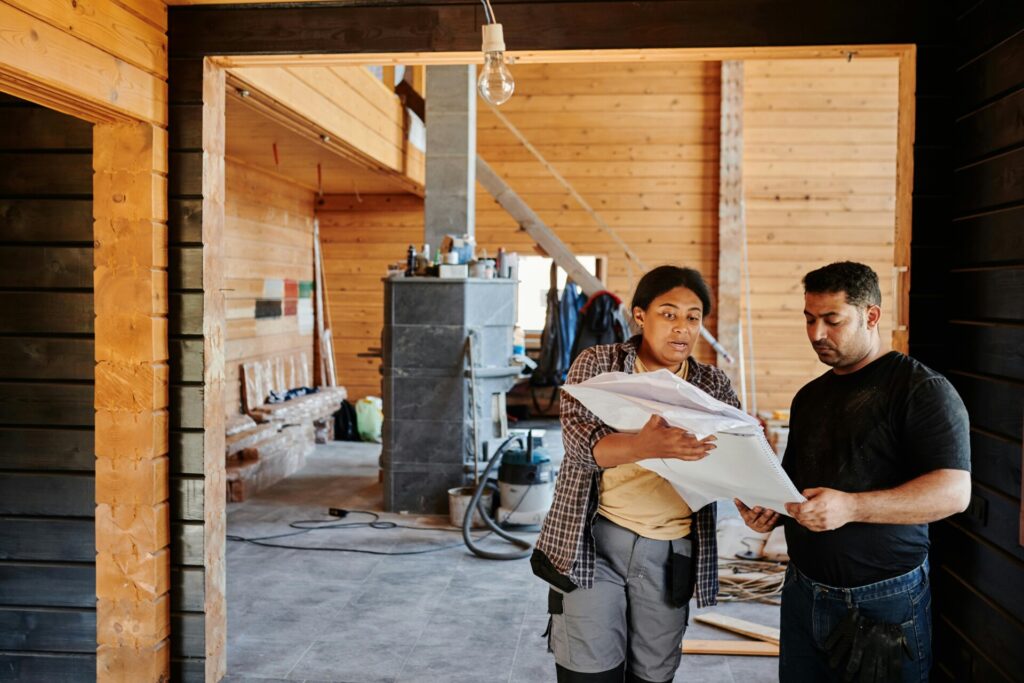
We recommend involving the contractor during the planning or schematic design phase to maximize project value and minimize costly changes later. Early involvement allows us to identify potential challenges, optimize building systems, and establish realistic timelines before major design decisions are locked in.
Seven-Stage Process
Our approach follows a structured sequence that builds on prior work and maintains momentum through project delivery. Each stage serves a specific function while supporting overall project goals.
The process begins with consultation and goal setting. We work with owners to clarify performance targets, budget parameters, and timeline expectations. This stage establishes the foundation for all subsequent decisions and aligns stakeholder priorities from the start.
Energy and daylight modeling follows in design development. We analyze building orientation, envelope performance, and system sizing to validate design assumptions. This modeling informs equipment selection and identifies opportunities for optimization before construction begins.
Documentation, permits, and regulatory compliance define the next phase. We coordinate with design teams to ensure construction documents reflect sustainable strategies and meet local code requirements. Our experience with Texas jurisdictions helps streamline approvals and avoid delays.
Construction Management and Verification
Pre-construction planning involves detailed scheduling, subcontractor coordination, and material procurement. We establish quality control protocols and verify that all team members understand performance requirements before work begins on-site.
The construction and commissioning phase executes the physical work while maintaining focus on system performance. We coordinate installation sequencing, conduct functional testing, and document system operations to verify design intent. This phase requires close collaboration between trades to ensure integrated performance.
Post-occupancy evaluation occurs after the building becomes operational. We monitor system performance, gather occupant feedback, and identify needed adjustments. This evaluation validates energy savings estimates and supports ongoing optimization efforts.
Project closeout includes delivery of as-builts, warranty and technical documentation. We provide comprehensive records that support long-term building operations and future retrofit planning. Training for facilities staff ensures a smooth transition to the operational phase.
Collaborative Coordination Throughout
We collaborate with developers, architects, engineers, and builders at each stage to align targets and manage costs. Regular coordination meetings track progress, resolve technical issues, and maintain schedule adherence. Our role includes facilitating communication between disciplines and ensuring design intent translates into construction execution.
Cost management receives continuous attention throughout the process. We provide real-time budget updates, track change orders, and identify value engineering opportunities. This oversight helps owners make informed decisions while maintaining project quality and performance goals.
What Standards And Outcomes Guide Sustainable Retrofits?
Property owners pursuing sustainable building retrofits typically align their projects with established certification standards that provide clear performance frameworks and market recognition. LEED certification remains the most widely recognized standard, with its point-based system covering energy efficiency, water conservation, material selection, and indoor environmental quality. The upcoming LEED v5 rating system places greater emphasis on decarbonization as a core principle throughout the framework.
The WELL Building Standard focuses specifically on occupant health and wellness through ten key concepts: air quality, water quality, nourishment, light, movement, thermal comfort, sound, materials, mind, and community. Fitwel certification, founded by the U.S. CDC and GSA, targets health impact categories that increase physical activity, enhance access to healthy foods, promote safety, and support community health. ENERGY STAR certification provides a straightforward benchmark for energy performance, while Passive House standards achieve deep energy reductions through superior insulation, airtight construction, and high-performance windows.
Performance Outcomes and Asset Value
These certification pathways deliver measurable outcomes that extend beyond regulatory compliance. Lower operating costs represent the most immediate benefit, with energy-efficient retrofits reducing utility expenses and improving net operating income. Buildings achieving LEED Gold certification or ENERGY STAR ratings often command higher rental rates and sale prices, directly increasing asset value for property owners.
Occupant health improvements through enhanced indoor air quality, natural lighting, and thermal comfort contribute to higher tenant satisfaction and retention rates. Research facilities pursuing WELL certification report reduced absenteeism and increased productivity among occupants. These health-focused outcomes align with growing tenant preferences for buildings that support wellness and environmental responsibility.
Portfolio Decarbonization and Resilience
We support property owners in developing comprehensive portfolio decarbonization strategies that align individual building retrofits with broader environmental goals. This approach involves conducting life-cycle assessments to understand the full carbon impact of materials, energy systems, and operational practices throughout a building’s lifespan. Portfolio-level planning allows owners to prioritize retrofits based on carbon reduction potential and financial returns.
Resilience to extreme weather events becomes increasingly important as climate patterns shift across Texas. Passive House standards naturally enhance building resilience through superior envelope performance and reduced energy dependence. Buildings designed for resilience maintain comfortable conditions during power outages and recover more quickly from extreme weather, protecting both occupants and property value.
Circular Economy and Resource Optimization
Circular economy thinking guides material selection and waste reduction strategies throughout retrofit projects. This approach prioritizes the reuse of existing building components, selection of materials with recycled content, and design for future disassembly and material recovery. We integrate these principles into retrofit planning to minimize waste and maximize resource efficiency.
Data-driven choices optimize water, energy, and materials over a building’s operational life. Smart building technologies and monitoring systems provide continuous feedback on performance, enabling adjustments that maintain certification standards and improve outcomes over time. Post-occupancy evaluation verifies that certified buildings achieve their intended performance targets and identifies opportunities for further optimization.
Conclusion And Next Steps
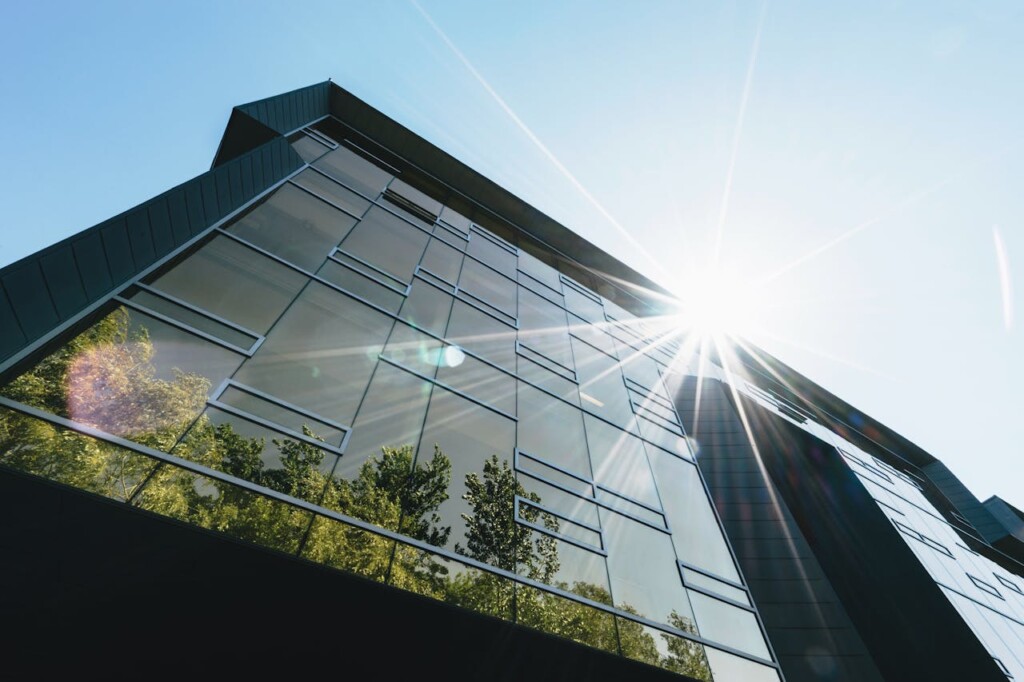
Successful Texas retrofits depend on coordinated planning, execution, and verification across multiple disciplines. Property owners benefit most when they engage contractors early in the planning process, establish clear energy savings and resilience targets, and maintain alignment between design intent and construction delivery. Research shows that LEED-certified properties can command rent premiums of about 11% above conventional buildings, while comprehensive retrofits typically reduce energy consumption by 15–40% through upgraded systems and controls.
Start by defining specific goals for your project, whether you are targeting operational cost reductions, certification pathways, or improved occupant comfort. Select appropriate standards early, and coordinate design with commissioning requirements to ensure systems perform as intended. Consider solar-powered site lighting and security systems, which can maintain operations during grid outages while reducing overall energy demand. Schedule post-occupancy verification to document actual performance against projected savings and identify any needed adjustments. Connect with EB3 Construction to coordinate these retrofit steps across Texas markets.