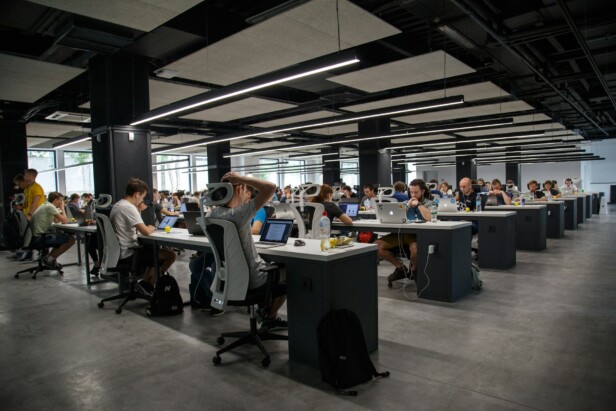
Austin’s tech sector drives one of the fastest-growing commercial markets in Texas. Companies moving into raw shell space or transforming outdated offices need specialized construction that balances advanced technology with flexible work environments.
A tech office build-out in Austin transforms basic commercial space into a workplace designed for tech teams. We integrate robust data infrastructure, smart building systems, and wellness-focused design features that support both collaborative and focused work. Austin’s unique market factors—including hybrid work adoption, cost-effective submarket locations, and strong sustainability expectations—directly influence project scope, timeline, and budget from planning through delivery.
Which Austin Market Trends Should Guide A Tech Office Build-Out?
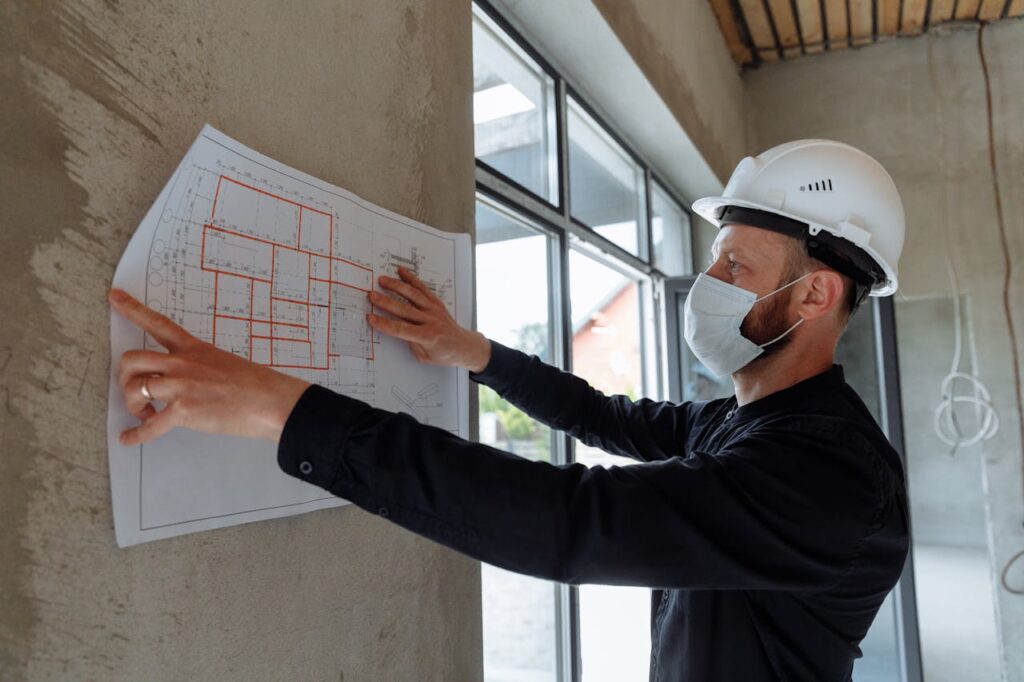
Austin’s office market reflects broader shifts in how tech companies approach workspace design and location strategy. We track these patterns closely because they directly influence construction feasibility, site selection, and build-out scope for our clients.
Hybrid Work Models Drive Flexible Space Design
Hybrid work has reshaped space requirements across Austin. Tech firms now seek flexible layouts that support both collaborative work and individual focus time. This trend pushes us to design adaptable environments with modular furniture systems and technology infrastructure that can handle varying occupancy levels throughout the week.
Companies are downsizing their footprints while investing more heavily in the spaces they keep. We see clients requesting smaller overall square footage paired with higher-quality finishes and amenities that make in-office time more valuable for employees.
Submarkets Outside the CBD Offer Strategic Advantages
The Domain Austin and Northwest/Northeast submarkets have become magnets for tech office development. These locations provide shorter commutes for employees living in Austin’s expanding residential areas while offering more competitive lease rates than downtown options.
We regularly coordinate build-outs in these submarkets because they align with our clients’ cost-control objectives. The Domain, in particular, offers access to retail amenities and dining options that support the live-work-play environment many tech workers prefer.
Northeast and Northwest Austin provide additional benefits through proximity to major transportation corridors and available parking, factors that influence both construction logistics and long-term operational efficiency.
Smart Building Features Shape Infrastructure Requirements
Intelligent building management systems have moved from luxury to necessity in Austin’s office market. We integrate touchless entry systems, automated lighting controls, and HVAC optimization during the build-out phase to meet these evolving expectations.
High-speed internet infrastructure remains essential, and we also plan for enhanced cybersecurity features and advanced IT support capabilities. These systems require careful coordination during construction to ensure proper conduit placement and equipment room sizing.
Smart features help reduce operating costs, appealing to property owners seeking to differentiate their buildings in Austin’s competitive leasing market.
Wellness and Sustainability Influence Site Selection
LEED certification has become a standard consideration rather than an optional upgrade in Austin’s tech office market. We help clients evaluate buildings based on their sustainability credentials and plan build-outs that maintain or enhance these certifications, including LEED Zero Energy standards.
Biophilic design elements such as natural light optimization and greenery are now routine parts of our construction scope. Access to parks and healthy food options influences both site selection and interior space planning.
These wellness-focused features support talent retention strategies while aligning with Austin’s environmentally conscious culture. We coordinate with sustainable building practices that reduce long-term operating costs and track Austin’s evolving office space trends.
Continued Development Signals Market Confidence
Large-scale office development continues across Austin despite hybrid work trends. Major projects in the CBD and suburban markets demonstrate long-term confidence in the city’s tech ecosystem.
This ongoing construction activity creates opportunities for second-generation spaces as companies relocate to newer buildings. We often manage build-outs in these refreshed spaces, which can offer cost advantages over ground-up construction while still meeting modern workplace standards.
What Technology, Wellness, And Sustainability Features Are Essential?
We organize essential features into three critical areas that drive performance and long-term value. Each area supports the others to create spaces that attract talent, reduce operating costs, and meet modern workplace expectations. Building these elements into the construction scope from the start prevents costly retrofits and ensures integrated performance.
Technology Infrastructure and Security
Robust data connectivity forms the foundation of any tech workspace. We specify high-capacity broadband with redundant internet service providers and a fiber-optic backbone. Cat 6A or fiber cabling throughout the space supports current and future bandwidth demands. Distributed antenna systems enhance cellular coverage, while dedicated server rooms include appropriate cooling, power, and fire suppression systems.
Enhanced cybersecurity requires both physical and digital protection layers. Secure network architecture includes firewalls, intrusion detection systems, and segmented networks for different security levels. We implement access control systems with encrypted badge readers and biometric options for sensitive areas. Security cameras with cloud-based storage provide 24/7 monitoring while respecting privacy requirements.
Touchless entry systems reduce physical contact points and streamline access management. Smart building controls include automated lighting that responds to occupancy sensors and daylight levels. Intelligent building management systems integrate HVAC, lighting, security, and fire safety into unified platforms. These systems enable remote monitoring, predictive maintenance, and real-time energy optimization that can reduce operating costs by 20-30%.
Wellness and Biophilic Design Elements
Natural daylight supports cognitive performance and employee satisfaction. We position workstations within 25 feet of windows and specify low-E glazing to control heat gain while preserving light quality. Automated window shades prevent glare while maintaining outdoor views. Skylights and light shelves can supplement natural illumination in interior spaces.
Greenery and biophilic elements improve air quality and reduce stress levels. Living walls, planters, and green roofs create connections to nature throughout the workspace. We select low-maintenance, air-purifying plants that thrive in office environments. Natural materials like wood, stone, and organic textures add warmth and visual interest to modern interiors.
Wellness-focused spaces support different work styles and mental health needs. We design quiet rooms for focused work, phone booths for private calls, and meditation or wellness rooms for stress relief. Neurodiversity-friendly spaces include sensory-neutral environments with adjustable lighting, sound masking, and calm color palettes. Movement-friendly design incorporates standing desks, walking paths, and informal collaboration areas that encourage activity throughout the day.
Sustainability Certifications and Performance Targets
LEED and WELL certifications provide frameworks for measuring environmental and health performance. LEED focuses on energy efficiency, water conservation, materials selection, and indoor environmental quality. WELL certification emphasizes air, water, light, fitness, comfort, and mind factors that affect human health and productivity. We track both certifications throughout construction to ensure compliance and optimize long-term performance.
Net-zero energy targets require integrated design strategies from the outset. High-performance building envelopes reduce heating and cooling loads. Energy-efficient mechanical systems, LED lighting, and ENERGY STAR appliances minimize consumption. On-site renewable energy generation through rooftop solar or geothermal systems, delivered via design-build, can offset remaining energy use. Battery storage systems provide backup power and enable demand response participation.
Modular spaces and premium A/V systems support flexible collaboration. We design modular breakout areas with movable partitions, adaptable furniture, and flexible technology connections. High-end audiovisual systems include 4K displays, wireless presentation technology, and professional video conferencing equipment. Well-equipped pantries and cafeterias feature energy-efficient appliances, water filtration systems, and spaces for both quick meals and social interaction. These amenities reduce off-site trips while supporting company culture and employee retention.
How Much Will A Tech Office Build-Out Cost In Austin, And What Drives It?

Build-out cost per square foot in Austin varies significantly based on finish quality and space generation (first- vs. second-generation space). Basic office finishes typically range from $51 to $61 per square foot, while first-generation shell space adds up to $10 per square foot to the baseline cost.
Mid-range build-outs command $65 to $80 per square foot for second-generation spaces. Executive-level finishes reach $96 to $157 per square foot, reflecting premium materials, custom millwork, and sophisticated technology integration that tech companies often require.
Furniture and Amenity Premium Costs
Furniture budgets range from $28 to $80 per square foot depending on quality and level of customization. Progressive office layouts favoring collaboration typically require modular furniture systems that fall on the higher end of this range.
Amenity premiums can substantially increase project costs. Fitness facilities cost $155 to $210 per square foot to build and equip. Conference centers with premium A/V systems range from $150 to $205 per square foot. Dining areas, commercial kitchens, and servery spaces command $162 to $241 per square foot due to specialized equipment, ventilation, and code compliance requirements.
Understanding Budget Drivers
Hard costs represent the largest expense category, accounting for approximately 75 to 85 percent of total project budgets. These include structural modifications, mechanical, electrical, and plumbing (MEP) systems, flooring, ceiling work, and technology infrastructure installation.
Soft costs comprise 8 to 12 percent of budgets, covering design fees, permits, inspections, and project management services. We coordinate these elements to maintain schedule integrity and code compliance throughout the construction process.
Vendor costs account for 5 to 10 percent of project expenses, including furniture procurement, technology equipment, and specialized installations like security systems or wellness features.
Space Generation Impact on Costs
First-generation shell spaces require comprehensive build-outs, including all MEP systems, demising walls, and finish materials. These projects typically cost $10 per square foot more than comparable second-generation spaces that already have basic infrastructure in place.
Second-generation spaces offer cost advantages when existing layouts align with new requirements. However, technology upgrades and modern workspace features often require substantial modifications even in previously occupied spaces.
Office Style and Density Considerations
Progressive office designs emphasizing collaboration and flexibility require different technology infrastructure than traditional layouts. Open floor plans with integrated smart building systems typically cost more per square foot but accommodate higher employee densities.
Traditional office configurations with private offices and formal conference rooms may have lower technology requirements but often require more complex HVAC zoning and acoustic treatments.
| Finish Quality | Cost (per Square Foot) |
| Basic Office Finishes | $51 – $61 |
| First-Generation Shell Space | Additional $10 per square foot to baseline costs |
| Mid-Range Build-Out | $65 – $80 |
| Executive-Level Finishes | $96 – $157 |
| Furniture (Customizable) | $28 – $80 |
| Fitness Facilities | $155 – $210 |
| Conference Centers (Premium A/V Systems) | $150 – $205 |
| Dining Areas, Commercial Kitchens, and Servery Spaces | $162 – $241 |
Disclaimer: Pricing figures are based on publicly available market data and are intended for general estimation purposes as of December 2025. They do not represent a formal quote from EB3 Construction. Actual costs will vary by project scope, location, labor rates, and material prices.
Austin construction costs continue to rise due to material price escalation and a competitive labor market. Southern markets traditionally offer cost advantages compared to coastal regions, but local demand from tech sector growth has narrowed these gaps significantly.
Building class influences both base rental rates and improvement costs. Class A buildings in Austin average $51 per square foot annually in rent, while their modern infrastructure can reduce build-out complexity. Class B and C buildings offer lower rents but may require more extensive technology upgrades to meet contemporary workplace standards.
Which Delivery, Shell Condition, And Funding Approach Fit Your Project?
Project delivery determines how we coordinate design and construction decisions during your tech office build-out. The shell condition sets your starting point and budget requirements. Funding structures define who pays for which improvements and when.
Design-Build Delivery Streamlines Coordination
A design-build approach consolidates responsibility under one contract, creating a single point of accountability for design and construction. We coordinate directly with architects, engineers, and specialty contractors to maintain consistent quality standards and project timelines. This method reduces change orders and communication delays that often arise when design and construction teams work separately.
Design-build works particularly well for tech projects in which technology integration requires early coordination between structural, mechanical, and IT systems. We can begin construction on foundations and core systems while finalizing interior layouts and technology specifications.
Shell Conditions Define Your Starting Point
Gray shell spaces present an empty box with basic structural elements, exterior walls, and roof systems in place. These spaces lack interior walls, ceilings, HVAC distribution, electrical systems, and plumbing fixtures. Gray shell build-outs require full interior construction but offer complete design flexibility for technology infrastructure and spatial layouts.
Vanilla shell conditions include basic ceiling grids, drywall at demising walls, HVAC stub-outs, and electrical rough-ins. Restrooms and core mechanical systems are typically installed but not finished. This condition reduces construction time and costs while maintaining customization options for technology needs and office layouts.
Whiteboxing involves stripping existing second-generation spaces back to basic structural elements, removing previous tenant improvements to create a clean slate. This process allows us to install modern technology infrastructure and reconfigure spaces for current workplace trends while working within an existing building framework.
Funding Options Align With Project Scale And Risk
Rent concessions provide free or discounted rent periods that offset improvement costs. Tenants manage construction directly while applying rent savings toward build-out expenses. This approach works well for smaller projects or when organizations prefer direct contractor relationships.
Building standard allowances offer predetermined improvement packages with fixed materials and finishes. Landlords typically handle construction management while tenants choose from approved selections. This method provides cost certainty but limits customization for specialized technology requirements.
Turnkey build-outs place full construction responsibility on the landlord, who delivers a completed space ready for occupancy. We coordinate with landlords to ensure technology specifications, security systems, and workspace configurations meet operational requirements. Turnkey arrangements work well for shorter lease terms or when organizations need predictable move-in timelines.
Tenant improvement (TI) allowances provide per-square-foot funding that tenants apply toward approved construction costs. We manage the entire build-out process while working within agreed allowance limits. TI allowances offer maximum flexibility for technology integration and custom workspace design.
Work Letters Define Standards And Responsibilities
Detailed work letters establish construction standards, material specifications, and approval processes before construction begins. We help develop work letters that define building-standard elements, upgrade costs, and change-order procedures. Clear documentation prevents disputes and ensures all parties understand project scope and budget parameters.
Work letters should specify technology infrastructure requirements, including data cabling standards, electrical capacity, and HVAC performance criteria. We review proposed standards against operational needs and recommend upgrades when building systems fall short of technology requirements.
Warranty coverage and maintenance responsibilities need clear definitions in work letters. We establish which improvements remain with the space at lease end and which elements tenants can remove or modify during occupancy.
Project Schedules Balance Speed And Quality
Construction milestones help track progress and coordinate vendor deliveries for technology equipment and custom fixtures. We establish check-in points that align with permit approvals, utility connections, and equipment installation schedules.
Lead times for specialized technology components often drive overall project timelines. We coordinate equipment procurement with construction phases to prevent delays and ensure proper installation sequences.
Larger projects benefit from economies of scale in materials purchasing and contractor coordination. We leverage project size to negotiate better pricing while maintaining quality standards across all construction phases.
Conclusion: Build a Resilient, Tech-Ready Austin Workplace
Austin’s dynamic market requires a strategic approach to tech office build-outs that balances immediate needs with long-term adaptability. We coordinate projects around the city’s key trends: hybrid work models that drive flexible space requirements, submarkets outside the CBD that offer cost advantages, intelligent building systems that reduce operational overhead, and wellness-focused design that supports employee satisfaction. Market conditions favor companies that plan comprehensively rather than reacting to immediate pressures.
Success begins with defining technology infrastructure and cybersecurity requirements early in the process. Budget planning should account for shell condition differences, amenity premiums, and the allocation of hard and soft costs. The delivery method and funding strategy must align with lease terms, project timeline, and risk tolerance. Clear work letters with defined project milestones prevent scope creep and ensure accountability. This systematic approach helps create workspaces that remain functional, efficient, and competitive as business needs evolve.
Partner with EB3 Construction to execute your tech office build-out with precision and expertise.