
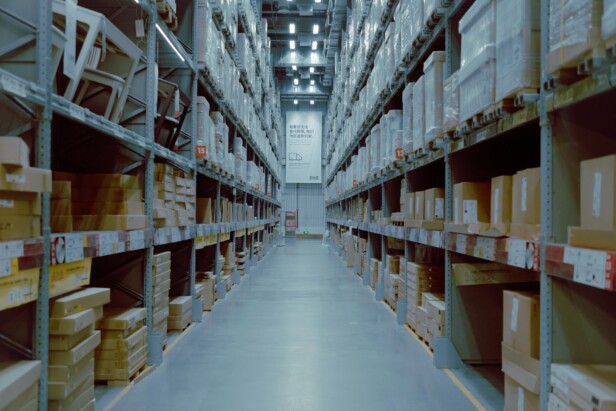
Lancaster sits at the center of the South Dallas hub, a multimodal industrial corridor that serves the Texas Triangle distribution network. The area moves freight from the Gulf Coast to the northern plains, positioning warehouse builder Lancaster TX projects for maximum logistics advantage. Development activity here reflects demand from e-commerce giants and third-party logistics providers seeking inland port access just minutes from downtown Dallas.
Current searches for “warehouse builder Lancaster TX” focus on three core elements: prime site selection near intermodal facilities; modern building specifications, including cross-dock layouts and ESFR sprinklers; and streamlined permitting through Dallas County. This combination supports construction feasibility, which we coordinate through comprehensive project delivery—from site preparation to final occupancy certification.
What Location Advantages Does Lancaster’s South Dallas Hub Offer For Warehouses?

The Dallas Logistics Hub is a 2,000-acre master-planned logistics park located 12 miles south of Downtown Dallas. This inland port offers immediate access to four major highways, dual rail connections, and intermodal facilities. A planned air-cargo airport will add another layer to the multimodal network.
The location between I-35 and I-45 provides strong regional and national reach for distribution operations. Companies can access markets throughout the central United States within 48 hours by truck. Intersections with I-20, I-30, and other major corridors provide multiple routing options that help bypass metropolitan traffic congestion.
Reduced Drayage Costs Through Intermodal Access
The 360-acre Union Pacific Dallas Intermodal Terminal sits within the South Dallas hub and connects directly to the ports of Los Angeles and Long Beach. This rail connection reduces drayage costs by minimizing truck miles needed to move containers from the rail terminal to the final destination. The facility operates 24 hours, seven days a week, with an automated gate system that speeds entry and reduces congestion.
BNSF Railway maintains additional intermodal capacity nearby, providing redundancy and competitive pricing for rail services. The dual rail network supports supply chain flexibility and helps manage capacity constraints during peak shipping periods.
Skilled Labor Pool and Population Growth
The South Dallas submarket benefits from regional population growth and an established skilled labor pool. Workers traveling to Lancaster generally commute against major traffic flows, improving travel times and employee satisfaction. The area’s proximity to Dallas-Fort Worth International Airport, one of the nation’s top international freight gateways, attracts logistics professionals and creates a competitive talent market.
Recent industrial development has brought major employers to the area, including fulfillment centers and distribution facilities that support workforce development. This industrial momentum creates a self-reinforcing cycle in which skilled workers attract more businesses, and businesses, in turn, draw additional talent.
Build-to-Suit and Large-Scale Development Options
The logistics park offers readily available industrial space for lease alongside build-to-suit sites for distribution, warehouse, and manufacturing needs. Large-acreage sites accommodate facilities requiring substantial square footage and extensive trailer parking. The master-planned approach ensures adequate utility infrastructure, including robust, redundant electrical capacity to support power-intensive operations.
Foreign-Trade Zone designation provides additional advantages for companies engaged in international trade. Zone 39 spans a seven-county area and allows businesses to defer or eliminate customs duties on imported goods through an expedited approval process.
What Class A Warehouse Specifications Are Common In Lancaster Right Now?
Cross-dock distribution design dominates recent Class A warehouse completions in the Lancaster area. The configuration supports efficient product flow from inbound to outbound operations without long-term storage requirements. Current facilities feature 60 dock doors with cross-dock layouts that maximize throughput capacity.
Clear heights of 38–40 feet are standard in modern distribution facilities. These heights accommodate high-density storage systems and provide operational flexibility for various inventory types. Some newer builds push even higher, with 40-foot clear becoming increasingly common in competitive lease markets.
ESFR sprinkler systems are the fire-protection standard for Class A warehouses. Early Suppression Fast Response technology enhances safety for high-pile storage configurations typical of modern distribution operations. The design helps meet insurance requirements and operational safety protocols expected by owners.
LED lighting systems deliver energy efficiency and operational benefits. Warehouse areas receive LED installations that reduce operating costs while providing consistent illumination across large floor areas. Office areas also receive LED upgrades as part of comprehensive building improvements.
Trailer parking capacity reflects the high-throughput nature of modern distribution facilities. Recent projects include 150 or more trailer parking spots to support cross-dock operations and accommodate varying delivery schedules. Vehicle parking for 180 or more cars addresses workforce transportation needs at large facilities.
Quality office finishes complement warehouse operations with professional administrative space. Modern builds integrate office areas that support management, logistics coordination, and customer service functions. These spaces receive upgraded HVAC, lighting, and interior finishes that meet professional standards.
Where Are Active Sites And How Big Are They?

The most active large-scale development centers on two key addresses in Lancaster. The Midpoint Logistics Center showcases ongoing development at 3501 Midpoint Dr. and 3803 N. Dallas Ave., reflecting the scale of modern industrial projects in the South Dallas hub. These addresses illustrate the major industrial infrastructure taking shape in the region.
Within the broader Dallas Logistics Hub, two featured properties highlight the range of available space types. DLH Building 1 operates as a cross-dock industrial facility spanning approximately 635,040 square feet. This building type supports high-throughput distribution operations that require efficient loading and unloading across multiple dock doors.
DLH Building 2 offers a different configuration as an office/warehouse combination totaling about 192,850 square feet. This mixed-use approach provides companies with both operational space and administrative facilities under one roof. The building serves businesses that need significant office components alongside their distribution or manufacturing operations.
These examples illustrate the scale and variety available in Lancaster’s industrial market. The contrast between the large cross-dock facility and the smaller office/warehouse building shows how the South Dallas hub accommodates different operational requirements. Both building types reflect current market demand for modern industrial space with specific functional capabilities.
Square footage ranges from under 200,000 to over 600,000 square feet, demonstrating the flexibility within Lancaster’s industrial offerings. Companies can find space that matches their operational scale, whether they need extensive distribution capacity or integrated office/warehouse functions. This variety supports the area’s appeal for different types of industrial users and operational models.
How Do Permitting And Project Delivery Work With EB3 Construction In Lancaster?
Lancaster warehouse projects require permits and approvals through Dallas County since Lancaster falls within the county’s jurisdiction. The Dallas County Zoning and Building Permits office handles all zoning and building permit applications for Lancaster industrial developments.
We coordinate with Dallas County officials early in the planning process to identify zoning requirements and permit timelines for warehouse projects. County-level permitting often involves procedures that differ from municipal systems, so our team maintains direct contact with county staff to navigate application requirements efficiently.
Design-Build Coordination for Warehouse Operations
We approach warehouse design with operational efficiency as the primary driver. Storage optimization begins with understanding your product mix, inventory flow, and handling requirements. Our design teams analyze these factors to determine optimal bay spacing, clear height needs, and material handling equipment clearances.
Logistics flow planning shapes the building layout from day one. We position truck doors, staging areas, and internal circulation paths to minimize travel distances and eliminate bottlenecks. Cross-dock facilities require different design considerations than traditional warehouses, affecting everything from column spacing to floor loading specifications.
Safety features are integrated throughout the design process rather than as add-ons. We incorporate proper egress paths, fire separation requirements, and ESFR sprinkler system compatibility into structural and architectural plans. These elements are coordinated with the county fire marshal’s requirements during permit review.
Energy Efficiency and Industrial Compliance
Energy-efficient practices reduce long-term operating costs while meeting current building code requirements. We specify high-performance building envelopes, efficient HVAC systems, and LED lighting that comply with applicable energy code standards. These measures may also qualify projects for utility rebates and tax incentives available for industrial facilities.
Industry standards and regulations guide our specification process for warehouse construction. We ensure compliance with Texas Accessibility Standards for accessible features while coordinating fire protection requirements with local fire officials. Industrial buildings also must meet specific structural loading requirements for equipment and storage configurations.
Regulatory compliance extends beyond basic building codes to include environmental and safety regulations that affect warehouse operations. We coordinate with county environmental health departments when projects involve hazardous materials storage or specialized ventilation requirements.
Project Management and Scheduling Coordination
Our project management approach coordinates designers, specialists, and subcontractors to maintain schedules and control budgets. We use integrated project delivery (IPD) methods that bring key team members together early in the design process, reducing coordination issues that can cause delays during construction.
Scheduling coordination begins during the permit application phase. We prepare comprehensive submittal packages that anticipate county reviewer questions and include all required supporting documentation. This preparation helps avoid revision cycles that extend approval timelines.
We maintain regular communication with all project stakeholders throughout construction. Weekly progress meetings include subcontractor updates, schedule adjustments, and budget tracking to ensure projects stay on target. Our field supervision teams coordinate daily activities to maximize productivity while maintaining quality standards.
Conclusion And Next Steps
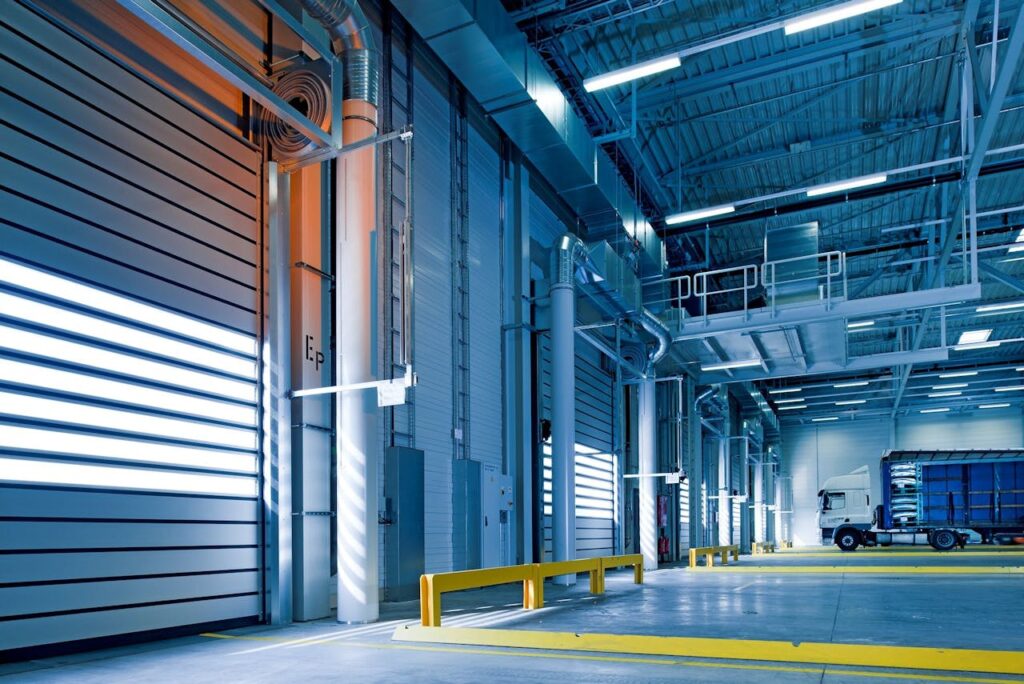
Lancaster’s South Dallas hub offers proven advantages for warehouse development thanks to its strategic inland port location and established infrastructure network. The region maintains consistent Class A standards, including 38–40-foot clear heights, cross-dock configurations, and ESFR fire protection systems. Recent completions totaling more than 1.6 million square feet signal strong market demand and define the operational requirements shaping new construction specifications.
Moving forward means clearly defining operational requirements, site selection criteria, and project delivery timelines. Begin by evaluating specific throughput needs, dock door counts, and office space requirements. Review active sites and properties within the Dallas Logistics Hub to understand available options and market positioning. Contact Dallas County Development and Unincorporated Area Services for guidance on permitting and regulatory requirements. We coordinate these elements through an integrated design-build process that aligns construction schedules with operational launch dates and manages compliance requirements and budget parameters throughout project delivery.
Contact EB3 Construction to discuss warehouse development opportunities in Lancaster’s growing industrial corridor.