
Texas warehouse projects are expanding rapidly, driven by e-commerce growth and supply chain demands. For companies in Conroe evaluating new distribution space, understanding the local regulatory landscape is critical to project success.
Warehouse construction in Conroe, TX requires careful attention to logistics access, operational flow, and compliance. We coordinate preconstruction planning to align facility design with workflow patterns, code requirements, and future expansion needs. Early clarity on building size, clear height specifications, loading dock configurations, and technology infrastructure enables more accurate budgeting and streamlines permitting.
How Do Location And Logistics In Conroe Shape Warehouse Design Choices?
Texas is a distribution powerhouse, in part because of Conroe’s strategic positioning within 45 minutes of Houston and direct access to I-45. This proximity places warehouses in the heart of a logistics corridor that connects major metropolitan areas across the state. The Conroe Economic Development Council highlights how companies often establish headquarters in The Woodlands while positioning distribution centers in Conroe to capitalize on lower operational costs and streamlined transportation routes.
Cross-Dock Layouts Drive Operational Efficiency
Modern distribution centers in Conroe leverage cross-dock configurations to minimize storage time and accelerate product movement. These layouts position receiving docks opposite shipping areas, enabling goods to flow directly from inbound trucks to outbound transportation with minimal storage. Cross-docking reduces handling costs and maximizes throughput.
We design cross-dock facilities with sufficient staging areas to accommodate varying shipment volumes throughout the day. The layout reduces bottlenecks by separating inbound and outbound traffic flows. This configuration benefits retailers and third-party logistics providers that need rapid inventory turnover.
Tall Ceilings Maximize Vertical Storage Capacity
Warehouse facilities in Conroe typically incorporate clear heights ranging from 28 to 36 feet to optimize vertical space. Higher ceilings accommodate multi-level racking systems that significantly increase storage density without expanding the building footprint. This vertical approach reduces land costs per stored unit while maintaining operational accessibility.
We coordinate with structural engineers early in the design to ensure adequate roof load capacity for potential future automation systems. Taller warehouse structures also improve air circulation and can reduce energy costs through better thermal management. The investment in additional height often pays back through increased storage capacity within the first operational year.
Site Selection Considerations For Logistics Access
Effective site selection in Conroe requires evaluating proximity to I-45 while considering local traffic patterns and available utility infrastructure. Industrial parks such as Conroe Park North provide pre-developed sites with established water, sewer, and electrical systems that shorten construction timelines. These locations offer four-lane concrete access roads designed for heavy truck traffic.
We evaluate soil conditions, floodplain designations, and utility capacity during site analysis to identify potential construction challenges early. Our goal is to select locations that provide excellent transportation access while offering stable foundations for warehouse construction. Sites within two miles of I-45 typically offer optimal logistics connectivity without excessive land costs.
Utility Coordination And Infrastructure Requirements
Warehouse projects require coordination with multiple utility providers to ensure adequate electrical capacity, water pressure, and telecommunications infrastructure. We engage utility companies during preconstruction to identify any necessary system upgrades or service extensions. Early coordination helps prevent construction delays and ensures operational systems meet current and future demands.
Modern warehouses demand significant electrical capacity for automation systems, climate control, and LED lighting. Natural gas service supports heating systems and potential future automation equipment. Fiber-optic telecommunications enable warehouse management systems and real-time inventory tracking that retailers require for efficient operations.
What Are The 2026 Cost Drivers And Budget Ranges For Conroe Warehouses?
Construction costs in 2025 reflect material price recovery and evolving technology requirements. A standard dry warehouse typically runs $20-$60 per square foot for basic shell construction. Cold storage facilities command premium pricing at $241-$344 per square foot due to specialized refrigeration systems and insulation requirements.
Regional distribution centers average around $214 per square foot. These facilities require higher clear heights and advanced fire suppression systems, which drive costs above basic storage buildings.
Hard Cost Components
Concrete slab foundations are a fundamental cost at approximately $6 per square foot. Pre-engineered metal buildings offer structural efficiency at $10-$20 per square foot, while tilt-up construction ranges from $25 to $40 per square foot for larger footprints exceeding 100,000 square feet.
Fire suppression systems add $1-$4 per square foot depending on clear height and storage classification. Energy-efficient lighting systems cost $3.2-$4 per square foot and often qualify for utility rebates that can reduce net investment by up to 20%.
Loading dock packages run $6,000-$11,000 per door, including hydraulic levelers. Each dock requires careful placement to optimize traffic flow and minimize site paving costs.
Technology Infrastructure and Long-Term Operations
Basic warehouse management systems add modest costs at $0.50-$1 per square foot. Advanced automation systems can reach $25-$120 per square foot but typically deliver payback periods of 2-4 years through operational improvements.
IoT sensors and smart building systems cost $2-$7 per square foot for real-time inventory tracking. Access control and security systems add $2-$5 per square foot while reducing shrinkage and enhancing safety protocols.
Technology integration requires a robust electrical infrastructure and network backbone. We coordinate these systems during construction to avoid costly retrofits later.
Sustainability and Climate Resilience
Sustainability compliance adds $2-$6 per square foot depending on local requirements. Enhanced insulation systems cost $1.50-$4 per square foot but generate 20-30% annual energy savings.
Stormwater management systems range from $2 to $8 per square foot to meet EPA regulations. EV charging infrastructure preparation costs $10,000-$50,000 per installation for future fleet electrification.
Climate resilience measures add 3-5% of structural costs. Wind reinforcement and flood mitigation protect long-term operations and can reduce insurance premiums by 15-25%.
| Construction Component | 2025 Cost Per Square Foot | Strategic Considerations |
| Concrete Slab | $6 | Foundation thickness increased for heavy loads |
| Pre-engineered Metal Building | $10-$20 | Fast construction timeline and cost efficiency |
| Tilt-up Construction | $25-$40 | More economical for footprints over 100,000 square feet |
| Fire Suppression Systems | $1-$4 | Must meet high ceiling safety requirements |
| Energy-efficient Lighting | $3.2-$4 | Rebates can reduce costs by up to 20% |
| Loading Docks (each) | $6,000-$11,000 | Includes hydraulic systems |
| Technology Infrastructure | $0.50-$120 | Varies with automation level |
Disclaimer: Pricing figures are based on publicly available market data and are intended for general estimation purposes as of December 2025. They do not represent a formal quote from EB3 Construction. Actual costs will vary by project scope, location, labor rates, and material prices.
Soft Costs and Contingency Planning
Soft costs typically account for 15% of hard construction costs. This includes architectural and engineering fees, building permits, environmental assessments, and builder’s risk insurance.
Design and engineering fees range from 4% to 6% of hard costs. Building permits and impact fees vary from 0.5% to 3%, depending on jurisdiction requirements.
Contingency planning requires a 7-10% allocation of total project costs in 2025 markets. Volatile material pricing and extended equipment lead times make adequate contingency essential for on-schedule project completion.
We recommend locking in subcontractor pricing early and maintaining detailed change-order tracking. Proper contingency allocation prevents budget overruns that can derail projects mid-construction.
What Steps And Timelines Should You Expect From Preconstruction To Turnover?

Warehouse construction follows distinct phases, each with a typical duration. We manage conceptual planning in 1 to 2 months, followed by design and permitting that take 2 to 6 months. Site work and utilities require 1 to 3 months, building shell erection typically takes 4 to 8 months, and interior completion rounds out the schedule at 2 to 6 months.
Preconstruction Planning Sets the Foundation
Conceptual planning establishes the project framework. We conduct site evaluations to assess soil conditions, drainage, and utility access. Land due diligence includes reviewing zoning restrictions, environmental factors, and development constraints that could affect construction schedules.
During this phase, we coordinate with local authorities to understand permitting requirements specific to warehouse facilities in Conroe. Early engagement with utility providers helps identify connection points and potential upgrade needs. Clear documentation of these findings prevents delays in later phases.
Design Development and Permitting Coordination
The design phase translates operational requirements into construction documents. We use 3D modeling to visualize layouts and identify potential conflicts before construction begins. This technology helps optimize space for both bulk storage and fast-moving goods distribution.
Sustainable planning considerations include energy-efficient systems, stormwater management, and future technology integration points. These elements require coordination with mechanical, electrical, and structural engineers to ensure code compliance. Permitting submissions include structural plans, fire suppression systems, and ADA-compliant accessibility features required for commercial warehouse facilities.
Utility coordination happens in parallel with design development. We work with power companies, water districts, and telecommunications providers to establish service connections and capacity requirements. This coordination helps prevent construction delays caused by utility availability issues.
Site Work and Infrastructure Development
Site preparation begins with clearing and grading to establish proper drainage slopes. Excavation for utilities and foundation systems follows engineering specifications to support the heavy loading demands typical of warehouse operations.
Concrete work includes the building pad and loading dock areas, designed for truck traffic. We coordinate with utility installers during this phase to ensure underground services are properly placed before final paving. Site work also includes temporary facilities for construction crews and material staging areas.
Shell Erection and Structural Systems
Building shell erection represents the most visible construction activity. Pre-engineered metal building systems or tilt-up concrete panels form the primary structure. We focus on safety protocols during this phase, including crane operations and fall protection systems.
Roofing installation follows structural completion. We coordinate inspections at key milestones to verify structural integrity and code compliance. Quality control measures include welding inspections, concrete testing, and weatherproofing verification.
Schedule tracking becomes critical during shell erection due to weather dependencies and material deliveries. We maintain regular communication with all trade contractors to address potential conflicts before they impact the timeline.
Interior Completion and Systems Integration
Interior work includes mechanical, electrical, and plumbing rough-in installations. Fire suppression systems require coordination with local fire departments for design approval and final testing. We schedule these inspections to align with construction milestones.
Concrete floors receive specialized coatings for durability and safety. Loading dock equipment installation requires precise coordination with structural elements. Technology infrastructure includes conduit systems for future warehouse management systems and security equipment.
Final inspections cover all building systems before occupancy permits are issued. We coordinate these inspections with local building departments and arrange any required corrections promptly.
Operations Handoff and Ongoing Support
Project completion includes comprehensive system testing and documentation handover. We provide maintenance schedules and warranty information for all installed systems. Operations training covers building systems and safety procedures specific to warehouse operations.
Maintenance planning addresses preventive care for roofing, HVAC systems, and loading dock equipment. Technology upgrades can be implemented as operational needs evolve. We maintain relationships with specialized contractors for ongoing facility needs after project completion.
Which Design Choices Improve Efficiency And Long-Term Value?
Structural System Selections
Pre-engineered metal buildings deliver faster construction timelines and predictable structural costs compared with conventional steel-frame construction. The modular design allows off-site fabrication while site preparation proceeds simultaneously. We typically see construction schedules reduced by 30-50% with pre-engineered systems, translating to earlier occupancy and revenue generation.
Tilt-up concrete construction becomes more cost-effective for larger warehouse footprints exceeding 100,000 square feet. The panels provide excellent thermal mass and durability in the Texas climate. We coordinate tilt-up design with mechanical systems and loading dock layouts to ensure efficient concrete placement and panel lifting sequences.
Maximizing Vertical Storage Capacity
Clear height directly impacts storage density and operational efficiency. Increasing clear height from 24 feet to 36 feet can boost storage capacity by up to 50% without expanding the building footprint. Modern automated storage systems require 32-40 feet of clear height to operate effectively. We design structural systems to accommodate these heights while managing steel tonnage and foundation loads.
High-bay storage systems with very narrow aisles require precise structural tolerances. Column placement and floor flatness are critical for automated guided vehicle operations. We coordinate structural design with racking suppliers early to ensure compatibility between building systems and storage equipment.
Loading Dock Optimization
Clustering loading docks reduces site paving requirements and shortens truck maneuvering distances. A well-designed dock cluster can reduce site development costs by 15-20% compared to distributed dock layouts. We position dock doors to minimize conflicts between inbound and outbound traffic while maintaining efficient trailer spotting.
Dock density affects both construction costs and operational efficiency. Standard practice typically allows 12-14 feet between dock door centerlines, but high-volume operations may benefit from 10-foot spacing. We balance dock density with truck circulation requirements and future expansion flexibility.
Material Procurement And Cost Management
Locking in material pricing during design development helps protect against steel and concrete price volatility. We typically secure pricing for major structural materials 60-90 days before construction starts. Early procurement also ensures material availability during peak construction periods.
Simplifying building geometry reduces both material costs and labor hours. Rectangular footprints with consistent bay spacing minimize steel tonnage and fabrication complexity. We avoid unnecessary architectural features that add cost without improving operational efficiency.
Phased Automation Planning
Preparing infrastructure for future automation saves significant retrofit costs. We design concrete slabs with embedded conduit pathways and coordinate structural loading for overhead conveyor systems. Power distribution and control room locations should accommodate future automation expansion without disrupting operations.
Foundation design for phased automation requires careful load analysis. Automated storage and retrieval systems impose concentrated loads that standard warehouse foundations may not support. We specify reinforced foundation zones where future equipment will be installed, even if automation deployment occurs years later.
Energy Efficiency And Incentive Capture
Energy-efficient design reduces long-term operating costs while qualifying for utility rebates and tax incentives. LED lighting with daylight sensors can reduce lighting energy consumption by 60-70% compared to traditional systems. We coordinate lighting layouts with daylight from skylights and clerestory windows.
High-performance building envelopes improve climate control efficiency in Texas heat. Continuous insulation and reflective roofing systems reduce cooling loads and peak demand charges. We evaluate insulation upgrades against utility incentive programs to optimize first cost and payback periods.
Sustainability And Resilience Integration
Phasing sustainability features allows immediate code compliance while preparing for future upgrades. We design electrical infrastructure to support solar installations and EV charging stations even if these systems are installed later. Stormwater management systems can be sized for future site expansion while meeting current permitting requirements.
Climate resilience measures that reduce insurance premiums provide immediate value. Wind-resistant design that exceeds minimum code requirements can lower property insurance costs by 10-25%. We coordinate with insurance carriers during design to identify cost-effective resilience upgrades that qualify for premium reductions.
Conclusion And Next Steps For Warehouse Construction In Conroe, TX
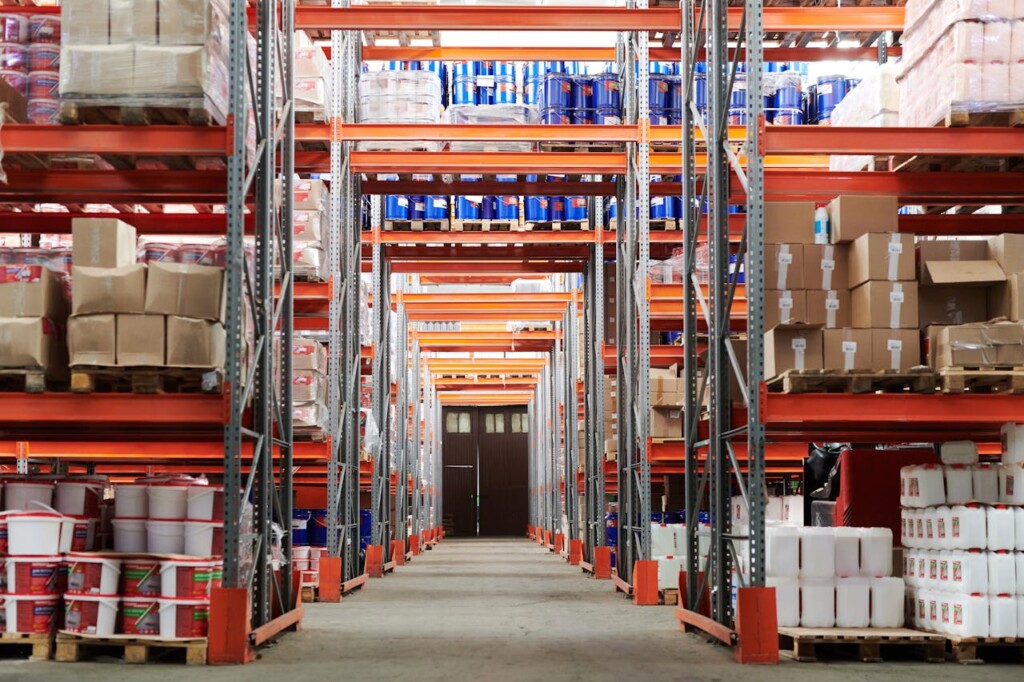
Successful warehouse construction in Conroe, TX requires clear planning around operational requirements, site selection, and project delivery. Start by defining operational needs: dock counts for efficient loading and unloading and clear-height specifications that maximize vertical storage capacity. Site selection should prioritize locations with direct access to the I-45 corridor, providing reliable connectivity to Houston’s distribution network and major transportation routes.
Budget planning should reflect current construction costs—typically $20 to $60 per square foot for dry warehouses—and include soft costs of about 15% plus a 7-10% contingency. Map your project timeline by phase: design and permitting, site work and utilities, shell erection, and interior completion. Early planning for technology integration, sustainability features, and climate resilience prevents costly mid-project changes and ensures long-term operational efficiency.
Contact EB3 Construction to coordinate your warehouse project from site evaluation through delivery.