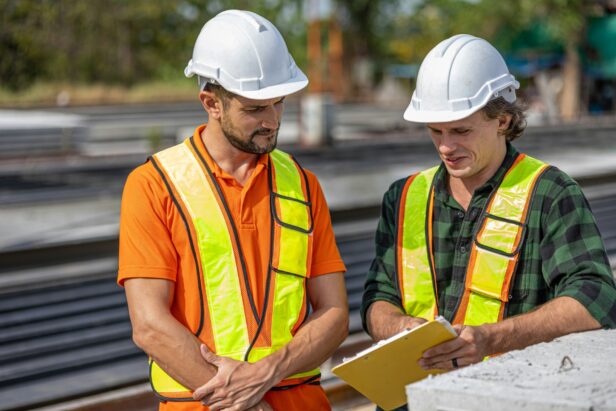
Modern construction killed roughly 1,008 workers in 2023, according to the Bureau of Labor Statistics. Despite technological advances, the industry remains inherently dangerous when fundamental construction practices are ignored or compromised.
Construction practices encompass the comprehensive approaches we use to plan, design, and execute building projects. These practices span building types from commercial high-rises to residential developments, incorporating materials selection, construction methods, regulatory compliance, safety protocols, and sustainability measures to deliver projects that meet performance requirements while protecting workers and occupants.
Which Building Types And Methods Shape Modern Construction Practices?
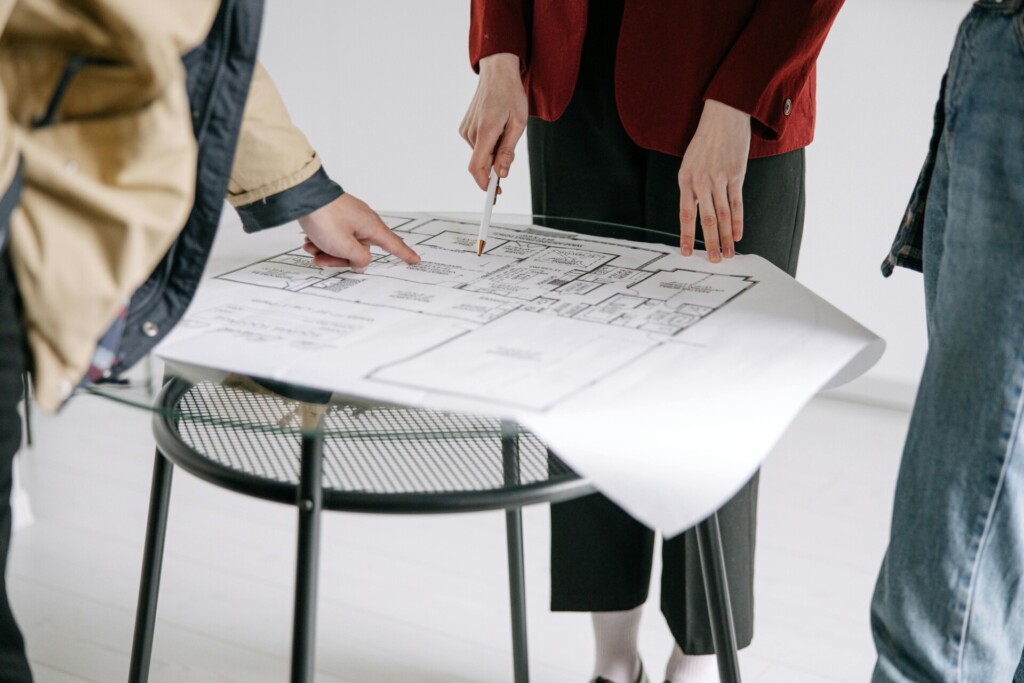
Building selection drives every construction decision we make. The type determines materials, methods, and systems from foundation to roof. Each category brings distinct requirements that shape how we approach design and execution.
Commercial Building Approaches
Commercial buildings demand durability and open plan spaces for maximum flexibility. We typically specify steel frames for their strength-to-weight ratio and ability to span large distances without intermediate columns. Glass curtain walls and concrete floor systems complement these structures.
Steel construction allows for rapid assembly while maintaining structural integrity. Concrete provides fire resistance and thermal mass. Glass facades optimize natural light while meeting energy codes. These materials work together to create spaces that adapt to changing business needs over decades of use.
Residential Construction Methods
Residential work centers on comfort, efficiency, and cost control. Type 3 construction combines masonry exterior walls with wood framing systems. This approach balances fire resistance with construction speed and flexibility.
Wood frames allow for easy modification during construction and future renovations. Masonry walls provide exterior cladding that withstands weather and improves energy performance. The combination creates durable homes while keeping costs manageable for developers and buyers.
Institutional Building Requirements
Schools, healthcare facilities, and government buildings prioritize safety and longevity. We use reinforced masonry walls and non-combustible assemblies throughout these structures. Fire safety drives material selection more than in other building types.
Concrete masonry units provide structural strength and fire resistance. Steel reinforcement adds tensile capacity for seismic and wind loads. Non-combustible interior systems reduce fire spread risks in buildings with high occupant loads and complex egress requirements.
Advanced Construction Methods
Modern methods focus on speed, quality, and waste reduction. Modular construction moves much of the work to controlled factory environments. We can achieve better quality control while reducing site congestion and weather delays.
Precast concrete panels arrive ready for installation, cutting schedule compression by weeks. Hybrid concrete systems combine cast-in-place and precast elements for optimal performance. Twin-wall systems integrate structure and insulation in single components.
Timber frames using mass timber products offer renewable alternatives to steel and concrete. Cross-laminated timber panels can span distances previously requiring steel beams. These systems store carbon while providing excellent structural performance.
Insulating Concrete Forms create high-performance building envelopes with superior thermal performance. The forms stay in place after concrete placement, providing continuous insulation. This reduces thermal bridging and creates more stable interior temperatures.
Thin joint masonry systems use precision-manufactured units with minimal mortar beds. This speeds installation while maintaining structural capacity. Flat slab concrete systems eliminate beams for faster forming and more flexible floor plans.
3D printing shows promise for reducing material waste and improving construction accuracy. The technology works best for complex geometries that would be difficult with traditional methods. While still emerging, it offers potential for both structural and architectural elements.
How Do Codes And Fire Resistance Guide Construction Practices?
Building codes form the backbone of safe construction, establishing minimum requirements for structural integrity, fire safety, energy efficiency, and material selection. We rely on these standards to ensure every project meets essential safety benchmarks while balancing performance with cost considerations.
Regional Code Requirements Shape Project Planning
Code requirements vary significantly by region and building type, making early verification critical for project success. The International Building Code provides the foundation, but local amendments often add specific requirements based on regional conditions. We confirm local rules during project initiation to avoid costly redesigns later.
Building type determines many code requirements. Commercial structures face stricter standards than residential projects due to higher occupancy loads and evacuation challenges. Institutional buildings like hospitals require the most stringent fire protection because occupants may have limited mobility during emergencies.
Fire Protection Systems Create Life Safety Networks
Fire protection extends beyond materials to include active systems that detect, suppress, and contain fires. Sprinkler systems provide automatic fire suppression, while alarm systems ensure rapid occupant notification. These life safety systems work together with passive fire protection to create comprehensive building protection.
Sprinklers can increase allowable building areas and heights for certain construction types. This trade-off recognizes that active fire protection compensates for limitations in passive protection. We integrate these systems early in design to maximize their effectiveness and minimize installation costs.
Fire Resistance Ratings Define Structural Performance
Fire resistance ratings measure how long building elements can withstand fire exposure while maintaining structural integrity. These ratings, expressed in hours, determine material selection and construction methods. A two-hour rating means the element can resist fire for at least two hours before failing.
Fire-resistant coatings protect steel and wood framing from heat damage. Steel loses strength rapidly at high temperatures, making protective coatings essential for maintaining structural capacity. Wood elements benefit from treatments that slow combustion and reduce flame spread.
Horizontal void spaces require special attention because they can channel fire and smoke throughout buildings. We fill these spaces with non-combustible materials like mineral wool or use fire-stopping systems to prevent rapid fire spread. Proper sealing of penetrations maintains compartmentalization.
Construction Types Balance Fire Resistance With Economics
Type I construction offers the highest fire resistance, using non-combustible materials throughout the structure. Hospitals, high-rise office buildings, and large facilities commonly use this approach because occupant safety demands maximum protection. All structural elements receive significant fire resistance ratings, typically one to four hours.
Type V construction allows combustible materials and provides minimal fire resistance. Single-family homes and small commercial buildings often use this economical approach. Fire protection relies more on building design features, proper spacing, and active suppression systems rather than material resistance.
Type A assemblies receive protective treatments that increase fire resistance ratings. Steel receives fire-resistant coatings, and wood elements get flame-retardant treatments. Type B assemblies remain unprotected, offering lower fire resistance but reduced construction costs. We select between these approaches based on occupancy requirements and project budgets.
Which Sustainable Construction Practices Deliver The Biggest Gains?
We start with sustainable design principles that set the foundation for every project. Right-sizing programs eliminates wasted space and excess materials. Site-responsive design works with natural features rather than against them. This approach cuts costs from the beginning while reducing environmental impact.
Certified materials provide verification for responsible sourcing. FSC-certified wood confirms sustainable forestry practices, while recycled steel reduces demand for new production. We source renewable biomaterials when specifications allow and avoid hazardous products throughout the supply chain.
Waste reduction strategies include reuse and recycling programs that divert materials from landfills. We salvage existing materials during demolition and repurpose them where structurally appropriate. This circular economy approach minimizes disposal costs while supporting sustainability goals.
Energy Performance And Envelope Design
Energy efficiency delivers measurable returns through reduced operational costs. Strong insulation packages minimize thermal bridging and maintain consistent interior temperatures. High-performance windows and doors reduce heating and cooling loads year-round.
ICF walls create superior thermal performance compared to traditional framing methods. These insulating concrete forms provide structural strength while eliminating many thermal bridges. Interior temperatures remain more stable, reducing HVAC demands and improving occupant comfort.
Passive solar design positions buildings to capture winter sun and block summer heat. Strategic window placement and overhangs optimize natural light while managing solar gain. This location-aware design reduces lighting and climate control energy consumption without mechanical systems.
Advanced Construction Methods
Prefabrication and modular construction reduce waste generation and construction timelines. Components built in controlled factory environments maintain quality standards while minimizing on-site material waste. Weather delays decrease when major assemblies arrive ready for installation.
Mass timber construction offers structural strength with lower embodied carbon than concrete or steel. Engineered wood products like cross-laminated timber create fire-resistant assemblies while supporting renewable forestry. These materials sequester carbon throughout the building’s lifespan when sourced sustainably.
Smart building controls optimize energy use through automated lighting and HVAC management. Sensors adjust systems based on occupancy and environmental conditions. These technologies reduce operational costs while maintaining comfort levels throughout occupied spaces.
Water Management And Indoor Environment
Water conservation begins with low-flow fixtures that reduce consumption without affecting performance. Leak detection systems prevent waste and property damage. Rainwater harvesting captures stormwater for irrigation and non-potable uses, reducing municipal water demands.
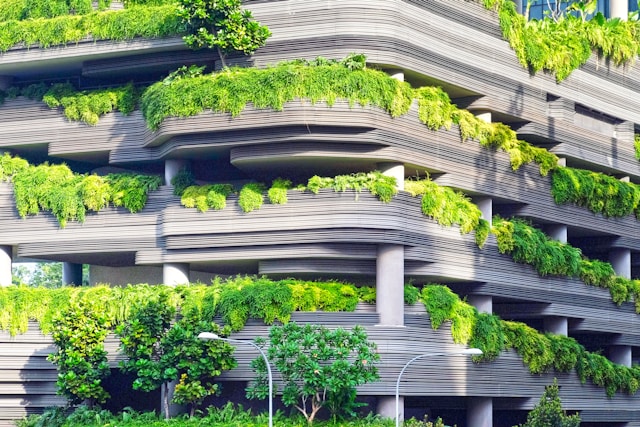
Green roofs and living walls manage stormwater runoff while improving air quality around buildings. These systems reduce urban heat island effects and provide natural insulation. Maintenance requirements remain manageable with proper plant selection and irrigation design.
Indoor air quality improvements include strategic ventilation design and low-VOC products throughout finishes and furnishings. Fresh air circulation maintains healthy environments while energy recovery systems capture heat from exhaust air. These measures support occupant health and productivity over the building’s lifetime.
Net-zero buildings combine efficiency measures with renewable energy systems. Solar panels and geothermal systems offset operational energy consumption. LEED certification frameworks provide structured approaches for implementing these practices while adding market value to completed projects. According to the construction industry analysis, sustainable materials and methods can reduce project costs when integrated from the design phase forward.
Conclusion And Next Steps
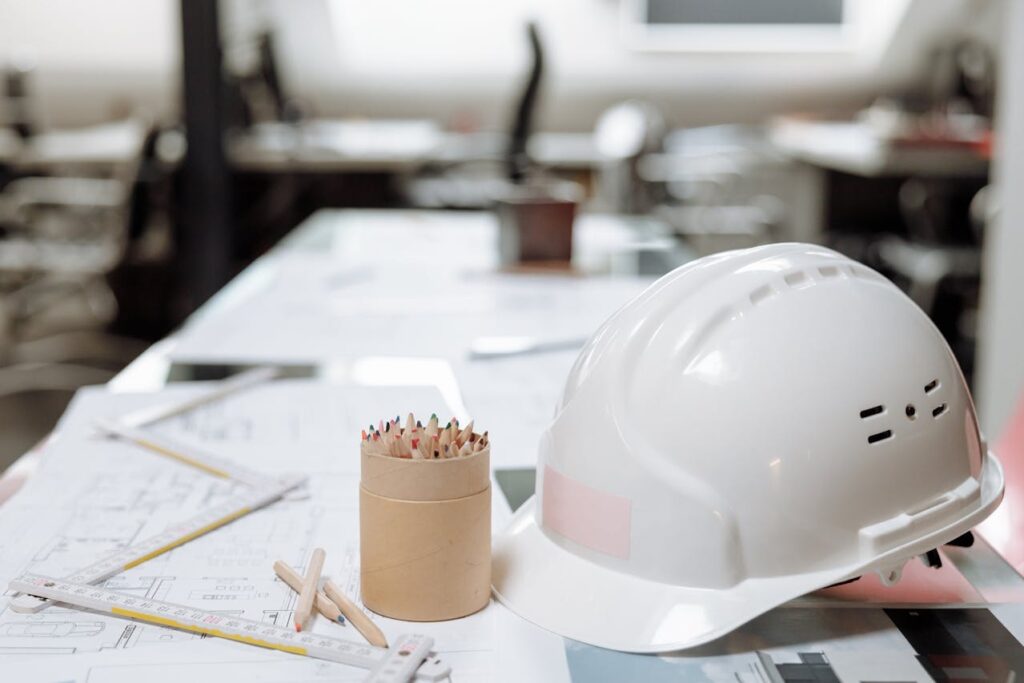
Successful construction practices require coordinating building type, construction methods, code compliance, safety protocols, and sustainability goals from project inception. We approach each project by first establishing clear performance targets and confirming regulatory requirements that will shape our construction strategy.
Early planning drives efficiency and quality outcomes. We verify local building codes and fire-resistance specifications during design development to avoid costly revisions later. Our teams evaluate construction methods based on project needs, considering modular systems for schedule acceleration, precast for structural consistency, ICF assemblies for thermal performance, or mass timber for sustainable strength. Each method offers distinct advantages when matched to specific project requirements and site conditions.
Sustainability integration happens at every decision point. We establish LEED or equivalent certification targets early, then source FSC-certified materials and other verified sustainable products. Our approach includes comprehensive planning for energy efficiency, water conservation, and indoor air quality from the earliest design phases. We prioritize material reuse and recycling strategies to minimize waste streams and support circular economy principles. These practices help us deliver buildings that perform reliably over their full service life while reducing environmental impact.
Ready to implement effective construction practices on your next project? Contact EB3 Construction to discuss how we can help you achieve your building performance and sustainability goals.