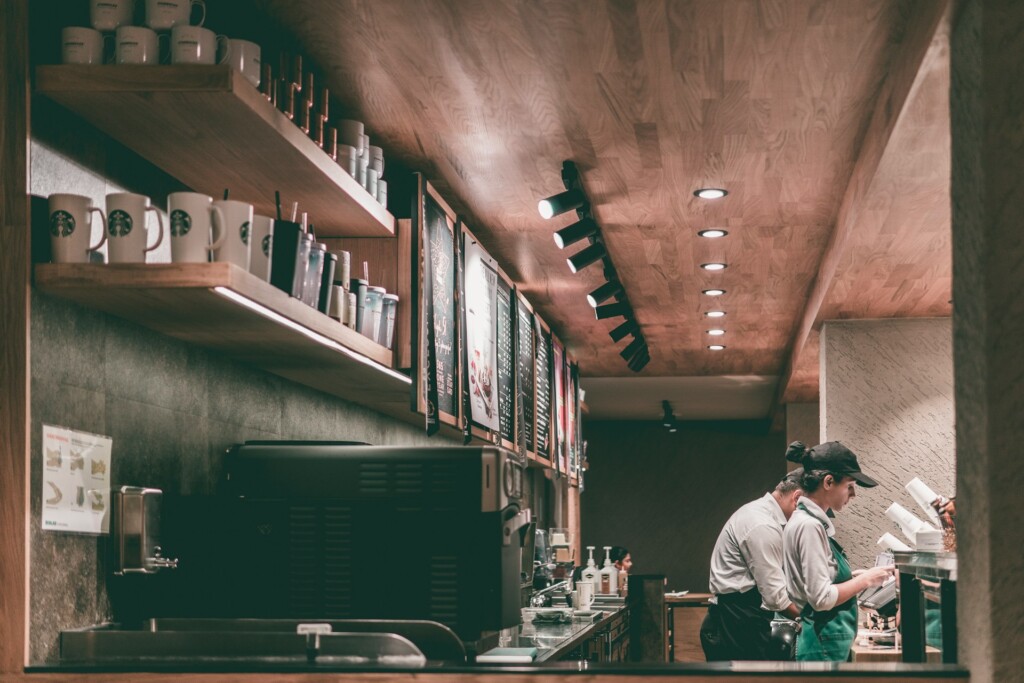
Pizza Hut recently opened its most innovative restaurant design in Plano, featuring self-service kiosks, pickup cabinets, and the brand’s first drive-thru menu in the U.S. This pilot shows what Franchise Prototype Adaptation and Buildouts in Texas can achieve. We transform standard franchise designs into formats that thrive in Texas markets.
Prototype adaptation tests and refines brand concepts through real-world pilots that reveal what works under actual operating conditions. The process balances consistent brand standards with site-specific changes that address local market demand, regulatory requirements, and operational realities across Texas.
What Texas-Specific Factors Shape Prototype Adaptation?
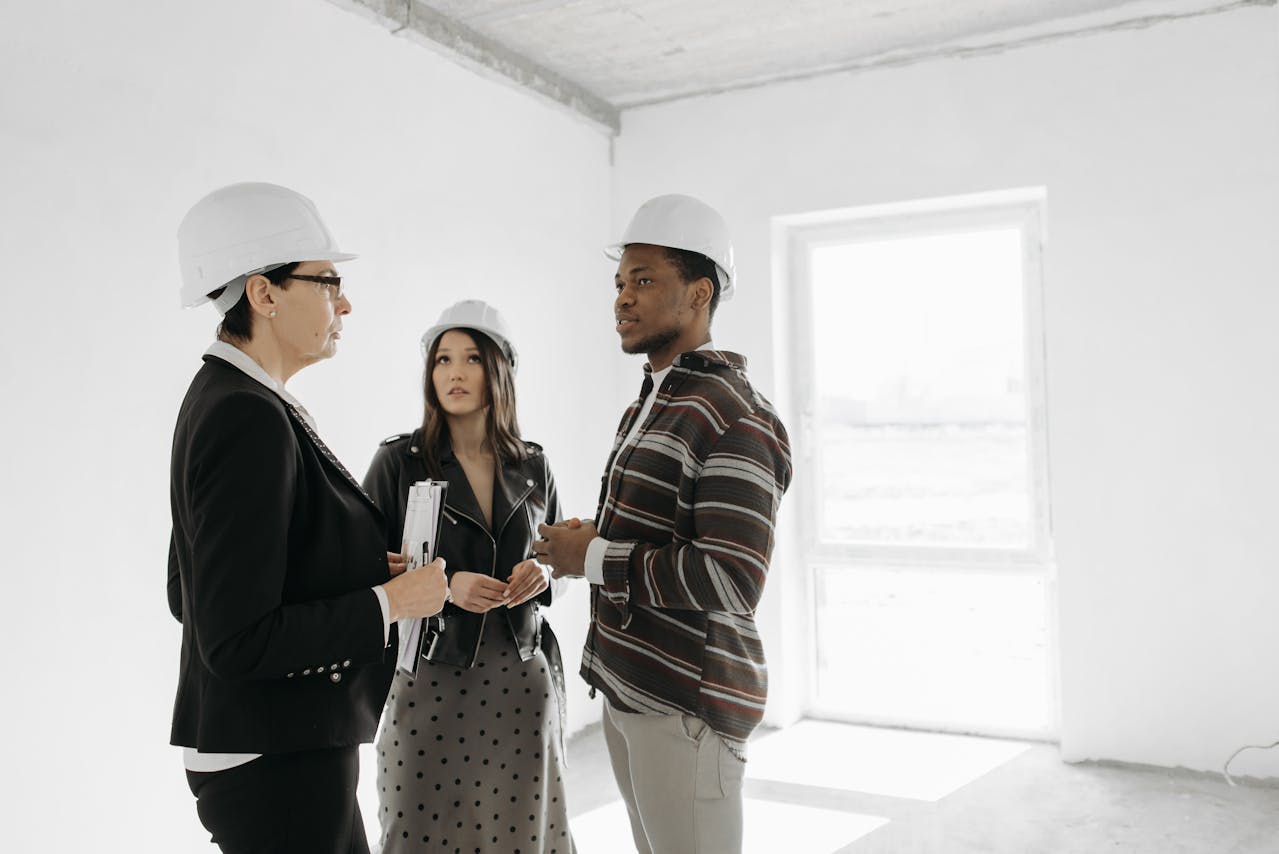
Construction teams working on franchise buildouts across Texas face distinct regional challenges that demand careful attention to local conditions. Texas permitting processes vary between Dallas–Fort Worth, Houston, Austin, and smaller municipalities, each with specific code requirements and approval timelines. Weather adds complexity, with the risk of hail damage often requiring impact-resistant roofing and extreme heat influencing HVAC sizing and equipment placement.
North Texas soils present challenging conditions for foundation stability. The region’s expansive clay soils can exert lateral pressure ranging from 60–100 PSF and cause differential movement that affects structural integrity. We coordinate with geotechnical engineers to design drilled pier foundations extending 8 to 15 feet below the active zone, helping structures remain stable through seasonal soil movement cycles. Proper drainage and consistent moisture management around building perimeters are critical parts of the construction process.
Maintaining Brand Standards Across Variable Conditions
Even with local adaptation requirements, brand standards for signage, lighting, and interior finishes must remain consistent across all locations. Franchisors expect uniform brand presentation whether a location sits on stable West Texas soils or expansive clays near Dallas. We work with brands to establish finish specifications that meet corporate standards while accommodating regional building practices and material availability.
Digital displays and menu boards need special consideration in Texas heat, where ambient temperatures can exceed 100°F for extended periods. Equipment selections focus on models with enhanced cooling and protective housings to maintain reliability. Interior lighting designs account for intense sunlight, using window films and strategic placement to reduce glare while preserving brand visibility requirements.
Using Prefabrication for Efficiency and Quality
Prefabrication of modular components helps maintain schedule consistency across multiple Texas locations while controlling quality. Wall panels fabricated in controlled environments reduce weather delays and ensure precise installation regardless of site conditions. Kitchen counters, service lines, and equipment platforms arrive as plug-and-play systems that streamline trade coordination and reduce field labor.
Modular HVAC components enable standardized system designs that adapt to varying building orientations and local climate zones. Pre-engineered roof-mounted units arrive with predetermined electrical connections and controls, reducing installation time and potential field errors. These systems are especially valuable when managing multiple simultaneous buildouts across the state, where crew availability and local contractor capabilities can vary widely between markets.
How To Streamline Multi-Location Rollouts?
We coordinate specialty trades through centralized project management to maintain consistency across multiple sites. Our unified approach eliminates confusion when different contractors interpret brand standards across locations. Clear scopes and shared schedules prevent communication gaps that typically delay rollouts when teams lack coordination.
Our project management teams establish communication workflows that keep all stakeholders aligned throughout construction. Regular progress reporting and milestone tracking surface issues early, before they cascade across multiple sites. This systematic oversight reduces missteps that can derail schedules and increase costs.
Bulk Purchasing and Cost Control
Bulk material purchasing leverages volume across multiple locations to deliver significant cost savings. We negotiate supplier contracts that provide consistent pricing and quality standards whether we build in Arlington or Frisco. This approach also ensures material availability as projects move into construction simultaneously.
Centralized procurement streamlines ordering and reduces administrative overhead. Our teams coordinate delivery schedules to prevent site congestion while maintaining just-in-time material flows. Quality control is easier when the same materials and suppliers serve all locations in a rollout program.
Energy Systems and Operational Efficiency
Energy-efficient HVAC systems and LED lighting reduce long-term operational costs across the portfolio. We specify equipment that meets local climate requirements while maintaining consistent performance standards. Smart building controls allow remote monitoring and optimization across multiple sites.
Sustainable building practices often qualify for utility rebates and tax incentives, improving project economics. We integrate these systems during construction rather than retrofitting later, which reduces installation costs and ensures optimal performance from opening day.
Dedicated Teams and Scalable Processes
Dedicated construction crews develop expertise with specific brand requirements through repeated exposure across multiple sites. These teams understand the nuances of each prototype design and can execute consistently without extensive retraining. Repeatable processes shorten the learning curve that often slows early sites in a rollout.
Our scalable approach supports rapid expansion across North Texas markets while maintaining quality standards. We establish regional supplier and trade relationships that support multiple concurrent projects. This infrastructure enables fast scaling without compromising construction quality or schedule reliability.
Future expansion planning considers site infrastructure capacity for technology upgrades and operational changes. We design electrical systems and data infrastructure to accommodate evolving needs without major renovations. This forward-thinking approach keeps each location ready for brand evolution and market changes.
What End-To-End Services Support Franchise Buildouts In Texas?
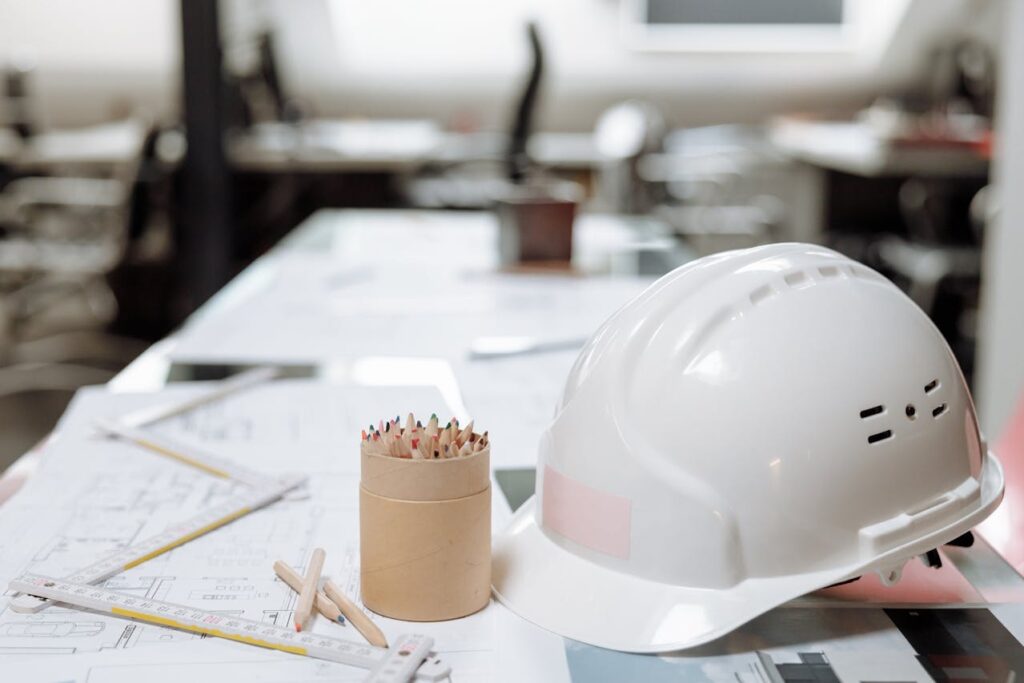
We apply a single-source development approach that consolidates oversight under one roof. This reduces coordination gaps among multiple contractors and controls costs through streamlined communication and shared accountability.
Strategic concepting begins by evaluating brand requirements against site constraints. We test prototype elements early to identify potential issues before construction begins. This front-end analysis prevents costly redesigns during active construction.
Architecture and MEP Coordination
Our architecture teams handle interior layouts that maximize operational flow while meeting brand standards. Shell design work addresses structural requirements and weather considerations specific to Texas. Site adaptation ensures each location functions within local zoning and accessibility requirements.
MEP coordination integrates mechanical, electrical, and plumbing systems from the design phase forward. We size HVAC systems for Texas heat loads and plan electrical capacity for drive-thru equipment and digital menu boards. Early coordination prevents field conflicts that delay openings.
Program Management and Due Diligence
Program management tracks budgets across multiple locations while maintaining consistent timelines and quality metrics. We establish project schedules that account for local permitting variations and material delivery windows. Regular reporting keeps stakeholders informed about progress and potential issues.
Property development due diligence clears entitlement issues before construction starts. We review zoning compliance, utility availability, and environmental concerns that could impact project feasibility. This process identifies permit requirements and timelines specific to each Texas municipality.
Construction Management and Procurement
Project and construction management coordinate bidding processes to secure qualified specialty trades. We monitor work quality and schedule adherence while managing change orders and cost controls. Regular site inspections ensure work meets brand standards and code requirements.
FF&E procurement handles furniture, fixtures, and equipment sourcing through established vendor relationships. We coordinate delivery schedules with construction milestones to prevent delays. Installation and startup services ensure equipment operates correctly before turnover to franchise operators.
Value-Based Design principles guide our approach, maximizing function while controlling costs. We focus resources on elements that directly impact customer experience and operational efficiency. This strategy delivers consistent brand presentation without unnecessary expense.
Conclusion and Next Steps
Successful Texas franchise buildouts require three essential components: tested designs validated through real-world pilots, deep local expertise to navigate regional challenges, and systematic project controls to maintain consistency across multiple sites. The data gathered from prototype locations shapes technology integration, layout efficiency, and operational flow in ways paper-based planning cannot match. This iterative approach transforms theoretical concepts into proven formats ready for rapid deployment across Texas markets.
Local permitting processes, expansive clay soils, and extreme weather conditions demand construction teams that understand these regional realities. Prefabrication offers a way to accelerate construction schedules while maintaining brand standards. We coordinate specialty trades, manage end-to-end development services, and implement program management systems that align stakeholders to shared timelines and quality benchmarks. The goal remains the same: delivering operational efficiency through construction processes that respect both brand identity and local conditions. Connect with EB3 Construction to align your franchise expansion plans with proven Texas construction expertise.