
Walk into a manufacturing facility on day one and flip the switch. That level of operational readiness defines the turnkey construction delivery method, where one company handles every aspect of your project from initial design through final commissioning.
The turnkey construction delivery method places a single contractor in charge of design and permitting, construction management, and commissioning activities. We deliver facilities ready for immediate operation, creating one point of accountability instead of coordinating multiple vendors across industrial projects, commercial projects, manufacturing plants, logistics centers, warehousing operations, energy facilities, cleanrooms, and laboratories.
Which Phases And Components Are Included In Turnkey Delivery?
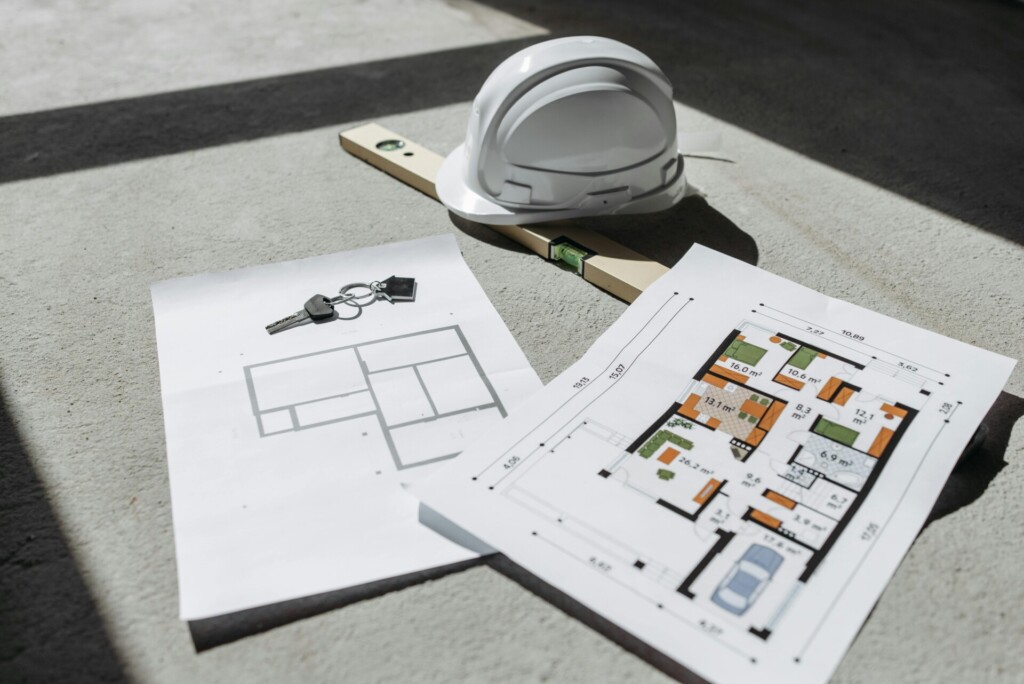
We structure comprehensive turnkey delivery around six interconnected phases that span from initial concept through operational handover. Each phase builds upon the previous one, creating a cohesive construction process that minimizes gaps and ensures project continuity. Understanding these components helps property owners and developers evaluate how turnkey aligns with their project goals and timeline requirements.
Project Planning And Budgeting
Early scope definition forms the foundation of successful turnkey delivery. We conduct detailed feasibility studies to assess site conditions, regulatory requirements, and operational objectives before construction begins. This upfront planning prevents scope creep by establishing clear boundaries and deliverables from the start.
Cost estimates during this phase include materials, labor, equipment, and contingencies based on current market conditions. We develop budget frameworks that account for potential variables while maintaining price certainty for the property owner. Thorough planning at this stage reduces the likelihood of unexpected costs during construction execution.
Architectural Design And Engineering
Technical design development translates project requirements into buildable plans and specifications. We create site plans that optimize land use, structural layouts that meet operational demands, and technical schematics that integrate all building systems effectively. This phase requires close coordination between architectural and engineering disciplines to ensure constructability.
Design validation occurs through multiple review cycles with the property owner to confirm alignment with operational goals. We address code compliance, accessibility requirements, and future maintenance needs during the design process. Engineering calculations and specifications provide the technical foundation for procurement and construction activities.
Permitting And Regulatory Compliance
Municipal and state approvals require systematic coordination with multiple regulatory agencies. We manage the entire permitting process, including building permits, environmental reviews, utility connections, and specialized approvals for industrial or commercial operations. This phase often runs parallel to design development to minimize project timelines.
Code compliance verification ensures the project meets all applicable building codes, fire safety requirements, and accessibility standards. We coordinate with local authorities throughout the approval process to address questions and expedite permit issuance. Environmental reviews may include impact assessments, stormwater management plans, and waste disposal protocols depending on project type.
Procurement And Construction Management
Material sourcing and supplier coordination begin once designs are finalized and permits are secured. We oversee the procurement of all construction materials, equipment, and subcontractor services according to project specifications and delivery schedules. Long-lead items receive priority attention to prevent construction delays.
Construction management coordinates labor resources, material deliveries, and equipment mobilization throughout the build process. We maintain quality control standards across all trades and subcontractors while monitoring progress against established milestones. Regular site inspections and progress reporting keep the project on schedule and within budget parameters.
Construction, Installation, And Commissioning
Physical construction execution follows approved plans and specifications under continuous quality oversight. We coordinate all building trades, utility installations, and system integrations to ensure proper sequencing and minimal rework. Quality checks occur at critical milestones to verify compliance with design requirements.
System commissioning validates that all mechanical, electrical, and operational systems function according to design specifications. We conduct performance testing for HVAC systems, electrical circuits, plumbing connections, and specialized equipment before final handover. This testing phase identifies and resolves any deficiencies before the facility becomes operational.
Final Handover
Operations documentation provides comprehensive information for facility management and maintenance. We deliver detailed operations manuals, maintenance schedules, warranty information, and as-built drawings that reflect any field changes during construction. Training sessions for facility staff ensure smooth transition to operational status.
The completed facility undergoes final inspections and performance validation before keys are transferred to the property owner. We coordinate final utility connections, occupancy permits, and system certifications required for immediate operation. Warranty coverage begins upon handover, providing protection for materials and workmanship according to contract terms.
What Are The Advantages And Disadvantages Of Turnkey Delivery?
Turnkey delivery creates distinct advantages and notable limitations that developers and property owners must evaluate. We organize these considerations into two clear categories to help you assess whether this approach aligns with your project objectives and risk tolerance.
Financial And Operational Benefits
Price certainty stands as the most significant advantage of turnkey delivery. Fixed-price contracts eliminate cost overruns from material volatility, labor shortages, or unforeseen conditions. This budget predictability supports accurate ROI calculations and enables more confident investment decisions.
Fewer change orders result from the integrated design-build approach. When the same team handles both design development and construction execution, inconsistencies between drawings and field conditions drop substantially. We coordinate engineering decisions with construction realities from the start, reducing rework and avoiding the costly modifications that plague split delivery methods.
Condensed timelines emerge through overlapping project phases. While traditional methods sequence design completion before construction begins, we initiate procurement and early sitework activities during final design development. This parallel processing can compress total project schedules by 15-30 percent compared to design-bid-build approaches.
Single point of accountability streamlines project communication and eliminates finger-pointing between separate design and construction teams. Property owners deal with one contracting entity throughout the entire process, reducing administrative burden and creating clear responsibility for schedule, cost, and performance outcomes.
Risk Transfer And Management Advantages
Risk transfer places schedule, cost, and performance accountability squarely on the contractor. We assume responsibility for design errors, construction defects, and coordination issues that would otherwise fall to the owner. This comprehensive risk allocation provides protection from cost escalation and schedule delays.
Reduced owner management load allows property owners to focus on their core business activities rather than daily construction oversight. With fewer contracts to supervise and consistent quality standards across all project teams, owners can maintain strategic focus while we handle tactical execution.
Flexibility And Control Limitations
Strong scope definition becomes critical because late changes create significant cost and schedule impacts. Unlike traditional delivery where design modifications occur before construction bidding, turnkey changes affect work already in progress. We require comprehensive upfront planning to avoid expensive mid-project adjustments.
Limited flexibility and control during execution reflect the reduced owner involvement inherent in turnkey delivery. Property owners have less direct oversight of daily decisions and must rely on our project management approach. This hands-off structure works well for owners seeking minimal involvement but may frustrate those preferring active participation.
Dependence on contractor performance creates concentrated risk in the selected provider. Delivery quality, schedule adherence, and cost control depend entirely on our capabilities and resources. Poor contractor selection can compromise the entire project, making thorough vetting essential during the procurement process.
Economic And Market Considerations
Potentially higher initial pricing occurs because we incorporate risk premiums into our proposals. Fixed-price contracts must account for potential cost escalation, unforeseen conditions, and scope uncertainties. While this increases upfront investment, it provides cost certainty that many owners value above lowest initial price.
Limited competition and transparency concerns arise from the single-provider model. Traditional competitive bidding on detailed designs creates price transparency that turnkey proposals may lack. Owners must evaluate proposals based on conceptual scope and trust in the contractor’s approach rather than detailed quantity takeoffs and unit prices.
How Does Turnkey Compare To Other Delivery Methods?

Turnkey delivery stands apart from other construction methods primarily through its single point of responsibility and operational handover approach. When we evaluate turnkey against traditional and alternative delivery systems, the differences become clear in terms of owner involvement, risk allocation, and project control structures.
Turnkey Versus Design-Bid-Build
Design-Bid-Build divides responsibilities across separate design and construction phases, creating natural breakpoints where issues can emerge. We see change orders multiply when design teams lack construction input during planning, and construction teams discover design inconsistencies only after work begins. Turnkey eliminates this gap by consolidating all phases under one entity.
Schedule slippage represents another critical difference. DBB requires sequential completion of design, bidding, and construction phases, extending overall timelines. Turnkey enables overlapping phases where procurement can begin while final design details are being resolved, compressing project schedules significantly.
Turnkey Versus EPC Delivery
Both turnkey and EPC centralize engineering, procurement, and construction responsibilities, but they differ substantially in client engagement levels. EPC contracts typically allow greater owner input during design development and supplier selection processes. Owners maintain more decision-making authority and can influence technical specifications throughout project execution.
Turnkey reduces owner involvement by design. The contractor receives performance requirements and delivers a functioning facility with minimal client participation in day-to-day decisions. This reduced client involvement distinguishes turnkey from EPC, where owners often maintain active oversight roles during construction phases.
Turnkey Within The Broader Delivery Landscape
Across the full spectrum of delivery methods including Design-Build, Integrated Project Delivery, Public-Private Partnerships, Construction Manager at Risk, Job Order Contracting, and multi-prime arrangements, turnkey maintains a unique position. While other methods may consolidate some project elements, turnkey specifically targets operational readiness at handover.
Design-Build integrates design and construction but typically concludes with facility completion rather than operational readiness. CMAR provides cost control through guaranteed maximum pricing but maintains separate design contracts. IPD emphasizes collaboration among multiple parties rather than single-source accountability. Turnkey cuts through these complexities by placing all responsibility with one provider who delivers a ready-to-operate facility.
Financing And Transfer Variants
Turnkey delivery extends beyond basic construction through various financing and transfer models. Finance-Design-Build-Transfer arrangements combine turnkey construction with project financing, where contractors provide capital during development and transfer ownership upon completion. Design-Build-Finance-Operate-Transfer models add operational responsibilities, requiring contractors to manage facilities for defined periods before ownership transfer.
Build-Own-Operate-Transfer variations involve temporary contractor ownership during operational phases. These financing variants shift risk allocation significantly, as contractors assume greater financial exposure while owners benefit from reduced capital requirements during construction and initial operational periods.
What Contract Elements Help Manage Risk In Turnkey Projects?
Risk management forms the backbone of successful turnkey project execution, and we structure our contracts with specific elements designed to address uncertainties before they impact timelines or budgets. The scope of work stands as arguably the most critical component of any turnkey contract. We establish detailed deliverables that specify exactly what will be built, the standards that must be met, and the end objectives required for operational handover. This clarity prevents disputes over project expectations and ensures all parties understand the precise outcomes required.
Performance criteria and guarantees provide concrete metrics that the completed facility must achieve before project acceptance. We define operational outputs, efficiency levels, and comprehensive testing protocols that validate system functionality. These guarantees shift performance risk to the contractor while giving owners measurable standards for facility acceptance.
Payment terms in our turnkey contracts typically follow milestone-based schedules tied to specific project achievements. Fixed-price structures provide budget certainty for owners while establishing clear compensation frameworks for contractors. This approach reduces financial unknowns and supports accurate ROI calculations throughout the project lifecycle.
Risk allocation clauses explicitly define which party bears responsibility for material volatility, labor issues, regulatory changes, and site conditions. We establish clear ownership of various project risks, reducing the potential for disputes when unforeseen circumstances arise. This includes detailed provisions for change management procedures when project modifications become necessary.
Project timeline and completion requirements establish milestone schedules that map critical path activities to specific dates. The handover date becomes a contractual commitment, often backed by penalties for delays and incentives for early completion. These time performance clauses create accountability for schedule adherence while providing recourse for timeline deviations.
Design responsibilities must be clearly defined to establish technical and operational requirements along with approval processes. We specify which party handles engineering decisions, regulatory submissions, and design modifications. This prevents confusion during the design phase and establishes clear lines of authority for technical decisions.
Construction site provisions address practical considerations including site access, permitting coordination, logistics management, and local authority interactions. These clauses ensure the contractor has the necessary approvals and physical access to complete the work while addressing potential conflicts with existing operations or neighboring properties.
Price and payment frameworks establish the total cost structure along with approved procedures for handling changes and financial controls. We include provisions for cost adjustments due to approved scope changes while maintaining overall budget discipline. These financial controls protect both parties by establishing clear protocols for cost management and payment processing.
Conclusion And Next Steps

The turnkey construction delivery method provides clear advantages when your project demands single-point accountability and operational readiness. We’ve seen how this approach delivers fixed-price certainty, compressed schedules through overlapping phases, and reduced owner oversight requirements. The model works particularly well for complex industrial facilities where integrated design and construction create better coordination than traditional split approaches.
Success hinges on thorough upfront planning. Before moving forward, confirm your performance targets and operational requirements in specific, measurable terms. Finalize your scope boundaries and establish realistic budget parameters that account for any late-stage adjustments. Select a contractor with demonstrated experience in similar facilities and proven commissioning capabilities. Most critically, negotiate contract terms that address performance testing protocols, risk allocation for site conditions and regulatory changes, and milestone schedule requirements with clear handover criteria.
Ready to explore how turnkey delivery can streamline your next project? Connect with EB3 Construction to discuss your specific requirements and timeline.