Construction delays cost owners revenue and disrupt operations. A general contractor for tight construction schedules solves this by delivering projects on accelerated timelines through systematic planning and coordination.
We use fast-track delivery methods that overlap design and construction phases to compress project duration. Our team creates master schedules with clear task assignments, manages look-ahead schedules, and coordinates overlapping trades to maintain momentum while ensuring safety and quality standards.
How Does Fast-Track Delivery Compress Time Without Cutting Corners?

Fast-track construction overlaps design and construction phases to shorten overall project timelines. We release design packages in stages while starting construction on completed scopes. This method allows teams to begin foundation work once the building footprint, height, and site requirements are established, even while interior design continues.
The staged design releases create flexibility that traditional sequential methods cannot match. When design teams work slightly ahead of construction crews, changes become easier to implement without major disruptions. We can adjust interior layouts while exterior walls progress, or modify mechanical systems during structural work without stopping the entire project.
This overlapping approach delivers measurable time savings. According to the Surety Bond Professionals, fast-track methods can reduce construction timelines by 25% to 40% compared to traditional approaches. The key lies in careful coordination between design and construction teams working simultaneously rather than sequentially.
Early material procurement becomes possible when we establish core building parameters first. Long-lead items like structural steel, elevators, or specialized mechanical equipment can be ordered before complete drawings are finished. This locks in pricing and prevents delays that often plague conventional schedules.
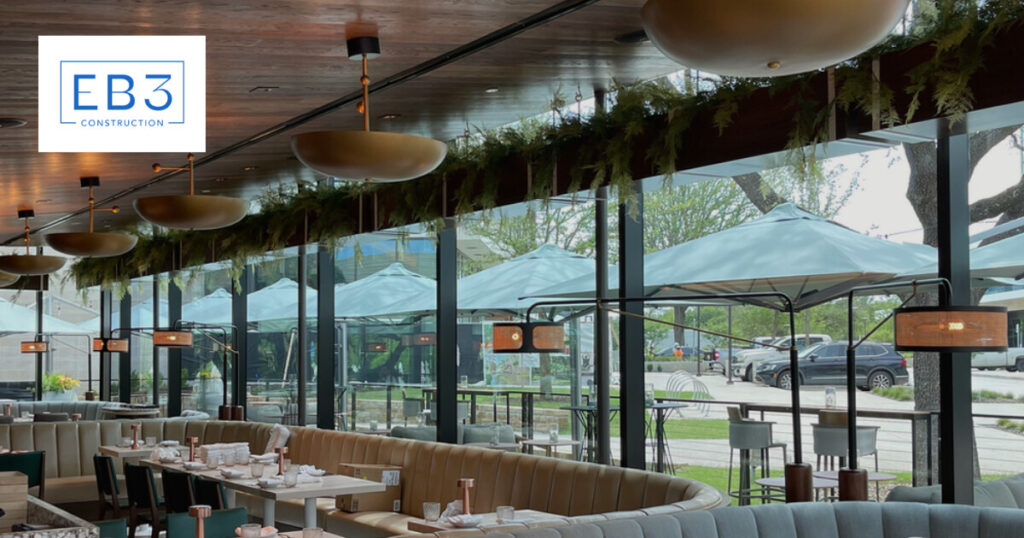
For live facilities, we coordinate work to minimize operational disruption. Teams can work after hours or in phased sections, allowing businesses to continue normal operations. Guest rooms return to inventory faster in hotels. Retail spaces reopen sooner. Restaurant renovations complete with minimal revenue loss.
The financial benefits extend beyond time savings. Shorter construction loans reduce debt service costs. Earlier occupancy means faster return on investment. Material cost increases have less impact when procurement happens sooner in the schedule.
Phased construction also improves collaboration across disciplines. Architects, engineers, and trade contractors work together from project start rather than in isolated sequences. Problems get identified and resolved faster when all parties communicate regularly throughout overlapping phases.
Which Scheduling Methods And Tools Keep Crews On Track?
Construction schedules rely on proven methodologies paired with integrated software platforms. The Critical Path Method identifies sequences that directly influence project completion dates. When we map these critical paths, we can see exactly which tasks drive the end timeline and where delays create the biggest impact.
The Last Planner System strengthens short-term reliability through collaborative planning sessions. This approach focuses on what crews can realistically accomplish rather than what they should theoretically complete. Weekly commitment planning sessions help identify constraints before they become problems.
Program Evaluation and Review Technique proves valuable when activity durations carry uncertainty. PERT uses optimistic, pessimistic, and most likely scenarios to calculate weighted averages. This method works well during early project phases when precise timing remains unclear.
Line of Balance scheduling supports projects with repetitive elements like multifamily housing or linear infrastructure. We track production rates across similar work packages to maintain consistent crew flow and identify bottlenecks before they disrupt downstream activities.
Gantt charts provide visual clarity for task relationships and dependencies. These timeline displays show start dates, finish dates, and logical connections between activities. Color coding and progress bars help field teams understand current status and upcoming priorities at a glance.
Look-ahead planning bridges master schedules with daily operations. Two to six week forecasts prepare crews for material deliveries, equipment needs, and trade coordination. We update these rolling schedules based on actual progress and changing site conditions.
Integrated platforms connect estimating, budgeting, and scheduling data streams. Resource leveling algorithms balance workloads across available crews. Job tracking systems monitor labor hours against planned durations. Real-time dashboards display key performance indicators and flag potential issues.
Change order management tools process scope modifications without disrupting established workflows. Risk buffers account for weather delays, permit approvals, and material lead times. These systems work equally well on cloud-based or on-premise installations when they centralize project calendars, task assignments, and progress reporting across all stakeholders.
What Subcontractor Coordination Prevents Overlaps And Delays?

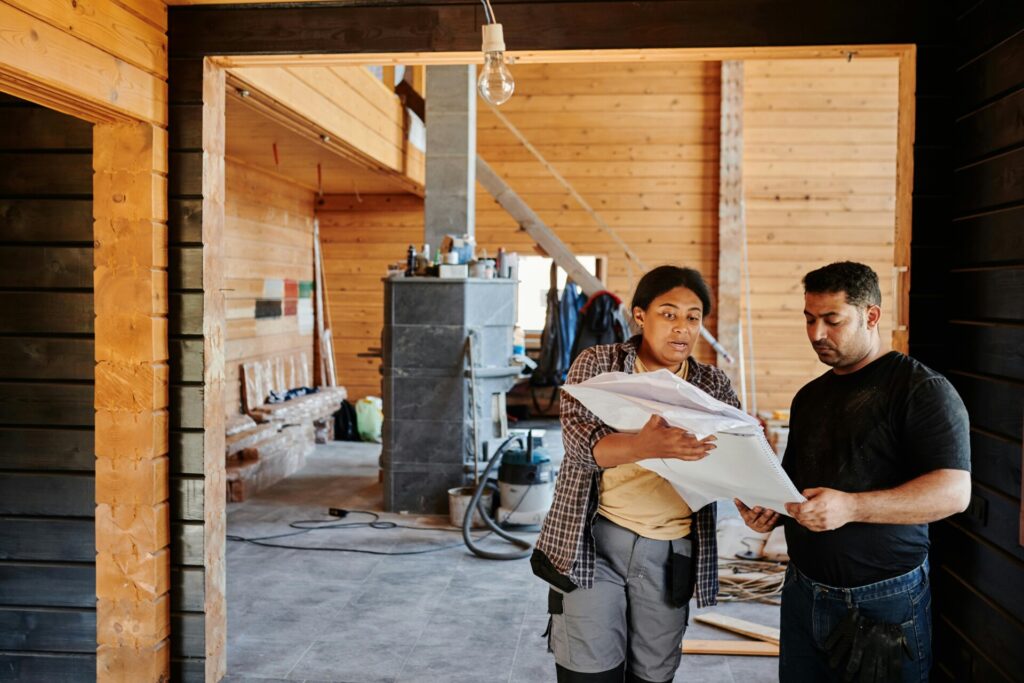
Subcontractor coordination begins with establishing clear expectations through comprehensive drawings and specifications review. We analyze project documents to understand trade sequencing requirements and identify potential conflict points before work starts. This upfront analysis allows us to create realistic work sequences that prevent overlapping trades from interfering with each other.
Accountability structures form the foundation of effective coordination. We assign specific dates and milestones to each subcontractor rather than allowing them to self-schedule around our general timeline. Each trade receives detailed scope assignments with firm start and finish dates tied to project milestones. This approach eliminates the common problem where multiple subcontractors arrive simultaneously without clear direction.
Progress tracking systems keep all parties informed and aligned throughout execution. We implement regular status meetings and require subcontractors to report completion percentages against their assigned tasks. Short look-ahead schedules spanning two to six weeks help identify upcoming conflicts before they disrupt work flow. These preview windows allow trades to coordinate material deliveries, equipment needs, and workforce allocation.
Deconfliction strategies address the physical and logistical challenges of managing multiple trades. We develop coordinated access plans that specify which areas each subcontractor can occupy during specific time periods. Trade sequencing protocols ensure that electrical rough-in completes before drywall installation begins, and that flooring contractors have clear access after painting finishes. Regular site meetings review upcoming work and resolve scheduling conflicts before they impact the critical path.
Transparent communication tools provide all subcontractors with the same information source. Gantt chart views show how each trade’s work connects to overall project completion. Status reports track actual progress against planned milestones and highlight any slippage that could affect downstream activities. When accelerated completion becomes necessary, we structure performance incentives that reward early delivery without compromising quality standards.
Where Do Tight Schedules Matter Most In Commercial Work?
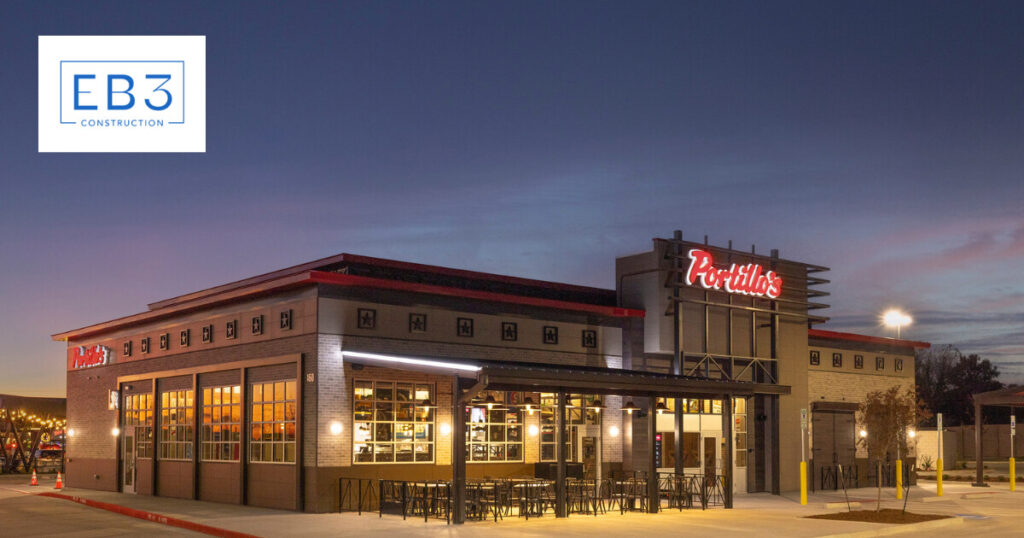
Revenue-generating spaces demand accelerated timelines because every day of closure translates directly to lost income. We see this pressure most acutely in hospitality renovation projects where occupied hotels cannot afford extended downtime. Restaurant construction faces similar constraints with lease obligations and seasonal revenue windows driving completion dates.
Historic renovations present unique scheduling challenges that require specialized coordination. Older buildings often reveal unexpected conditions during construction, yet preservation requirements and regulatory approvals cannot be rushed. We balance these competing demands through careful phased turnover approaches that minimize operational disruption while meeting compliance standards.
Multifamily properties create distinct scheduling pressures around tenant displacement and lease turnover cycles. Property owners need units returned to inventory quickly to maintain cash flow and occupancy rates. We coordinate construction around existing tenants, often working in vacant units first and scheduling heavy work during business hours when residents are away.
Live environments require discrete operations that preserve the guest and tenant experience. Hotels cannot tolerate noise, dust, or access disruptions during peak hours. We plan after-hours work for noisy trades and coordinate material deliveries to avoid lobby and common area conflicts. Retail spaces face similar constraints around customer traffic patterns and holiday shopping seasons.
Fast-track delivery becomes essential when construction timelines intersect with critical business dates. Property owners often have firm opening deadlines tied to lease agreements, franchise requirements, or seasonal revenue cycles. We structure phased turnover schedules that deliver completed areas progressively, allowing owners to begin operations in finished spaces while construction continues in others.
Conclusion And Next Steps

Tight construction schedules demand fast-track planning, clear methods, and disciplined coordination. The strategies we’ve explored—from Critical Path Method implementation to subcontractor deconfliction—form the foundation of successful accelerated delivery. When teams apply proven scheduling techniques alongside integrated tools, projects maintain momentum while controlling risk.
Effective schedule governance requires structured approaches at every level. Short look-ahead planning keeps crews prepared for immediate tasks while comprehensive resource leveling prevents bottlenecks. Change order controls and real-time progress tracking enable quick responses to disruptions. In live facilities, phased turnover and discreet operations minimize tenant impact while meeting aggressive completion dates.
Contact EB3 Construction to establish a staged design-and-build path with measurable milestones that fits your timeline and budget.