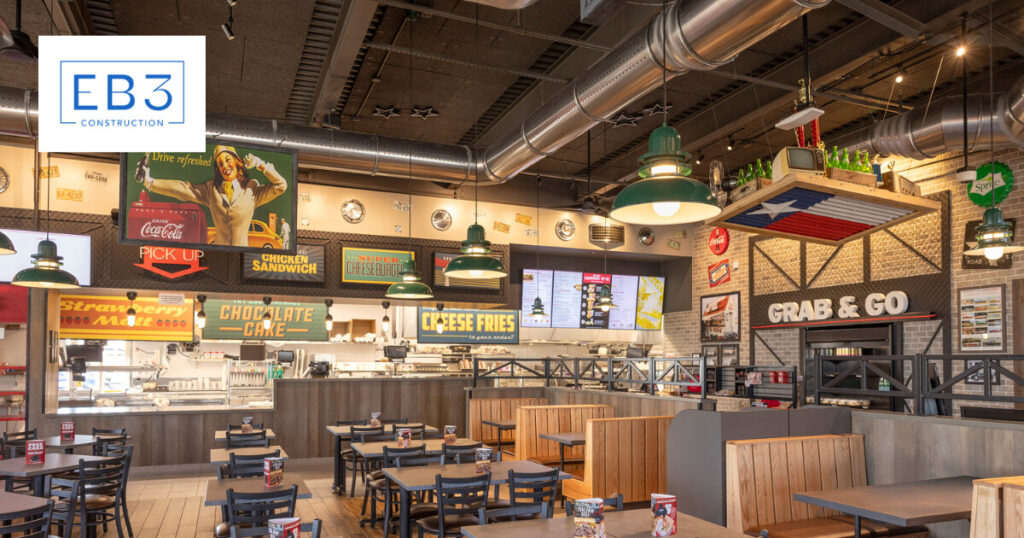
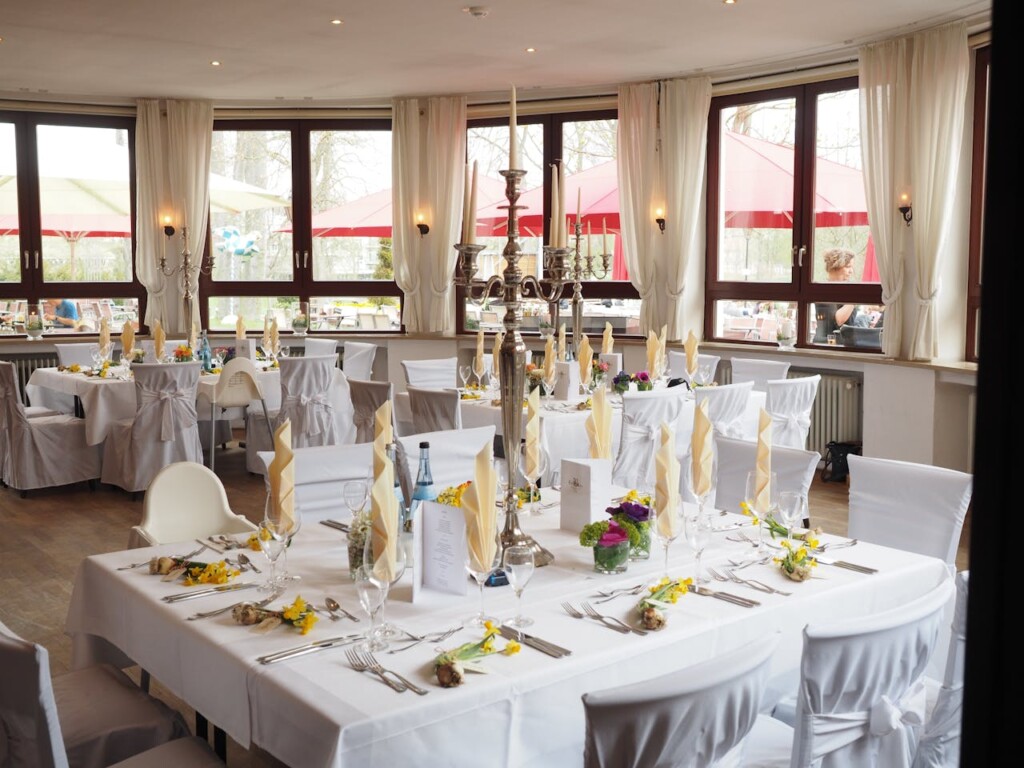
Restaurant dining rooms generate 70% more revenue per square foot than poorly planned spaces. The difference lies in how we coordinate guest flow, dining room aesthetics, and service circulation during the renovation process.
Restaurant dining room renovation transforms how guests experience your brand while optimizing operations behind the scenes. We align layout decisions with service demands, creating spaces where servers move efficiently and diners feel compelled to return and recommend.
What Drives Scope And Budget For A Restaurant Dining Room Renovation?
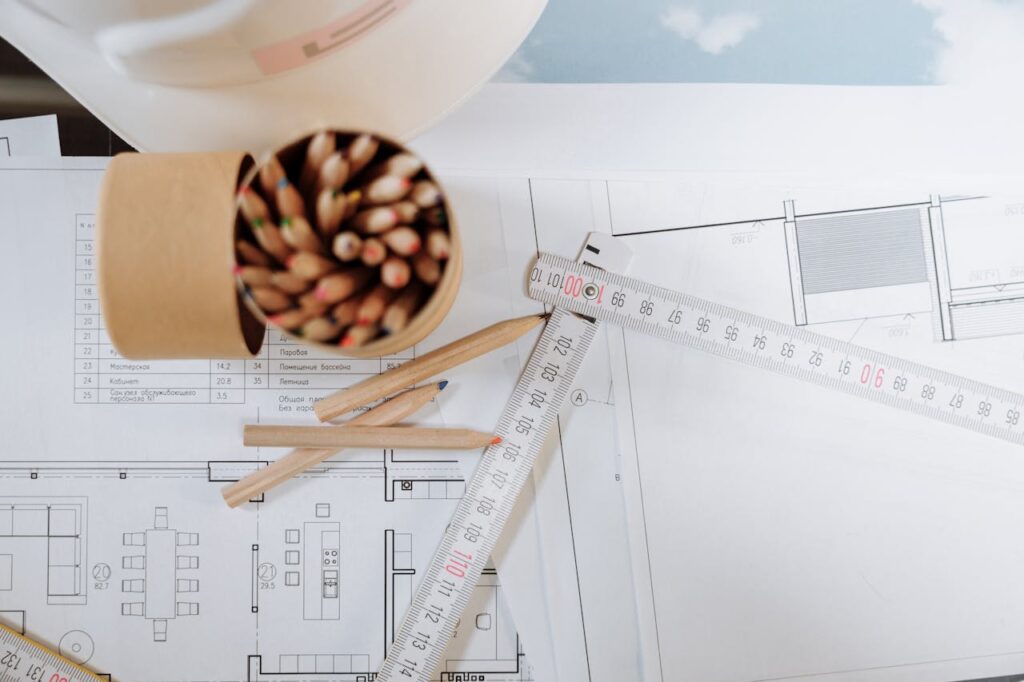
Restaurant renovation costs fluctuate dramatically based on geographic location, project complexity, and existing building conditions. National averages provide baseline guidance, but local market factors and construction requirements create significant cost variations across different regions and project types.
Industry data shows national mid-level restaurant build costs around $160 per square foot for 5,000-square-foot establishments. However, we see substantial regional differences in dense urban markets where construction costs, labor rates, and permitting complexity drive expenses higher.
Front Of House Versus Back Of House Cost Allocation
Front of house budgets typically exceed back of house expenses due to finish quality requirements and guest-facing elements. We allocate $300 to $350 per square foot for front of house spaces in major metropolitan areas, while back of house construction runs approximately $200 per square foot for 2,000 to 2,500 square foot facilities.
These figures exclude furniture, fixtures, and equipment, which represent separate budget categories requiring additional investment. Medium-scale restaurant build-outs can average $50 per square foot when minimal systems work is required, though this applies primarily to spaces with existing commercial kitchen infrastructure.
Equipment And Infrastructure Investment Requirements
Commercial kitchen equipment represents a substantial budget component separate from construction costs. A 1,000-square-foot bar and kitchen setup, including all necessary equipment, typically requires approximately $75,000 investment. This covers essential items like commercial ranges, refrigeration systems, dishwashing equipment, and bar fixtures.
HVAC installations add approximately $3 per square foot to project costs, though this can increase significantly when existing systems require replacement or substantial upgrades. We coordinate HVAC sizing carefully to handle kitchen heat loads and maintain proper ventilation throughout dining areas.
Budget Overrun Planning And Contingencies
Restaurant renovation projects experience budget overruns averaging 34% according to industry surveys. We recommend establishing contingency funds that account for unforeseen conditions discovered during demolition, code upgrade requirements, and potential material price fluctuations during construction.
Pre-opening rent contingencies prove essential since renovation timelines often extend beyond initial estimates. Planning for up to six months of rent and staffing costs during construction provides financial flexibility when permit approvals or inspection processes create delays. Some operators hire key staff before opening, requiring payroll coverage during potential construction extensions.
Location And Scope Variables
Urban locations command premium pricing due to higher labor costs, stricter building codes, and limited construction access. Adaptive reuse projects converting non-restaurant spaces to foodservice typically cost more than renovating existing restaurant facilities due to infrastructure requirements.
Additional amenities like outdoor dining areas, expanded bar sections, or specialty rooms increase project costs beyond basic dining room renovation. These features require separate permitting, utilities coordination, and specialized construction techniques that add complexity to both timeline and budget planning.
How Should Layout And Seating Be Planned To Improve Flow And Revenue?
Movement paths come first. We approach restaurant floor plans by mapping the essential journeys: kitchen to table, host stand to dining room, and service stations to seating areas. This foundation determines everything else about your layout.
Engaging an architect early proves essential for maximizing both seating capacity and operational efficiency. Design professionals understand how spatial flow affects customer behavior and spending patterns, helping you avoid costly layout mistakes that reduce table turns and frustrate staff.
Strategic Seating Configurations For Peak Performance
Modular seating transforms your ability to adapt during different service periods. Tables and chairs that move easily allow you to reconfigure for large parties during weekend rushes or create intimate spaces during slower weeknight service. This flexibility directly impacts revenue by accommodating more diverse booking requests.
Circular layouts around bars and host stands improve guest circulation while reducing bottlenecks. When guests can move naturally around focal points without creating traffic jams, service flows more smoothly and tables turn faster. Bar adjacency becomes particularly important, as strategically positioned bars capture impulse beverage orders and create natural gathering spaces that encourage longer visits.
Table shapes should match your specific footprint and service style. Round tables facilitate conversation in tighter spaces and feel more intimate, encouraging guests to linger and order additional courses. Rectangular tables work better in long, narrow rooms and can accommodate varying party sizes more efficiently during peak periods.
Clearance Standards That Support Service Flow
Maintaining 42 to 48 inches of table-to-wall clearance ensures both guests and servers move comfortably through your dining room. This spacing prevents the cramped feeling that shortens visits while giving service staff room to deliver food and clear tables efficiently. Inadequate clearances create operational friction that slows table turns and reduces revenue potential.
Transparent partitions offer an elegant solution for creating distinct zones without sacrificing the open atmosphere most guests prefer. These elements define spaces for different experiences—quiet dining areas, social bar sections, or private event spaces—while maintaining visual connections across the restaurant. Proper zoning helps manage noise levels and allows you to offer varied experiences within a single location.
Service stations positioned strategically throughout your dining room reduce server steps and improve response times. When staff can access essential supplies, POS systems, and staging areas without crossing the entire restaurant, they serve more tables efficiently. This operational improvement translates directly into better guest experiences and increased revenue through faster table turnover.
Which Design Moves Elevate Front-Of-House Experience?
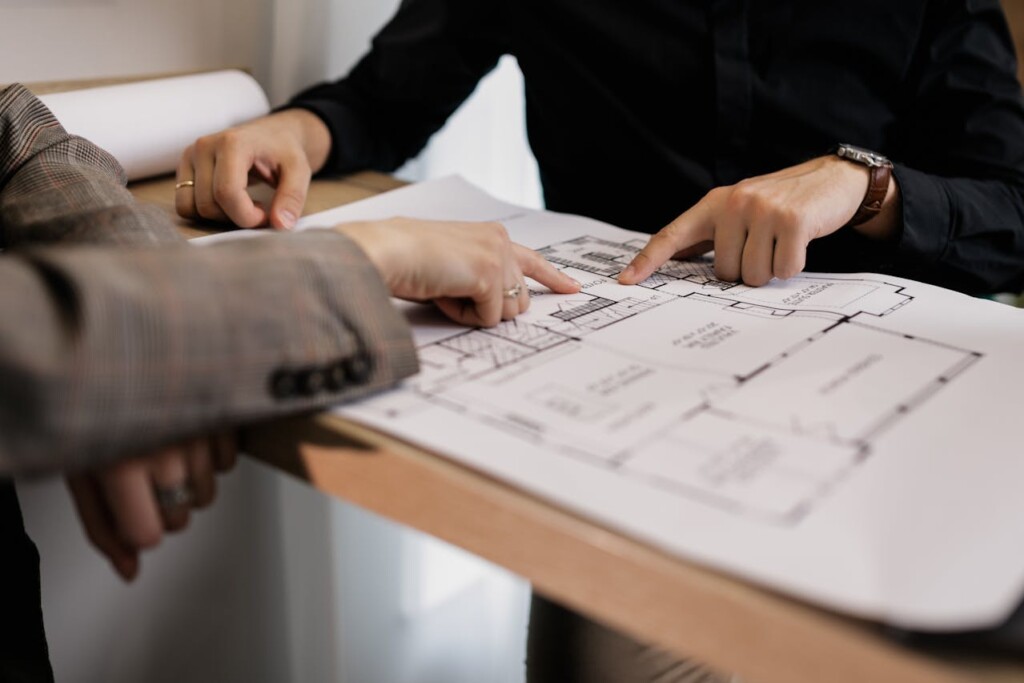
Acoustic design and lighting zones set the foundation for guest comfort before any decorative elements take shape. We plan sound absorption first to ensure conversations flow naturally without shouting over background noise. Strategic lighting transitions maintain energy levels from lunch service through dinner without overwhelming the atmosphere.
Statement lighting transforms dining rooms into memorable spaces through oversized pendants, sculptural chandeliers, and smart LED systems. These fixtures serve as focal points while providing flexible illumination for different service periods. Color-changing LEDs shift from bright tones during lunch to warm hues for romantic dinners, creating the right mood for each time slot.
Sustainable Materials And Biophilic Elements Create Guest Connection
Reclaimed wood and low-VOC finishes align with modern dining values while adding natural warmth to interiors. These sustainable materials reduce environmental impact and create texture without sacrificing durability in high-traffic zones.
Biophilic design elements like green walls and strategically placed planters calm noisy dining rooms while improving air quality. Living walls provide visual freshness and create Instagram-worthy backdrops that guests naturally share. Indoor plants, from vertical gardens to window-sill succulents, soften hard surfaces and reduce visual fatigue during longer visits.
Bold Visual Elements Drive Social Media Sharing
Custom-painted ceilings and unique wallpapers create signature moments that differentiate dining spaces from competitors. These bold design moves provide photo opportunities that turn diners into brand ambassadors through organic social sharing.
Minimalist palettes with layered textures balance sophistication with accessibility. Clean architectural lines paired with warm materials like stone, wood, and leather create depth without visual clutter. For fine dining concepts, moody midnight hues add drama while maintaining intimacy between tables.
Privacy Solutions And Elevated Bar Design
Privacy pods and semi-private booths address the growing demand for intimate dining experiences within larger spaces. These enclosed areas provide exclusive seating options for business meals and special occasions while maximizing revenue per square foot.
We elevate bars as social anchors through dramatic backlighting and rich finishes. Statement bar fronts with textural elements like marble, metal reveals, or custom tilework create visual interest for diners at tables while providing wow moments upon entry.
Smart Technology Integration
Digital menus displayed on sleek screens update offerings in real-time and highlight high-margin items through appealing visuals. Smart reservation systems streamline front-of-house operations while wireless charging stations at select seats add convenience without cluttering table surfaces.
Technology integration succeeds when it enhances rather than dominates the dining experience. We position tech features strategically to support service flow while maintaining the human connection that defines hospitality.
What Codes, Permits, And Preconstruction Checks Prevent Delays?
Restaurant operators often assume permits represent minor paperwork, yet regulatory approvals frequently dictate whether projects launch on schedule or face costly setbacks. We see delays that stretch months, not days, when teams skip fundamental preconstruction verification. The difference between smooth openings and extended closures typically comes down to validating building systems and regulatory compliance before signing leases.
Certificate Of Occupancy Verification
The Certificate of Occupancy sets the legal framework for your restaurant’s operation. Many operators discover too late that changing occupancy classifications can be prohibitively expensive or impossible within existing building constraints. We recommend reviewing the current certificate before committing to any lease agreement.
Building officials require specific documentation to modify occupancy types, particularly when transitioning from retail to restaurant use. Fire ratings, egress capacities, and ventilation requirements change significantly between use classifications. A space approved for 50 retail occupants might accommodate only 25 restaurant diners due to different load calculations and code requirements.
MEP System Capacity Assessment
Mechanical, electrical, and plumbing systems form the operational backbone of any restaurant. We advise early professional evaluation of existing MEP infrastructure before finalizing lease terms. HVAC deficiencies alone can trigger unexpected costs in the tens of thousands of dollars.
Restaurant operations demand substantially higher electrical loads than most retail spaces. Commercial kitchens require 220-volt connections for equipment, grease-rated ventilation systems, and specialized plumbing for three-compartment sinks and grease interceptors. We often find that existing buildings lack adequate electrical service or gas line capacity for full restaurant operations.
Gas versus electric equipment decisions significantly impact project timelines. In dense urban markets, gas service connections can require months of utility coordination and street excavation permits. Many operators choose electric equipment specifically to avoid gas connection delays, accepting slightly higher operational costs for faster opening schedules.
Permit Strategy And Timeline Management
Permit fees typically represent a small fraction of total project costs, often under $5,000 for standard restaurant renovations. However, approval timelines frequently extend well beyond fee processing periods. Building departments may require multiple plan revisions, especially for projects involving structural modifications or complex ventilation systems.
We track permit applications through multiple review cycles with different municipal departments. Fire marshals evaluate egress and suppression systems. Health departments assess food service layouts and equipment specifications. Each department operates on independent schedules, creating potential bottlenecks that smart scheduling can address.
ADA Compliance Requirements
Accessibility compliance affects every aspect of restaurant design, from entrance ramps to restroom configurations. ADA standards mandate specific door widths, turning radii, and fixture heights that cannot be compromised during construction. We ensure compliance verification occurs during the design phase rather than during final inspections.
Existing buildings may qualify for certain accessibility modifications under specific circumstances, but new restaurant installations typically trigger full ADA compliance requirements. This includes accessible parking spaces, entrance pathways, and compliant restroom facilities sized according to occupant loads.
Equipment Due Diligence
Restaurant equipment represents a substantial investment that warrants careful evaluation, particularly for second-hand purchases. We recommend technician inspections for all used equipment, typically costing a few hundred dollars per major appliance. These inspections can prevent equipment failures that would otherwise halt operations during critical opening periods.
Equipment leasing reduces initial capital requirements but may increase total project costs over time. Lease agreements often include maintenance and service provisions that can offset higher monthly payments through reduced repair risks and guaranteed response times. We help operators evaluate buy-versus-lease decisions based on cash flow requirements and operational priorities.
Professional Due Diligence Team
Complex restaurant projects benefit from specialized consulting support beyond standard architectural services. We typically recommend assembling a due diligence team that includes a mechanical engineer, kitchen consultant, and legal advisor. This team, budgeted around $25,000 for comprehensive projects, validates critical systems and regulatory requirements before construction begins.
The mechanical engineer evaluates HVAC capacity, gas line sizing, and ventilation requirements specific to restaurant operations. Kitchen consultants ensure equipment specifications align with menu requirements and operational workflows. Legal review addresses licensing contingencies, particularly liquor license applications that can affect project timelines and operational plans.
Conclusion And Next Steps
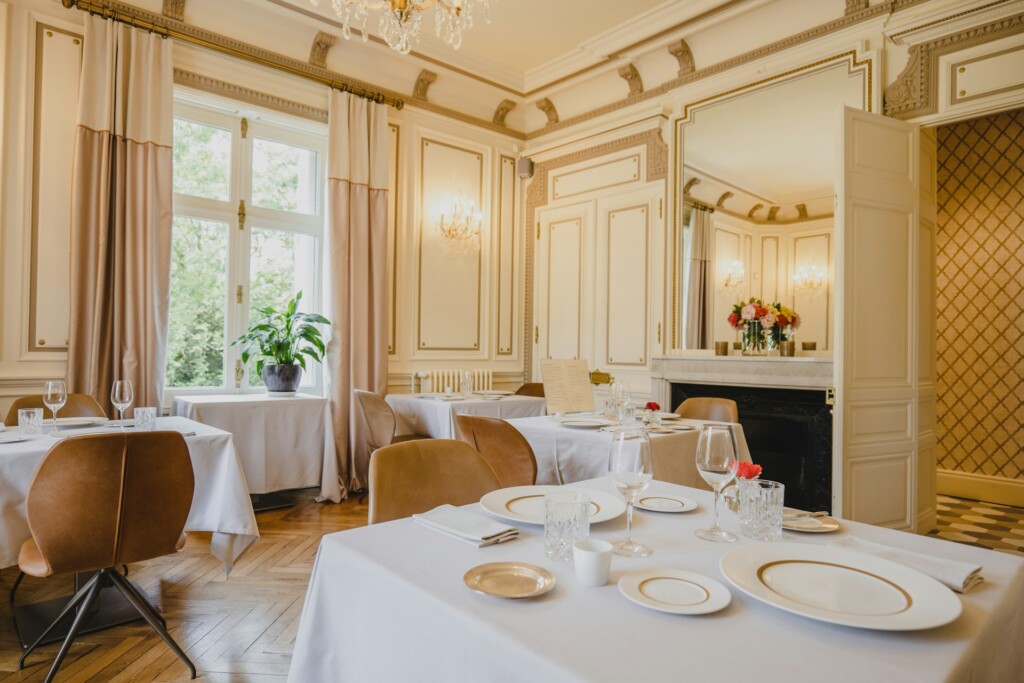
A successful restaurant dining room renovation plan requires systematic coordination across budget, flow, and design elements. We establish realistic cost bands with 10-20% contingencies to handle the industry-standard overruns, verify Certificate of Occupancy permits and MEP capacity before lease execution, and map circulation patterns to maximize seating capacity with flexible layouts. Our approach balances brand-aligned finishes and acoustic treatments that enhance comfort while considering equipment procurement strategies and permitting timelines that affect opening schedules.
Start with due diligence on existing conditions and permits. Set your budget with adequate contingency reserves. Engage architects early to optimize layout zoning and service flow. Select lighting, materials, and finishes that reflect your brand while addressing practical needs like acoustics and maintenance. Make equipment decisions based on your operational model and cash flow preferences. Plan for pre-opening rent during construction and permitting delays. Execute these steps systematically to minimize disruptions and accelerate your path to profitable operations.
Ready to coordinate your restaurant dining room renovation with construction professionals who understand hospitality operations? Contact EB3 Construction to discuss your project scope and renovation planning needs.