Construction crews work on the former South Congress Cafe site to deliver a new vegetarian restaurant concept before year-end. Meanwhile, a major six-acre South Congress property advances through rezoning approval for mixed-use redevelopment that allocates over 100,000 square feet to retail, restaurant, and grocery uses.
The three-block Music Lane development demonstrates how we approach restaurant renovation in South Congress Austin (SoCo) with pedestrian-focused design. These projects create shaded paseos, courtyards, and outdoor decks that extend Austin’s walkable culture into restaurant spaces where patio dining drives foot traffic year-round.
What Design Cues Define Successful SoCo Restaurant Renovations?
The pedestrian realm drives SoCo’s restaurant renovation approach. We extend walkability beyond the sidewalk and into the building footprint through open storefronts and seamless thresholds. Music Lane demonstrates this priority with paseos that connect multiple blocks and courtyards that create outdoor rooms for dining and lingering.
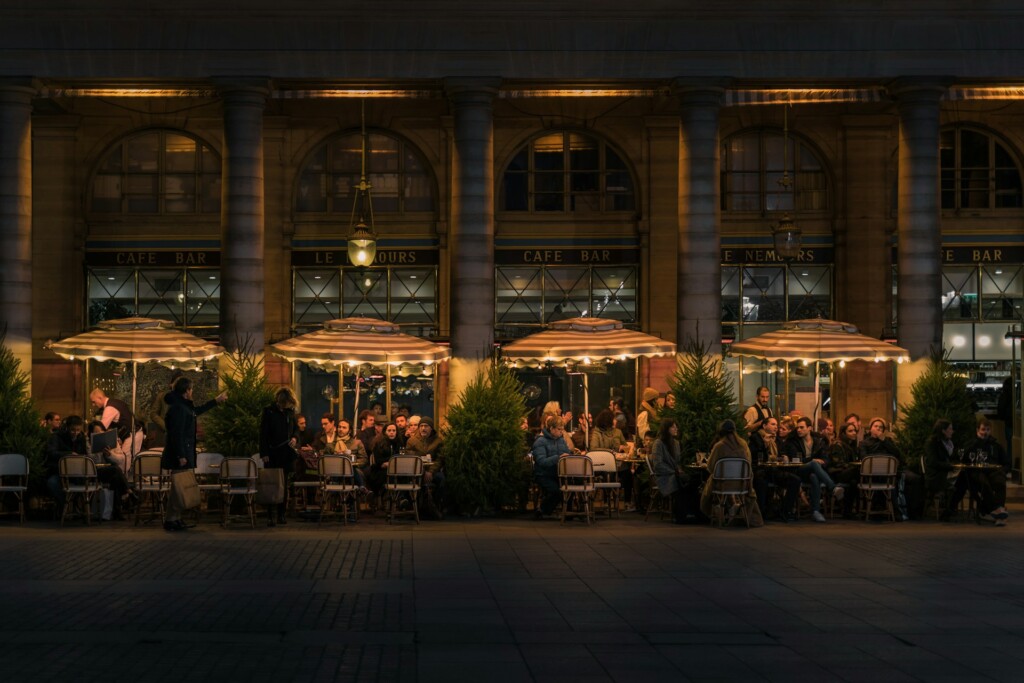
Shaded outdoor spaces define the district’s restaurant character. String lights, striped umbrellas, and integrated planters signal that patios carry the heaviest operational load. We design shade structures that function year-round, from pergolas with climbing vines to retractable canopies that adjust to Austin’s variable weather patterns.
Rooftop and deck spaces offer additional capacity while capturing SoCo’s skyline views. These elevated dining areas require careful structural evaluation during renovation planning. We coordinate rooftop access, weather protection, and service logistics to ensure these spaces contribute meaningfully to revenue rather than becoming maintenance burdens.
Street-level engagement shapes storefront design throughout the district. Glass garage doors, operable window walls, and raised patios that connect visually to the sidewalk create the indoor-outdoor flow that defines successful SoCo restaurants. We avoid designs that turn inward or create barriers between the dining room and street activity.
Landscape integration balances SoCo’s urban energy with natural softness. Lush plantings in dining areas, living walls, and integrated water features reference the research from contemporary restaurant projects that use vegetation to create microclimates and visual interest. These elements require irrigation planning and maintenance access during the renovation phase.
Adaptable interiors accommodate SoCo’s mix of glitz and grit. We design spaces that can shift between casual daytime service and elevated evening dining through flexible lighting, moveable partitions, and furniture that serves multiple functions. This adaptability proves essential as restaurant concepts evolve and tenant needs change over time.
How Should Scope And Phasing Account For SoCo’s Fast-Moving Tenant Changes?
The former South Congress Cafe site demonstrates how quickly restaurant concepts can shift in this district. Construction crews are working to deliver a new vegetarian concept by year-end, a timeline that suggests either strategic demolition or selective renovation to meet market windows. We see similar patterns across SoCo where tenant improvement work can escalate to adaptive reuse depending on existing conditions and operational requirements.
Fast-track renovation demands clear scope definition upfront. The uncertainty around whether the South Congress Cafe site required demolition or renovation reflects how quickly project parameters can change when existing infrastructure doesn’t align with new restaurant concepts. We build contingencies into our phasing to handle utility upgrades, structural modifications, or code compliance issues that emerge during due diligence.
Flexible Shell Strategies For Changing Uses
Music Lane’s development approach provides a template for adaptable restaurant spaces. The project prioritizes flexible shells that can accommodate shifting retail and office tenants without major reconstruction. We apply this same logic to restaurant work, designing base building systems that support multiple kitchen configurations and dining layouts over time.
Open indoor-outdoor connections become critical in these adaptable designs. We coordinate HVAC zones and structural openings to support operable storefronts that can be reconfigured as concepts evolve. Kitchen exposure to dining rooms requires mechanical systems that handle grease and ventilation loads while maintaining flexibility for future tenant changes.
Patio service lines need particular attention in the phasing process. We rough in utilities and drainage to support multiple patio configurations, knowing that seasonal demands and operational changes will drive layout modifications. Gas lines, electrical circuits, and water connections get positioned to serve current needs while anticipating future expansions or reconfigurations.
Coordinating Construction Timelines With Market Demands
SoCo’s restaurant market moves quickly, and our construction sequencing reflects these realities. We phase utility work to minimize disruption to adjacent businesses while ensuring new tenants can open within competitive timeframes. Structural modifications get prioritized early in the schedule to avoid delays that could push opening dates into less favorable seasons.
The adaptive reuse approach we use on deeper renovations requires different phasing than standard tenant improvements. Heritage buildings along South Congress often need selective demolition, hazardous material abatement, and structural reinforcement before tenant work begins. We coordinate these base building improvements with the tenant’s finish schedule to compress overall timelines.
Permitting coordination becomes essential when scopes shift between tenant improvement and adaptive reuse categories. We maintain relationships with city reviewers to expedite plan reviews when projects cross these thresholds. Early coordination prevents delays that could derail aggressive opening schedules like the one driving work at the former South Congress Cafe site.
What Permitting And Zoning Trends Affect Restaurant Timelines On SoCo?
The massive mixed-use redevelopment on six acres at South Congress and Riverside demonstrates how large-scale zoning changes drive restaurant project scheduling throughout the district. We track these regulatory shifts because they create ripple effects that touch every construction timeline in the area.
The rezoning approval cleared the path for 950 apartments, 600,000 square feet of office space, a 225-room hotel, and 135,000 square feet of retail, restaurant, and grocery space. Current tenants receive $1,500 relocation payments before demolition begins, with plans for the iconic Ego’s bar to reopen within the new development.
Demolition Windows Drive Restaurant Construction Schedules
We coordinate restaurant projects around major demolition phases because utility interruptions and access restrictions affect the entire corridor. The Related project requires full building teardowns before new construction begins, creating defined windows when water, power, and gas services face temporary disruptions.
Restaurant teams must sequence their permits and construction starts to avoid these blackout periods. We advise clients to secure utility connection approvals early, as changeover schedules become more complex when multiple large projects overlap in timing.
Underground Parking Complicates Utility Coordination
Mixed-use developments in SoCo increasingly include underground parking structures that require extensive excavation and utility rerouting. The Related project exemplifies this trend, which affects how we plan utility runs for restaurant buildouts nearby.
Underground work often shifts existing utility lines, requiring updated engineering drawings and revised permit applications mid-project. We build buffer time into restaurant schedules to accommodate these changes, especially for projects within two blocks of major redevelopment sites.
Phased Openings Within Larger Development Cycles
Restaurant openings now align with broader mixed-use construction phases rather than standalone timelines. The Related project will deliver retail and restaurant spaces in coordination with residential occupancy, creating opportunities for restaurants that can adapt their opening schedules to match population influx.
We structure restaurant construction contracts with milestone flexibility, allowing teams to accelerate or adjust completion dates based on the anchor development’s progress. This approach prevents restaurants from opening into empty districts while maximizing the benefit of coordinated foot traffic.
How Can Renovations Reflect SoCo Character While Addressing Community Feedback?
Community reactions to restaurant changes in South Congress reveal the delicate balance between preserving local character and accommodating new concepts. The transition at the former South Congress Cafe site demonstrates this tension clearly. Local sentiment expresses nostalgia for established venues while showing curiosity about fresh dining options, particularly vegetarian concepts that align with Austin’s progressive food culture.
We approach community feedback as valuable intelligence for construction planning. Public sentiment often highlights what residents value most about a location—the atmosphere, accessibility, and authentic connection to neighborhood identity. When we see mixed reactions about out-of-state brands entering SoCo, it signals the importance of storefront activation that feels integrated rather than imposed.
Design Elements That Honor Local Energy
Music Lane provides a clear template for capturing SoCo character through physical design choices. The development prioritizes spaces that come alive with local energy through specific architectural moves. Wide sidewalks, transparent storefronts, and prominent outdoor seating create natural gathering points that encourage lingering and social interaction.
We focus on storefront materials and proportions that match the district’s established rhythm. Natural wood accents, warm metal finishes, and generous glazing align with SoCo’s blend of casual sophistication. These choices help new restaurants feel like natural extensions of the streetscape rather than foreign insertions.
Shaded patios become essential when addressing both operational needs and community expectations. Austin’s climate demands outdoor dining solutions that provide comfort during extended seasons. We design patio structures with retractable awnings, ceiling fans, and landscaped edges that create comfortable microclimates while maintaining visual connection to street activity.
Balancing Brand Identity With Neighborhood Fit
Restaurant operators face pressure to maintain brand consistency while respecting local context. We help navigate this through facade treatments that incorporate brand elements within SoCo’s design language. Custom signage, lighting choices, and material selections can express concept identity without disrupting the pedestrian-friendly streetscape that defines the district.
Interior design decisions also influence public perception of brand fit. Open kitchen concepts, communal seating arrangements, and locally sourced decorative elements demonstrate commitment to neighborhood integration. These features signal transparency and community engagement that address concerns about corporate concepts overwhelming local character.
We recommend incorporating flexible design elements that allow seasonal or periodic updates. Changeable art installations, moveable furniture arrangements, and adaptable lighting systems enable restaurants to respond to community feedback and evolving neighborhood dynamics while maintaining operational efficiency.
Conclusion And Next Steps
Restaurant renovation in South Congress demands a coordinated approach that balances pedestrian-first design with the realities of mixed-use phasing and construction sequencing. We coordinate projects knowing that demolition windows, utility changeovers, and street presence directly influence opening timelines and operational success. The district’s momentum toward adaptable shells and outdoor-focused spaces creates opportunities for developers who understand these patterns early in the process.
Effective SoCo restaurant renovation starts with auditing your site against the district’s established cues: shaded paseos that extend pedestrian flow, courtyards that create lingering spaces, and flexible interiors that adapt as tenant needs evolve. We track rezoning developments and mixed-use phasing schedules because these shape when demolition occurs, when utilities can be relocated, and how fast-track schedules align with broader construction activity. Sites like the former South Congress Cafe location show that strong street presence and rapid execution meet market expectations in this district.
Ready to navigate SoCo’s unique renovation landscape? Contact EB3 Construction to align your project scope with the district’s pedestrian-focused, patio-forward culture.