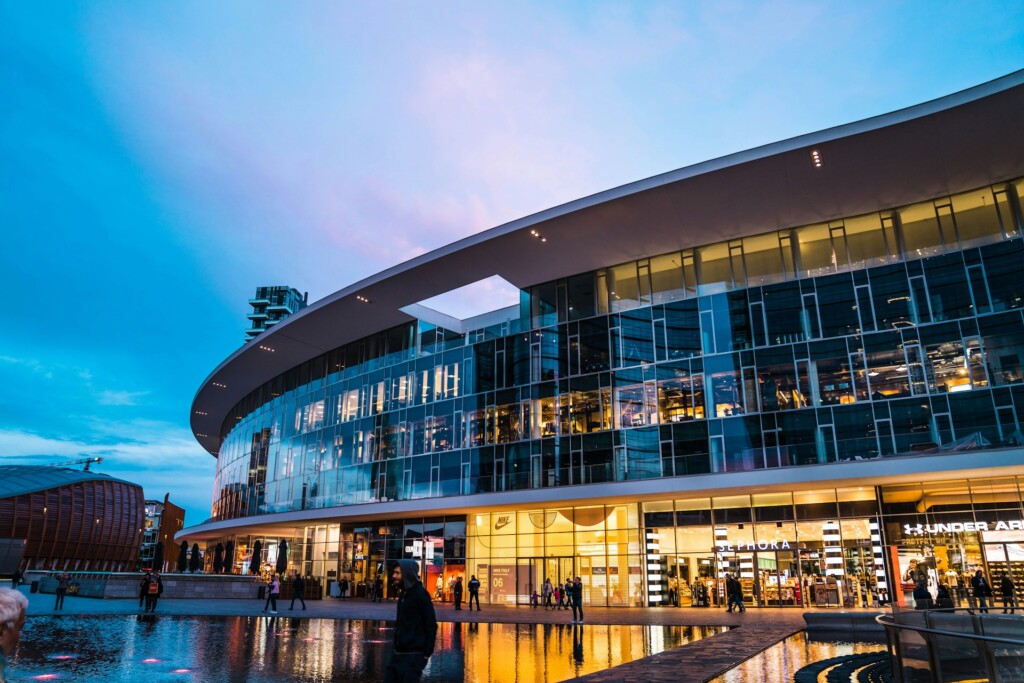
Shopping center renovation contractors transform retail spaces with strategic construction projects that bring outdated properties back to life. We execute tenant build-outs that convert raw shells into vibrant storefronts, manage exterior rebranding campaigns that refresh tired facades, and coordinate adaptive reuse projects that repurpose existing buildings for modern retail needs.
Our work centers on enhancing the customer experience while driving foot traffic to multi-tenant retail and strip centers. Construction imagery from active job sites shows the scope: scaffolding surrounds buildings undergoing exterior improvements, fresh signage announces new tenants like Planet Fitness and Verizon, and “Now Open” banners signal successful project completion, meeting strict budget and timeline requirements.
Which Project Types And Scopes Fit Shopping Center Renovations?
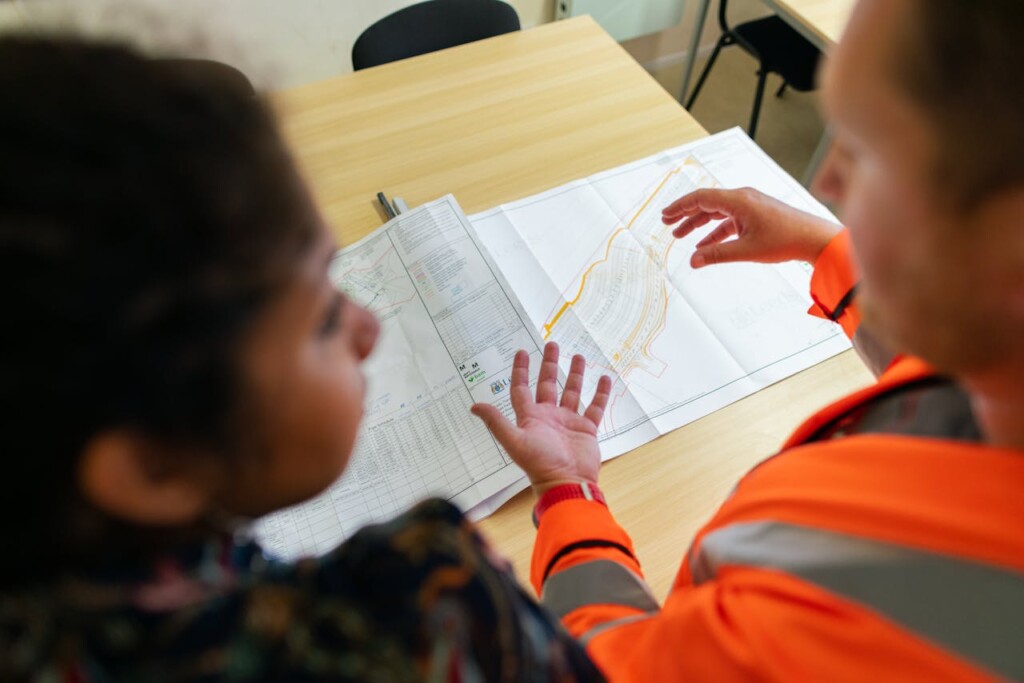
Shopping center renovation encompasses several distinct project types, each addressing specific property needs and business objectives. We manage these projects across diverse retail environments, from single-tenant spaces to comprehensive multi-tenant developments.
Core Construction Scopes
Tenant build-outs form the foundation of most shopping center projects. These interior improvements transform raw shell space into functional retail environments, complete with electrical systems, HVAC distribution, and finish work. We coordinate these build-outs while existing tenants remain operational, managing noise, dust, and access restrictions.
Exterior renovations and rebranding projects update aging centers to attract today’s retailers and shoppers. These scopes typically include new storefront systems, updated signage programs, and facade improvements. We handle coordination with municipal authorities for permit approvals and work around tenant operating hours to minimize business disruption.
Shell construction for developers provides the building envelope and core utilities for future tenant improvements. We deliver these projects with flexible infrastructure that accommodates various retail formats. Additions and expansions extend existing shopping centers, requiring careful integration with current building systems and site utilities.
Adaptive Reuse and Design-Build Solutions
Adaptive reuse transforms non-retail buildings into shopping destinations. Former industrial spaces, office buildings, and warehouses present unique structural and mechanical challenges. We thoroughly assess existing conditions, identifying load-bearing modifications and utility upgrades needed for retail conversion.
Design-build delivery streamlines the renovation process by combining design and construction under one contract. This approach accelerates project timelines and provides single-point accountability for budget and schedule performance. We coordinate directly with architects and engineers to resolve design issues quickly during construction.
Retail Property Types We Serve
Multi-tenant strip centers represent our most common project type, ranging from small neighborhood shopping centers to larger community retail developments. These properties typically house 5 to 30 tenants with varied space requirements and operational needs.
National retail chains and franchises require standardized build-out packages that meet corporate design standards. We maintain relationships with major retailers and understand their specific construction requirements, from floor-load specifications to technology infrastructure needs.
Convenience stores and fuel stations present unique challenges with petroleum handling systems, underground storage tank compliance, and 24-hour operational requirements. Pharmacies and health-focused retailers require specialized construction considerations, including secure storage areas, climate control systems, and accessibility provisions that go beyond minimum ADA requirements.
| Type | Typical Size (sq. ft.) | Anchor Stores? | Customer Radius |
| Neighborhood Center | 30,000–150,000 | Yes (often grocery store) | 3 miles |
| Community Center | 100,000–300,000 | Yes (grocery, drugstore) | 3–6 miles |
| Regional Center | 400,000–800,000 | Yes | 5–15 miles |
| Super Regional Center | 800,000+ | 3+ | 5–25 miles |
| Fashion Center | 80,000–250,000 | Yes (luxury dept. stores) | 5–15 miles |
| Power Center | 250,000–600,000 | Yes (big-box) | 5–10 miles |
| Theme/Festival Center | 80,000–250,000 | No | Tourist focus |
| Outlet Center | 50,000–400,000 | No | 25–75 miles |
Specialized Support Services
Site surveys and floor plans provide the foundation for accurate project planning and cost estimation. We conduct detailed existing-conditions assessments, identifying structural limitations, utility locations, and code compliance issues before construction begins.
Installing fixtures and signage requires coordination with multiple vendors and strict adherence to brand standards. We manage the procurement, delivery, and installation of retail fixtures, working around tenant move-in schedules and grand opening deadlines.
Refrigeration installation and removal involve specialized mechanical contractors familiar with commercial food service equipment. These systems require proper electrical infrastructure, drainage connections, and compliance with health department regulations. We coordinate refrigeration work with other trades to ensure proper sequencing and system integration.
Retail and department store remodels present complex logistical challenges, particularly when stores remain open during construction. We develop detailed phasing plans that maintain customer access while upgrading mechanical systems, flooring, lighting, and fixtures. These projects require extensive coordination with store management and security protocols.
How Are Planning, Budgeting, And Delivery Methods Handled?
Construction project management begins with thorough project planning and budgeting to establish realistic expectations before construction starts. We develop detailed cost estimates based on the specific scope of work, including labor, materials, equipment, and contingencies for unforeseen conditions. This planning phase also involves evaluating project feasibility and securing necessary financing to support the entire renovation process.
Delivery Method Selection
Once the budget framework is established, we select a delivery method that aligns with the project goals and owner requirements. In general construction, the traditional Design-Bid-Build (DBB) approach completes design before contractor selection through competitive bidding. This method provides cost certainty but requires longer project timelines due to the sequential nature of design and construction phases.
Construction Manager at Risk (CMAR) offers an alternative in which we participate in the design process as consultants before transitioning to the construction role. We provide schedule, budget, and constructability advice during planning while accepting responsibility for construction performance within a Guaranteed Maximum Price (GMP). This method allows for faster project delivery through overlapping design and construction activities.
Design-Build (DB) consolidates both design and construction responsibilities under one contract. We manage the entire process from initial concepts through project completion, which streamlines communication and reduces potential conflicts between design and construction teams. This integrated approach often results in shorter project schedules and more cost-effective solutions.
| Delivery Method | Key Characteristics | Typical Use Cases |
|---|---|---|
| Design-Bid-Build (DBB) | Traditional method, segmented into design, bid, and build phases. Offers owner control but a longer timeline. | New commercial construction with a desire for owner control and competitive bidding. |
| Design-Build (DB) | Integrates design and construction under one contract. Streamlines communication, reduces project duration, single-point accountability. | Large projects requiring an accelerated timeline. |
| Construction Manager at Risk (CMAR) | Construction manager oversees project with Guaranteed Maximum Price (GMP). Balances collaboration and cost control. | Projects where owners want expert management and cost control, often allowing them to step back from day-to-day details. |
| Job Order Contracting (JOC) | Indefinite-delivery, indefinite-quantity method. Utilizes preset pricing, streamlines procurement. | Repetitive, small-to-medium-sized projects, such as repairs and maintenance. |
| Multiple Award Task Order Contract (MATOC) | Similar to JOC but includes multiple contractors under a master contract. Offers flexibility. | Federal government projects or large-scale projects needing flexibility. |
Critical Path Scheduling
We develop critical path schedules that sequence construction activities to optimize workflow and minimize project duration. These schedules identify which tasks must be completed on time to avoid delays to the overall completion date. For shopping center renovations, we coordinate phased work around ongoing retail operations to minimize tenant disruptions.
Schedule flexibility allows us to adapt when retailers need to maintain operations during renovation periods. We adjust work sequences and timing to accommodate tenant requirements while maintaining progress toward completion deadlines. This adaptive scheduling approach is especially important in multi-tenant environments, where different retailers may have varying operational needs.
Value Engineering Process
Value engineering helps align project scope and costs while protecting the original design intent. We analyze materials, systems, and construction methods to identify cost-saving opportunities without compromising functionality or aesthetic goals. This process examines alternative approaches that can deliver the same performance at reduced costs or improved performance at similar costs.
The value engineering process involves collaboration between our construction team and the design professionals to evaluate options systematically. We consider factors such as material availability, installation requirements, maintenance needs, and long-term performance when recommending alternatives. This analytical approach ensures that cost reductions do not create problems during future operation or maintenance of the renovated spaces.
Technology Integration
Virtual design and construction technology enables us to coordinate complex renovations before physical work begins. VDC systems allow stakeholders to collaborate on three-dimensional models that reveal potential conflicts between different building systems. This coordination reduces field conflicts and change orders during construction.
Subsurface utility mapping helps uncover hidden infrastructure and potential clashes before excavation activities begin. We use specialized equipment to locate underground utilities, pipes, and structural elements that could impact renovation work. This mapping process prevents costly delays and safety hazards that can occur when hidden obstacles are discovered during construction activities.
The integration of these technological tools during preconstruction phases supports more accurate scheduling and budgeting while reducing project risks. Early identification of potential problems allows us to develop solutions before they impact construction progress or project costs.
How Do Contractors Manage Compliance, Accessibility, And Safety?
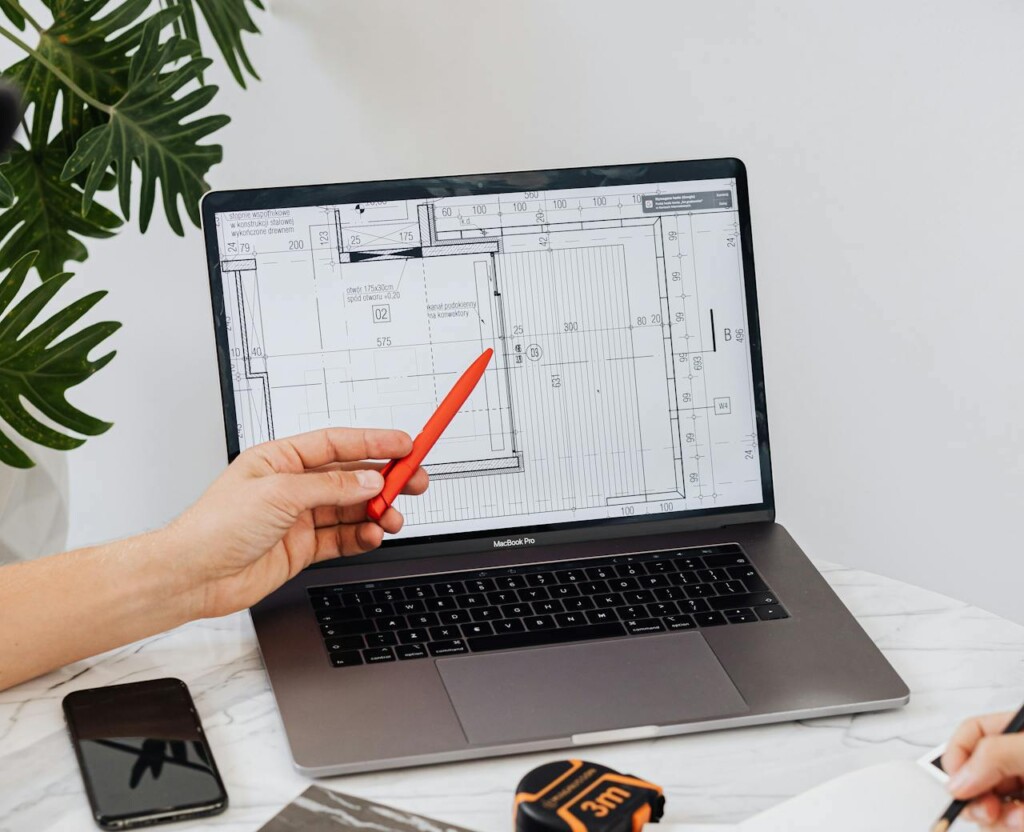
We coordinate every aspect of shopping-center renovations to meet current local building codes and safety protocols. Requirements vary by jurisdiction, but our approach remains consistent across projects.
ADA Compliance Upgrades
ADA compliance upgrades are a critical part of most retail renovation programs. We address accessibility requirements proactively rather than treating them as an afterthought. The ADA Standards for Accessible Design guide the modifications we implement.
Accessible restroom layouts require precise attention to grab-bar placement, fixture heights, and maneuvering space. We ensure adequate clearances for wheelchair users and install compliant door hardware that operates with minimal force. These restrooms must accommodate turning circles and transfer areas in line with federal guidelines.
Wider door frames accommodate wheelchairs and mobility aids throughout the retail space. Standard doorways often fall short of the required 32-inch minimum clear width. We modify existing openings and install accessible door hardware that meets ADA specifications for operating force and hardware placement.
Floor finishes receive careful consideration for slip resistance and wayfinding. We select materials that improve grip while maintaining durability under high foot traffic. Transitions between different flooring materials must provide smooth pathways without introducing trip hazards.
Site Accessibility Features
Accessible parking spaces require specific dimensions, signage, and access aisles. We coordinate with parking-lot contractors to ensure proper slopes and van-accessible spaces where required. Access routes from parking areas to building entrances must maintain compliant gradients and surfaces.
Railings and furniture clearances affect traffic flow and safety throughout retail spaces. We maintain minimum clearance widths in aisles and around fixtures. Handrail installations follow defined height and extension requirements for ramps and stairs.
| Area | Requirements |
|---|---|
| Entrances and Doors | Doors should be 32 inches wide when open; automatic doors are preferred; ramps are needed for wheelchair access. |
| Restrooms | Toilets must be 17 to 19 inches high; sinks should have a 30-inch-by-48-inch access area; restrooms must provide a clear circle of at least 60 inches. |
| Parking Areas | Include accessible parking spaces with sufficient width for vans and extra space for wheelchair movement. |
| Signage and Wayfinding | Signs must use clear, simple text and be mounted at an appropriate height for visibility. |
| Workspaces and Public Areas | Counter and desk heights should ensure accessibility; provide wide paths to accommodate mobility devices; eliminate tripping hazards. |
Working With Authorities Having Jurisdiction (AHJs)
Our teams coordinate with local authorities having jurisdiction (AHJs) throughout each project phase. These relationships help ensure code compliance and prevent delays during inspections. We submit required documentation early and maintain open communication with plan reviewers.
Regular inspections verify that work meets approved plans and current standards. We schedule these reviews at critical milestones rather than waiting for the final walkthrough. This approach identifies issues early, when corrections cost less and cause fewer impacts to the schedule.
Risk-reduction strategies include thorough plan review sessions before construction begins. We identify potential compliance gaps and address them during preconstruction planning. This proactive approach helps prevent costly modifications during active construction.
How Do Multi-Site Rollout And Rebranding Programs Work?
Rollout programs coordinate prototype remodels across multiple retail locations using standardized design elements and construction processes. These programs require centralized planning, in which we establish brand standards that maintain visual consistency while accommodating site-specific conditions. Successful execution depends on detailed preconstruction planning that identifies potential challenges and develops flexible solutions for varying store configurations.
The foundation of multi-site rebranding is a comprehensive prototype that serves as the template for all locations. We work with property owners to establish clear brand standards covering everything from color schemes and materials to fixture specifications and signage placement. This prototype becomes the roadmap that guides construction teams at each individual site.
Preconstruction Planning and Site Assessment
Effective rollout programs start with thorough site evaluations at each location before any construction begins. We conduct detailed assessments to understand existing conditions, structural limitations, and local code requirements that may affect the standard prototype. This upfront investment helps prevent costly delays and change orders during construction.
Site surveys reveal critical information about utility locations, accessibility compliance needs, and space constraints that shape how we adapt the prototype. We document these variations and develop site-specific implementation plans that maintain brand consistency while addressing unique challenges at each location.
Coordinating Fixtures and Signage Packages
Standardized fixtures and signage packages streamline procurement and installation across all sites. We manage the sourcing, manufacturing, and delivery of these materials to ensure consistent quality and timing. This centralized approach reduces costs through volume purchasing while maintaining the visual standards required for brand recognition.
Signage coordination includes managing local permitting requirements, which vary significantly between municipalities. We track permit applications, approval timelines, and installation schedules to prevent bottlenecks that could delay store openings. The fixtures and signage packages are designed for efficient installation while meeting the durability standards needed in retail environments.
Phased Execution and Program Management
Large-scale rollout programs typically use phased execution to manage resources effectively and minimize operational disruptions. We sequence projects based on factors such as lease renewal dates, seasonal business cycles, and resource availability. This approach allows us to apply lessons learned from early phases to improve performance in later installations.
Program management involves coordinating multiple construction teams, suppliers, and stakeholders across different regions. We establish clear communication protocols and project tracking systems that provide real-time visibility into progress at each site. Regular coordination meetings ensure that issues are identified and resolved quickly before they impact other locations.
| Phase | Key Activities |
|---|---|
| 1. Entry Criteria and Start-Up | Self Assessment, Stakeholder Identification, Deployment Plan Approval |
| 2. Initiate | Kick-Off, Workshops, Key User Training, Site Tour |
| 3. Roll Out | Action Plan Execution, Master Data Preparation and Testing, System Setup and Testing, End-User Training, Go-Live Readiness Check, Go-Live Simulation |
| 4. Milestone – Go-Live | System Activation, Hypercare, Ongoing Support |
| 5. Stabilize | User Support and Issue Resolution, System Enhancement Roadmap, Performance Monitoring, Regular Check-Ins, Change Sustainment Plan |
Budget and Schedule Control
Maintaining budget and schedule control across multiple sites requires sophisticated project management and cost-tracking systems. We establish baseline budgets for the prototype and track variations at each location to identify patterns and control costs. This data-driven approach helps us make informed decisions about scope adjustments and resource allocation.
Schedule coordination is critical when managing rollouts that affect store operations. We work closely with retail management to plan construction activities around business cycles, ensuring minimal impact on sales and customer experience. Critical-path scheduling helps us sequence work efficiently while maintaining the flexibility needed to adapt to unexpected conditions at individual sites.
Conclusion And Next Steps

Successful shopping center renovation starts with clear planning and systematic execution. We approach each project by establishing scope boundaries first, whether that involves tenant improvements, exterior rebranding, building additions, or adaptive reuse of existing structures. This foundation prevents scope creep and keeps teams aligned on deliverables throughout construction.
Effective preparation includes requesting comprehensive site surveys and current floor plans before design work begins. These documents reveal existing conditions, utility locations, and potential challenges that could affect timelines or budgets. We coordinate with property owners to gather this information early, allowing our teams to make informed decisions about delivery methods, whether traditional design-bid-build, construction management, or an integrated design-build approach. Critical path scheduling maps out work sequences and identifies dependencies, which supports phased execution around active retail operations.
Planning must account for compliance requirements from the start. ADA upgrades can be significant budget items in retail renovation, covering accessible restrooms, doorway modifications, parking improvements, and walkway adjustments. We account for these requirements alongside safety protocols, fixture installations, refrigeration system updates, and signage programs in our initial budgets. Tools such as Virtual Design and Construction (VDC) and subsurface utility mapping help uncover potential conflicts before excavation begins, reducing change orders and schedule delays. For multi-site work, we establish clear prototypes and rollout plans with standardized specifications and sequencing strategies that maintain brand consistency across locations.
Ready to move forward with your shopping center renovation? Contact EB3 Construction to discuss your project scope and timeline.