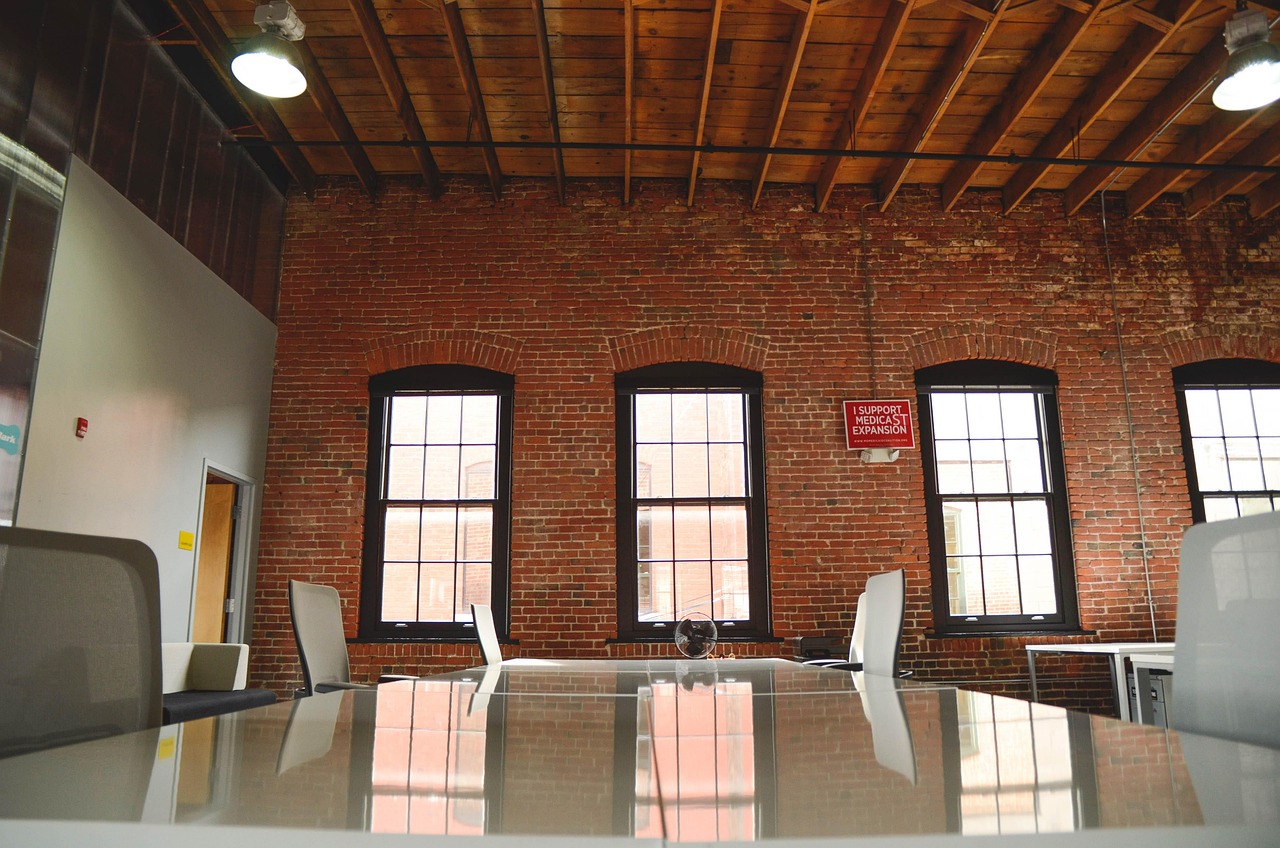
Deep Ellum stands as Dallas’ largest entertainment district, where live music venues, eclectic shops, and distinctive restaurants create the city’s most vibrant cultural hub. This dense concentration of dining and nightlife makes it a natural hotspot for new restaurant concepts. The district’s appeal comes from its authentic mix of historic brick buildings, active street life, and creative energy that draws both locals and visitors seeking an experience that can’t be replicated in typical suburban developments.
A restaurant builder Deep Ellum faces unique considerations shaped by ongoing public infrastructure projects and the neighborhood’s historic character. The Commerce Street project is currently converting one-way roads to two-way traffic while adding wider sidewalks and improved street lighting, with completion targeted for early 2027. Most restaurant projects here involve adaptive reuse of older brick buildings that require comprehensive system upgrades while preserving the historic exteriors that define the district’s distinctive streetscape appeal.
How Do Adaptive Reuse And Preservation Shape Restaurant Construction In Deep Ellum?
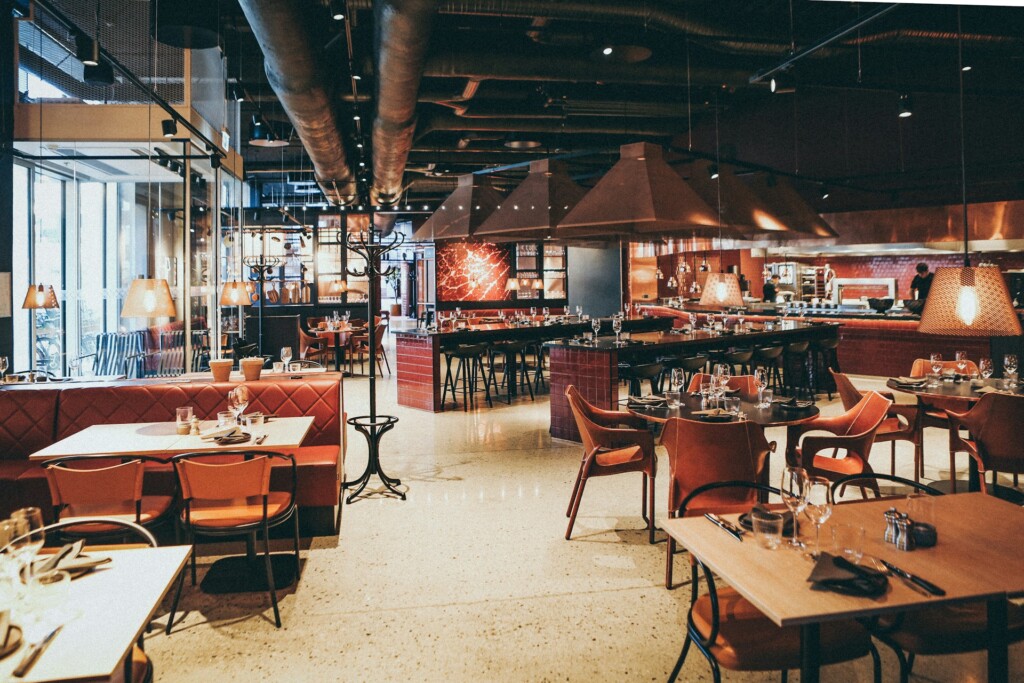
Deep Ellum’s restaurant construction follows a consistent approach: preserve historic street facades while completely modernizing interior systems. We approach these projects knowing that the character of 1950s brick exteriors must remain intact while everything behind them gets rebuilt for contemporary restaurant operations.
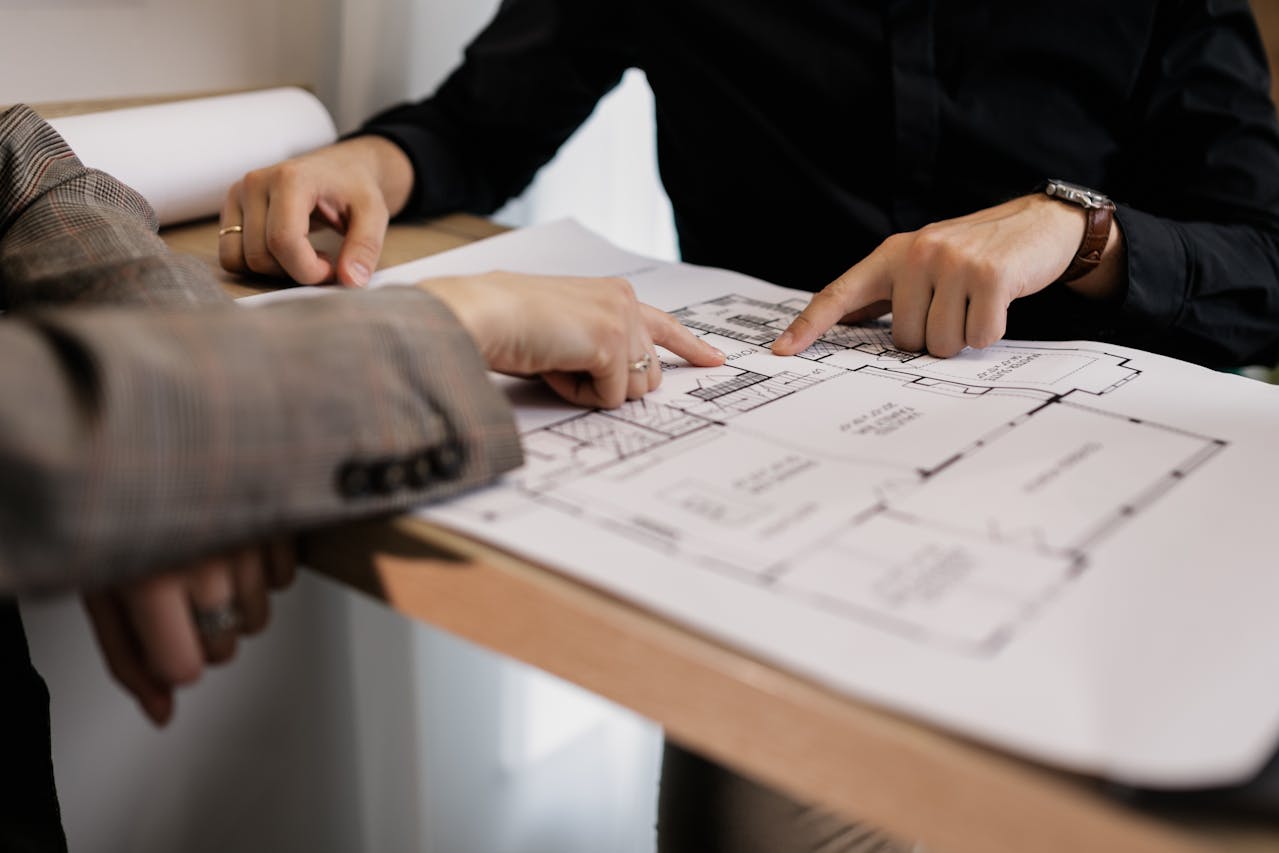
The scope typically starts with comprehensive existing conditions surveys using 3D laser scanning technology. This digital mapping captures precise measurements of aging structures, revealing the non-right angles and unlevel walls common in buildings from decades past. These scans become the foundation for planning interior shell work that accommodates modern equipment within historic constraints.
Infrastructure And Systems Overhauls
Underground utilities represent a major component of Deep Ellum restaurant renovations. We coordinate new water, sewer, gas, and electrical service lines that can handle high-volume restaurant demands. Many existing buildings lack the capacity for modern commercial kitchens, dishwashing systems, and HVAC loads.
Roof replacement becomes necessary in most older building conversions. We often remove entire roof systems, address structural issues, and install new assemblies designed for restaurant ventilation and equipment loads. The process includes correcting decades of settling that created unlevel surfaces throughout the building envelope.
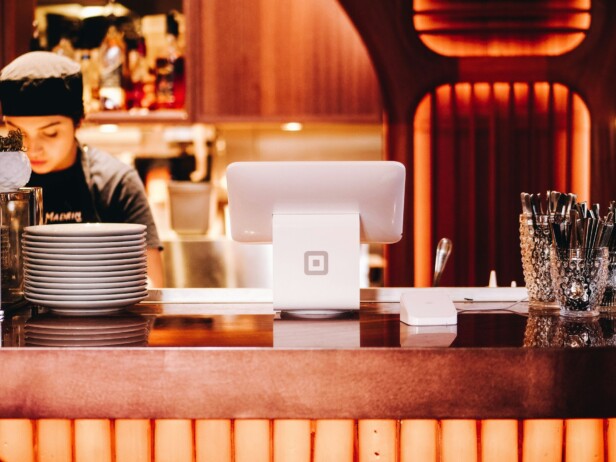
Full MEP upgrades follow predictable patterns in these conversions. New plumbing systems accommodate commercial sinks, grease management, and ADA compliance. Electrical systems get completely rewired for modern lighting, kitchen equipment, and point-of-sale systems. HVAC installations must balance dining comfort with kitchen ventilation requirements while working within historic building constraints.
Preserving Exteriors With Modern Techniques
Aluminum composite panels serve as a key solution for updating structural elements without altering historic appearances. We fabricate custom beam wraps and elevation treatments that conceal new support systems while maintaining original exterior profiles. This approach allows us to reinforce aging structures without compromising the visual continuity of Deep Ellum’s historic streetscapes.
Interior shell work proceeds independently from exterior preservation efforts. Once we establish the building envelope, we can create entirely new layouts optimized for restaurant flow, kitchen efficiency, and customer experience. This separation of interior and exterior scopes allows maximum flexibility in restaurant design while respecting historic preservation requirements.
Structure repair addresses the reality of older buildings that have experienced decades of settling, moisture exposure, and previous modifications. We regularly encounter foundation issues, deteriorated framing, and compromised structural connections that require systematic correction before restaurant operations can begin safely and successfully.
What Design And Brand Elements Fit Deep Ellum’s Streetscapes?
Creating Wrap-Around Patios For Street Activation
Wrap-around patios at hard corners maximize sidewalk engagement and create the most visible seating areas. These configurations capture pedestrian flow from multiple directions while providing diners with front-row views of street activity. We position these patios to extend the indoor dining experience directly onto the sidewalk, using materials that complement existing brick facades while adding modern touches.
Corner locations with wrap-around patio design offer the highest visibility for restaurant brands. The extended seating area acts as both functional dining space and visual marketing, drawing attention from passing foot traffic. Strategic placement of covered sections ensures year-round usability while maintaining the open connection between interior and exterior spaces.
Maximizing Visibility With Rooftop Seating And String Lights
Rooftop seating creates evening energy that extends well beyond street level, making restaurants visible from blocks away. String lights transform these elevated spaces into beacons that signal active dining and entertainment. We design rooftop areas to complement the existing brick and texture elements while adding contemporary appeal through lighting and modern fixtures.
The combination of rooftop seating and strategic lighting creates multiple visibility layers throughout the day. During daylight hours, elevated seating provides diners with district views while drawing upward glances from street level. As evening approaches, string lights and illuminated signage establish a warm, inviting presence that contrasts with the historic brick backdrop.
Integrating Bold Signage And Murals With Historic Character
Brand signage in Deep Ellum succeeds when it complements rather than competes with existing murals and neon elements. We integrate bold graphics and modern signage with the neighborhood’s artistic character, using colors and materials that stand out while respecting the district’s visual heritage. Clear, prominent signage guides heavy foot traffic toward entries while establishing strong brand presence.
Murals and neon treatments work particularly well on two-story restaurants where upper facades provide canvas space for artistic expression. These elements create Instagram-worthy backdrops that extend marketing reach beyond the immediate dining experience. The key lies in balancing contemporary brand needs with Deep Ellum’s established artistic identity.
Balancing Street-Level Brick With Modern Upper Treatments
Brick facades at street level anchor restaurants within Deep Ellum’s historic context while providing the textural foundation that defines the district. We maintain these ground-floor materials to ensure continuity with neighboring buildings while using upper-level facade treatments to signal innovation and contemporary dining concepts. This approach respects preservation requirements while allowing brand differentiation.
Modern treatments above street level can include contemporary window systems, updated awnings, and creative use of materials that complement rather than mask underlying brick structures. These facade treatments help two-story restaurants establish distinct identities while contributing to the district’s evolving streetscape character.
Designing Generous Covered Patios And Clear Entries
Covered patio areas extend the dining season and provide weather protection while maintaining the indoor-outdoor connection that defines successful Deep Ellum restaurants. We design these spaces with sufficient depth to accommodate full service dining while creating natural transitions between sidewalk activity and interior spaces. Clear sight lines from covered patios to main entries help staff coordinate service between indoor and outdoor sections.
Entry design focuses on visibility and accessibility for heavy foot traffic patterns common throughout the district. Wide, clearly marked doorways with good lighting ensure easy identification during busy evening hours. These entries work in coordination with patio design to create welcoming transitions that encourage both planned visits and spontaneous stops from passing pedestrians.
How Should Builders Plan For Location, Access, And Timing Amid Public Projects?
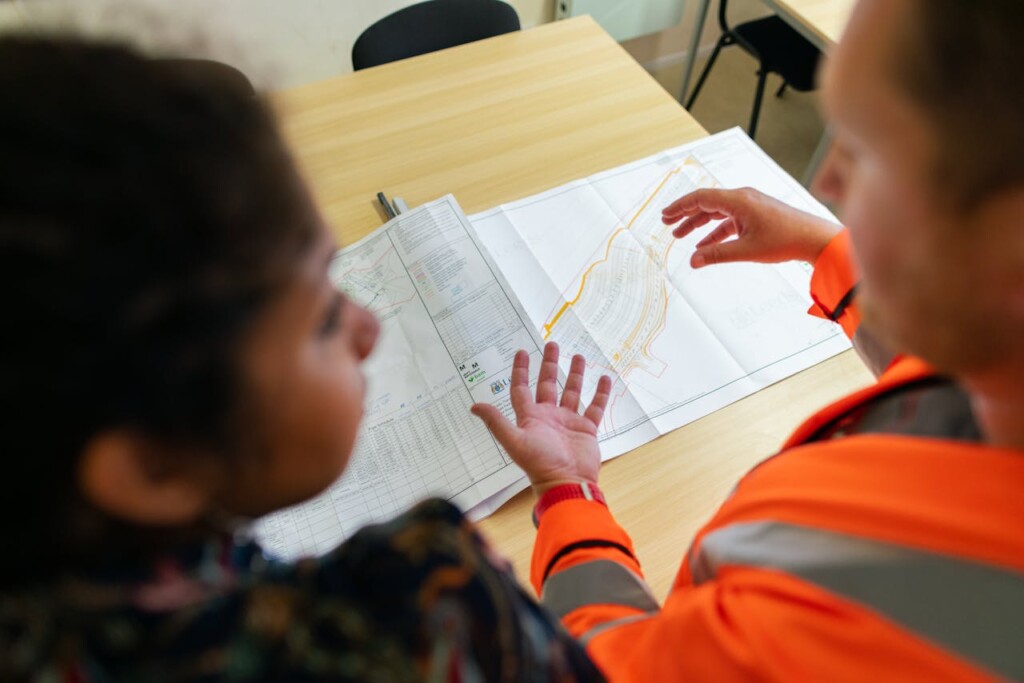
Strategic site selection shapes restaurant performance in Deep Ellum. We evaluate corner properties near transit hubs and major developments for maximum visibility and accessibility. The intersection of Good Latimer and Gaston represents optimal positioning, offering wrap-around patio potential while connecting to both DART proximity and the Epic development.
The Commerce Street two-way conversion creates both opportunities and challenges. Wider sidewalks will enhance pedestrian flow and outdoor dining capacity once complete in early 2027. During the transition period, we adjust construction schedules to work around reduced foot traffic patterns and temporary access limitations.
Timing Construction Around Streetscape Projects
We phase restaurant builds to align with public infrastructure milestones. Starting interior work during streetscape disruptions allows us to complete major systems while outdoor access remains limited. This approach positions restaurants for grand openings when improved street lighting and pedestrian infrastructure enhance the arrival experience.
Construction phasing requires coordination with city project schedules. We monitor Commerce Street progress to time exterior work, patio installation, and facade improvements with streetscape completion. This sequencing maximizes the impact of wider sidewalks and two-way traffic on restaurant visibility.
Managing Access And Wayfinding During Construction
Maintaining customer access during simultaneous construction projects demands proactive planning. We establish temporary wayfinding systems that direct patrons to functional entrances and available parking access points. Clear signage becomes essential when both restaurant construction and street work create navigation challenges.
Parking access solutions require flexibility during construction periods. We coordinate with nearby properties for temporary parking arrangements and establish shuttle services when standard access routes face disruption. These measures preserve customer convenience while construction progresses on multiple fronts.
Communication strategies keep future patrons informed about opening timelines and access changes. We use digital platforms to update customers about construction progress and coordinate marketing campaigns with streetscape completion dates. This approach builds anticipation while managing expectations during the construction phase.
Conclusion And Next Steps For Restaurant Projects In Deep Ellum
We approach Deep Ellum restaurant construction as a careful balance between honoring the district’s historic character and delivering the modern infrastructure today’s restaurants demand. The neighborhood’s success stems from understanding how historic preservation, contemporary systems, and distinctive brand elements work together. When we coordinate adaptive reuse planning with utility upgrades and patio-forward design, projects achieve both operational efficiency and the authentic Deep Ellum experience guests expect.
Site selection drives performance in this district. We prioritize locations with natural patio opportunities, proximity to DART stations, and visibility from key pedestrian routes. The ongoing Commerce Street improvements will transform traffic patterns and sidewalk accessibility through early 2027, creating both challenges and opportunities for construction scheduling. We phase our work around streetscape milestones, maintain clear wayfinding during construction, and establish construction access plans that keep restaurants operational while the neighborhood evolves around them.
Ready to start your Deep Ellum restaurant project? Contact EB3 Construction to discuss how we coordinate historic preservation with modern restaurant systems.