
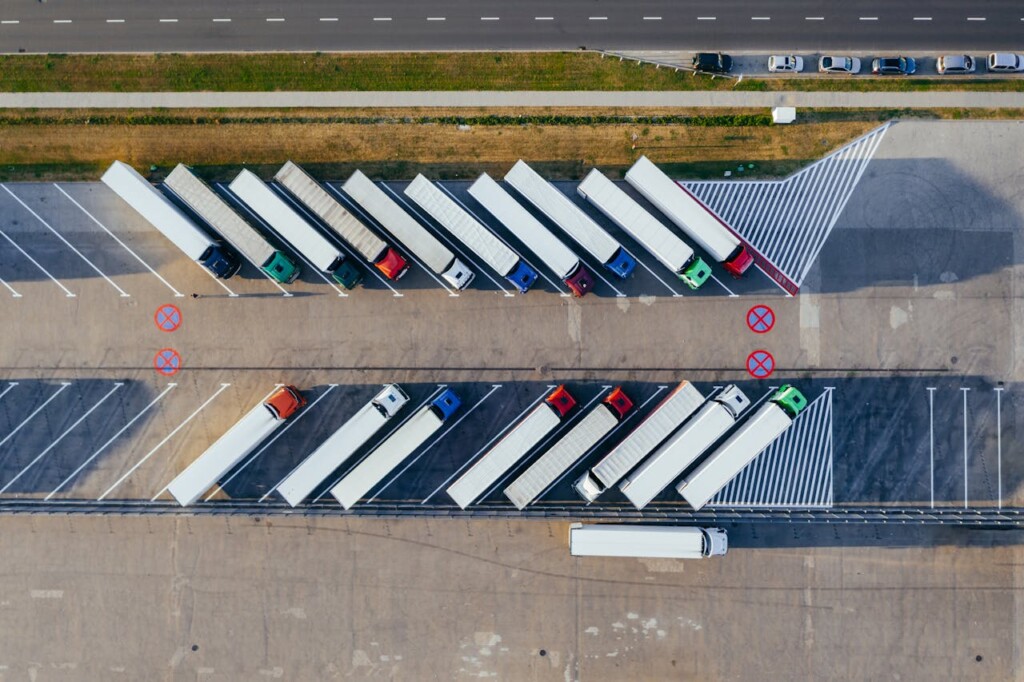
Fleet downtime costs operations between $450 and $750 daily per vehicle, making effective garage design crucial for business continuity. A fleet maintenance garage builder addresses this challenge by creating spaces that maximize vehicle uptime through smart facility planning.
We focus on core elements that directly impact operations: spacious service bays with high clearances for larger commercial vehicles, multiple vehicle lifts positioned for efficient workflow, and wide roll-up doors that accommodate everything from delivery vans to heavy-duty trucks. Modern fleet operations depend on digital service logs and telematics integration, so we design connectivity infrastructure alongside traditional mechanical spaces to support data-driven maintenance programs.
Which Maintenance Workflows Should Shape Your Garage Layout?
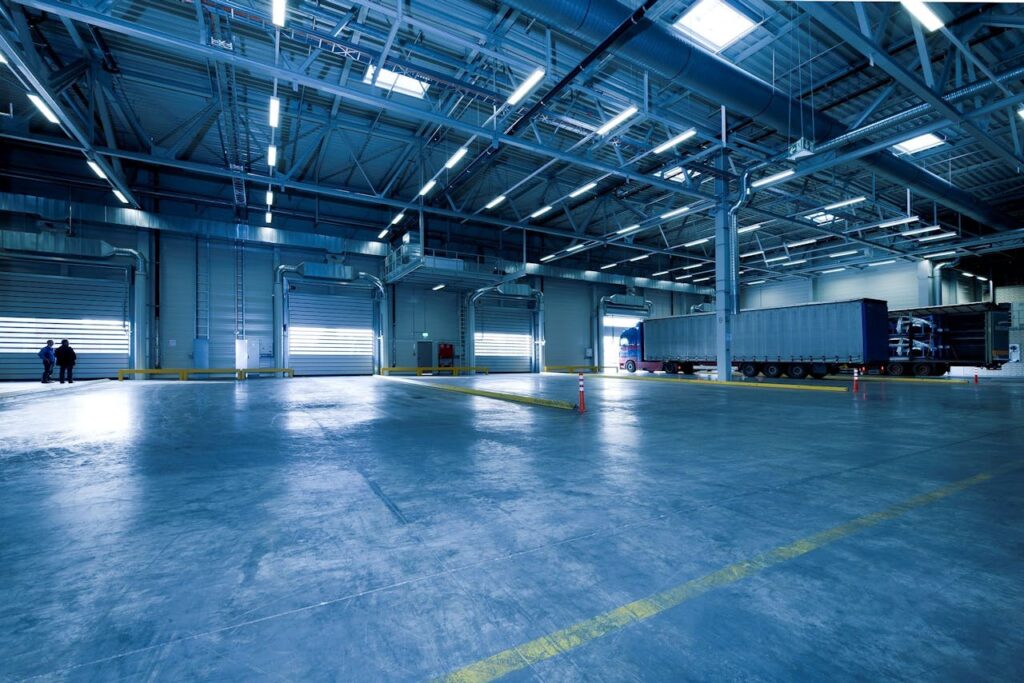
Fleet maintenance workflows drive successful garage design. We base our layouts on how technicians move through daily tasks, from routine inspections to complex diagnostics and heavy-duty repairs. Understanding these patterns helps us create spaces that reduce wasted steps and support efficient service delivery.
Routine inspections form the backbone of preventive maintenance programs. We design dedicated inspection bays near the facility entrance, allowing quick vehicle processing without disrupting deeper repair work. These areas need good lighting, organized tool storage, and digital connectivity for maintenance records. Service vans, utility trucks, and dump trucks require different clearance heights and access points during these routine checks.
Preventive Maintenance Bay Configuration
Scheduled PM work demands consistent, well-equipped spaces. We plan preventive maintenance bays with standardized tool layouts, fluid dispensing systems, and lift configurations that handle mixed fleet sizes. These bays work best when positioned for smooth vehicle flow, typically with drive-through access that keeps traffic moving efficiently.
Parts storage needs direct access from PM bays. Technicians performing oil changes, filter replacements, and fluid checks require immediate access to consumables without crossing active work areas. We integrate storage solutions that keep common wear items within arm’s reach of each service position.
Diagnostic Area Requirements
Diagnostic work requires different spatial considerations than routine maintenance. We separate diagnostic bays to provide quiet environments for troubleshooting electrical systems, engine performance issues, and complex mechanical problems. These spaces need enhanced connectivity for scan tools, diagnostic equipment, and fleet management systems.
Advanced diagnostic equipment often requires dedicated power and data infrastructure. We plan these areas with additional electrical capacity, compressed air access, and network connectivity that supports telematics integration and real-time data transfer to maintenance management systems.
Heavy-Duty Repair Zones
Major repairs demand specialized space planning. We design heavy-duty repair areas with overhead crane access, increased floor loading capacity, and expanded clearance around work positions. Engine rebuilds, transmission work, and chassis repairs require different spatial requirements than standard maintenance tasks.
Parts and tire zones support these heavy repairs through strategic placement. Large component storage, tire mounting equipment, and specialty tool access integrate directly with repair bay layouts. We position these support areas to minimize material handling time during complex repair procedures.
EV Fleet Maintenance Considerations
Electric vehicle service introduces unique workflow requirements. We plan EV maintenance areas with electrical system assessment capabilities, battery health monitoring equipment, and specialized charging infrastructure. These spaces require enhanced ventilation, electrical safety features, and isolation from traditional combustion engine work areas.
Software updates and system diagnostics become routine EV maintenance tasks. We integrate Wi-Fi connectivity, diagnostic tool charging stations, and computer workstations that support over-the-air updates and system programming. Brake maintenance for EVs often requires different procedures due to regenerative braking systems.
Coolant system support for EVs demands different infrastructure than traditional antifreeze systems. We plan dedicated fluid handling systems for EV thermal management, including proper disposal and recycling capabilities for electric vehicle-specific fluids.
Administrative Integration
Office areas connect directly to maintenance workflows through strategic placement and digital integration. We position administrative spaces with visibility to service areas while maintaining separation for safety and noise control. Records management, schedule coordination, and compliance documentation require dedicated workspace that supports both digital and physical filing systems.
Maintenance records increasingly rely on digital systems that track work orders, parts usage, and technician productivity. We integrate network infrastructure throughout administrative areas that supports real-time data access and fleet management software connectivity.
How Can Facility Design Improve Uptime And Control Costs?
Research consistently shows that uptime performance connects directly to how well a facility supports preventive maintenance programs and data collection. We design layouts that minimize service time and maximize equipment availability through strategic positioning and workflow efficiency.
Design For Quick Preventive Maintenance Access
Strategic bay layout reduces the time technicians need to position vehicles and access systems. We position vehicle lifts with adequate clearance for simultaneous work on multiple units while ensuring tool storage stays within arm’s reach of each service position. Quick access prevents delays that compound across daily service schedules.
Research from facility management studies indicates that implementing structured preventive maintenance plans can reduce annual maintenance expenses by 12-18%. Layout design supports these savings by reducing setup time and improving technician efficiency during routine tasks.
Enable Post-Work Inspections And KPI Tracking
We integrate dedicated inspection areas that connect to digital systems for immediate data capture. These spaces allow technicians to complete quality checks and log performance data without disrupting active service bays. Post-work inspections feed into KPI dashboards that track maintenance effectiveness and identify patterns before they become costly problems.
Digital connectivity throughout the facility enables real-time logging of service completion, parts usage, and performance metrics. This data integration supports predictive maintenance by creating actionable insights from routine service activities.
Reduce Drive-Ups And Out-Of-Service Time
Clear workflow design eliminates unnecessary vehicle movement and staging delays. We plan direct paths from entry to service positions, with designated areas for pre-service inspections and post-work testing. This approach can cut unplanned downtime by up to 50% according to predictive maintenance research.
Strategic parts storage placement reduces technician travel time during service. When commonly used components stay close to primary work areas, routine maintenance completes faster and with fewer interruptions. Right-sized work areas prevent overcrowding while maintaining efficient technician movement patterns.
Support Outsourcing Reduction Through In-House Capabilities
Comprehensive tool storage and well-planned work areas enable teams to handle more maintenance tasks internally. We design facilities with enough space and utility access to support expanded service capabilities, reducing dependence on outside contractors for routine repairs.
Parts management systems built into the layout help control inventory costs while ensuring necessary components stay readily available. Organized storage reduces emergency procurement and helps maintain consistent service schedules without external delays.
What Safety, Compliance, And Environmental Details Are Essential?

We design fleet maintenance garages with safety as the foundation. Research from industry safety organizations shows consistent safety practices reduce accidents by up to 40% in maintenance environments. When technicians work in predictable, well-marked spaces with reliable PPE access, they complete tasks faster and more accurately.
Every bay needs clearly defined work zones and marked circulation routes. We install safety bollards at strategic points to protect personnel from vehicle traffic and prevent equipment damage. Wide roll-up doors ensure unobstructed movement for both vehicles and emergency egress. Emergency eyewash stations, first aid equipment, and fire extinguishers require dedicated locations within 100 feet of every work area.
Personal Protective Equipment And Quality Check Systems
PPE storage and inspection areas become critical components we integrate into garage layouts. Technicians need quick access to safety glasses, hearing protection, gloves, and respiratory equipment appropriate for their tasks. Research indicates that organized PPE stations increase usage compliance by 65% compared to scattered storage approaches.
We design quality check stations where supervisors can conduct structured safety inspections. These areas include proper lighting for equipment examination and space for documentation. Monthly safety meetings and PPE condition reviews require dedicated conference space connected to the work floor.
Compliance Infrastructure For Mandatory Inspections
Fleet maintenance facilities must accommodate various regulatory requirements. We create designated inspection bays with documentation stations for mandatory vehicle safety checks. These spaces need computer access for digital record-keeping and secure storage for physical compliance files.
OSHA regulations require specific safety training documentation and incident reporting systems. We include office areas designed for safety record management, with secure filing and digital backup capabilities. Compliance audits become more efficient when documentation systems are centralized and easily accessible.
Environmental Controls For EPA And HAZMAT Requirements
Environmental compliance drives several design decisions in modern fleet garages. Closed-loop oil evacuation systems prevent ground contamination and align with EPA regulations for waste management. We design these systems with proper drainage, containment, and recovery equipment integrated into bay layouts.
HAZMAT storage requires specialized ventilation, secondary containment, and separation from ignition sources. Chemical storage areas need climate control and spill containment systems. We position these spaces for easy access during routine operations while maintaining safety distances from work areas and electrical equipment.
Air quality monitoring becomes essential when working with diesel exhaust, solvents, and cleaning chemicals. We install ventilation systems that maintain proper air exchange rates and include monitoring equipment for continuous assessment. Proper ventilation reduces health risks and supports compliance with indoor air quality standards.
How Should a Garage Support Mobile and On-Site Maintenance?
Exterior Service Aprons and Drive-Through Design
Mobile maintenance units can handle up to 90% of routine service needs, but they require dedicated staging areas that don’t interfere with fixed bay operations. We design exterior aprons with adequate width for mobile service trucks to position alongside vehicles for maintenance tasks. These service aprons typically include reinforced concrete surfaces that support heavy vehicle loads and provide stable working platforms for technicians.
Drive-through access becomes critical when mobile crews need to move equipment or work on vehicles that can’t remain in fixed bays. We incorporate overhead door configurations on opposite ends of select bays, allowing vehicles to pass completely through the structure. This design eliminates backing maneuvers and enables continuous workflow during peak service periods.
Power Infrastructure and Connectivity Requirements
Mobile operations depend on reliable electrical service to power diagnostic equipment, lifts, and tools outside traditional bay locations. We install weatherproof electrical outlets along exterior aprons, typically spaced every 20 to 30 feet to accommodate various mobile unit configurations. These installations include both 120V standard outlets and 240V connections for high-power equipment that mobile crews might deploy.
Wi-Fi connectivity enables real-time updates between mobile technicians and fleet maintenance systems. We ensure exterior coverage extends to all designated staging areas and service aprons where mobile crews operate. This connectivity supports digital service logs, parts ordering, and immediate communication with dispatch or management teams.
Secure After-Hours Access Systems
Fleet operations often require maintenance during off-peak hours to minimize vehicle downtime and operational disruptions. We design secure access control systems that allow authorized mobile crews to enter designated areas during weekend or overnight service windows. These systems typically include keypad entry, card readers, or mobile app-controlled locks that maintain security while enabling flexible scheduling.
After-hours lighting systems activate automatically when crews enter staging areas, providing adequate illumination for safe mobile maintenance work. Motion sensors trigger lighting sequences that illuminate work zones without activating unnecessary areas, maintaining both security and energy efficiency during extended service operations.
Staging Areas for Mobile Vehicle Coordination
On-site maintenance programs require organized staging areas for mobile service vehicles and parts distribution. We designate specific zones within the garage layout where mobile units can park, load supplies, and coordinate with facility-based technicians. These staging areas include weatherproof storage for commonly needed parts and consumables that mobile crews access regularly.
Parts drop-off zones streamline inventory management between fixed facility storage and mobile operations. We design these areas with clear access routes for delivery vehicles while maintaining separation from active service bays. Organized storage systems in staging areas enable quick loading of mobile units with scheduled maintenance supplies and replacement parts.
Conclusion And Next Steps

Building an effective fleet maintenance garage requires strategic planning that addresses the core elements of preventive maintenance, diagnostics, and compliance. We map technician workflows to create bay configurations that support scheduled PM tasks and diagnostic work. Connectivity infrastructure enables data-driven operations through telematics integration and digital service logs.
EV service readiness demands specialized considerations including battery health monitoring areas and electrical system assessment zones. Environmental controls ensure compliance with EPA regulations while closed-loop oil evacuation systems support responsible fluid management. KPI-driven quality measures depend on workspace design that facilitates post-work inspections and accurate documentation.
When you’re ready to move forward with your fleet maintenance garage project, contact EB3 Construction to discuss your specific operational requirements and facility design needs.