
Converting raw warehouse volume into productive office space requires specialized construction expertise. We transform storage facilities into modern workspaces by handling framing contractors for new layouts, electrical configuration upgrades, lighting installation, HVAC system integration, and comprehensive safety and security upgrades.
Warehouse office conversion encompasses interior design coordination, smart office setup capabilities, and code-compliant build-out execution. We align construction decisions with regulatory requirements and project timelines from the earliest design phases.
What Due Diligence And Planning Steps Come First?
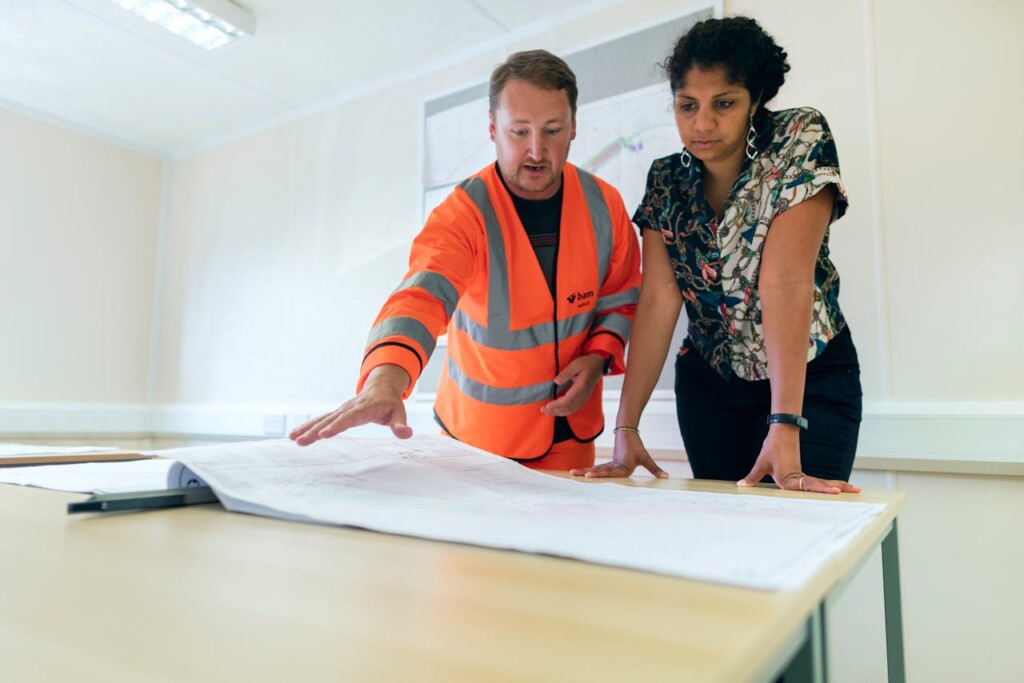
Start with a structural assessment to verify the warehouse can support office loads and occupancy. We examine foundations, load-bearing walls, and floor systems to confirm they meet current office requirements. This evaluation reveals potential structural upgrades needed before construction begins.
Environmental review comes next. Test for asbestos in insulation, flooring, and ceiling materials common in older warehouses. Check for lead paint on surfaces and contamination in soil if exterior work is planned. These findings directly impact project costs and timelines, so we address them early in planning.
Site feasibility includes zoning verification and parking requirements. Confirm the property allows office use under current zoning codes. Calculate required parking spaces based on planned square footage and employee count. Many warehouse sites have adequate parking, but office conversions may trigger different ratios that affect project viability.
Mechanical integration planning evaluates how new HVAC, electrical, and plumbing systems will connect to existing infrastructure. Warehouse buildings typically need significant upgrades to support office comfort and productivity. We map utility locations and capacity to avoid costly surprises during construction.
Code compliance review covers accessibility, egress, fire protection, and building standards for office occupancy. Office buildings have stricter requirements than warehouses for emergency exits, restroom facilities, and accessibility features. Early code guidance helps shape design decisions and prevents change orders.
Schedule planning balances construction phases with permit approvals and equipment deliveries. We coordinate structural work, system installations, and interior build-out to maintain project momentum. Early involvement allows us to sequence activities efficiently and identify potential delays before they impact occupancy dates.
Which Building Systems Must Be Upgraded For Offices?
Converting warehouse space into functional office environments requires comprehensive upgrades to core building systems. Each system must accommodate the shift from industrial use to professional workspace standards while meeting current building codes.
Electrical System Reconfiguration
Electrical panel upgrades form the foundation of office conversions. We plan reconfiguration to handle increased power loads from office equipment, computers, and modern lighting systems. Panel capacity often needs expansion to support new circuits throughout the space.
GFCI protection becomes mandatory in specific areas during office conversions. We install GFCI outlets in break rooms, restrooms, and any areas within six feet of water sources. These installations protect occupants from electrical hazards and ensure code compliance.
Surge protection safeguards sensitive office equipment from power fluctuations. We integrate surge protective devices at electrical panels to shield computers, servers, and communication systems from damage. The 2023 National Electrical Code now requires surge protection for fire alarm control panels to ensure life safety systems remain operational.
Smoke alarms require installation throughout office areas per fire codes. We connect these devices to the building’s fire alarm system and test all installations after completion to verify proper operation.
LED Lighting And Control Systems
LED lighting upgrades deliver energy savings and improved workspace illumination. We replace outdated fixtures with efficient LED systems that provide consistent light levels suitable for office tasks. LED technology reduces energy consumption while delivering better light quality.
Dimmers allow occupants to adjust lighting levels based on tasks and preferences. We install dimming controls in conference rooms, private offices, and common areas to enhance comfort and reduce energy usage during different times of day.
Track and pendant fixtures offer flexible lighting solutions for open office layouts. These systems direct light where needed while maintaining design flexibility as workspace needs evolve. Task lighting provides focused illumination at workstations without overlighting surrounding areas.
Smart lighting systems integrate with building automation to optimize energy performance. These controls automatically adjust light levels based on occupancy and daylight availability, reducing operating costs while maintaining comfortable working conditions.
HVAC System Integration
Heating, cooling, and ventilation systems require complete reconfiguration for office comfort. Warehouses typically lack the precise temperature control needed for professional environments. We design HVAC systems sized appropriately for the new office layout and occupancy levels.
Ventilation becomes critical for maintaining indoor air quality with increased occupant density. We install systems that provide adequate fresh air exchanges per building codes while maintaining energy efficiency. Proper ventilation prevents humidity problems and ensures comfortable working conditions.
System sizing must account for office-specific loads including computers, printers, and lighting heat gain. Oversized systems waste energy and create comfort problems, while undersized units cannot maintain proper conditions during peak usage periods.
Fire Protection And Life Safety Compliance
Fire protection systems require updates to meet office occupancy requirements. We install fire alarm systems with appropriate detection devices throughout the converted space. Manual fire alarm boxes must be positioned near exits with proper travel distances maintained.
Egress paths need clear marking and adequate width for office occupant loads. We ensure exit signs have proper illumination and backup power systems. Emergency lighting provides safe evacuation routes during power outages.
Code compliance verification prevents occupancy delays and costly rework. We coordinate with local authorities having jurisdiction to confirm all fire protection and life safety systems meet current standards before final inspection.
How Is The Interior Office Built Out Inside A Warehouse?

Interior framing forms the backbone of any warehouse office build-out. We frame walls using metal studs or wood framing to create defined rooms and clear pathways between work areas. The framing layout depends on your operational needs and whether you need private offices, conference rooms, or open collaborative spaces.
Wall placement requires careful consideration of warehouse operations. We position interior walls to maintain efficient traffic flow while creating functional work zones. Framing height typically reaches the ceiling or stops short to maintain open sight lines across the warehouse floor.
Strategic Entry Design And Vestibules
Weather protection becomes critical when office entries connect directly to warehouse loading areas. We design vestibules that create an airlock between the conditioned office space and the warehouse environment. These entry systems prevent temperature loss and keep dust, noise, and weather from disrupting office activities.
Vestibule sizing depends on traffic volume and equipment access needs. A standard vestibule measures 6 feet by 8 feet for typical foot traffic. Larger vestibules accommodate equipment movement or wheelchair accessibility requirements.
Reception Area Planning And Sizing
Reception areas need adequate space for visitors without overwhelming the overall office footprint. We size reception areas at approximately 10 square feet per visitor typically served during peak periods. A small operation expecting two to three visitors sizes the reception at 20 to 30 square feet.
Reception desk placement considers visibility to warehouse operations and privacy for confidential conversations. We position reception furniture to control access to work areas while maintaining a welcoming atmosphere for clients and vendors.
Open Floor Plan Implementation
Open floor plans maximize flexibility in warehouse office conversions. We design spaces that adapt as your business grows or changes direction. Movable partition systems allow space reconfiguration without major construction work.
Open layouts improve communication between office and warehouse teams. Sight lines between the office and warehouse floor help supervisors monitor operations while maintaining a professional work environment for administrative tasks.
Insulation Integration And Energy Efficiency
Insulation dramatically improves comfort and energy performance in warehouse office spaces. We install insulation in exterior walls and any walls separating conditioned office areas from unconditioned warehouse space. Proper insulation reduces heating and cooling costs while improving acoustic separation.
Insulation placement around mechanical, electrical, and plumbing systems requires coordination during construction. We plan penetrations through insulated assemblies to maintain thermal performance and prevent air leakage that wastes energy.
MEP Coordination Within Interior Walls
Mechanical, electrical, and plumbing systems must integrate seamlessly with interior framing and insulation. We coordinate HVAC ductwork, electrical conduits, and plumbing runs within wall cavities and ceiling spaces to avoid conflicts during construction.
Planning utility routes early prevents unnecessary penetrations that compromise insulation performance. We group utilities in common chases when possible and seal all penetrations to maintain the building envelope integrity. Coordination between trades ensures clean installations that support both function and energy efficiency.
Which Delivery And Scheduling Approach Keeps Conversions On Track?
The design-build approach streamlines warehouse to office conversions by uniting design and construction under a single point of responsibility. This integration eliminates the coordination challenges between separate architects and contractors that can derail traditional projects. When we manage both design development and construction execution, decisions move faster and potential conflicts get resolved before they impact the schedule.
Preliminary design work begins during the early planning stages, allowing us to identify constructability issues and optimize layouts before finalizing plans. This early collaboration between our design and construction teams prevents the change orders that typically emerge when contractors encounter unbuildable designs. The approach also enables value engineering throughout the process, helping balance your vision with budget constraints.
Pre-Construction Planning And Coordination
Effective pre-construction planning sets the foundation for smooth project execution. We begin with detailed budgeting that accounts for the specific challenges of warehouse conversions, including structural modifications and extensive MEP upgrades. This phase includes comprehensive permit coordination to secure all necessary approvals before construction begins.
Utility coordination proves critical in warehouse conversions where existing systems often require significant upgrades or relocations. We work directly with utility providers to schedule disconnections, relocations, and new service installations. This coordination prevents delays that can occur when utility work conflicts with construction activities or when service availability doesn’t align with project needs.
Phased Scheduling And Equipment Alignment
Phased scheduling breaks the conversion into manageable segments that accommodate long-lead equipment deliveries and complex system installations. We sequence work to minimize disruptions between trades and create logical progression from structural modifications through MEP installations to interior finishes. Each phase includes specific milestones that allow for progress evaluation and schedule adjustments if needed.
Equipment deliveries receive particular attention in our scheduling process. HVAC units, electrical panels, and specialty lighting systems often have extended lead times that can impact the overall schedule. We coordinate these deliveries with installation windows, ensuring equipment arrives when our teams are ready to install it while avoiding storage complications on active construction sites.
On-Site Supervision And Progress Management
Our on-site supervision maintains quality control and keeps subcontractors aligned with project schedules. Daily coordination meetings address immediate challenges and adjust work sequences as conditions require. This hands-on management approach proves especially important in warehouse conversions where existing conditions often reveal unexpected issues requiring quick decisions.
Regular progress updates provide transparency through milestone reporting that tracks actual progress against planned schedules. We document completion percentages for each trade and identify any activities running behind schedule. This reporting system enables proactive problem-solving before delays compound and affect subsequent work phases.
Post-construction support ensures smooth project closeout and building occupancy. We conduct final walkthroughs to address any remaining items and provide comprehensive documentation of all building systems. This support extends through the initial occupancy period to resolve any operational questions that arise as tenants begin using the converted space.
Conclusion And Next Steps

Converting a warehouse into office space requires careful coordination across feasibility assessment, building system upgrades, and interior construction. We begin by evaluating structural integrity and code compliance before moving into the complex work of electrical reconfiguration, HVAC installation, and interior framing. Each phase builds on thorough planning and code compliance review to avoid costly delays.
The design-build approach streamlines this process by bringing design and construction decisions under unified project management. This method reduces change orders and accelerates schedule management while maintaining quality control throughout office build-out planning. Early involvement allows us to align mechanical system sizing with your specific occupancy needs and workspace requirements.
Ready to transform your warehouse into productive office space? Contact EB3 Construction for a site-specific feasibility review and cost analysis tailored to your project.