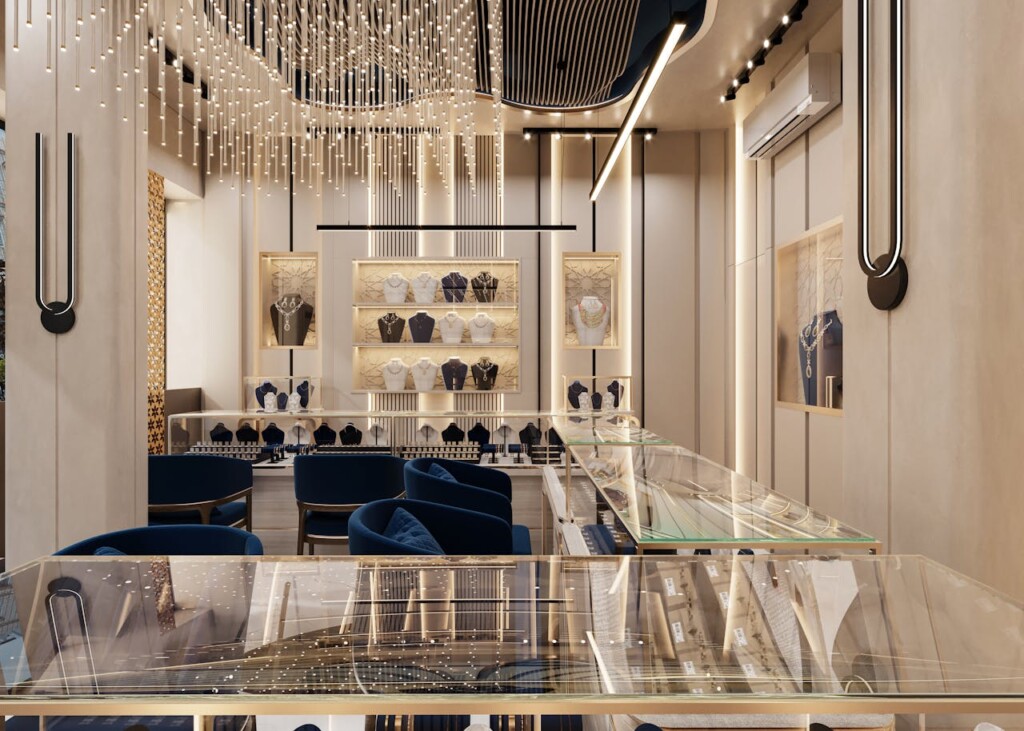
Jewelry stores selling $50,000 engagement rings and Swiss watches require construction precision that matches the value of the merchandise. A high-end jewelry store contractor specializes in luxury retail build-outs in which every fixture, lighting element, and security feature protects inventory while creating an environment that encourages purchases.
We coordinate design teams, custom millwork specialists, and security integrators to deliver flagship stores that reflect brand standards. The process includes storefront construction, interior build-outs with reinforced showcases, precise lighting installations, and anti-theft infrastructure that operates invisibly within refined spaces.
How Should Layout, Showcases, And Finishes Be Planned For Luxury Retail?
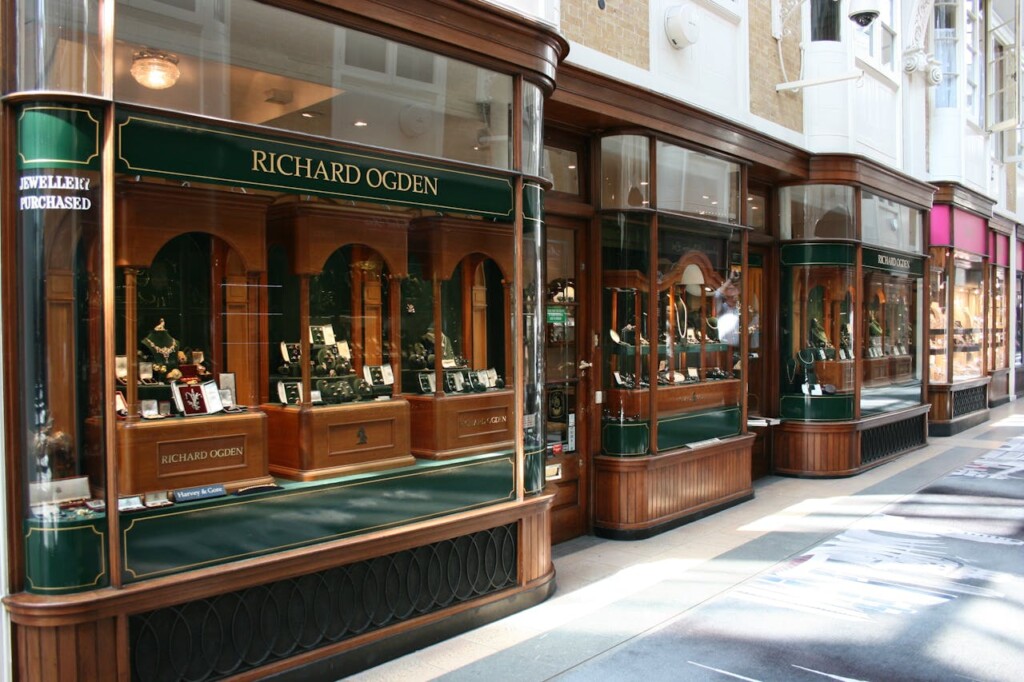
We prioritize premium display visibility and natural customer flow in luxury retail layouts. The floor plan directs shoppers through curated zones that showcase high-value inventory while maintaining clear sightlines for staff monitoring. The strategic placement of feature walls and elevated platforms creates focal points that draw attention to key collections without overwhelming the space.
Traffic flow requires careful consideration of entry points and movement patterns. We position payment areas at the natural end of the customer journey while ensuring staff can observe the entire sales floor. Wide aisles support comfortable browsing and prevent crowding around display cases during peak hours.
Custom Showcases and Architectural Millwork
Custom jewelry and watch showcases form the foundation of luxury retail environments. We specify display counters with reinforced glass tops, integrated lighting systems, and security mechanisms that protect valuable inventory while maximizing visibility. Each showcase incorporates brand-specific details such as custom hardware, logo elements, and signature color accents that reinforce the retailer’s identity.
Cashwraps serve dual functions as transaction points and final-impression spaces. We design these elements with hidden storage, discreet security features, and surfaces that complement the overall material palette. Freestanding casework provides flexibility for seasonal displays and inventory changes while maintaining a refined aesthetic.
Architectural millwork extends the brand experience through custom shelving, signage mounting systems, and decorative elements. We coordinate these features with structural requirements and ensure all millwork meets commercial durability standards. Precision fabrication ensures consistent gap lines and seamless integration with mechanical systems.
Material Selection for Durability and Refinement
We select materials that balance visual impact with long-term performance in high-traffic retail environments. Wood and veneer finishes provide warmth and sophistication while offering repair and refinishing options over the lease term. Premium species like walnut or oak deliver the gravitas luxury brands require while maintaining structural integrity under constant use.
Stainless steel components resist fingerprints and maintain their appearance with minimal maintenance. Glass elements maximize product visibility while creating an open, gallery-like atmosphere that enhances the shopping experience. Solid surface materials like engineered stone offer seamless installations with integrated sinks and easy cleaning for staff work areas.
Marble selections require careful consideration of porosity and staining resistance. We specify sealed surfaces for high-touch areas and coordinate with maintenance protocols to preserve the material’s appearance. Natural stone patterns create unique installations that cannot be replicated by competitors.
Low-VOC Finishes and Indoor Air Quality
Low-VOC and water-based finishes improve indoor air quality while extending fixture longevity. These formulations reduce volatile organic compounds by up to 60% compared to traditional lacquers while eliminating hazardous air pollutants. The improved chemical composition enhances product durability and performance, delivering a better return on investment through extended replacement cycles.
We coordinate finish schedules with installation timelines to minimize odors and allow proper curing before store openings. Water-based systems enable faster application and earlier occupancy compared to solvent-based alternatives. The reduced environmental impact aligns with corporate sustainability initiatives while protecting employee and customer health.
Finish consistency across multiple locations requires standardized specifications and quality control protocols. We maintain sample libraries and coordinate with approved applicators to ensure color matching and application standards meet brand requirements regardless of project location.
Value Engineering for Cost Control
Value engineering reduces production, shipping, and installation costs without compromising design intent or quality standards. We analyze each component for opportunities to standardize parts, reduce material waste, and optimize manufacturing processes. Modular design approaches enable economies of scale across multiple store locations while maintaining customization options.
Manufacturing efficiency improves through standardized connection details and simplified assembly procedures. We coordinate with fabricators to identify cost-saving opportunities in material usage and production sequencing. Shipping optimization reduces freight costs through efficient packaging and consolidated deliveries to project sites.
Installation time decreases through prefabrication and detailed coordination drawings. We provide complete assembly instructions and staging plans that minimize on-site labor hours while ensuring quality installation. These efficiencies translate into reduced construction schedules and earlier store openings.
Ergonomic Design for Staff and Customer Comfort
Ergonomic considerations enhance both staff productivity and customer comfort throughout extended shopping sessions. Display counter heights accommodate various user needs while providing comfortable viewing angles for jewelry examination. We incorporate adjustable elements where possible to suit different staff members and customer preferences.
Staff work areas include proper task lighting, adequate storage, and comfortable surfaces for detailed work like jewelry cleaning or watch adjustment. Back-of-house spaces coordinate with front-of-house aesthetics while prioritizing functionality and efficiency. Proper ventilation and temperature control maintain comfort in enclosed areas.
Customer seating areas provide respite during consultation sessions while maintaining sightlines to merchandise. We select commercial-grade furnishings that withstand constant use while complementing the luxury aesthetic. Accessibility compliance ensures all customers can navigate the space comfortably and safely.
What Security, Lighting, And UL Electrical Integrations Are Essential?
We protect high-value inventory with reinforced structural assemblies built directly into display cases and wall systems. Steel frames, security locks, and tamper-resistant panels form the foundation of our anti-theft infrastructure.
Electronic Article Surveillance (EAS) systems and RFID technology integrate with custom fixtures. We coordinate these security devices with case construction to maintain clear sightlines while adding multiple layers of protection.
UL Electrical Standards for Safe Power Distribution
All electrical work meets UL 970 standards for retail fixtures and commercial displays. We engineer power distribution systems that safely power LED lighting, touchscreen technology, and A/V components throughout the store.
Circuit design accommodates high-demand applications such as interactive displays and security systems. Dedicated circuits prevent overloads and provide easy service access for future maintenance or technology upgrades.
LED Lighting that Enhances Jewelry Presentation
We specify LED lighting installations that bring out the brilliance in diamonds and the richness in colored stones. Color temperatures range from warm 3000K for gold settings to cooler 4000K for platinum and silver pieces.
Track lighting, recessed fixtures, and under-cabinet strips work together to eliminate shadows while preventing glare that could interfere with customer viewing. Dimming controls allow staff to adjust intensity based on time of day and specific merchandise needs.
Integrated A/V and Touchscreen Elements
Interactive displays and digital signage require careful electrical planning to support current needs and future technology changes. We route low-voltage wiring for touchscreen monitors and audio systems during construction to avoid exposed cables.
Power and data connections are positioned for easy access without disrupting the store’s refined appearance. Cable management systems keep all wiring organized and accessible for service calls or system updates.
Balancing Brand Standards with Safety Performance
Security and lighting systems must align with brand guidelines while meeting all safety requirements. We coordinate fixture finishes with security hardware to maintain visual consistency across all display elements.
Emergency lighting and exit signs integrate discreetly with the overall design. Fire suppression systems, where required, blend with ceiling treatments to preserve the luxury aesthetic while providing full code compliance.
How Do Design, Engineering, And QA Keep The Build On Schedule?
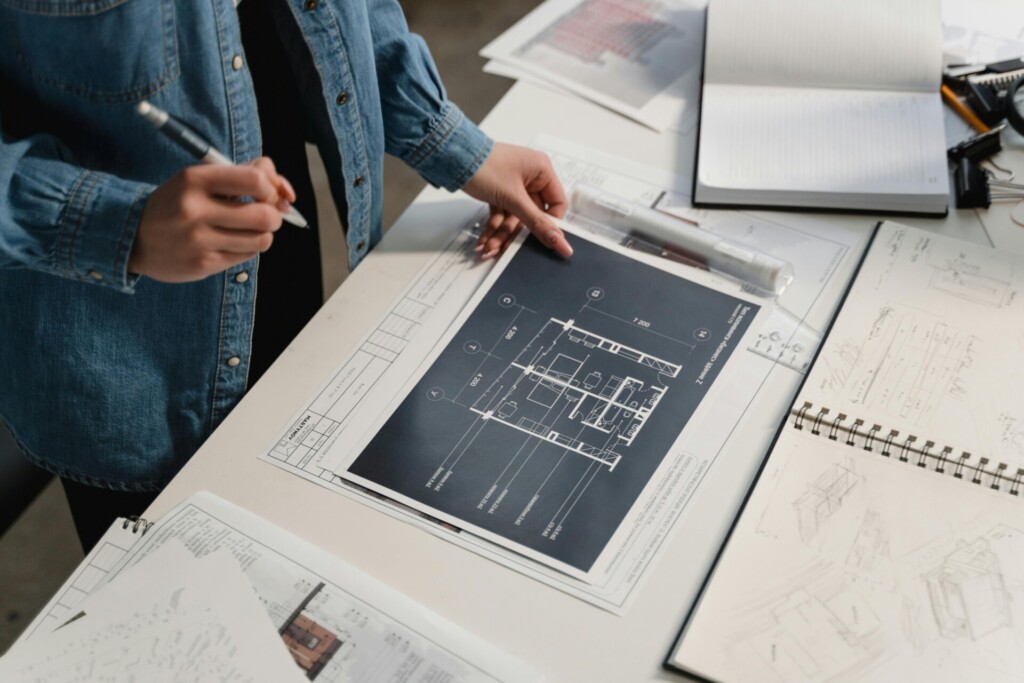
We start every luxury jewelry project with a structured design process that transforms concepts into detailed construction documents. This methodical approach prevents costly delays and ensures precision during fabrication and installation.
From Concept to Documentation
Our design team creates initial 3D renderings that capture the brand’s visual identity and space requirements. These renderings serve as the foundation for detailed AutoCAD drawings that include precise measurements, connection details, and assembly sequences. Every line and dimension in these drawings directly impacts fabrication accuracy.
We produce comprehensive bills of materials that specify exact quantities, grades, and finishes for each component. Part prints accompany these bills so fabrication teams understand critical dimensions and tolerances. This documentation prevents material shortages and eliminates guesswork during construction.
Testing Solutions Through Rapid Prototyping
Before committing to full production, we build prototypes of complex fixtures and casework solutions. This testing phase reveals potential assembly issues, finish problems, or functional limitations that could derail the schedule later. A custom showcase prototype, for example, might expose clearance problems or reveal that specified hardware doesn’t align with the brand’s aesthetic standards.
Rapid prototyping allows us to refine mechanisms, test security features, and validate lighting integration without the time and cost of full-scale rework. We use these prototypes to train installation crews and identify specialized tools or techniques needed on-site.
Quality Assurance for Consistency
Our design quality assurance process standardizes parts and finishes across all fixtures and millwork. We establish control samples for materials, finishes, and hardware that serve as benchmarks throughout production. Every fabricated component is checked against these standards before leaving the shop.
This standardization extends to connection details and assembly procedures. We document exact torque specifications, adhesive applications, and finishing steps to ensure consistent results. Quality checkpoints at each fabrication stage catch deviations before they compound into larger problems.
Strategic Warehousing and Staging
We coordinate warehousing and inventory management to align with the construction schedule. Custom fixtures are staged and inspected before shipping to avoid delays during the critical installation window. This staging process includes final quality checks and confirms that all components, hardware, and accessories are complete.
Our inventory system tracks each fixture’s completion status and ships components in the sequence needed for installation. This coordination reduces on-site storage requirements and prevents valuable fixtures from sitting exposed to construction activity. The result is shorter installation time and reduced risk of damage or theft.
How Are Storefronts, Historic Elements, And MEP Coordinated On Site?
Storefront construction in jewelry stores requires precise coordination between multiple trades and specialty systems. We coordinate glass storefronts with custom metal fabrication to create seamless entries that reflect brand standards while accommodating security requirements. Curved sheet-metal assemblies and precision metalwork require careful sequencing with other building components.
Managing Historic Building Constraints
Historic buildings pose unique challenges for luxury retail construction. We coordinate masonry repairs with MEP updates to preserve architectural integrity while meeting modern performance standards. Original decorative elements require protection during mechanical, electrical, and plumbing installations. We plan access routes and staging areas that minimize impact on existing finishes.
Building system upgrades in historic structures follow strict preservation guidelines. We coordinate with preservation societies and building officials to ensure compliance with local regulations. Structural modifications for new MEP systems require careful evaluation of existing conditions and load-bearing capacity.
Integrating MEP Systems With Brand Elements
We sequence MEP installations with branded finishes to avoid conflicts during construction. Electrical rough-in work coordinates with custom lighting plans and display case requirements. Plumbing work aligns with break room locations and fire suppression system layouts. HVAC installations account for ceiling heights and sightline requirements for jewelry displays.
MEP coordination meetings occur weekly during active construction phases. We track system interfaces and resolve conflicts before they impact the schedule. The general contractor serves as the communication anchor between trades to prevent gaps in coordination.
Permit Expediting And Schedule Management
We handle permit expediting for storefront modifications and MEP upgrades simultaneously. Multiple permit applications run in parallel with construction preparation activities. Bid preparation includes detailed scope definitions for each trade to prevent disputes during installation.
Fast-tracked delivery uses compressed schedules and takt time planning without compromising quality. We coordinate material deliveries with installation windows to maintain project momentum. Logistical coordination includes staging areas, equipment access, and waste removal plans that support continuous progress across all trades.
Conclusion And Next Steps
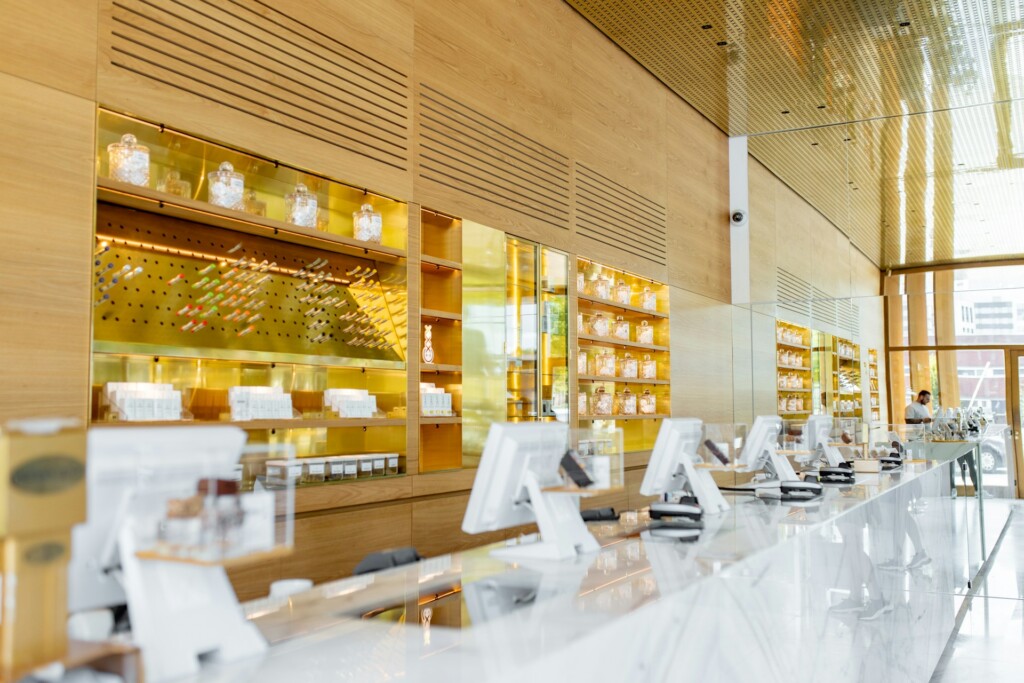
High-end jewelry store construction requires precise execution at every stage. We coordinate custom showcases, secure systems, refined finishes, and careful scheduling to deliver spaces that protect valuable inventory while creating exceptional shopping experiences. Each component works in concert to support brand identity and operational efficiency.
Follow a structured approach to keep the project on track. Define brand standards and security requirements early to guide design decisions. Request 3D renderings with comprehensive quality assurance documentation to visualize the final result before construction begins. Confirm materials and specify low-VOC finishes that balance luxury aesthetics with durability and air quality. Plan LED lighting and UL-listed electrical systems that enhance merchandise display while meeting safety codes. Schedule a phased installation with warehousing support to minimize downtime and safeguard business operations during the build-out.
Ready to move forward with your high-end jewelry store construction project? Contact EB3 Construction to discuss your specific requirements and timeline.