
Every month, thousands of businesses sign office leases expecting to move in quickly. Yet many discover their “ready” space needs months of construction before the first employee unpacks a laptop. Tenant-ready office construction bridges this gap by preparing commercial spaces for immediate or near-immediate occupancy.
This approach transforms raw or previously occupied space into functional work environments. We coordinate layouts, MEP systems, lighting, HVAC, and finishes to meet standard office requirements while preserving flexibility for tenant customization. The process ranges from basic shell conditioning to comprehensive spec suite development, with timelines from a few weeks to several months, depending on the starting condition and scope.
Which Office Space Conditions Affect How ‘Tenant-Ready’ a Suite Is?

The baseline condition of an office space directly determines the time and cost to make it tenant-ready. Different conditions require different approaches to construction scheduling and budget planning.
Shell Space
Shell space represents the starting point for most office construction projects. These raw spaces typically feature concrete floors, exposed structural columns, and open ceilings with basic utility stubs for future MEP systems.
Grey shell and cold shell conditions offer the same fundamental framework. We encounter concrete slabs, unfinished walls, and ceiling areas where ductwork and electrical systems await installation.
Shell space construction typically requires 4-8 months from start to occupancy. The timeline accounts for design development, permitting, MEP installation, and finish work across the entire suite.
White Box (Vanilla Shell)
White box delivery adds essential building blocks to raw shell space. These warm shell conditions include finished drywall, drop ceiling tiles with basic lighting, and standard electrical outlets distributed throughout the space.
HVAC systems in white box spaces often include main distribution but still require final connections for individual zones. Basic plumbing connections are stubbed to the space and may need interior routing for specific layouts.
White box spaces reduce construction time to 2-4 months. The existing infrastructure accelerates our build-out process while maintaining flexibility for tenant customization.
Partially Built-Out Space
Partially built-out spaces contain remnants from previous tenants. Existing walls, ceiling finishes, lighting fixtures, and flooring may suit the new tenant’s needs or require selective demolition and replacement.
We evaluate each element’s condition and compatibility with the new tenant’s requirements. Outdated finishes, incompatible layouts, or worn systems often need replacement despite appearing complete.
These spaces typically require 6-12 weeks for occupancy, depending on the scope of modifications. Demolition work can extend timelines if extensive changes become necessary.
Fully Built-Out Space
A fully built-out space includes complete MEP systems, finished ceilings and floors, installed lighting, and functional layouts ready for immediate use. These spaces feature operational HVAC distribution, electrical circuits, and plumbing connections throughout the suite.
Standard office layouts in fully built-out space typically include private offices, conference rooms, open work areas, and break room facilities. The existing configuration may accommodate the new tenant’s needs with minimal modifications.
Occupancy timelines for fully built-out space range from 2-6 weeks. Most preparation involves minor cosmetic updates, technology installation, and furniture placement rather than major construction.
Spec Suites
Spec suites are newly constructed, move-in-ready office spaces designed by landlords for broad market appeal. These polished environments feature contemporary finishes, efficient layouts, and modern MEP systems sized for typical office occupancy.
Landlords typically design spec suites in smaller footprints ranging from 1,500 to 5,000 square feet. The generic layouts include flexible workspace areas, private offices, conference facilities, and kitchen amenities that suit various business types.
Spec suites offer the fastest occupancy timeline at 1-3 weeks. New construction eliminates concerns about existing conditions while providing immediate access to professional office environments.
Each condition affects both construction feasibility and project cost. Shell space offers maximum customization but requires significant time and financial investment. Spec suites provide immediate occupancy with limited modification options. We help developers and property owners evaluate these trade-offs during preconstruction planning to select the approach that best supports their leasing strategy and tenant requirements.
What Elements Typically Make An Office Truly Tenant-Ready?
Core MEP systems form the foundation of any tenant-ready office space. HVAC distribution must be fully operational to maintain comfortable temperatures and air quality throughout the suite. Electrical systems need proper power distribution to all work areas, with adequate circuits and panels to handle office equipment loads. Plumbing connections should be in place for restrooms, break rooms, and any specialized equipment that requires water access.
Lighting systems are a critical component of tenant-ready construction. Standard installations typically include 2×4 recessed fixtures with LED technology for energy efficiency and consistent illumination. Indirect cove lighting adds ambient illumination around perimeters and common areas. Emergency lighting must comply with building codes and provide adequate visibility during power outages.
Essential Finishes and Architectural Elements
Ceiling systems provide both function and aesthetics in tenant-ready spaces. Common options include 2×2 acoustic tiles for sound control, fineline systems for a streamlined appearance, or drywall ceilings for a more custom look. These systems must accommodate lighting fixtures, HVAC diffusers, and fire protection components while maintaining accessibility for future maintenance.
Flooring selections vary based on intended use and budget. Carpet tiles offer flexibility and easy replacement in high-traffic areas. Hard-surface options include luxury vinyl tile, engineered wood, or laminate. Each choice affects acoustics, maintenance requirements, and overall project costs.
Wall finishes complete the interior envelope and establish the professional appearance tenants expect. Paint remains the most common and cost-effective option, available in various sheens and colors. Acoustical fabric panels help control noise in open office environments. Wallpaper or vinyl wall coverings add texture and design elements in reception areas or executive spaces.
Doors, Glazing, and Millwork
Door selections range from basic laminate options for utility areas to wood veneer or architectural woodwork for executive offices and conference rooms. Hardware specifications must meet accessibility requirements and provide appropriate security levels for different spaces within the suite.
Glass office fronts create visual connectivity while maintaining acoustic separation between spaces. Full-height glazing systems typically feature aluminum or wood framing, depending on the desired aesthetic. These systems must integrate with the ceiling and flooring while allowing for future reconfiguration.
Millwork and built-in storage solutions enhance functionality and professional appearance. Custom countertops in break rooms and reception areas use stone or laminate materials based on durability needs and budget constraints. Shelving systems and custom fixtures provide organized storage and display opportunities throughout the space.
Infrastructure and Technology Requirements
Electrical infrastructure extends beyond basic lighting to include sufficient outlets for modern office operations. Open office layouts require numerous power and data connections to support flexible workstation arrangements. Circuit capacity must accommodate computers, monitors, printers, and other electronic equipment without overloading the system.
Network cabling supports both wired and wireless connectivity. Structured cabling provides greater bandwidth and reliability than basic Wi-Fi networks alone, with runs from telecommunications rooms to all work areas, conference rooms, and equipment closets.
Plumbing systems include standard fixtures in restrooms and break areas, with options for specialized equipment like water fountains or coffee stations. Rough-in connections allow for future additions without major construction work. Emergency eyewash stations may be required in certain work environments.
Fire protection systems integrate with building-wide safety networks to provide adequate coverage throughout the tenant space. Sprinkler heads, smoke detectors, and alarm devices must be properly positioned and tested before occupancy. These systems often require coordination with local fire departments for final approvals.
Furniture Planning and Space Coordination
Furniture typically falls outside the construction team’s scope but requires careful coordination during the build-out process. Power and data connections must align with planned workstation locations. HVAC distribution needs to account for furniture layouts that might block air circulation or create comfort issues.
Storage requirements influence electrical and networking rough-ins, particularly for file servers or equipment that requires dedicated circuits. Conference room furniture affects audio-visual infrastructure and lighting controls. Reception area layouts determine where power and communication connections are needed for desk equipment and display systems.
Category A fit-out specifications establish the baseline infrastructure for tenant-ready spaces. This level includes raised access floors for cable management, basic suspended ceiling systems with standard lighting, fire protection coverage, HVAC distribution to all areas, and essential plumbing connections. The result is a functional shell ready for tenant customization.
Category B fit-out expands beyond Category A to include doors and partitions that define individual spaces, finished flooring materials throughout the suite, upgraded lighting systems with controls, complete furniture packages, decorative elements and branding opportunities, fully equipped kitchens and break areas, professional reception areas, and furnished conference and meeting rooms. This comprehensive approach delivers move-in-ready spaces requiring minimal additional work from tenants.
How Do Leases, Tenant Improvement Allowances, And Codes Shape The Build-Out?
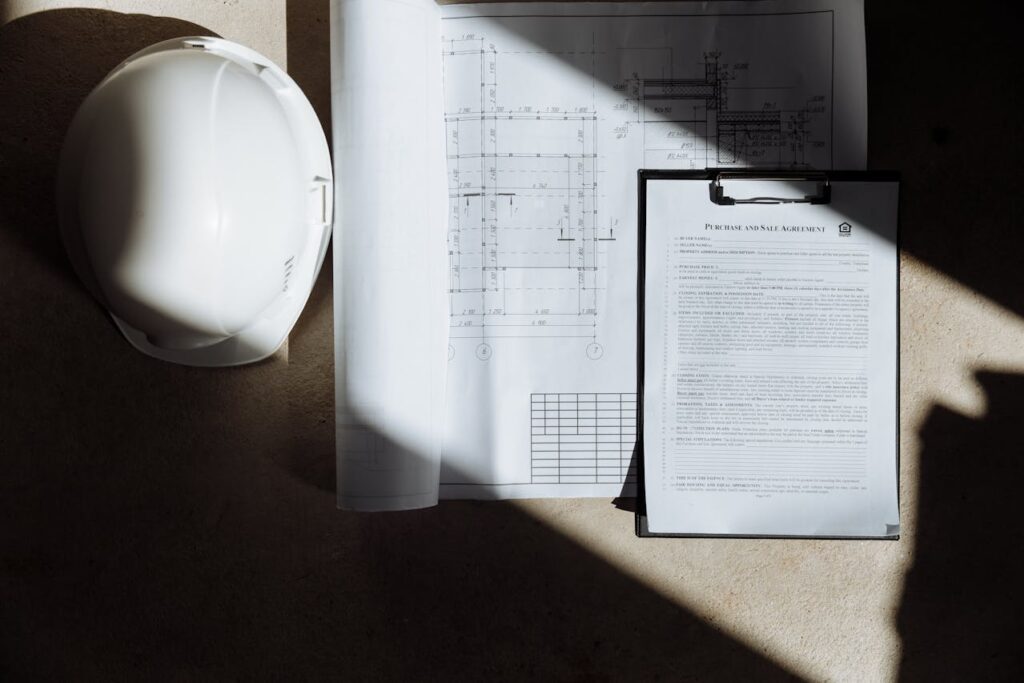
Lease agreements govern critical aspects of tenant improvements. They establish who handles construction costs, maintains insurance coverage, and is responsible for compliance. These contracts determine which interior modifications are permitted and which building standards apply during construction.
Most commercial leases define the baseline condition of the space, whether a shell, fully built-out, or somewhere in between. Clear definitions prevent disputes about scope and responsibility. When leases specify “shell condition,” tenants understand they’re starting with concrete floors and open ceilings. “Fully built-out” means MEP (mechanical, electrical, and plumbing) systems, finishes, and standard layouts are already installed.
Tenant Improvement Allowances: Structure and Impact
Tenant improvement allowances shape construction scope and quality. Landlords typically offer a dollar amount per square foot for improvements, ranging from $25 to $150 depending on market conditions and tenant creditworthiness. These allowances tie directly to lease length, with longer terms often yielding higher TIA amounts.
TIA calculations affect material selection and system upgrades. A $40 per square foot allowance covers basic finishes like paint, carpet, and standard lighting. Higher allowances from $75 to $100 per square foot support upgraded finishes, custom millwork, and enhanced technology infrastructure. We factor these budget constraints into our design recommendations to maximize value within the allocated funds.
Some landlords structure TIA payments as reimbursements after construction completion. Others provide upfront funding or pay contractors directly. The payment method affects cash flow and project financing. We coordinate with landlords on payment schedules to maintain construction momentum and avoid delays.
Code Compliance and Permitting Requirements
Building codes drive construction methods and timelines. Fire safety requirements affect egress planning, sprinkler systems, and exit signage placement. Electrical codes determine circuit capacity, outlet placement, and emergency lighting. Health department rules apply to spaces with food service or specialized ventilation needs.
ADA standards mandate accessible routes, door widths, and restroom configurations. These requirements often trigger broader upgrades when existing spaces don’t meet current standards. We evaluate ADA compliance early to identify necessary modifications and budget implications.
Permit approval processes vary by jurisdiction but typically require 2-6 weeks for standard tenant improvements. Complex projects involving structural changes or MEP system modifications may need additional review time. We submit permit applications early and coordinate with building officials to expedite approvals.
Hidden Conditions and Risk Evaluation
Building age and prior use affect improvement costs. Older structures may contain asbestos in ceiling tiles or floor adhesives, requiring specialized removal procedures. Lead paint in pre-1978 buildings needs careful handling during demolition or surface preparation. These conditions add time and expense to construction schedules.
Utility capacity limitations create unexpected costs. Electrical panels may lack adequate capacity for modern office loads. HVAC systems might need upgrades to serve new layouts or increased occupancy. Plumbing rough-ins may not align with planned restroom or kitchen locations. We investigate these systems during preconstruction to identify potential issues.
Some landlords fund infrastructure work above the ceiling plane, allowing tenants to focus TIA dollars on visible improvements. This arrangement typically covers MEP rough-ins, structural modifications, and base building systems. We clarify these divisions of responsibility during lease review to prevent cost surprises.
How Should Owners And Tenants Plan The Process With EB3 Construction?
Effective preconstruction planning sets the foundation for successful tenant-ready office construction. We start every project with a comprehensive needs analysis to evaluate your operational requirements, space utilization patterns, and growth projections. This early assessment identifies critical elements such as conference room needs, open workspace ratios, and specialized areas for servers or equipment storage.
Assembling the right team early prevents costly mistakes and delays. We coordinate with architects, engineers, and specialty consultants during the planning phase to evaluate existing space conditions and determine the most efficient construction path. Our preconstruction team assesses structural limitations, mechanical capacity, and electrical loads to establish realistic scope and budget parameters before design begins.
Site Evaluation and Risk Assessment
Thorough site evaluation reveals potential issues that could impact the schedule and budget. We examine utility capacity, including electrical service, water pressure, and HVAC zones, to ensure systems can support your operational needs. Accessibility compliance requires careful review of entry points, restroom locations, and circulation paths to meet ADA standards.
Hazardous materials assessment is critical in older buildings where asbestos or lead-based paint may exist. We coordinate testing early in the process to identify remediation needs and incorporate necessary precautions into the construction schedule. Subsurface conditions, while less common in office construction, may affect floor modifications or equipment installations.
Infrastructure capacity analysis helps determine if existing building systems can handle your technology requirements. Network cabling needs, server room cooling loads, and security system integration require coordination with building management to avoid conflicts with neighboring tenants. Parking availability and loading dock access also influence move-in logistics and ongoing operations.
Budget Development and Schedule Alignment
Realistic budget development includes detailed cost estimates for all construction elements plus appropriate contingency funds. We typically recommend a 10–15% contingency for office construction projects to address unforeseen conditions or minor scope changes. Cost control measures include value engineering reviews and material selection optimization to maximize budget efficiency.
Early design decisions prevent delays during construction. We work with your team to finalize finish selections, technology infrastructure requirements, and custom millwork details before permits are submitted. This approach eliminates change orders that can disrupt schedules and increase costs during active construction.
Schedule alignment coordinates construction completion with lease commencement and move-in requirements. We develop milestone-based schedules that account for permit approval timelines, material lead times, and inspection sequences. This coordination ensures the space is ready for occupancy when needed, without costly lease overlap or delayed openings.
Quality Assurance and Team Coordination
Ongoing quality assurance maintains construction standards throughout the project. We implement regular progress meetings, milestone inspections, and material verification processes to ensure work meets specifications. Our project management approach includes detailed documentation and photo records that support warranty claims and future maintenance needs.
Stakeholder coordination among property owners, design teams, and construction crews prevents miscommunication that leads to errors. We establish clear communication protocols, decision-making authority, and approval processes at the start of the project. Regular updates keep all parties informed of progress and any issues requiring attention.
Space utilization planning considers both immediate needs and future flexibility. We help owners and tenants evaluate how spaces will be used daily and identify areas that may need reconfiguration as operations evolve. This planning includes technology infrastructure placement, furniture coordination, and integration of branding elements that support your business identity while maintaining construction efficiency.
Conclusion And Next Steps
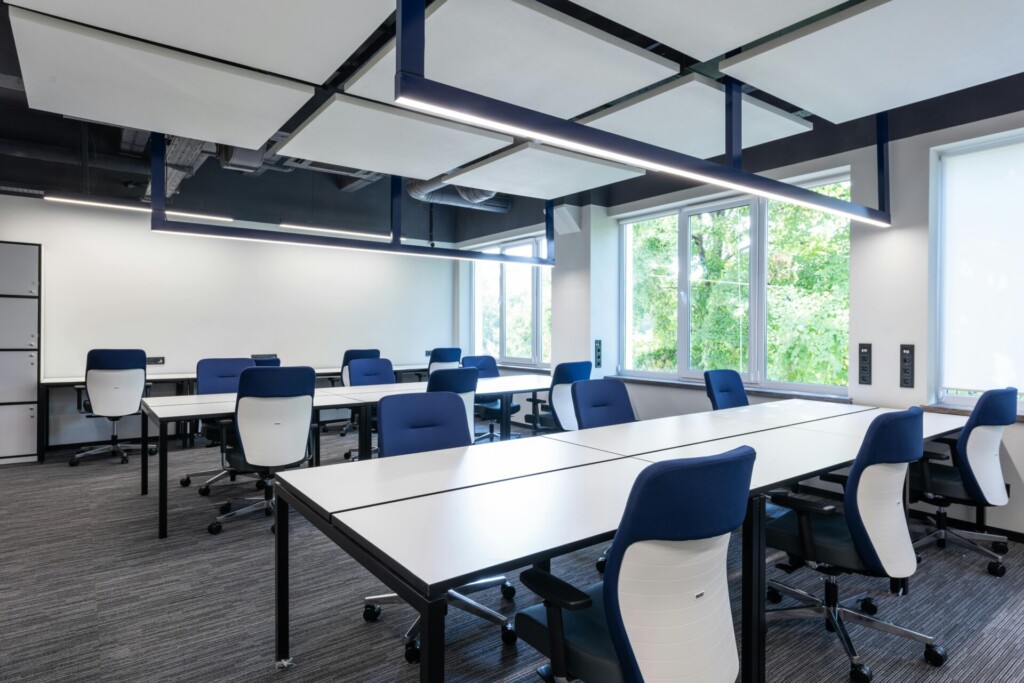
Successful tenant-ready office construction requires clear planning and coordination from the start. We confirm the existing condition of each space—shell, white box, or fully built-out—to establish realistic timelines and budgets. Defining the fit-out scope early prevents costly changes and delays during construction.
Lease terms and tenant improvement allowances must align with project goals and code requirements. We help property owners and tenants navigate permitting, ADA compliance, and fire safety standards. Early planning with our team manages construction risk while controlling both schedule and cost. This approach helps teams meet move-in dates faster and with fewer surprises, delivering spaces that meet operational needs and support business success.
Contact EB3 Construction to plan your tenant-ready office construction project.