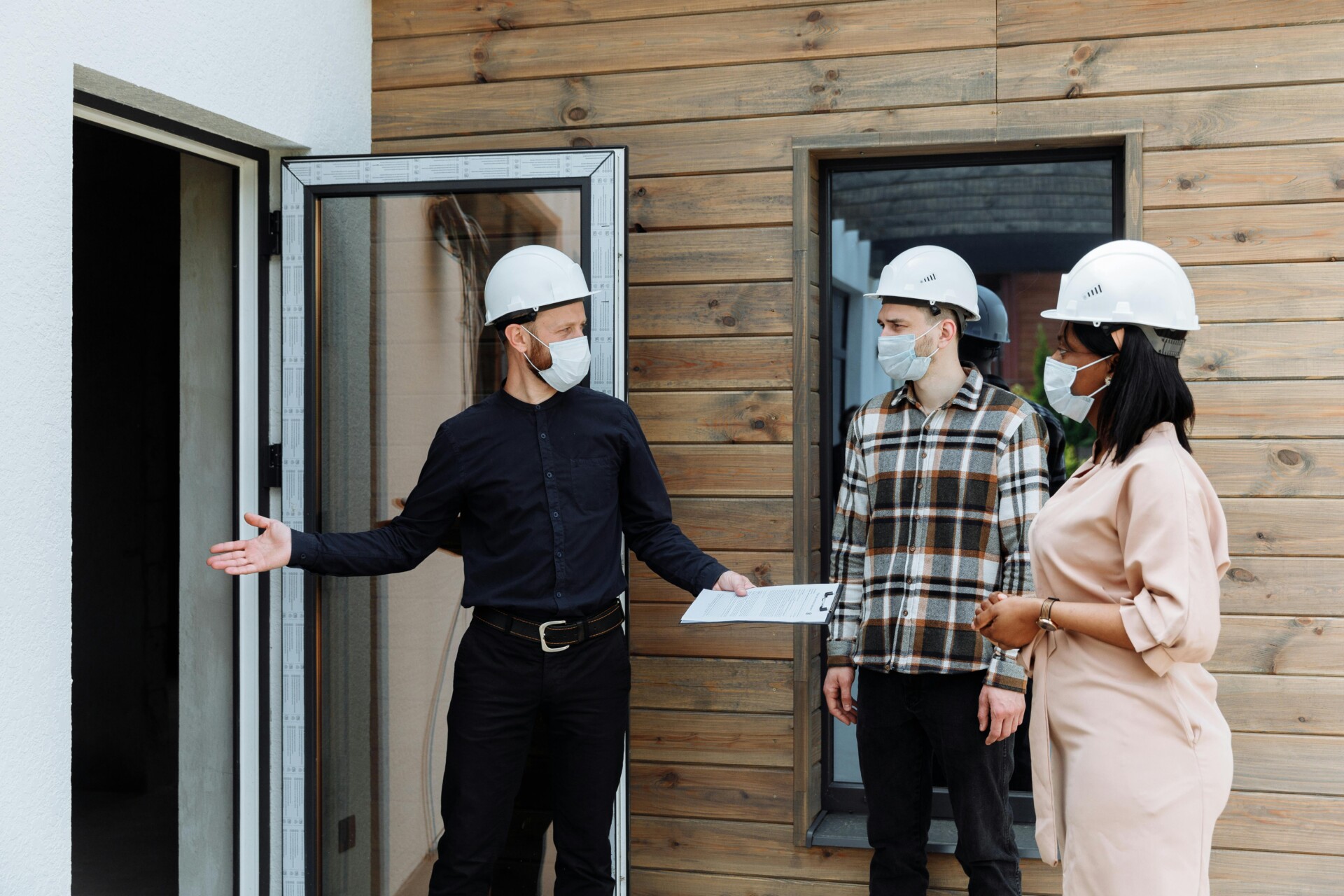
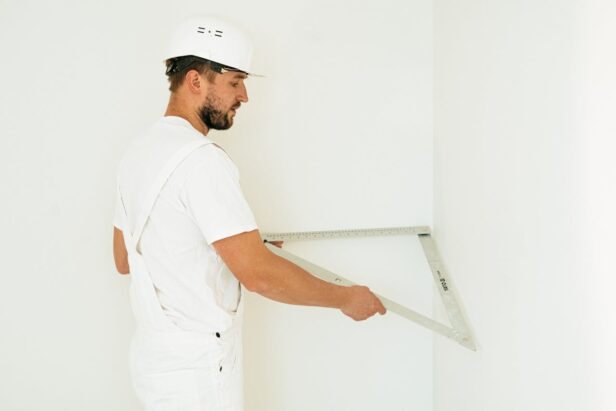
Commercial Drywall and Metal Framing Contractors construct and renovate interior spaces in office buildings, retail locations, healthcare facilities, and educational institutions. We frame walls with metal studs, install drywall, and build acoustical ceiling systems that define modern commercial interiors.
Our work covers metal stud framing, drywall installation, ceiling grids, and selective demolition when renovations require it. Each project demands precise coordination between structural elements and finish work to deliver functional commercial spaces on schedule.
Which Services And Scopes Are Typically Included For Commercial Interiors?

Metal stud framing forms the foundation of most commercial interior projects. We position lightweight steel frames to create partition walls that divide open spaces into functional areas. This structural work supports drywall installation and provides the framework for doors, windows, and mechanical systems. The precision of frame alignment affects all subsequent trades, making accurate installation critical for project success.
Drywall installation and finishing follow framing completion. Our crews hang wallboard sheets, tape joints, apply multiple mud coats, and sand surfaces to specifications. Professional finishing techniques eliminate visible seams and create smooth surfaces ready for paint or other treatments. We also install corner beads at vulnerable edges to prevent damage and ensure a clean, professional appearance at door and window openings.
Acoustical systems address noise control requirements in commercial environments. Ceiling grids support acoustical tiles that absorb sound and allow access to mechanical systems above. These suspended ceiling installations accommodate HVAC ducts, electrical conduits, and sprinkler systems while maintaining a professional appearance. Proper acoustic planning reduces sound transmission between spaces and improves occupant comfort.
Tenant Improvements and Interior Build-Outs
Tenant improvement projects customize spaces for specific business needs. We reconfigure existing layouts, add partition walls, and modify ceiling systems to match tenant requirements. These projects often involve selective demolition to remove outdated elements while preserving structural integrity. Careful planning protects adjacent occupied areas from dust and disruption during construction.
Interior build-outs transform shell spaces into functional work environments. We install complete wall systems, ceiling grids, and finishing materials according to architectural plans. These comprehensive projects coordinate multiple trades and require precise scheduling to meet occupancy deadlines. Our approach emphasizes quality control at each phase to prevent rework and maintain project timelines.
Replacement and Renovation Projects
Replacement projects require careful removal of existing walls and systems. We protect adjacent structures during demolition activities and preserve valuable building elements, such as mechanical infrastructure. Strategic removal techniques minimize waste while creating clean surfaces for new installations. This methodical approach reduces construction time and prevents damage to surrounding areas.
Reinstallation work demands attention to architectural details and building standards. We install new drywall systems with proper attachment methods and finishing techniques. Corner protection and opening details receive special attention to ensure long-term durability. Quality installation practices prevent callbacks and maintain professional standards throughout the project lifecycle.
Environmental considerations guide our demolition and construction practices. We separate recyclable materials like metal framing and drywall for proper recycling and disposal. Dust control measures protect occupied areas and comply with safety regulations. These responsible practices support sustainable construction goals while maintaining safe working conditions for all project participants.
What Project Types And Sectors Rely On These Trades?
Commercial drywall and metal framing teams work across a range of sectors where interior construction underpins functionality and safety. Office buildings are a primary market, requiring partition walls, conference rooms, and flexible workspace configurations that metal studs deliver efficiently. Healthcare facilities demand specialized acoustic performance and cleanroom-grade finishes that metal framing systems achieve through precise installation and code compliance.
Educational institutions rely heavily on drywall and metal framing for classroom construction, laboratory build-outs, and administrative spaces. Retail spaces require rapid tenant improvements, where we coordinate metal framing with storefront systems and display areas. Industrial facilities often need fire-rated assemblies and heavy-duty partition systems that cold-formed steel handles effectively.
Aviation projects present distinct challenges, including stringent security requirements and specialized acoustic treatments for terminals and maintenance facilities. Hotels require repetitive room layouts, where metal framing provides consistent dimensions and sound separation between units. Religious facilities often combine traditional aesthetics with modern acoustic performance through carefully planned ceiling systems and interior partitions.
Government projects span multiple building types, from courthouse renovations to municipal office buildings, each requiring strict adherence to accessibility standards and fire codes. Venue projects include theaters, convention centers, and sports facilities, where acoustic engineering and long-span capabilities are critical design factors.
Tenant build-outs and renovations form a substantial portion of commercial interior work. These projects often involve selective demolition of existing partitions, followed by new metal stud installation to accommodate changing space requirements. We coordinate these efforts with mechanical, electrical, and plumbing systems to minimize disruption to occupied spaces.
Multifamily and senior housing developments increasingly specify metal framing for its dimensional stability and fire resistance. Pre-engineered metal buildings rely on interior framing systems to create finished spaces within the structural shell. These larger building programs require coordination between exterior envelope contractors and interior finishing trades to maintain schedule efficiency and weather protection during construction phases.
How Should Builders Plan Bids, Timelines, And Outreach In Corpus Christi, TX?
Corpus Christi metal framing presents unique market challenges that require strategic planning. Current data reveals high bidding difficulty, an average response time of five days, and a lead time to bid of about 17 days. The average interest distance is roughly 15 miles, indicating contractors prefer local or nearby projects.
The market includes 32 verified metal framing contractors serving the area. Recent activity shows 41 metal framing projects with an average size of 12,804 square feet. The largest project reached 56,750 square feet, illustrating the range from tenant improvements to substantial commercial builds.
Market Conditions and Contractor Availability
High bidding difficulty means contractors receive multiple opportunities and can be selective about projects. With only 32 verified contractors handling 41 recent projects, demand often exceeds immediate availability. This creates a competitive environment where clear communication and a professional presentation become critical.
The 15-mile average interest distance suggests most contractors focus on the greater Corpus Christi area rather than traveling extensively. This geographic concentration can work to your advantage when building relationships with local teams that understand area conditions, codes, and supplier networks.
Response patterns show contractors typically need five days to provide initial feedback on bid requests. However, the 17-day lead time to bid indicates that the full process—from initial contact to final submission—requires nearly three weeks of planning and coordination.
Effective Bid Request Strategies
Successful bid requests should include specific details about materials, deadlines, and project requirements. Vague scope descriptions or missing technical specifications often result in delayed responses or incomplete proposals. We structure our bid requests to include structural requirements, fire ratings, acoustic performance standards, and finish expectations.
Clear deadlines help contractors prioritize estimating workloads. Given the 17-day average lead time to bid, allow enough time for site visits, supplier coordination, and accurate proposals. Rushed timelines typically produce fewer responses or higher contingency pricing.
Project-specific requirements—such as union labor preferences, minority business participation goals, or specialized installation techniques—should be stated upfront. These factors affect contractor interest and pricing, making early disclosure essential for accurate comparisons.
Outreach and Follow-Up Protocols
Direct phone follow-up after submitting bid requests significantly improves response rates, especially for urgent projects. We recommend calling contractors within 24–48 hours of sending initial documentation to confirm receipt and answer immediate questions. This personal contact often determines whether busy contractors prioritize your project.
For larger projects requiring extensive coordination, centralized bid management is crucial. Track contractor responses, due dates, and outstanding questions in a single system. This prevents miscommunication and ensures all teams receive consistent information about scope changes or deadline adjustments.
Maintain regular contact throughout the bidding process without overwhelming contractors. A midpoint status call helps surface potential issues before the submission deadline and demonstrates your commitment to the project timeline.
Project Size and Scheduling Considerations
Average project sizes of 12,804 square feet represent substantial tenant improvements and commercial build-outs that require experienced teams with appropriate bonding capacity. Contractors often evaluate project size against current workload and crew availability when deciding to bid.
Maximum project sizes reaching 56,750 square feet indicate opportunities for major commercial developments, but these require contractors with demonstrated experience on work of a similar scale. Screen potential bidders for relevant project history and financial capacity before issuing invitations.
Timeline expectations should reflect both project complexity and market conditions. Factor the 17-day bidding period into your overall schedule, then add buffer time for contractor selection and contract negotiation. Realistic scheduling attracts more qualified responses and reduces the risk of change orders during construction.
Conclusion And Next Steps
Commercial drywall contractor services are central to interior construction across sectors. From healthcare facilities requiring specialized acoustical systems to educational buildings demanding durable partition walls, we coordinate metal stud framing, drywall installation, and acoustical ceilings to deliver functional interiors. These trades enable tenant build-outs, renovations, and complete interior transformations that meet each sector’s operational requirements.
The Corpus Christi market presents specific challenges that call for strategic planning. Highly competitive bidding makes detailed bid packets essential for attracting quality subcontractors. With average response times of five days and lead times extending to 17 days, we build these timelines into project schedules from the outset. Following bid submissions, direct calls often accelerate responses, especially when project deadlines are tight. Successful interior construction depends on aligning the project scope with realistic timelines and maintaining clear communication throughout the bidding process.
Ready to plan your next commercial interior project? Contact EB3 Construction to discuss your specific requirements and timeline.