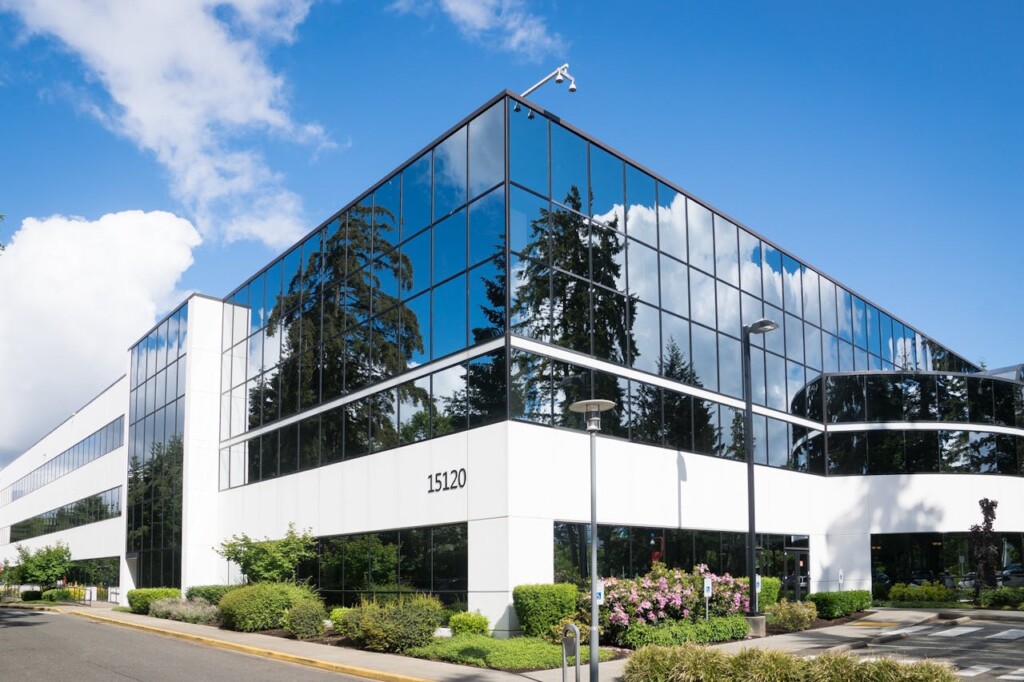
Every hour your business is offline costs money. Whether you’re expanding into new markets or complying with government relocation requirements, the challenge is the same: how do you maintain operations while managing a complex move?
Corporate Relocation Construction Services integrate construction expertise with specialized move management to deliver smooth transitions for businesses. They coordinate pre-move planning, construction work, and operational continuity across offices, retail spaces, and municipal buildings.
Which Phases And Teams Drive A Corporate Relocation Build?
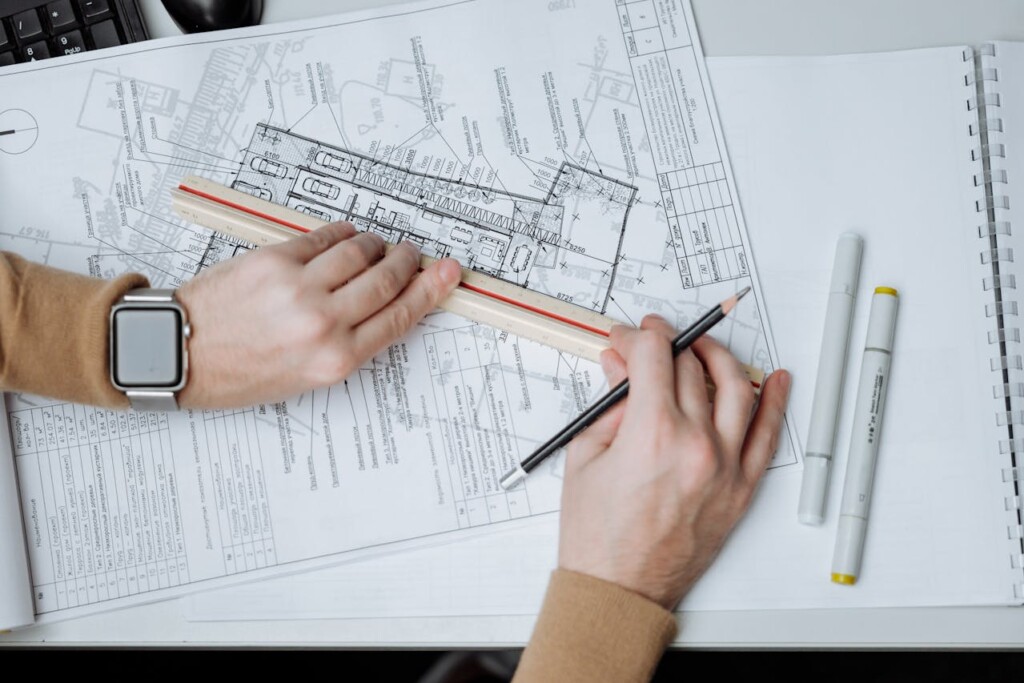
Corporate relocation builds follow structured project management phases that support smooth transitions. Each phase requires specific teams and careful coordination to maintain construction schedules while keeping business operations running. We coordinate these phases to minimize disruptions and deliver successful outcomes for property owners and developers.
Strategic Planning and Project Team Formation
Strategic facility planning forms the foundation of every relocation build. Our team begins with transaction support to evaluate lease agreements, zoning requirements, and construction feasibility. This early analysis helps determine whether temporary or permanent relocation best supports the project timeline.
A dedicated project team assembles during this phase to manage the build from start to finish. The team typically includes owner’s representation, design professionals, construction managers, and relocation specialists. Clear roles and responsibilities help prevent communication gaps that can delay construction or disrupt business operations.
Feasibility studies run parallel to team formation to define operational requirements, cost projections, and realistic timelines. These studies examine site conditions, permit requirements, and construction logistics. The data guides decision-making throughout the project lifecycle.
Design Control and Preconstruction Planning
Design control manages the development of construction documents and ensures they meet both operational needs and building codes. Our preconstruction team reviews design intent, analyzes constructability, and identifies potential conflicts before construction begins. Value engineering during this phase can reduce costs without compromising quality.
Preconstruction planning establishes the construction schedule, material procurement timelines, and coordination protocols with third-party movers. We work with the design team to resolve technical details and finalize specifications. This collaborative approach reduces change orders and keeps projects on schedule.
Cost estimation becomes more precise during preconstruction as design details solidify. Our team provides detailed breakdowns of construction costs, including provisions for relocation expenses that may qualify as reimbursable under certain circumstances.
Construction Control and Delivery Management
Construction control focuses on execution and quality management throughout the build phase. Our superintendents coordinate daily activities, monitor progress against the schedule, and ensure safety protocols are followed. Regular communication with business owners keeps them informed of construction milestones.
Delivery management includes coordinating with utility companies, managing material deliveries, and scheduling inspections. We maintain close communication with the relocation management team to align construction completion with move schedules. This coordination prevents delays that could extend temporary relocation periods.
Quality control inspections occur throughout construction to identify and resolve issues before they impact the schedule. Our team documents all work and maintains detailed records for final inspections and project closeout.
Final Inspections and Turnover
Final inspections confirm that all construction work meets code requirements and design specifications. We coordinate these inspections with local authorities and arrange any necessary corrections before occupancy permits are issued. Thorough documentation ensures a smooth handover to building operations teams.
The turnover process includes testing all building systems, completing punch list items, and providing operation and maintenance manuals. We work with facility managers to ensure they understand new systems and can operate them effectively. This knowledge transfer helps prevent operational issues after occupancy.
Final construction documentation packages all project records, warranties, and as-built drawings for the owner’s permanent files. These documents support future maintenance needs and any warranty claims that may arise.
Relocation Management Phase Integration
The relocation management phase runs parallel to construction activities and requires careful coordination. This phase covers packing, labeling, transport, reassembly, and setup of business operations. Our construction team coordinates with third-party movers to ensure the new space is ready when relocation begins.
Move planning coordinates business owners and any displacing agencies on pre-approved relocation plans. When public projects trigger relocations, this planning becomes critical for reimbursement documentation. We track construction costs that may qualify as relocation expenses under applicable regulations.
Coordination across owners, movers, and construction teams keeps decisions aligned with project goals. Regular progress meetings ensure all parties understand timelines and responsibilities. This collaborative approach reduces conflicts and keeps projects moving forward efficiently.
How Do You Minimize Downtime And Protect Assets During The Move?
Downtime costs organizations an average of $5,600 per minute, according to industry data. We build strategies to keep that clock from ticking.
Strategic Scheduling To Avoid Operational Disruption
We coordinate moves during after-hours or weekend windows to protect business operations. Moving outside regular business hours gives us uninterrupted access to both spaces. This timing allows our teams to work efficiently without competing with daily workflows.
Weekend relocations provide at least 48 hours of continuous work time. We test systems and verify functionality before Monday morning. After-hours scheduling works particularly well for smaller department moves or phased relocations.
Comprehensive Packing And Asset Protection
Our packing protocols start with specialized handling for IT equipment and servers. We use anti-static materials for electronics and custom crating for sensitive machinery. Each server includes documentation of cable configurations and network connections.
Confidential documents require secure chain-of-custody tracking. We provide locked containers and manifest sheets for sensitive files. Our teams follow strict safety protocols throughout the packing process to prevent data breaches or physical damage.
Color-coded labeling systems accelerate reassembly at the destination. Each department receives a designated color for quick identification. Box contents are logged digitally to track every item during transport.
Secure Transportation And Insurance Coverage
We use climate-controlled vehicles for sensitive equipment and documents. GPS tracking provides real-time location updates throughout transit. Our insurance coverage protects against damage or theft during relocation.
Multiple vehicle options allow us to separate fragile items from standard office furniture. This separation reduces damage risk and enables priority delivery of critical equipment. Our drivers receive specialized training for corporate relocations.
Storage Solutions For Transition Flexibility
Short-term storage accommodates delays in space readiness or construction completion. We offer both climate-controlled and standard storage options based on item sensitivity. Scheduled access supports retrieval based on operational priorities.
Long-term storage supports businesses that are downsizing or managing excess inventory during transitions. Our facilities feature 24/7 surveillance and restricted access protocols. Consolidated billing keeps moving and storage costs under one contract.
Post-Move Setup And Operational Recovery
Our post-move support extends beyond unpacking boxes. We coordinate with IT teams to restore network connectivity and test system functionality. Workstation assembly follows documented layouts to minimize employee adjustment time.
We fine-tune placement based on workflow requirements during the first week. We address connection issues and resolve equipment problems immediately. Cleanup services remove packing materials and dispose of outdated furniture.
We collect feedback to identify areas needing adjustment. Our teams remain available for troubleshooting during the initial settlement period. This ongoing support bridges the gap between relocation completion and full operational recovery.
How Does The Uniform Relocation Act (URA) Shape Business Relocations Tied To Public Projects?
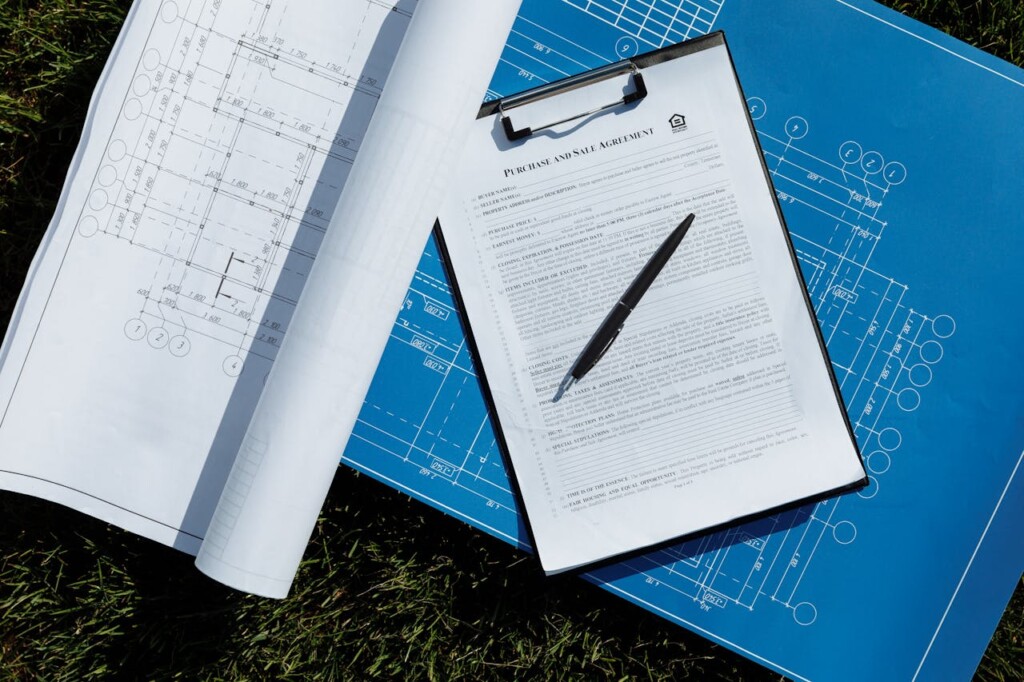
When government agencies acquire property through eminent domain or condemnation for public infrastructure projects, the Uniform Relocation Act provides a structured framework for business displacement. This federal law establishes specific rights and protections for businesses that must relocate due to publicly funded projects. Understanding these requirements helps us coordinate construction while staying compliant with federal regulations.
The URA Displacement Process
The URA defines displaced persons as businesses that move from real property as a direct result of acquisition, demolition, or rehabilitation for federally funded projects. Under 49 CFR Part 24, which implements the URA, businesses become eligible for relocation assistance when the displacing agency issues a notice of intent to acquire or begins negotiations. This triggers a series of required steps before any construction begins.
We work with displacing agencies to ensure proper notification procedures are followed. The General Information Notice informs businesses they may be displaced, while the Notice of Relocation Eligibility establishes formal eligibility for assistance. These notices must be delivered personally or by certified mail and include specific information about available relocation benefits and the timeline for moving.
Preapproved Relocation Planning
The URA requires that comparable replacement locations be identified before any business is required to move. We collaborate with relocation specialists to assess current operations, spatial needs, and location requirements. This assessment considers factors such as customer access, supplier relationships, and operational workflow to maintain business continuity during the transition.
Federal regulations mandate that businesses receive at least 90 days’ advance written notice before they are required to vacate. This timeline allows us to coordinate construction schedules with move dates and ensure replacement facilities are ready for occupancy. The preapproved plan must demonstrate that suitable space is available within the business’s financial means.
Reimbursable Construction Expenses
The URA provides specific categories of reimbursable expenses for business relocations. Moving expenses include the actual reasonable costs of packing, transporting, and reinstalling equipment and inventory. Reestablishment expenses cover modifications to replacement facilities, including construction work needed to accommodate operations in the new location.
We track construction costs carefully to ensure they align with URA guidelines for reimbursable expenses. This includes documenting labor, materials, and equipment costs associated with site preparation, utility connections, and interior modifications. The federal regulations at 49 CFR 24.304 specify that reestablishment expenses are limited to $40,000, making cost management critical for project feasibility.
Transition to Construction Management
Our role often transitions from relocation consulting to direct construction management as projects advance. This progression allows us to maintain continuity from planning through execution. We coordinate with the displacing agency to ensure construction activities support the approved relocation timeline and budget constraints established under the URA.
The transition requires careful documentation to demonstrate that construction costs are directly related to the displacement and are necessary for business operations. We maintain detailed records of all work performed, including change orders, material receipts, and labor hours to support reimbursement claims.
Industry Applications
URA requirements apply across diverse business sectors affected by public projects. Industrial facilities may require specialized equipment relocation and utility connections. Medical and dental practices need careful coordination to maintain patient care during transitions. Food and beverage operations must address health department regulations and refrigeration requirements in new locations.
Manufacturing facilities present unique challenges due to heavy machinery and production line configurations. We work with equipment specialists to plan disassembly, transport, and reinstallation sequences that minimize production downtime. Warehousing operations require attention to loading dock configurations, ceiling heights, and material handling equipment compatibility.
Each industry has specific operational requirements that influence construction scope and cost. Our experience with URA projects helps property owners navigate federal compliance requirements while maintaining business operations throughout the relocation process.
What Construction Scopes Are Common In Headquarters And Office Relocations?
Corporate headquarters relocations typically involve extensive interior build-outs across multiple floors. These projects require specialized construction expertise to create modern workspaces that support operational efficiency and employee collaboration.
Conference Centers and Meeting Spaces
Multipurpose conference rooms are often the centerpiece of headquarters relocations. These spaces feature subdividable rooms that can accommodate everything from board meetings to all-hands gatherings. Integrated room controls manage lighting, temperature, and audiovisual systems from centralized panels.
Video walls have become standard for virtual conferencing. These installations support remote collaboration and allow teams to connect with colleagues across multiple locations. Technology integration requires coordination between construction crews and IT specialists during installation.
Flexible Workspace Design
Operable partitions provide the flexibility companies expect. These movable wall systems allow teams to reconfigure spaces as needs change without major construction. We integrate these systems during the build-out phase to ensure proper structural support and seamless operation.
Sit/stand workstations are another common scope item. These adjustable work surfaces promote employee wellness while maximizing space efficiency. The electrical infrastructure must accommodate height-adjustable desks and their power requirements.
Specialized Room Types
Glass-front offices balance transparency with acoustic privacy. These installations require careful attention to acoustic performance and visual privacy without sacrificing the open feel that promotes collaboration.
IT hubs centralize technology infrastructure while maintaining security. These spaces house servers, network equipment, and communication systems. Construction must address cooling, power redundancy, and physical access controls.
Wellness suites reflect the growing emphasis on employee health. These spaces might include meditation rooms, lactation facilities, or quiet zones for focused work. Each requires specific lighting, ventilation, and acoustic considerations.
Prayer rooms serve diverse workforces by providing dedicated spaces for religious observance. These rooms need proper orientation, storage for religious items, and appropriate acoustic treatment.
Pantries and break areas encourage informal collaboration. Modern designs incorporate coffee bars, casual seating, and food preparation areas. The construction scope includes specialized electrical for appliances and upgraded plumbing for beverage stations.
Natural Light and Shared Amenities
Headquarters designs prioritize natural light to improve employee satisfaction and reduce energy costs. We position workstations and common areas to maximize daylight exposure. This often requires modifications to existing floor plates and careful coordination with building systems.
Shared amenities create focus zones throughout the workspace. These might include collaboration pods, phone booths, or informal meeting areas. Each requires specific electrical, data, and lighting infrastructure to support various work modes.
Virtual design and construction (VDC) methods help us coordinate these complex interior builds. We use 3D modeling to identify conflicts before construction begins and ensure that all systems integrate properly. This approach reduces field clashes and keeps projects on schedule.
Conclusion And Next Steps
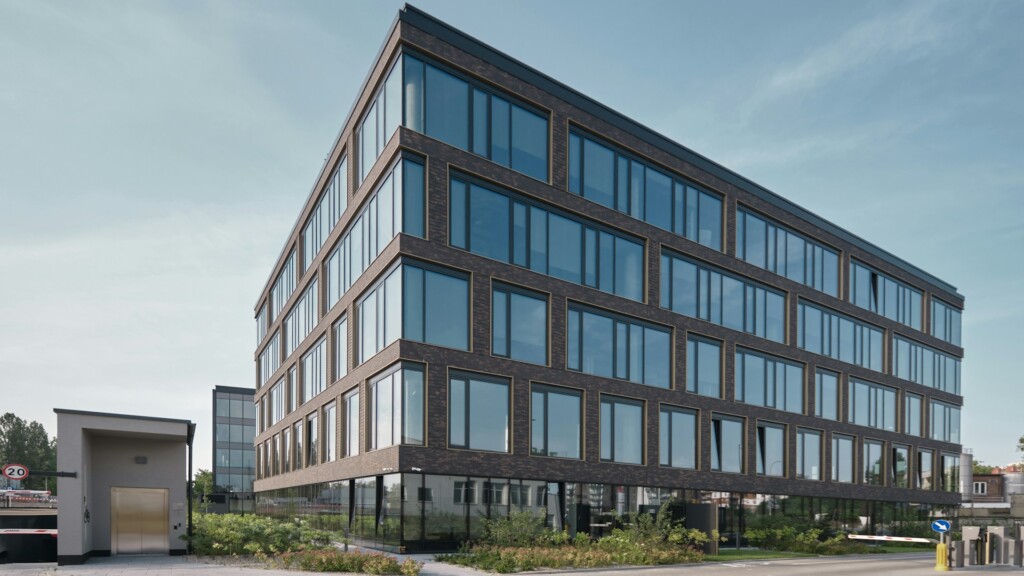
Corporate Relocation Construction Services integrate project management phases with construction control to deliver seamless business transitions. We coordinate design control and preconstruction activities with move scheduling to minimize operational disruption. Strategic facility planning aligns with construction delivery, while relocation management phases handle the physical move efficiently.
For publicly funded relocations, we track reimbursable expenses under the Uniform Relocation Assistance (URA) guidelines and maintain compliance documentation throughout the project. Our approach balances construction handover schedules with business operations, ensuring teams can focus on their work while we manage the build and move coordination. Success depends on establishing clear phase transitions—from feasibility studies through final inspections—with dedicated project owners accountable for each milestone.
Ready to streamline your next corporate relocation? Contact EB3 Construction to discuss how our integrated construction and move management approach can minimize downtime and deliver your new workspace on schedule.