A construction project’s success or failure often hinges on decisions made before the first concrete pour. Yet many developers and property owners struggle to understand how industry professionals organize work from initial concept through final handover.
Construction phases provide a framework that turns complex builds into manageable stages. The industry uses several proven models to organize this work, each with clear milestones for tracking progress, controlling costs, and managing stakeholder expectations throughout the construction life cycle.
How Do The Main Phase Frameworks Compare?
We see construction project phases described differently across sources, but the underlying structure remains remarkably consistent. The variations stem from how organizations group activities rather than from fundamental disagreements about what needs to happen. Understanding these alignments helps us choose the right framework for our project needs.
The three-phase model provides the simplest structure: pre-construction, construction, and post-construction. This streamlined approach works well for smaller projects where detailed phase distinctions add little value. Pre-construction covers all planning and preparation work, construction handles the physical building, and post-construction manages handover and closeout activities.
The four-phase model expands this by separating procurement as its own distinct phase. This structure recognizes that sourcing materials, equipment, and services requires dedicated focus and coordination separate from other pre-construction activities. The phases become pre-construction, procurement, construction, and post-construction closeout.
Project management standards typically use a five-phase model: initiation, planning, execution, monitoring and control, and closing. This framework emphasizes project management processes rather than construction-specific activities. Monitoring and control operates in parallel with the other phases, providing continuous oversight throughout the project lifecycle.
The six-phase model offers the most detailed breakdown: initiation, planning and design, pre-construction, procurement, construction, and post-construction. This approach separates early conceptual work from detailed pre-construction activities, providing clearer accountability for each stage of project development.
| Model | Stages | Description |
| Three-Phase Model | Pre-construction, Construction, Post-construction | A streamlined approach for smaller projects, encompassing planning, physical building, and closeout activities. |
| Four-Phase Model | Pre-construction, Procurement, Construction, Post-construction | Separates procurement as its own phase, recognizing the dedicated focus required for sourcing materials. |
| Five-Phase Model | Initiation, Planning, Execution, Monitoring and Control, Closing | Focuses on project management processes with continuous oversight throughout the project lifecycle. |
| Six-Phase Model | Initiation, Planning and Design, Pre-construction, Procurement, Construction, Post-construction | Offers the most detailed breakdown, providing clarity and accountability for each stage of project development. |
These models align more closely than their different names suggest. Initiation consistently covers early concept development and feasibility validation. Planning and design activities fit naturally into pre-construction phases across all models. Procurement either stands alone or integrates with pre-construction, depending on project complexity and contract structure.
Construction execution remains constant across frameworks, though some models emphasize the continuous monitoring aspect more explicitly. Commissioning, occupancy support, warranty obligations, and final documentation consistently fall under post-construction and closeout phases, regardless of the specific model used.
The choice between frameworks often depends on project size, contract type, and organizational preferences. Larger projects benefit from more detailed phase distinctions, while smaller projects may find three or four phases sufficient for effective management and control.
What Happens Before Breaking Ground (Initiation, Planning And Preconstruction)?
The preconstruction phases establish the foundation for successful project delivery. We manage three distinct, interconnected activities that set the scope, validate feasibility, and prepare for construction execution. These early phases prevent costly surprises and enable accurate resource planning.
Project Initiation Sets Direction
Project initiation defines what we aim to accomplish and validates whether the project makes sense. We establish clear objectives that specify the building type, size, and performance requirements. Success criteria include budget limits, schedule milestones, and quality standards that guide decision-making throughout the project.
Stakeholder alignment happens early to prevent scope creep and conflicting expectations. We identify all decision-makers, from property owners to regulatory agencies, and establish communication protocols. This coordination ensures everyone understands their role and the approval process.
Feasibility validation examines whether the project can be built as envisioned. We assess site conditions through preliminary surveys and geotechnical analysis to identify potential obstacles such as poor soil bearing capacity or environmental restrictions. Zoning compliance verification confirms that the proposed use aligns with local regulations. Utility availability and capacity determine infrastructure needs and connection costs.
Preliminary cost modeling provides initial budget parameters. We develop high-level estimates based on building type, square footage, and local market conditions. Constructability review examines whether the design concept can be built efficiently with available resources and methods.
Planning and Design Develop the Roadmap
Planning and design transform the concept into buildable plans. We create a master schedule that sequences all activities from permit submission through final occupancy. The critical path identifies tasks that directly impact the completion date, allowing us to focus resources on schedule-critical activities.
Code coordination ensures compliance with building codes and state regulations, accessibility requirements, and safety regulations from the start. We work with architects and engineers to integrate these requirements into the design rather than addressing them as afterthoughts. Material and system coordination prevents conflicts between structural, mechanical, electrical, and plumbing elements.
Iterative cost estimation refines budget accuracy as design details emerge. We use quantity takeoff methods and estimating tools to calculate material needs and pricing. Value engineering identifies opportunities to reduce costs without compromising functionality or quality. This process examines alternative materials, construction methods, and system designs.
Documentation management keeps all stakeholders working from current information. We maintain updated drawings, specifications, and project requirements in accessible formats. Version control prevents confusion that leads to rework and change orders.
Preconstruction Finalizes Execution Details
Preconstruction secures all approvals and agreements needed for construction to proceed. Permit acquisition involves submitting complete applications with all required documentation. We coordinate with building departments to address questions and expedite approvals. Environmental permits may be required for stormwater management or other site impacts.
Trade scope finalization defines exactly what each subcontractor will provide. We develop detailed scopes of work that specify materials, installation methods, and quality standards. Subcontractor agreements establish pricing, schedules, and performance requirements. This clarity prevents disputes and ensures proper coordination.
Site logistics planning addresses access routes, material staging areas, and temporary utilities. We coordinate with adjacent property owners when needed and establish security measures. Risk management plans identify potential hazards and mitigation strategies for weather delays, material shortages, or unforeseen site conditions.
Preconstruction meetings align all parties on project requirements and procedures. We review plans, schedules, and safety protocols with the entire construction team. Access and staging plans confirm equipment placement and material delivery logistics. Final validation of geotechnical and environmental data ensures that the foundation design meets actual soil conditions and highlights the importance of a sound foundation.
What Occurs In Procurement And Construction?

Procurement and construction execution represent the heart of project delivery, where detailed plans transform into physical structures. We coordinate these parallel activities to maintain schedule momentum while controlling costs and quality throughout the building process.
Procurement Operations
We source materials, equipment, and services based on project specifications and approved submittals. Our procurement approach centers on clear contracts that define delivery schedules, quality standards, and cost parameters tied directly to the construction timeline.
Material takeoffs provide the foundation for our procurement decisions. These detailed quantity calculations, derived from construction drawings, specify the materials needed for each phase of work. We cross-reference takeoffs with bills of quantities to validate accuracy and prevent ordering errors that could delay progress.
Contract negotiation focuses on delivery coordination that aligns with our construction sequence. We establish firm delivery dates for structural materials, mechanical equipment, and specialty items based on when crews need them on-site. Payment terms and performance guarantees protect project budgets while ensuring suppliers meet their commitments.
Construction Execution Sequence
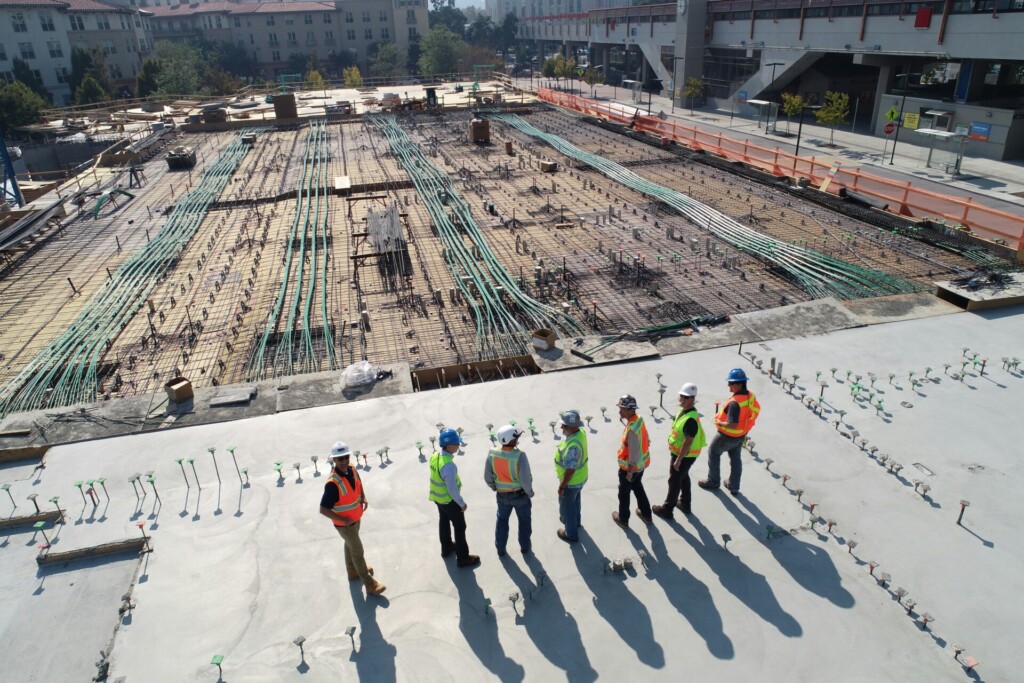
We follow a systematic construction sequence that moves from ground preparation through final finishes. Site preparation begins with clearing, excavation, and grading to establish proper elevations and drainage patterns. This foundation work sets the stage for all subsequent construction activities.
Foundation installation follows precise specifications for concrete placement, reinforcement, and curing. We coordinate utility rough-ins and waterproofing systems during this phase to avoid costly retrofits later. Structural framing, floor systems, and roof installation create the building envelope that defines the project footprint.
Exterior work includes building envelope completion with siding, roofing, windows, and doors. We sequence this work to achieve weather protection early, enabling interior trades to proceed without weather-related delays. MEP systems installation requires careful coordination between electrical, plumbing, and HVAC contractors to avoid conflicts and maintain access routes.
Quality Control and Project Tracking
We maintain rigorous quality control through systematic inspections and testing protocols. Material certifications verify that delivered products meet specifications before installation begins. Our field teams conduct progress inspections at key milestones to catch potential issues before they impact the schedule.
Change orders document any modifications to the original scope, cost, or schedule. We process these changes through formal approval workflows that involve all stakeholders and update project documentation accordingly. This systematic approach prevents scope creep and maintains cost control.
Daily logs capture progress, weather conditions, labor activities, and any issues that arise during construction. Weekly progress reports consolidate this information for stakeholder review and provide data for schedule updates. These documentation practices create accountability and support accurate billing processes.
Safety protocols and real-time coordination between trade contractors limit delays and maintain productivity. We conduct regular safety meetings, monitor compliance with OSHA requirements, including heat-stress compliance, and coordinate work sequences to prevent conflicts between trades working in the same area.
How Do Commissioning, Handover, And Closeout Work?
The final phase turns completed construction into an operational facility through three interconnected processes. We coordinate commissioning to verify system performance, manage handover to transfer ownership, and execute closeout to finalize all project obligations.
Commissioning Process
We conduct comprehensive system testing to ensure all building components operate as designed. This involves verifying that HVAC systems maintain specified temperatures, electrical systems provide proper power distribution, and plumbing systems function without leaks or pressure issues.
Our commissioning activities include performance testing of fire suppression systems, elevator operations, and building automation controls. We document all test results and create commissioning reports that demonstrate compliance with design specifications and building codes.
Final walkthroughs with the owner and design team identify any deficiencies that require correction before handover. We coordinate these inspections systematically, addressing each building system and space to ensure nothing is overlooked.
Creating The Punch List
During final inspections, we compile a detailed punch list that documents incomplete work, defective installations, or items not meeting approved plans. This inventory typically includes minor corrections such as paint touch-ups, hardware adjustments, or fixture alignments that don’t prevent occupancy but require attention.
We organize punch list items by trade and location, assigning specific responsibilities to the appropriate subcontractors. Each item receives a clear description, location reference, and completion deadline to maintain project momentum.
Regular punch list reviews track progress and verify that corrections meet quality standards. We obtain owner approval for each completed item before removing it from the active list, ensuring all parties agree on the resolution.
Owner Training And System Orientation
We provide comprehensive training sessions for the owner’s maintenance and operations staff on all building systems. These hands-on sessions cover routine maintenance procedures, emergency shutdown protocols, and troubleshooting common issues.
Training documentation includes system operation guides, maintenance schedules, and vendor contact information for ongoing support. We often record training sessions to create permanent reference materials for future staff.
Our training covers specialized equipment like boilers, chillers, generators, and building management systems. We ensure operators understand warranty requirements and the maintenance procedures that, if performed incorrectly, could void coverage.
Handover And Occupancy Transfer
Building handover marks the formal transfer of responsibility from contractor to owner. We coordinate utility transfers, security system activation, and key distribution according to the agreed handover schedule.
Occupancy typically begins after obtaining the certificate of occupancy from local building authorities. We support this process by ensuring all required inspections are complete and any deficiencies are resolved before the final inspection.
During occupancy, we remain available to address any immediate issues or questions about building systems. Our warranty obligations begin at substantial completion, providing the owner with defined coverage for workmanship and material defects.
Final Documentation And Closeout
We compile and deliver all required closeout documentation, including as-built drawings that reflect actual installation conditions rather than the original design intent. These drawings incorporate all approved changes and field modifications made during construction.
Operation and maintenance manuals provide detailed information for each building system, including equipment specifications, maintenance schedules, parts lists, and service provider contacts. We organize these materials for easy reference and future use.
Final inspections verify that all work meets contract requirements and building codes. We coordinate these inspections with local authorities, addressing any remaining issues before requesting final approval from authorities, including, where applicable, issuance of the certificate of occupancy.
Project Documentation Archive
We establish comprehensive project archives containing warranties, test reports, inspection certificates, and change order documentation. This archived information supports future maintenance, renovations, or warranty claims throughout the building’s operational life.
Digital document delivery through organized folder structures makes information easily accessible to facility managers. We provide both digital and physical copies of critical documents as specified in the contract.
Warranty tracking systems help owners monitor coverage periods and renewal requirements. We provide detailed warranty matrices showing coverage duration, responsible parties, and claim procedures for each building component.
Post-Project Review And Lessons Learned
We conduct project debriefs with key stakeholders to evaluate performance and identify improvement opportunities. These sessions capture insights about design challenges, coordination issues, and successful strategies used during construction.
Our review of performance metrics examines schedule adherence, budget control, safety records, and quality outcomes. This analysis helps us refine our processes and apply lessons learned to future projects.
Client satisfaction surveys provide valuable feedback on our project delivery and closeout performance. We use this input to enhance our procedures and maintain strong relationships for potential future work opportunities.
Conclusion And Next Steps
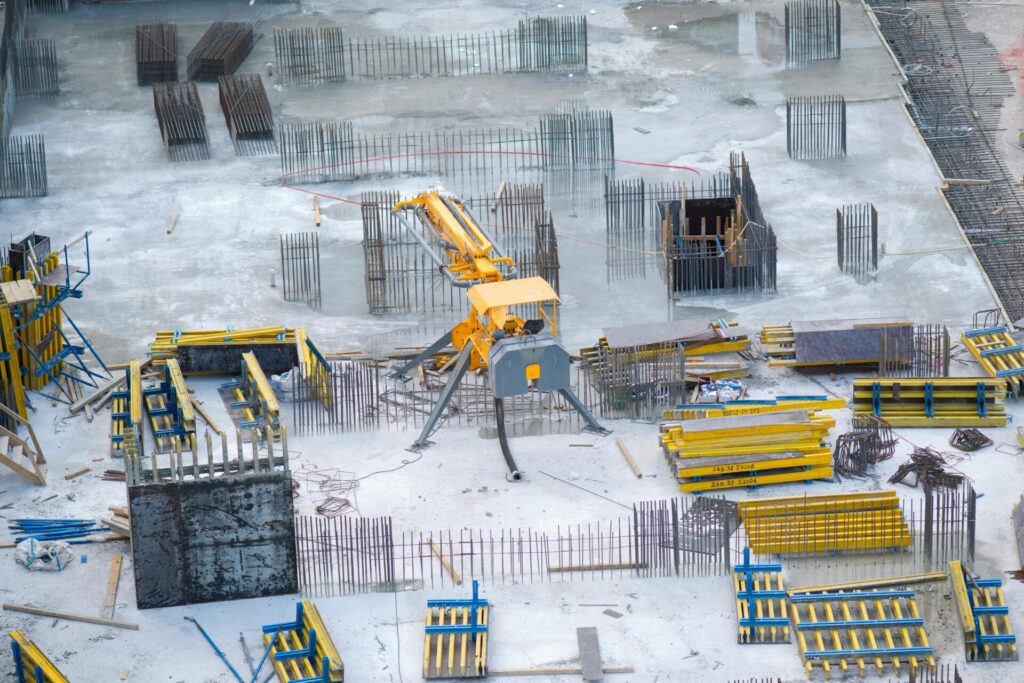
Construction project success depends on choosing the right phase framework for your specific situation. We evaluate project complexity, contract structure, and stakeholder requirements to determine whether a three-, four-, five-, or six-phase approach best supports the work. Simple projects with well-defined scope often benefit from streamlined three-phase models, while complex developments requiring extensive coordination typically demand more detailed frameworks.
The foundation of predictable project delivery lies in early stakeholder alignment and comprehensive planning. We establish clear communication channels during initiation, align expectations around scope and schedule, and maintain regular touchpoints throughout execution. Strong project controls—including schedule management, cost tracking, and quality assurance—provide the visibility needed to make informed decisions and address issues before they impact delivery. Documentation standards implemented from project start ensure continuity, support compliance, and create valuable records for future reference.
Ready to implement a structured phase approach for your next construction project? Contact EB3 Construction to discuss how we can help you establish the right framework for predictable project outcomes.