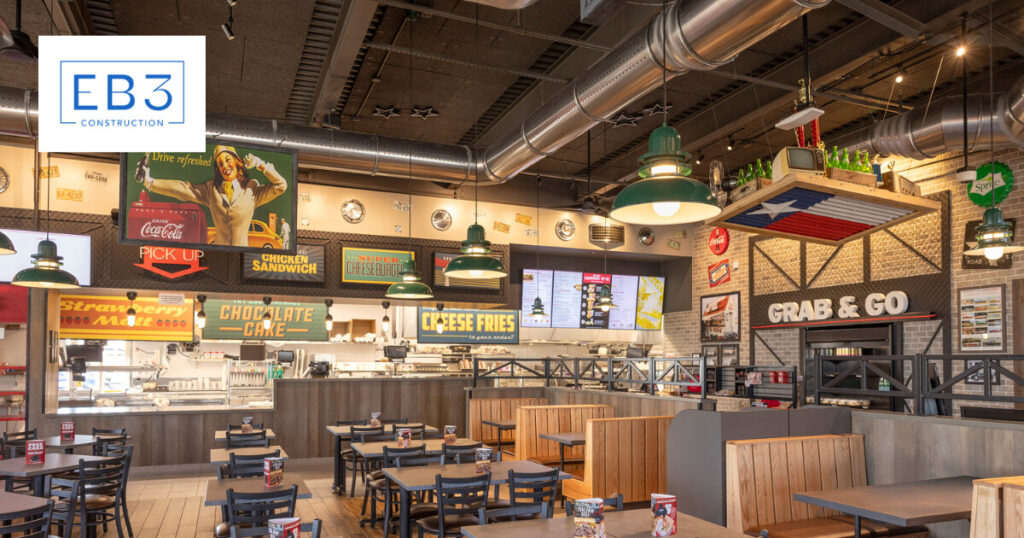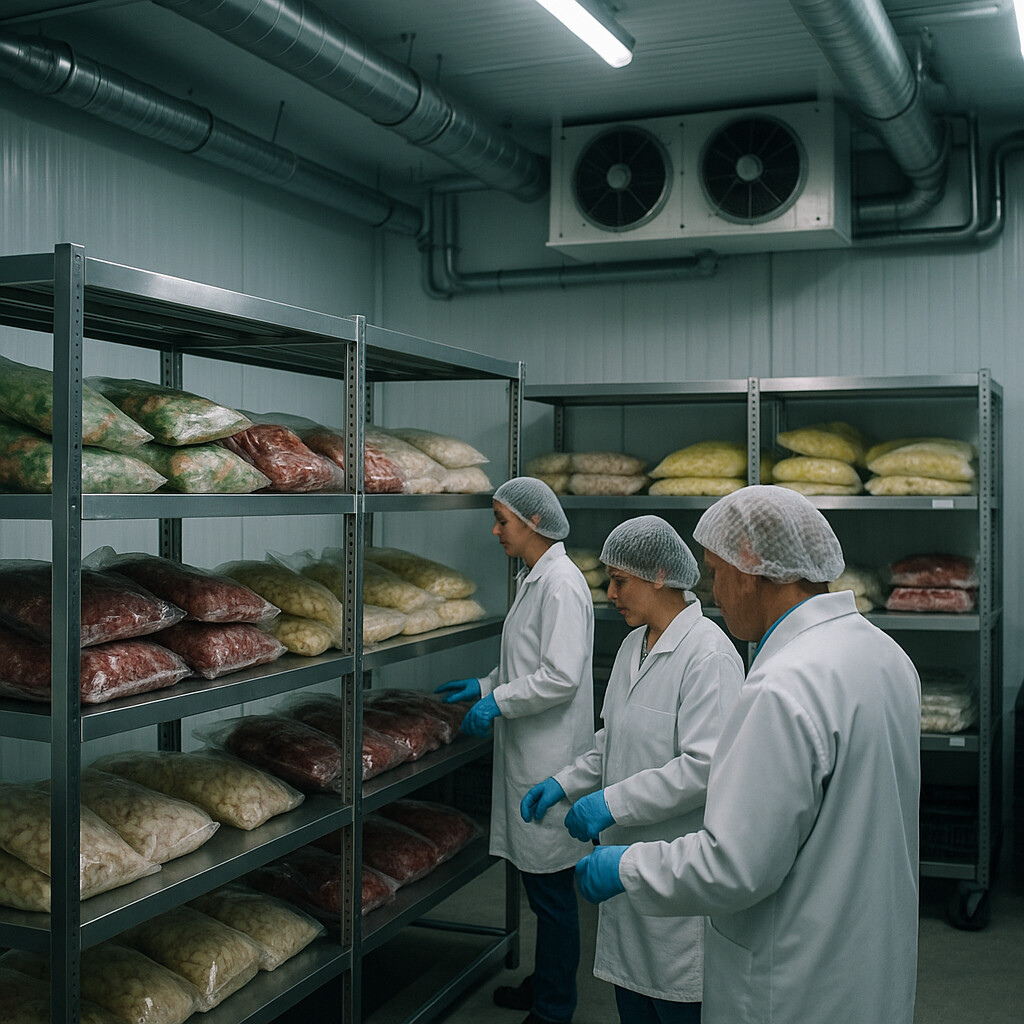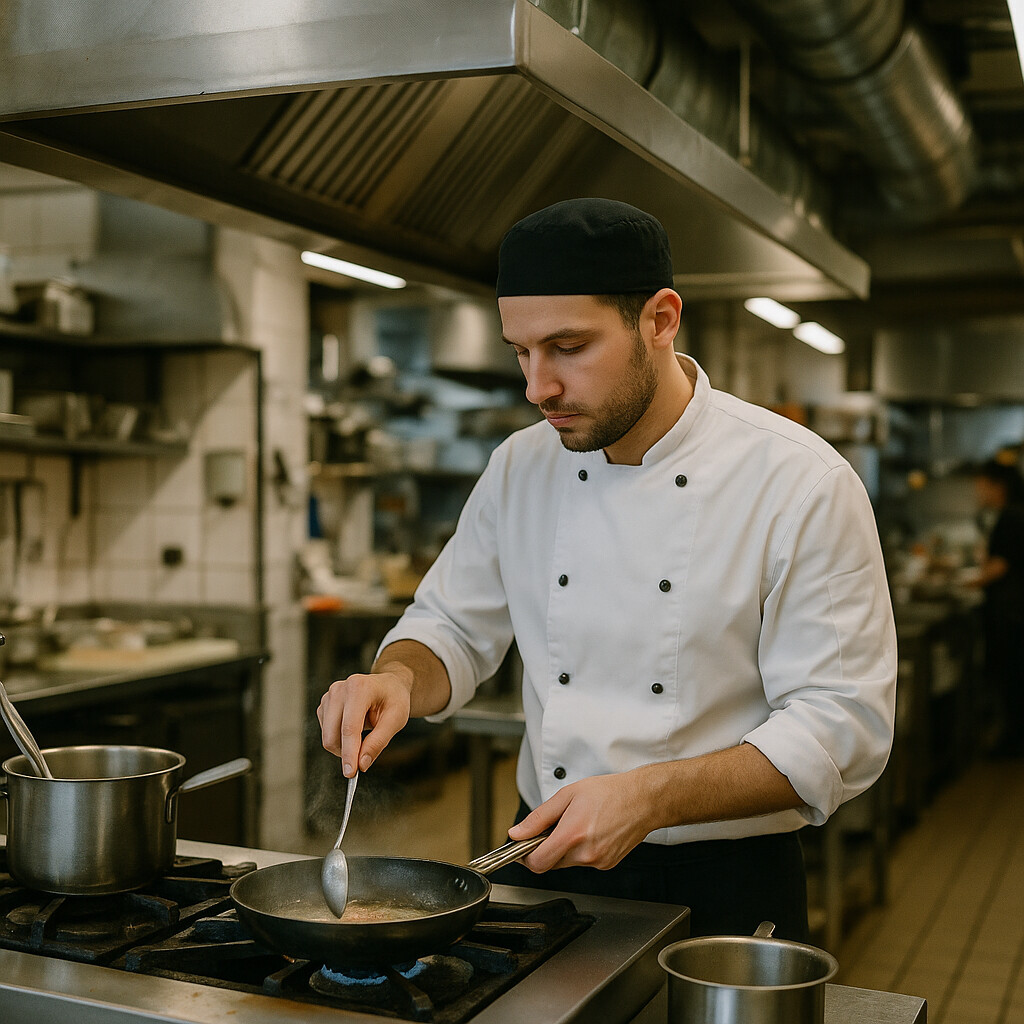
Restaurant construction faces a unique set of challenges rarely seen in other commercial builds. Every system decision affects how fast a cook can plate an order, whether the health department approves your space, and whether your fire suppression system meets code. Unlike retail stores or offices, restaurants require technical precision while serving guests who expect flawless experiences.
We handle restaurant construction differently because the stakes are higher and the margins for error are smaller. Kitchen workflows must run seamlessly from prep to service, while complex mechanical systems manage grease, heat, and ventilation behind the scenes. This guide covers the critical planning steps that determine whether your restaurant opens on time, on budget, and ready for service.
How Should You Plan The Project And Assemble The Team?

Restaurant planning begins with defining what you want to build before choosing who builds it. We start every project by establishing the concept, service model, and operational priorities that drive design decisions.
Define Your Concept and Service Model
A clear concept shapes everything from kitchen layout to dining room flow. Fast-casual restaurants need efficient service lines and quick-turnover areas. Fine dining requires spacious kitchens for complex prep work and intimate dining spaces.
We help clients identify their service model early because it affects equipment selection, staff circulation, and guest experience design. A pizza shop with a delivery focus needs different workflow planning from a steakhouse with tableside service.
Build Your Professional Team
Restaurant construction demands specialists who understand both hospitality operations and building systems. We coordinate with restaurant architects who design for kitchen efficiency and code compliance simultaneously.
Your core team includes a restaurant architect who converts your vision into practical plans, an interior designer who balances aesthetics with functionality, and a general contractor experienced in commercial kitchen builds. Add specialized consultants for kitchen equipment, HVAC design, lighting systems, and acoustics when the concept requires them.
Early team coordination prevents conflicts between mechanical systems and design intent. When the HVAC consultant works with the kitchen designer from the start, we avoid costly rework during construction.
Design for Workflow and Systems Integration
Effective restaurant design follows the path food takes from delivery to service. We plan prep areas that flow into cooking stations, which connect efficiently to service windows or dining rooms.
Kitchen workflow drives the entire layout. Prep, cook, and service zones need logical connections without creating bottlenecks during peak hours. Storage placement, equipment spacing, and staff circulation all affect daily operations.
Systems integration happens during design, not construction. Hood placement determines ventilation routing. Power requirements shape electrical panel locations. Grease trap positioning affects plumbing layouts. We coordinate these decisions early because changes during construction multiply costs.
Select Your Project Delivery Method
Three main delivery methods fit most restaurant projects, each with different risk and control profiles. Design-bid-build offers maximum price control by completing design before collecting contractor bids. This traditional approach works well when budget certainty matters most.
Design-build integrates design and construction under one contract for faster project completion. We see this approach succeed when speed to market drives decisions and the owner trusts the design-build team’s experience.
Construction manager at risk brings a construction project manager onto the team during design while guaranteeing a final price. This method provides budget oversight throughout the process and works well for complex restaurant builds where early input on constructability matters.
Each delivery method affects communication, decision-making speed, and cost control differently. We help owners choose based on their risk tolerance, timeline constraints, and hands-on involvement preferences.
Plan Permits and Landlord Approvals
Permit planning starts during design development, not after drawings are complete. We identify required approvals from health departments, fire marshals, and building officials early in the process.
Landlord approvals often take longer than expected, especially in multi-tenant buildings or shopping centers. Some landlords require architectural review committee approval, structural engineering reviews, or specific contractor qualifications.
The inspection schedule affects construction sequencing and the opening timeline. We build permit applications and inspection coordination into the project schedule from day one. This prevents surprises that delay substantial completion and the certificate of occupancy.
Early coordination between design professionals, subcontractors, and regulatory authorities keeps projects moving toward opening day without costly delays or rework.
How Do You Choose The Right Site And Decide Between New Build And Remodel?
Location and lease structure drive both project costs and construction timelines. We evaluate every potential site for operational feasibility, regulatory compliance, and financial impact.
The right location shapes your restaurant’s success before we build a single wall. Market fit matters, but infrastructure readiness often determines whether a project stays on budget and on schedule.
Site Selection Essentials
Location fundamentals include parking availability, street visibility, zoning restrictions, and demographic alignment with your target market. We verify that foot traffic patterns and accessibility match your service model.
Building infrastructure requires thorough evaluation. HVAC capacity must handle commercial kitchen loads, electrical service needs adequate amperage for equipment, and plumbing systems must support commercial dishwashers and prep sinks. Fire protection systems, Type 1 hood exhaust paths, and grease trap connections determine kitchen layout feasibility.
Structural considerations include floor load capacity for heavy equipment, ceiling height for ductwork routing, and egress requirements for safe evacuation. ADA compliance covers entrance accessibility, restroom facilities, and dining area navigation.
Critical Lease and Permit Factors
Permit history reveals past compliance issues or approval delays that could affect your timeline. Shared utilities with other tenants may limit kitchen equipment capacity or create coordination challenges during construction.
Landlord approvals cover construction scope, working hours, and tenant improvement standards. Tenant improvement allowances can offset construction costs but often include restrictions on contractors, materials, or design elements.
Lease terms affect project economics through rent commencement dates, construction-period arrangements, and signage or outdoor seating permissions that influence your concept execution.
| Requirement | Details |
|---|---|
| Utilities and Infrastructure | Check for reliable power, water, wastewater systems, and fuel supply. |
| Zoning and Regulations | Verify zoning laws, land use, and required permits to avoid legal issues. |
| Site Condition and Readiness | Assess soil quality, contamination risks, and cleanup needs. |
| Transportation and Accessibility | Ensure proximity to major highways, ports, and secondary routes for smooth logistics. |
| Workforce and Labor Market | Evaluate local labor availability, wages, and training resources. |
| Environmental Factors | Conduct risk assessments and explore green practices. |
| Room for Growth | Ensure space and zoning allow for future expansion. |
| Safety and Risk Management | Implement security measures and prepare for natural or industrial hazards. |
| Cost and Incentives | Analyze land prices, development costs, and available tax breaks. |
| Proximity to Suppliers | Reduce logistics expenses by staying close to key suppliers. |
| Access to Markets | Improve delivery times and customer satisfaction with strategic positioning. |
New Construction vs. Remodel
New construction provides complete design control and optimal kitchen workflow but requires longer timelines, higher costs, and more extensive permitting. We build from the ground up with purpose-designed systems.
Second-generation restaurant spaces offer faster occupancy and lower construction costs but limit design flexibility. Existing kitchen venting, gas lines, and grease trap locations constrain layout options. Shared building systems may restrict equipment choices or operating hours.
Remodel projects work well when existing infrastructure aligns with your concept. We adapt layouts around structural elements, utility locations, and landlord restrictions while maximizing operational efficiency.
New builds suit concepts that require specialized equipment, unique layouts, or specific atmospheric elements. The investment can pay off through optimized workflow and long-term operational efficiency.
Due Diligence Process
We walk potential sites with your architect and contractor to identify infrastructure limitations, construction challenges, and code compliance requirements. This field evaluation often reveals issues that lease documents or building plans might not address.
A real estate attorney’s review ensures lease terms support your construction timeline and operational needs. Legal counsel identifies potential conflicts between tenant improvement allowances, construction requirements, and operational restrictions.
Market analysis confirms location viability through competitor presence, demographic studies, and traffic pattern evaluation. We balance site advantages against construction complexity and total project costs.
What Drives Restaurant Construction Cost And Schedule?
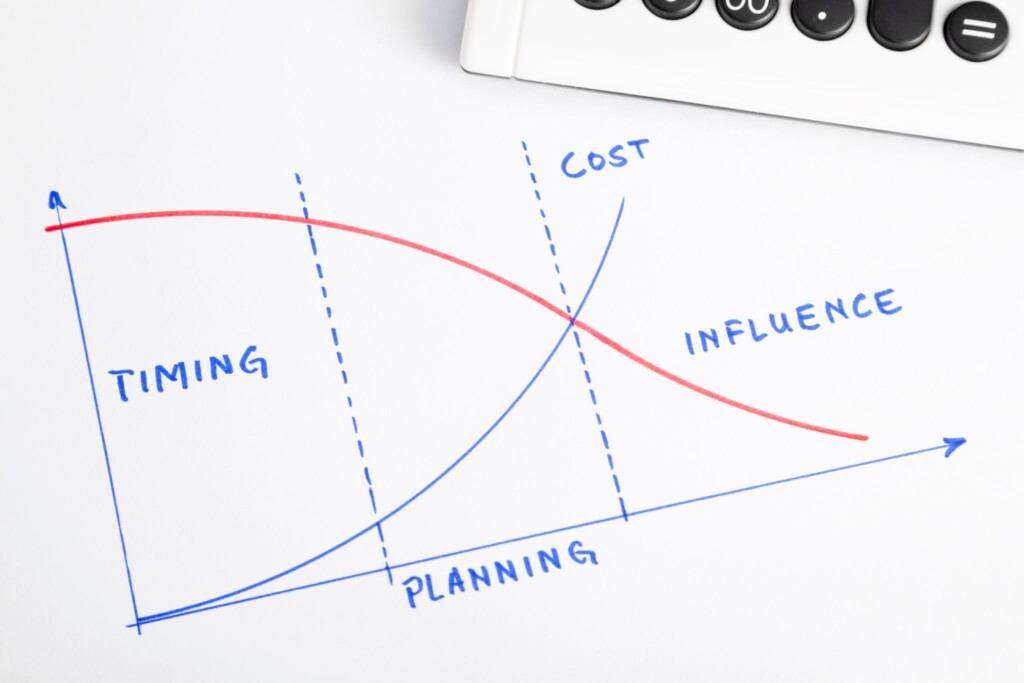
Restaurant construction costs vary widely based on space condition and project scope. Understanding these cost drivers helps you budget accurately and avoid pitfalls that can derail your timeline.
Primary Cost Drivers
Space condition creates the biggest budget swing in restaurant construction. Shell spaces typically cost about $300 to $600 per square foot, while second-generation restaurant spaces range from $150 to $300 per square foot. The difference reflects existing infrastructure like plumbing, electrical rough-ins, and HVAC systems already in place.
Kitchen equipment represents another major expense, typically ranging from $50,000 to $250,000 depending on your concept and service model. A quick-service restaurant with basic equipment falls on the lower end, while full-service establishments with specialty cooking equipment can reach the upper limits. We often see projects where equipment decisions drive significant cost overruns when owners change their minds after initial budgeting.
Utilities and systems upgrades can add $50,000 to $150,000 to your construction costs. Older buildings frequently need electrical panel upgrades, gas line modifications, or fire suppression system installations. These infrastructure improvements become critical when your concept requires higher power loads or specialized ventilation systems.
Finish Level and Professional Services
Finish levels directly impact both budget and guest perception. Budget finishes typically cost $50 to $100 per square foot, while premium materials and custom millwork can reach $100 to $200 per square foot. The key is matching your finish investment to your concept and target market expectations.
Design and consulting fees typically represent 5 to 15 percent of total construction costs. This includes your architect, interior designer, kitchen consultant, and specialty engineers. While these costs might seem high upfront, experienced professionals help avoid expensive changes during construction.
Impact fees and permitting costs range from $5,000 to $50,000 or more, depending on your jurisdiction and project size. Some municipalities charge significant fees for new restaurant construction, especially in areas with limited infrastructure capacity.
Contingency and Total Project Costs
We recommend budgeting a 5 to 10 percent contingency for unforeseen conditions and change orders. Restaurant construction frequently reveals surprises once walls come down or excavation begins. Adequate contingency prevents these discoveries from stopping work while you secure additional funding.
Total startup costs for restaurant construction can range from about $95,000 for small quick-service concepts to over $2,000,000 for large full-service restaurants in prime locations. This wide range reflects differences in size, complexity, location, and existing conditions. For typical 4,000 to 4,500 square foot spaces, expect utilities during construction to average roughly $1,000 to $1,200 per month.
Schedule Risks and Delays
Schedule delays often stem from permits, landlord approvals, and long-lead items. Permit reviews can add weeks or months to your timeline, especially if plan reviewers request revisions or additional documentation. Building strong relationships with local authorities and submitting complete construction submittals helps minimize delays.
Landlord approvals in multi-tenant buildings often create unexpected bottlenecks. Some landlords require their own review process for tenant improvements, adding layers of approval beyond municipal permits. Clarify these requirements early and build extra time into your schedule.
Long-lead items like walk-in coolers, kitchen hoods, and specialty lighting fixtures can extend schedules significantly. These items often require 8 to 16 weeks for delivery, and delays compound when multiple items arrive late. We coordinate equipment ordering early in the design phase to prevent these delays from affecting your opening.
Controlling Costs and Timeline
Confirm infrastructure capacity before finalizing your lease or purchase. Electrical service, gas capacity, and structural loads directly impact construction costs. Identifying limitations early allows you to negotiate with landlords or adjust your concept before investing in design.
Order long-lead items as soon as plans are finalized and permits are submitted. Equipment suppliers often provide preliminary orders based on design development drawings, allowing you to secure delivery slots while final approvals proceed. This approach prevents equipment delays from extending your construction schedule.
Keep one owner on the master schedule to coordinate decisions and approvals. Restaurant construction moves quickly once it begins, and delayed decisions create expensive downtime. Designating a single point of contact streamlines communication and keeps your project moving forward efficiently.
How Do You Handle Codes, Permits, Inspections, And Opening Readiness?
We start every restaurant build by contacting local building departments, health officials, and fire marshals well before construction begins. Each Authority Having Jurisdiction (AHJ) has specific requirements for commercial kitchens, dining areas, and fire protection systems. Early engagement prevents costly design changes later.
Establish Early Contact With All AHJs
We reach out to the building department, health department, and fire marshal as soon as our team finalizes the restaurant concept. These conversations reveal code requirements for Type 1 hood installations, grease management systems, and egress paths that influence our design approach.
Each jurisdiction applies codes differently. Some health departments require separate hand sinks in bar areas. Others mandate specific distances between prep areas and dishwashing stations. Fire marshals may have unique requirements for sprinkler system coverage or fire alarm placement that affect kitchen layout decisions.
Map Inspection Phases Into The Construction Schedule
Restaurant construction involves multiple inspection points that we sequence carefully to avoid delays. We typically schedule rough plumbing inspections before wall close-up, hood and fire suppression testing after equipment installation, and final health department walkthroughs before the certificate of occupancy.
Our approach includes building in buffer time between inspection phases. If a hood test fails or ADA access needs adjustment, we have flexibility in the schedule to address issues without pushing back the opening date. This forward planning keeps the project moving even when corrections are required.
Review Lease Restrictions That Affect Permitting
Landlord requirements often add layers to the permitting process that we factor into our timeline. Some properties require specific venting routes for grease systems that limit kitchen placement options. Others mandate landlord approval before submitting plans to the city.
We verify signage restrictions, outdoor seating allowances, and shared utility constraints early in design. Properties with existing grease management systems may require coordination with other tenants or building management. Understanding these restrictions prevents permit rejections that delay construction starts.
Document All AHJ Comments And Approvals
We maintain detailed records of every interaction with permitting authorities. This includes email exchanges about code interpretations, inspection notes, and formal approval letters. Clear documentation protects our team when questions arise during later inspections.
Written confirmation becomes essential when AHJ staff change or when inspectors interpret requirements differently. We reference previous approvals to maintain consistency throughout the permitting and construction process.
Follow A Three-Phase Construction Process
Pre-construction establishes the foundation for smooth permitting. We finalize construction drawings, submit permit applications, confirm project budgets, and secure all necessary landlord sign-offs before any demolition begins. This phase typically requires four to eight weeks, depending on project complexity.
Build-out involves active construction coordination with ongoing inspections. We manage demolition, framing, MEP rough-ins, equipment installation, and finish work while scheduling inspections at proper intervals. Each trade’s completion triggers the next inspection.
Closeout focuses on final approvals and opening preparation. We coordinate final building, health, and fire inspections to secure the certificate of occupancy. This phase includes completing the punch list, testing all kitchen systems, and preparing staff for service.
Complete Opening Readiness Before First Service
Our opening checklist ensures every system functions properly before customers arrive. We test all kitchen equipment under full operating conditions, verify proper water pressure and temperature, and confirm that HVAC systems maintain required temperatures throughout the space.
Deep cleaning follows construction completion and precedes furniture installation. We set up dining room furniture, kitchen stations, and service areas according to final layouts. Staff training happens in the finished space so that team members learn workflows in actual operating conditions.
We label all kitchen stations, storage areas, and utility controls clearly during setup. A soft opening with invited guests allows us to test service flow and identify any operational adjustments needed before the full opening. This controlled environment helps staff practice procedures and builds confidence for regular service.
Conclusion and Next Steps
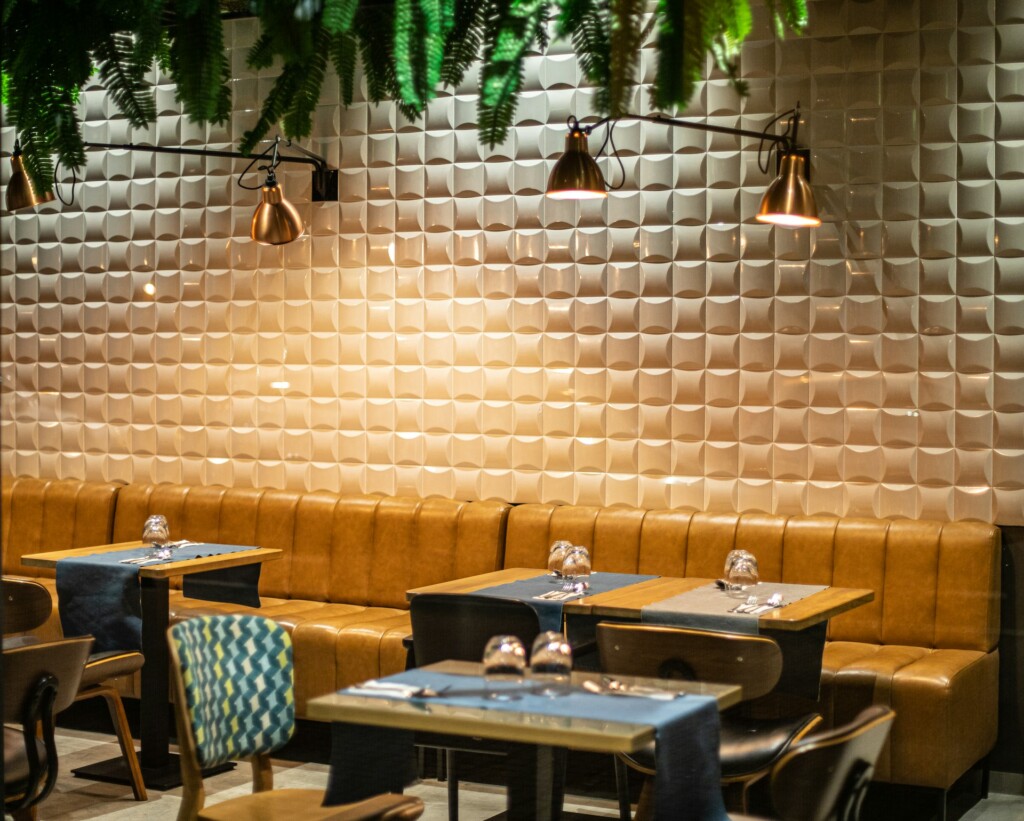
Successful restaurant construction planning centers on three core principles from the outset. Plan for workflow, systems, and code compliance. Select feasible sites and delivery methods that match your timeline and risk tolerance. Confirm infrastructure capabilities and sequence permits and inspections to maintain project momentum.
Next, take focused action to secure the right construction team. Shortlist general contractors with proven restaurant experience, particularly those familiar with second-generation space upgrades, kitchen venting limitations, and shared utility systems. Verify who will manage construction submittals and coordinate re-inspections with health departments and fire marshals. Contact their recent restaurant clients to assess timeline performance and change order management. Review their pricing turnaround times and communication style during your evaluation meetings.
With clear restaurant construction planning, the right contractor, and early permit approvals, we can deliver projects on schedule and bring your restaurant vision to life. Contact EB3 Construction to discuss your restaurant project timeline and construction approach.