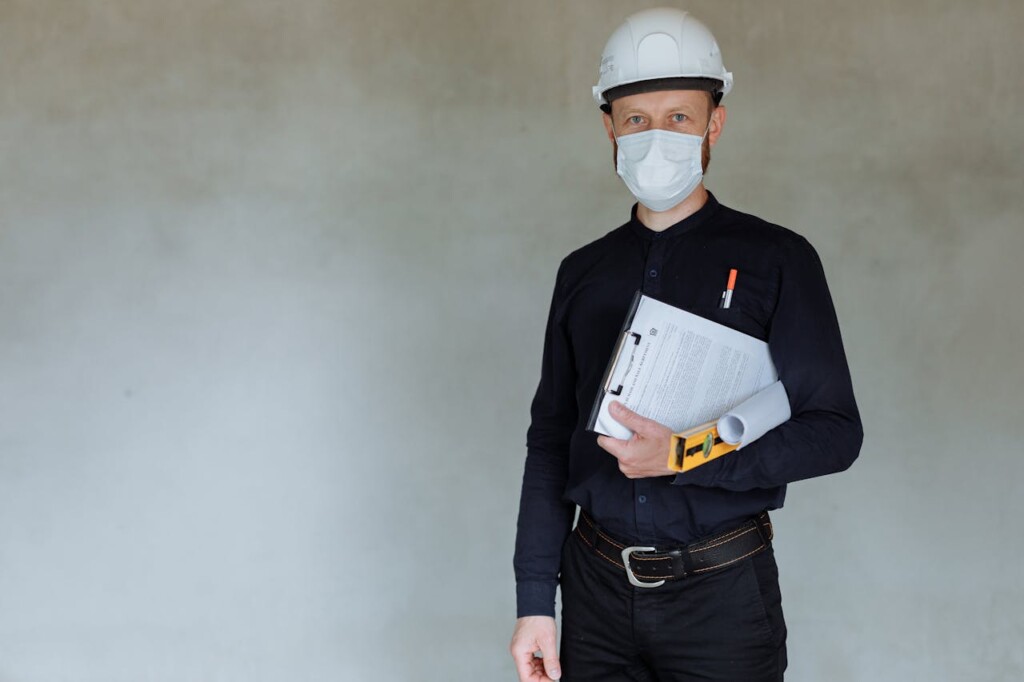
The restaurant industry’s rapid growth across Central Texas has created unprecedented demand for specialized construction services. Restaurant construction management covers the entire project lifecycle—from initial site development through final turnover—ensuring each dining establishment meets operational requirements and brand standards.
We coordinate every phase of restaurant builds, remodels, and tenant improvements across Central Texas. This work includes managing architects, engineers, and vendors, maintaining code compliance, and supporting multi-city rollouts to keep restaurant operators on schedule.
Which Phases Structure A Central Texas Restaurant Project From Start To Finish?

Restaurant construction in Central Texas follows a structured four-phase approach that turns concepts into operational dining spaces. We organize each project into distinct phases that build on prior work and move steadily toward completion. This framework establishes clear milestones and helps maintain quality throughout the construction process.
Preconstruction: Laying the Groundwork
Preconstruction sets the framework for a successful restaurant project. We conduct cost estimation that accounts for Central Texas market conditions, material availability, and labor costs specific to restaurant construction. This phase includes detailed scheduling that coordinates permit timelines with construction activities across multiple jurisdictions.
We perform value engineering early, when design modifications can improve the budget without compromising functionality. We analyze equipment specifications, material selections, and construction methods to identify cost-saving opportunities. Space planning during preconstruction supports efficient workflow among kitchen areas, dining spaces, and service zones.
Permitting coordination streamlines approvals with building departments, health agencies, and fire marshals. We manage applications across Austin, San Antonio, and surrounding Central Texas municipalities, each with distinct requirements. Site development planning addresses utility connections, drainage, and access that support restaurant operations.
Coordination: Aligning Teams And Specifications
The coordination phase synchronizes all project stakeholders around shared objectives and specifications. We align architects with design intent, engineers with structural and mechanical requirements, and vendors with delivery schedules. Brand teams provide specifications that guide material selections and installation standards.
Technical coordination addresses equipment placement, utility routing, and ventilation systems that support commercial kitchen operations. We verify that electrical capacity matches equipment loads, while plumbing layouts accommodate grease management systems. HVAC coordination ensures proper air exchange rates for dining areas and commercial kitchens.
Documentation produced during coordination creates clear reference materials for construction teams. We maintain specification logs, material approvals, and installation guidelines that help prevent costly field changes. Regular coordination meetings keep all parties informed of schedule updates and design modifications.
Construction: Ground-Up And Tenant Improvements
Construction execution varies between ground-up builds and tenant improvement projects across Central Texas. Ground-up construction starts with site preparation and foundation work before advancing through structural, mechanical, and finish phases. Tenant improvements focus on interior modifications within existing commercial spaces.
Design-build integrates design refinements with construction activities. We coordinate real-time design adjustments that respond to field conditions or operational requirements. This approach can shorten timelines while maintaining design intent and budget targets.
Custom millwork and built-in elements require precise coordination with other trades. We schedule millwork fabrication to align with interior construction phases while protecting finished surfaces. Equipment installation follows mechanical rough-in work and includes coordination with utility connections and ventilation systems.
Closeout: Inspections And Project Turnover
Closeout activities ensure restaurants meet all regulatory requirements before opening. We coordinate inspections from building officials, health departments, and fire marshals according to jurisdiction-specific protocols. These inspections verify compliance with construction permits and operational requirements.
Final walkthroughs document completed work and identify any remaining items before turnover. We conduct systematic reviews of all systems, finishes, and equipment installations. Training sessions familiarize restaurant staff with building systems, equipment operation, and maintenance requirements.
Project turnover includes comprehensive documentation packages with warranties, operations manuals, and maintenance schedules. We provide as-built drawings that reflect final construction conditions and equipment locations. Final documentation supports ongoing operations and future maintenance across Central Texas restaurant locations.
How Are Brand Standards And Multi-Site Rollouts Handled Across Central Texas Cities?
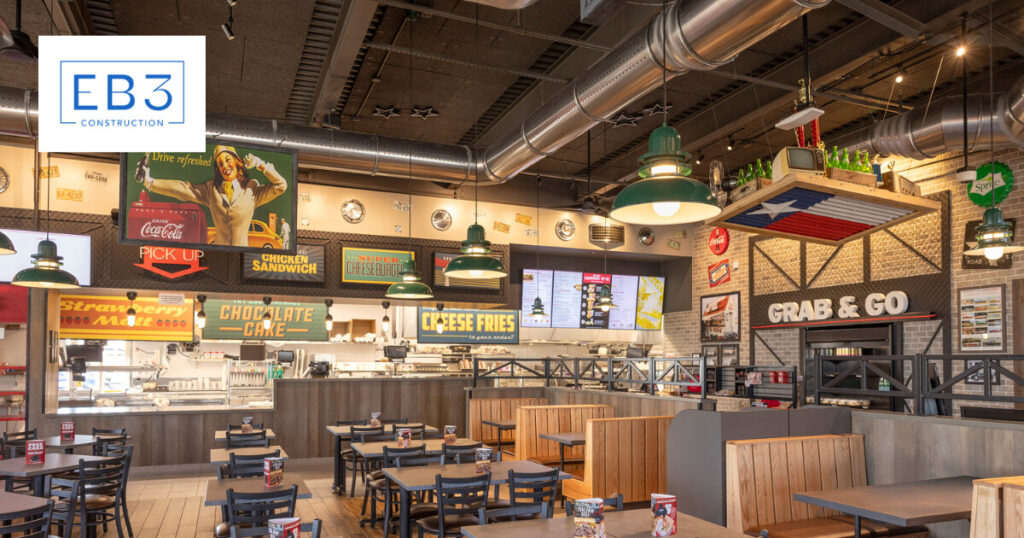
We build to brand specifications that maintain consistency while adapting to local market conditions across Central Texas. Brand standards include detailed design plans covering interior layouts, signage placement, lighting systems, and customer flow patterns. We coordinate with corporate teams to ensure color palettes, materials, and finishes match approved specifications, whether the location opens in downtown Austin or in suburban Georgetown.
Brand updates and renovations follow the same systematic approach. When franchisors modify their prototype designs or upgrade existing locations, we implement changes that preserve operational functionality while meeting updated standards. Kitchen equipment layouts, dining area configurations, and technology infrastructure receive careful attention to maintain the customer experience across all locations.
Coordinating Multi-Project Construction Across Cities
Our organized systems support simultaneous construction across Austin, Georgetown, Round Rock, San Marcos, New Braunfels, and San Antonio. Multi-project coordination requires dedicated project managers who understand regional permitting processes, local contractor availability, and material delivery schedules. We establish communication workflows that keep stakeholders aligned throughout each project timeline.
Regional construction teams develop expertise in specific brand requirements through repeated exposure across multiple sites. These crews understand prototype nuances and can execute consistently without extensive retraining between locations. Centralized procurement leverages volume purchasing to secure consistent materials and pricing, whether we build one location or manage phased rollouts across multiple markets.
Turnkey Services for Chain Operations
We scale turnkey construction services for national and regional brands expanding into Central Texas markets. This approach consolidates oversight under unified project management, reducing coordination gaps that typically emerge when multiple contractors interpret brand standards differently. Our teams coordinate specialty trades, manage bulk purchasing agreements, and implement quality control processes that ensure consistency in finishes and layouts.
Franchise consistency depends on systematic execution rather than individual interpretation. We establish repeatable processes for equipment installation, technology integration, and final inspections that deliver uniform results across locations. Regular progress reporting and milestone tracking surface issues before they cascade across multiple sites, protecting schedules and budgets throughout multi-city rollouts.
What Technical And Regulatory Needs Are Unique To Restaurant Builds?
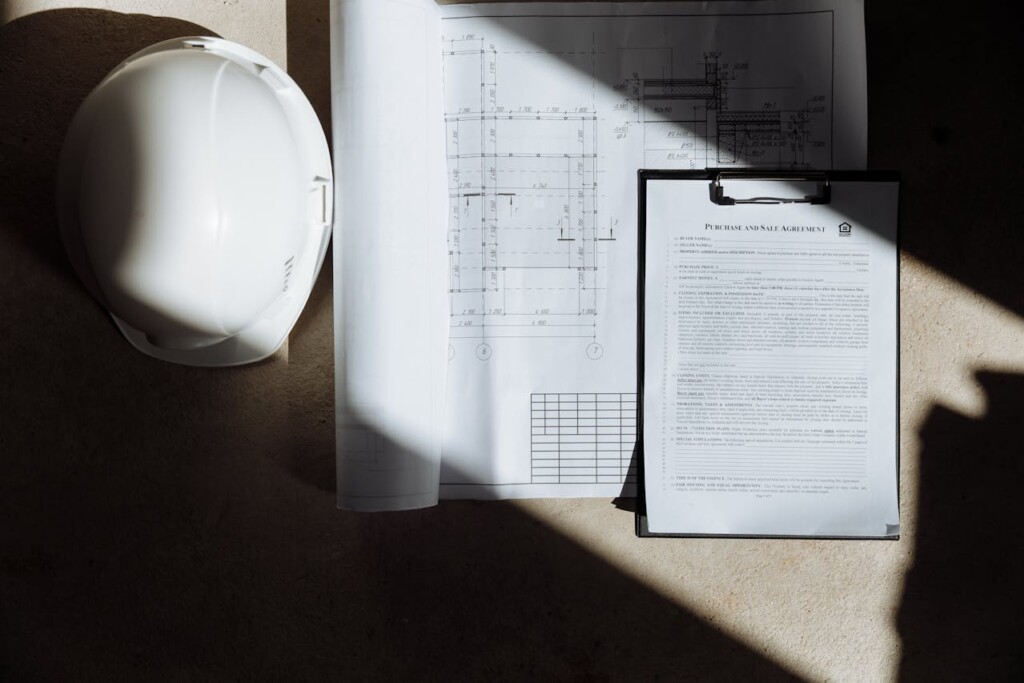
Restaurant construction requires specialized technical systems and strict regulatory compliance that set it apart from typical commercial builds. We engineer each project around high-capacity kitchen operations while meeting complex codes that govern food safety, accessibility, and fire protection.
High-Capacity Kitchen Systems
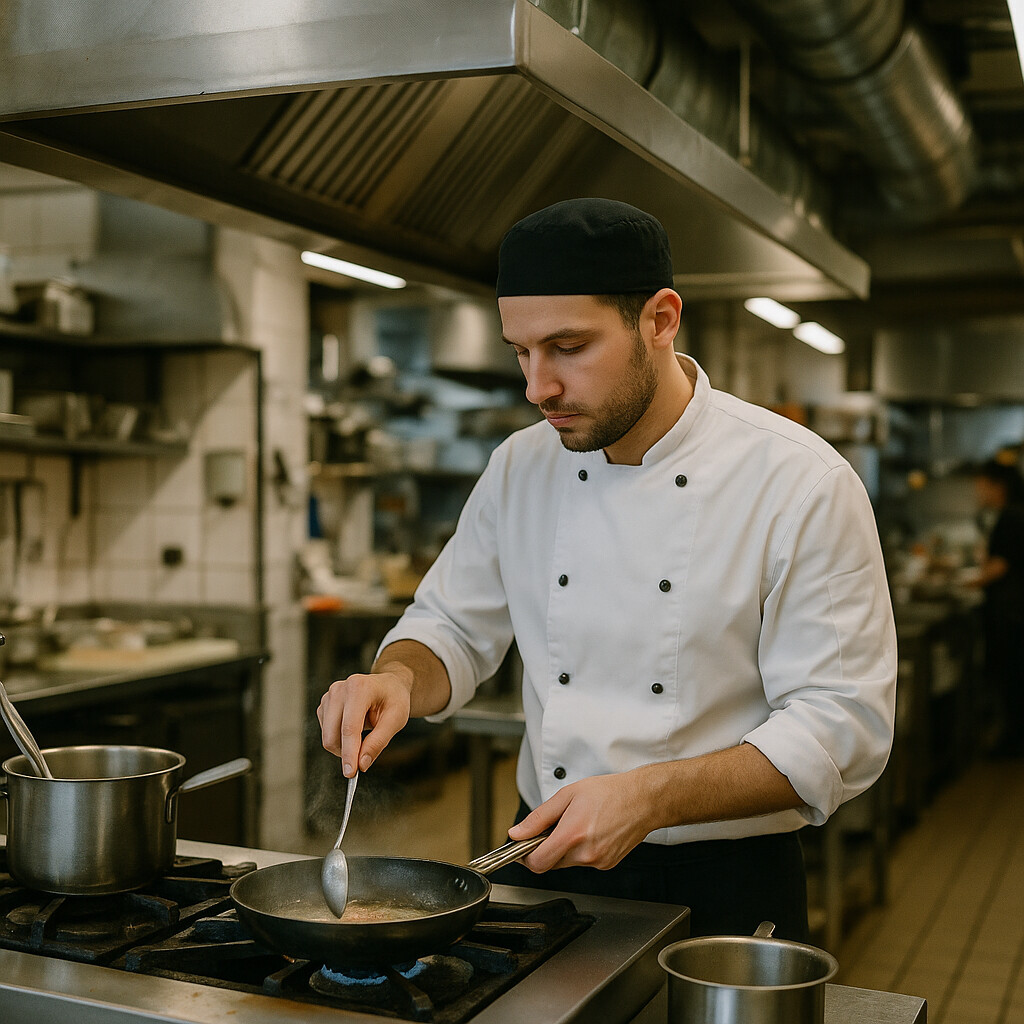
Commercial kitchens demand robust infrastructure that handles intense heat, grease-laden vapors, and continuous operation. We plan equipment placement around workflow efficiency, ensuring prep stations, cooking lines, and service areas connect seamlessly. Power requirements often exceed standard commercial loads, with 480-volt three-phase service for heavy equipment like conveyor ovens and walk-in coolers.
Ventilation systems require precise engineering to meet NFPA 96 standards for fire safety. Type I exhaust hoods over grease-producing equipment must capture vapors effectively while integrating fire suppression systems. We coordinate ductwork routing with structural elements and install makeup air units sized to replace exhausted air volumes. Gas lines for ranges, grills, and fryers require proper sizing and emergency shutoffs positioned for code compliance and operational safety.
Water and waste systems handle unique demands from commercial dishwashers, prep sinks, and grease traps. We install adequate drainage capacity and position floor drains strategically to manage spills and cleaning operations. Ice machines, beverage systems, and specialized equipment each require dedicated connections planned early in construction.
Dining Areas and Drive-Thru Infrastructure
Front-of-house layouts balance customer flow with operational efficiency during peak service periods. We design entry sequences that prevent bottlenecks while maintaining clear sightlines to ordering areas and seating zones. ADA compliance shapes every dimension, from aisle widths to table heights and restroom accessibility.
Drive-thru systems require careful site circulation planning that prevents conflicts between vehicular traffic and pedestrian access. We position menu boards, ordering stations, and pickup windows to optimize service speed while meeting local zoning setbacks. Underground utilities for communication systems, lighting, and payment processing are installed early to avoid conflicts with paving and landscaping.
Sound management is critical in dining spaces, requiring acoustic materials and mechanical system placement that maintain comfortable noise levels. We coordinate HVAC distribution to provide even temperature control without creating drafts in seating areas or service stations.
Code Compliance and Inspections
Restaurant projects navigate multiple regulatory frameworks simultaneously. ADA compliance governs accessible routes, counter heights, and restroom facilities with specific measurement requirements for door clearances and turning radii. Food safety codes dictate surface materials in prep areas, requiring non-porous finishes that resist contamination and support thorough cleaning.
Fire codes address kitchen ventilation, emergency exits, and sprinkler system integration with cooking equipment. We ensure proper clearances between hot equipment and combustible materials while positioning fire suppression controls for easy access. Local health departments review plans for hand-washing stations, chemical storage areas, and food storage zones before construction begins.
Building codes require close coordination among trades as electrical, plumbing, and HVAC systems integrate within tight spaces. We schedule inspections strategically to avoid delays while ensuring each system component meets specifications before being concealed behind walls or ceilings.
Specialized Equipment Installation
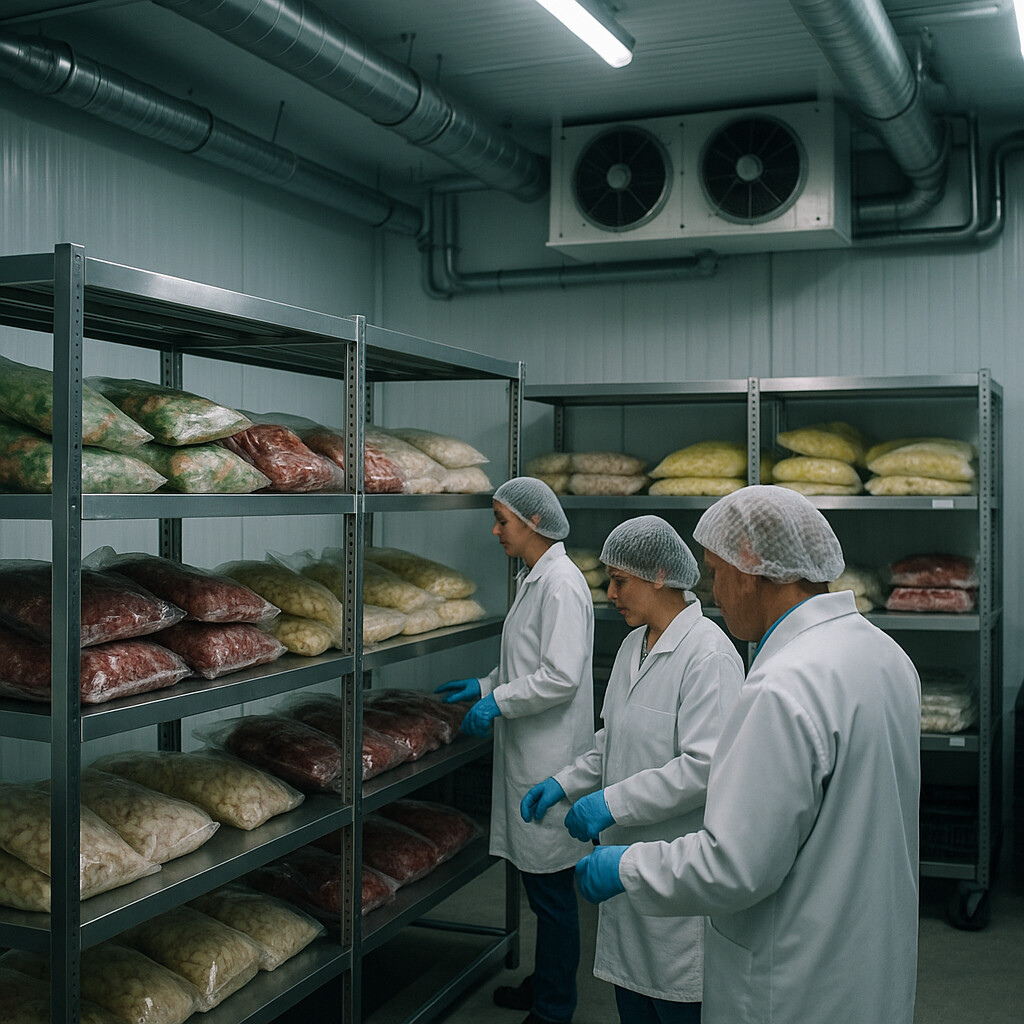
Restaurant equipment installation demands precise timing and coordination with utility connections. We sequence deliveries to prevent damage while ensuring adequate access for large items like walk-in coolers and commercial ranges. Equipment anchoring must meet seismic requirements while allowing for maintenance access and future modifications.
Custom millwork and built-ins require field verification of dimensions as construction progresses. We coordinate between cabinet shops and site conditions to ensure precise fits around equipment connections and structural elements. Stainless steel fabrication often happens concurrently with construction, requiring careful protection during finishing trades.
Final connections involve coordination between equipment vendors, utility providers, and inspection authorities. We maintain detailed schedules that account for manufacturer startup requirements, warranty activations, and staff training periods before operational turnover.
Which Delivery Methods And Schedules Fit Restaurant Operations Best?
Restaurant construction requires delivery methods that match the speed and complexity of food service operations. We adapt our approach based on project scope, timeline requirements, and site conditions to keep projects moving efficiently.
Delivery Models For Restaurant Construction
General contracting provides direct oversight of all trades and subcontractors throughout the build process. This traditional approach works well for straightforward projects with complete design documents, where owners want competitive pricing through bidding.
Construction management offers early involvement in preconstruction planning and value engineering. We coordinate directly with architects and engineers during design development, providing cost feedback and constructability reviews before construction begins. This model suits complex restaurant projects where early coordination prevents delays during the build phase.
Design-build streamlines communication by combining design and construction under one contract. For restaurant chains with proven prototypes, this delivery method accelerates project timelines by allowing construction to begin before all design elements are finalized. We can start site work and utility rough-ins while finalizing interior specifications.
Flexible Scheduling Options
First shift work maintains standard construction hours for projects with minimal risk of disruption. This schedule works best for new builds and vacant tenant spaces where noise and activity don’t affect adjacent businesses.
Second and third shift options are often essential for restaurant renovations in operating locations or projects adjacent to active businesses. Night work allows construction to proceed without disrupting lunch and dinner service in neighboring restaurants. We coordinate shift schedules to match specific operational needs and local noise ordinances.
Phased scheduling breaks larger projects into manageable sections. Kitchen renovations might proceed in stages, allowing partial operations to continue while we upgrade equipment and systems. This approach extends project duration but maintains revenue flow for operating restaurants.
Technology Integration
Real-time communication keeps all stakeholders informed throughout construction. Our project management platform provides instant updates on progress, schedule changes, and material deliveries. Daily reports document completed work and identify any issues requiring immediate attention.
Live camera feeds offer continuous site monitoring without requiring a physical presence. Owners and architects can track progress remotely and verify work quality. These systems prove particularly valuable for multi-site rollouts where project managers oversee several locations simultaneously.
Digital scheduling tools coordinate trade activities and material deliveries. We maintain updated schedules that reflect actual site conditions and weather impacts. Subcontractors receive automated notifications about upcoming work and any schedule adjustments.
Cost Control Through Value Engineering
Value engineering identifies opportunities to optimize costs without compromising functionality or quality. We review specifications during preconstruction to suggest alternative materials or methods that deliver the same performance at a lower cost. Kitchen equipment selections might shift toward models that offer equivalent capacity with reduced installation requirements.
Early coordination prevents costly changes during construction. By involving mechanical and electrical trades during design reviews, we identify conflicts before they impact the schedule. This proactive approach eliminates emergency redesigns that inflate costs and delay completion.
Budget tracking provides real-time visibility into project finances. We monitor costs against approved budgets and flag potential overruns before they occur. Change order processing includes immediate cost impact analysis, allowing owners to make informed decisions quickly.
Conclusion and Next Steps
Successful restaurant construction management in Central Texas rests on thorough preconstruction planning, alignment with brand standards, and coordinated execution. We focus on these core elements because they determine whether projects finish on time and within budget. When preconstruction includes detailed cost estimating, value engineering, and permit coordination, construction phases proceed with fewer disruptions and change orders.
Planning for code compliance and selecting the right delivery method directly affect project schedules and costs. We recommend addressing ADA requirements, fire codes, and food safety regulations during the design phase rather than discovering gaps during inspections. Flexible scheduling options, including night shifts and phased construction, keep projects moving while minimizing operational disruptions for existing locations. Real-time communication and project-tracking tools help teams make quick, informed decisions when challenges arise.
Ready to start your Central Texas restaurant project? Contact EB3 Construction to discuss how we can support your construction management needs from preconstruction through final closeout.